
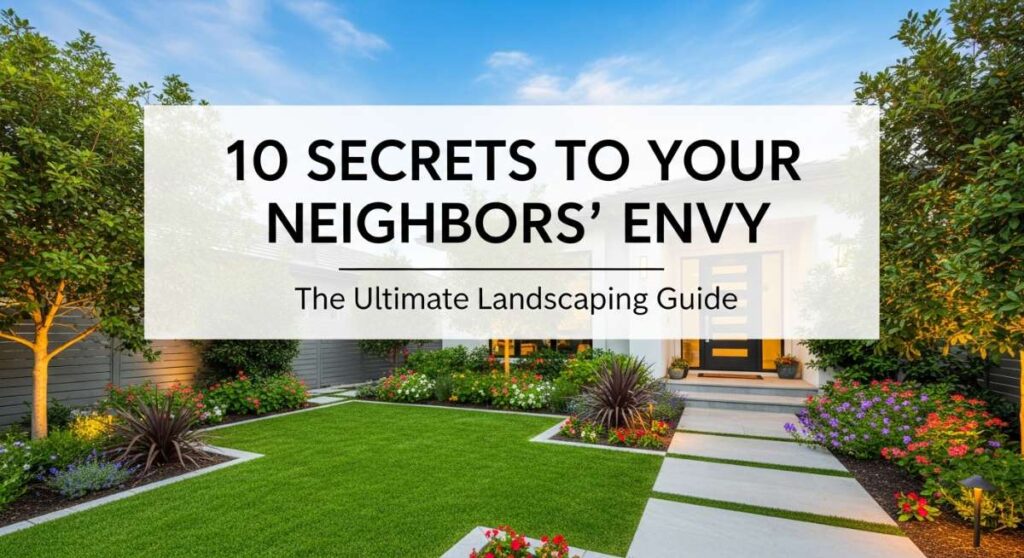
10 Secrets to Your Neighbors’ Envy: The Ultimate Landscaping Guide
Have you ever found yourself slowing down as you drive through a beautiful neighborhood, just to catch a glimpse of a perfectly manicured lawn or a blooming garden? We’ve all been there. There is something deeply restorative about a home that feels tucked into nature, where the colors are vibrant, the textures are layered, and the entire property feels like a curated sanctuary. It’s more than just grass and dirt; it’s the emotional resonance of a space that welcomes you home before you even turn the key in the lock.
Creating that ‘stop-and-stare’ curb appeal doesn’t have to be a mystery reserved for professional botanists. In this guide, I’m sharing the heart and soul of landscape design to help you transform every inch of your outdoor space. Whether you’re looking to create a peaceful backyard retreat or a front yard that makes the whole block jealous, these secrets will guide you through the process of building your own living masterpiece. Let’s dig into the dirt and find your green thumb!
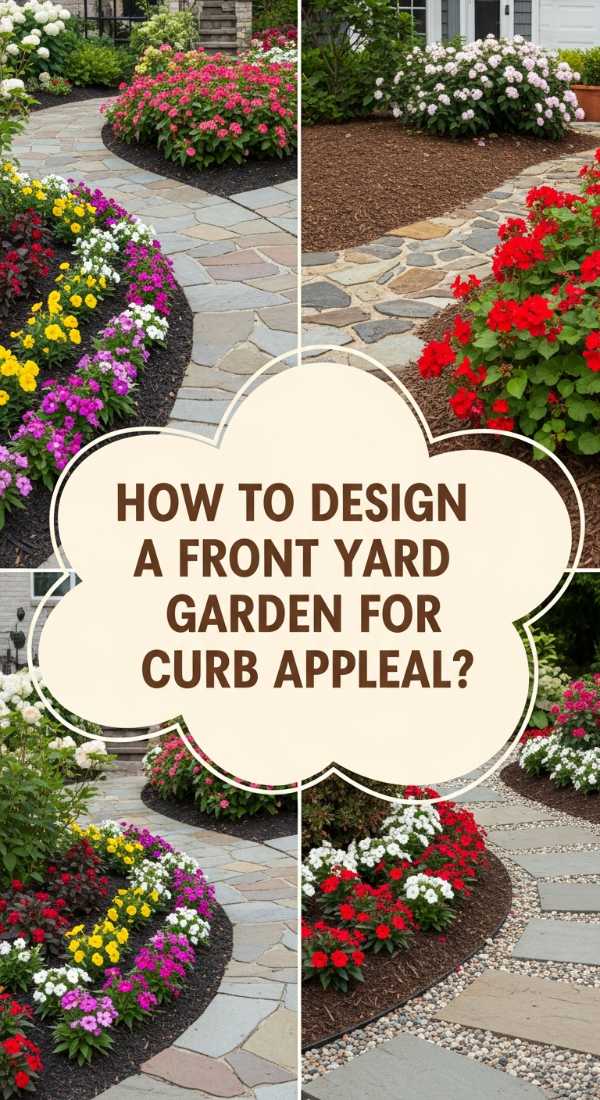
How to Create a Front Yard Garden Design for Ultimate Curb Appeal
Why we love this
There is a specific kind of magic that happens when a front yard is perfectly balanced, offering a sensory symphony of soft textures and sweet aromas. We love this design because it uses layered heights to create depth, drawing the eye toward the front door with the gentle scent of lavender and the soft rustle of ornamental grasses. It feels like a warm embrace every time you arrive home, providing a plush, green carpet of groundcover that contrasts beautifully against structured architectural plants. This approach ensures your home feels grounded, established, and effortlessly sophisticated in any light.
Essential Elements:
- A specimen focal tree (like a Japanese Maple or Dogwood)
- Layered evergreen shrubs for structure
- Perennial flowering plants for seasonal pops
- High-quality hardwood mulch or decorative stones
- Defined garden edging in stone or metal
How to make it
- Begin by analyzing the sun exposure of your front yard during different times of the day to ensure you choose plants that will thrive in your specific microclimate.
- Sketch a curved garden bed design that breaks up the straight lines of your driveway and sidewalk, as curves feel more organic and inviting than sharp angles.
- Prepare the soil by removing existing grass and tilling in organic compost to a depth of at least 12 inches to ensure your new plants have a nutrient-rich foundation.
- Place your tallest elements, like the focal tree and larger shrubs, toward the back or the corners to create a frame for your home without blocking windows.
- Incorporate ‘filler’ plants in the middle layer, such as hydrangeas or hostas, choosing varieties that offer different leaf textures and colors.
- Finish with ‘spiller’ groundcovers and low perennials at the front edge, then apply a 3-inch layer of mulch to retain moisture and suppress weeds, giving the bed a professional, finished look.
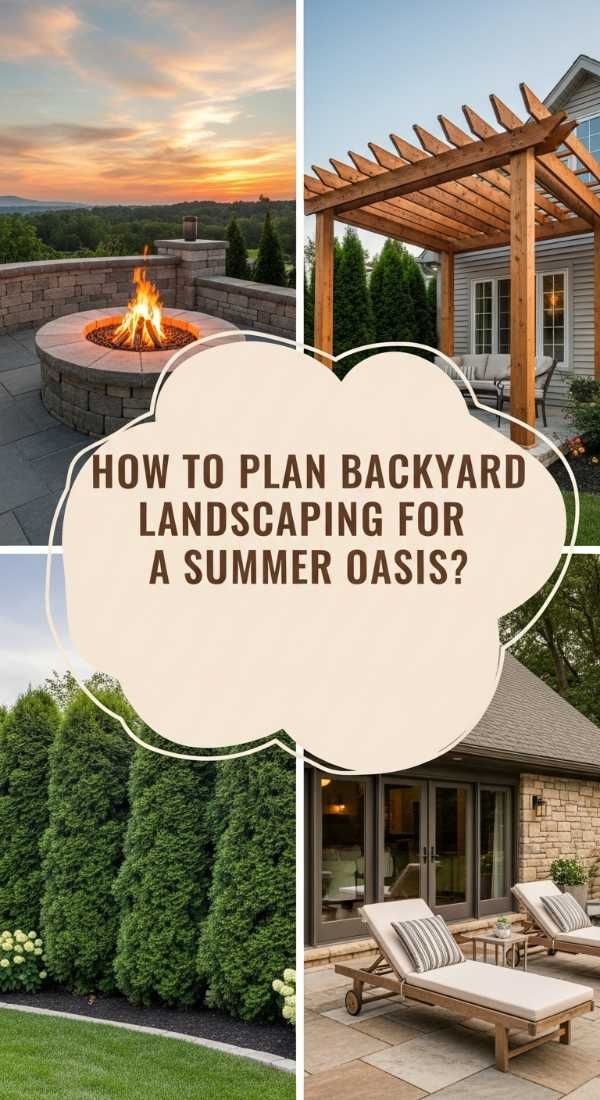
How to Plan Backyard Landscaping Designs for Your Relaxing Summer Oasis
Why we love this
Imagine stepping outside into a space that feels like a five-star resort, where the air is cool under the shade of a pergola and the sound of trickling water melts your stress away. This backyard oasis is all about creating ‘rooms’ outdoors that invite you to linger with a cold drink and a good book. The aroma of night-blooming jasmine and the tactile softness of outdoor rugs and cushions turn a simple yard into a luxurious escape. We love how this design focuses on privacy and comfort, making your backyard the favorite destination for family gatherings and quiet morning coffees.
Essential Elements:
- A comfortable seating area or outdoor lounge
- Privacy screening (fencing, tall hedges, or lattice)
- A water feature or small fountain
- Outdoor lighting (string lights or path lamps)
- Shade structures like pergolas or umbrellas
How to make it
- Identify the primary function of your oasis, whether it’s dining, lounging, or playing, and zone the backyard accordingly using hardscaping or plant borders.
- Install a level base for your furniture, such as a stone patio or a wooden deck, ensuring the drainage slopes away from your home’s foundation.
- Plant a ‘privacy wall’ using fast-growing evergreens like Arborvitae or install decorative cedar lattice panels to block out the neighbors’ views and create intimacy.
- Add a water feature, even a simple plug-and-play fountain, near the seating area to provide ambient white noise that masks street sounds.
- Layer in lighting by hanging Edison-style string lights overhead and placing solar-powered spotlights at the base of trees to create a warm, magical glow after sunset.
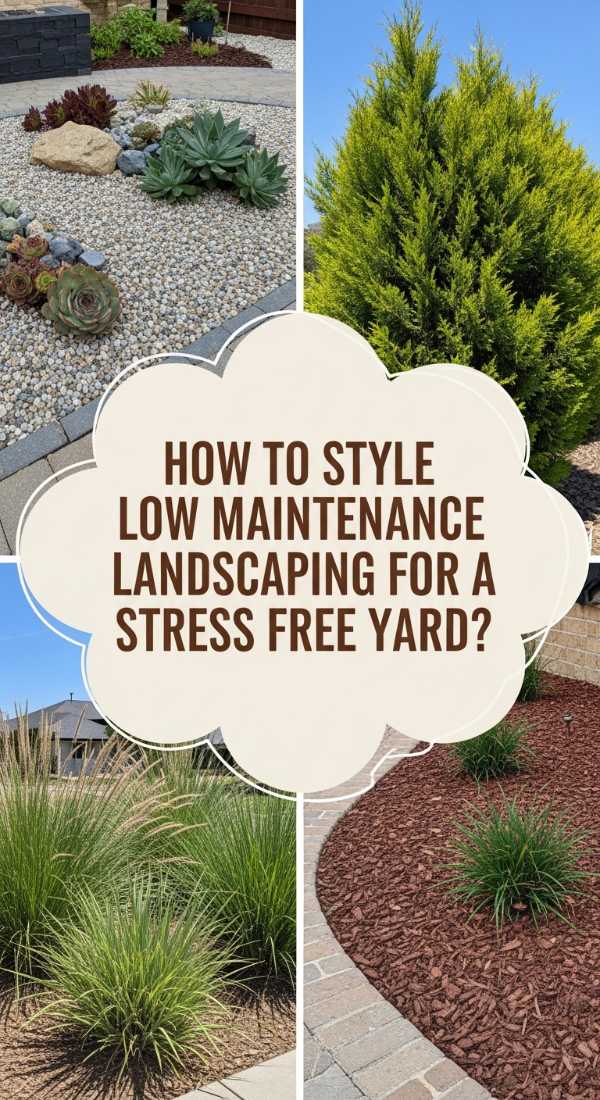
How to Style Low Maintenance Landscaping for a Stress Free Front Yard
Why we love this
Low maintenance doesn’t mean low beauty; in fact, there is an understated elegance in a garden that thrives with minimal intervention. We love this style because it prioritizes hardy, native plants that look stunning year-round without requiring constant pruning or watering. Think of the earthy aroma of cedar mulch and the rugged beauty of succulents and ornamental grasses that sway gracefully in the wind. This design allows you to spend your weekends enjoying your yard rather than working in it, offering a clean, modern aesthetic that remains consistently polished.
Essential Elements:
- Native plant species (adapted to your climate)
- Drought-tolerant perennials (Sedum, Coneflower)
- Slow-growing evergreen shrubs
- Weed-suppressant landscape fabric
- Rock mulch or river stones
How to make it
- Select native plants that are indigenous to your region, as they have evolved to survive your local weather patterns and soil types with minimal care.
- Group plants with similar water needs together—a technique called hydro-zoning—so you aren’t wasting water on plants that don’t need it.
- Lay down a heavy-duty landscape fabric over the cleared soil to act as a permanent barrier against stubborn weeds.
- Cut ‘X’ shapes into the fabric where you want to plant, dig your holes, and install your selected low-care shrubs and perennials.
- Cover the entire area with a thick layer of river rock or lava rock, which won’t decompose like wood mulch and provides a modern, clean texture.
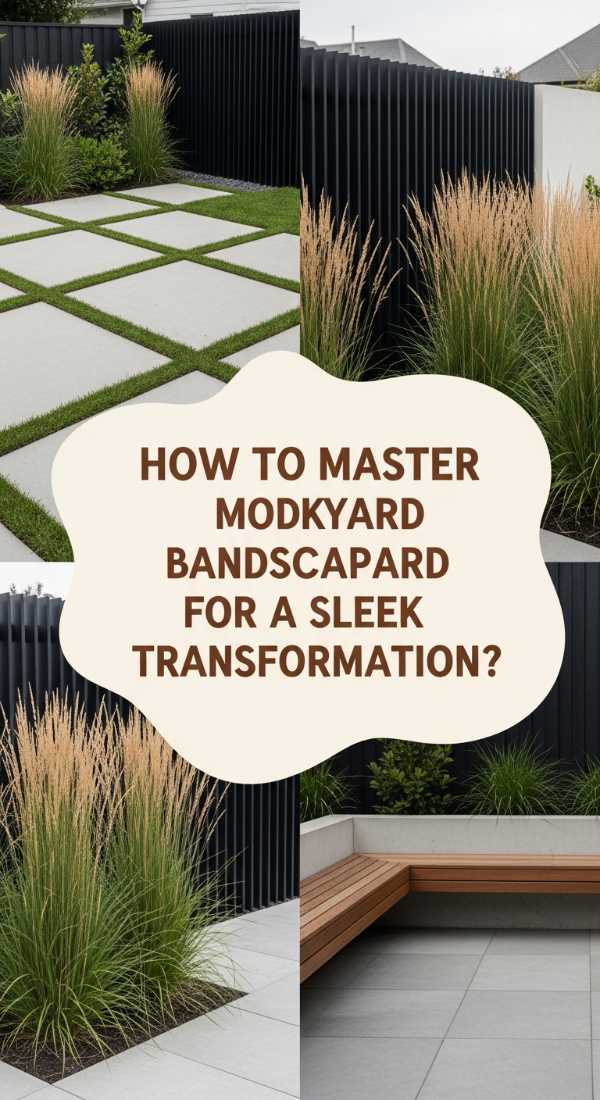
How to Master Modern Backyard Landscaping for a Sleek Home Transformation
Why we love this
Modern landscaping is the ultimate expression of ‘less is more,’ focusing on clean lines, geometric shapes, and a limited but striking color palette. We love the crisp contrast between dark slate pavers and bright green architectural plants like horsetail reed or architectural grasses. It creates a sophisticated, gallery-like atmosphere where every plant feels like a piece of art. The feeling is one of calm and order, providing a minimalist backdrop that allows the architecture of your home to truly shine while offering a chic space for evening entertaining.
Essential Elements:
- Rectilinear pavers or concrete slabs
- Minimalist plant palette (mostly greens and whites)
- Built-in planters or Corten steel edging
- Sleek, modern fire pit
- Black or charcoal gravel infill
How to make it
- Create a grid-based layout for your backyard, using large-format rectangular pavers with uniform gaps between them for a structured, architectural feel.
- Fill the gaps between the pavers with dark Mexican beach pebbles or light grey pea gravel to create high-contrast visual interest.
- Choose plants with strong silhouettes, such as Boxwood globes or upright ornamental grasses, and plant them in repeating patterns or straight rows.
- Use Corten steel (weathering steel) for your garden edging or raised beds to introduce an industrial, warm-toned element that patinas beautifully over time.
- Install a linear fire feature as a focal point, ensuring it aligns perfectly with the main sightlines from your back door for a professional finish.
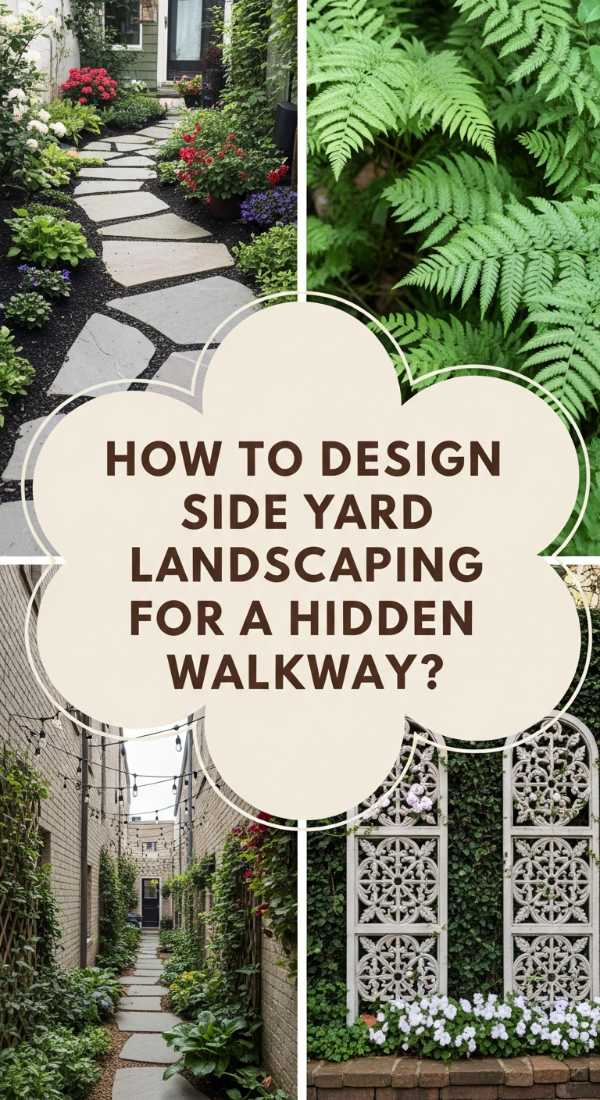
How to Design Side Yard Landscaping for a Beautiful Hidden Walkway
Why we love this
Often neglected, the side yard has the potential to become a secret garden walkway that feels like a hidden discovery. We love how this design transforms a narrow, utilitarian space into a sensory journey filled with the scent of creeping thyme and the visual charm of stepping stones nestled in moss. It’s a transition zone that feels intentional and magical, turning a simple path from front to back into an experience that delights anyone who wanders through. It adds unexpected value and beauty to the most overlooked part of your property.
Essential Elements:
- Flagstone or stepping stones
- Shade-tolerant groundcovers (Moss, Sweet Woodruff)
- Narrow, upright plants (Sky Pencil Holly)
- Decorative wall trellis or vertical gardening
- Hidden path lighting
How to make it
- Clear out any debris and level the ground, ensuring there is a slight pitch for drainage away from the house walls.
- Lay down large, flat flagstones to create a comfortable walking path, spacing them about 18 inches apart from center to center.
- Plant a low-growing, walkable groundcover like Creeping Thyme or Irish Moss in the spaces between the stones to soften the look and release aroma when stepped on.
- Incorporate vertical elements like a wooden trellis against the house wall or the fence to grow climbing hydrangeas or ivy, making the narrow space feel lush.
- Install low-voltage ‘mushroom’ lights along the path to illuminate the walkway safely at night without creating glare.
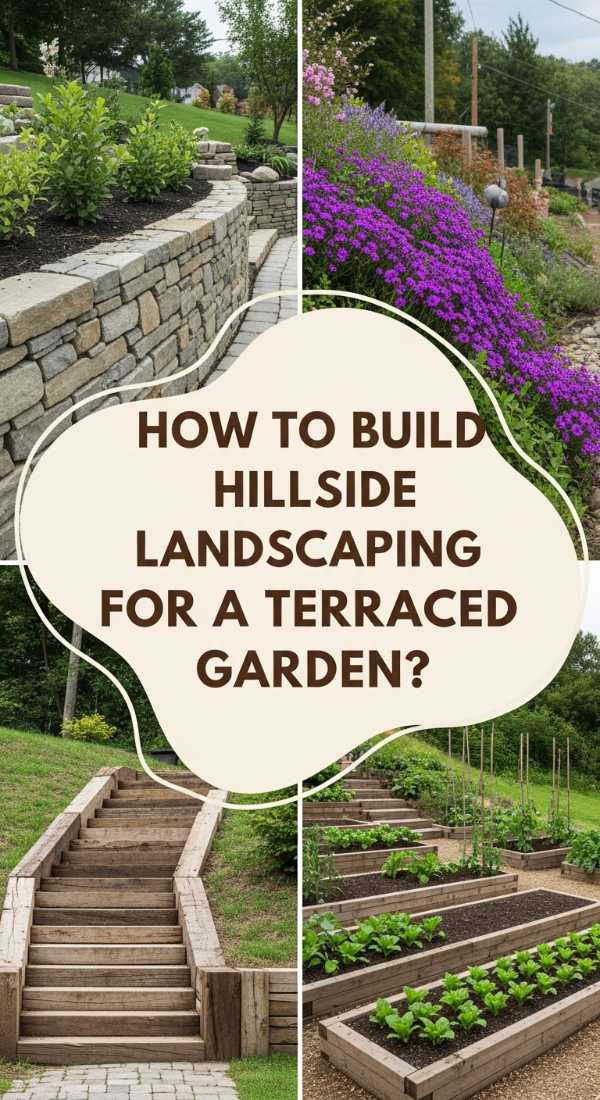
How to Build Hillside Landscaping for a Breathtaking Terraced Garden
Why we love this
Hillside landscaping is a masterclass in turning a challenge into a triumph, creating a cascading waterfall of plants that adds incredible dimension to your home. We love the way stone terraces create flat ‘planting pockets’ that overflow with trailing flowers and verdant textures. It’s like having a private botanical garden built into the earth, where the aroma of damp soil and blooming flora rises up to meet you. The visual impact of height and depth makes your property look twice as large and infinitely more expensive, offering a breathtaking view from every angle.
Essential Elements:
- Retaining wall blocks or natural boulders
- Drainage pipes and gravel backfill
- Creeping plants for ‘spilling’ over edges
- Sturdy steps built into the slope
- Deep-rooted plants for erosion control
How to make it
- Start at the bottom of the hill and dig a trench for your first retaining wall, ensuring the base is perfectly level and filled with crushed stone for stability.
- Stack your wall units or boulders, backfilling with gravel and a perforated drainage pipe to prevent water pressure from collapsing the wall.
- Create multiple levels (terraces) rather than one giant wall; this is structurally safer and allows for more varied planting areas.
- Fill each terrace with high-quality topsoil and plant a mix of sturdy shrubs and ‘spiller’ perennials like creeping phlox that will drape over the stone.
- Install a set of timber or stone steps that wind up through the terraces to allow for easy maintenance and a beautiful way to traverse the slope.
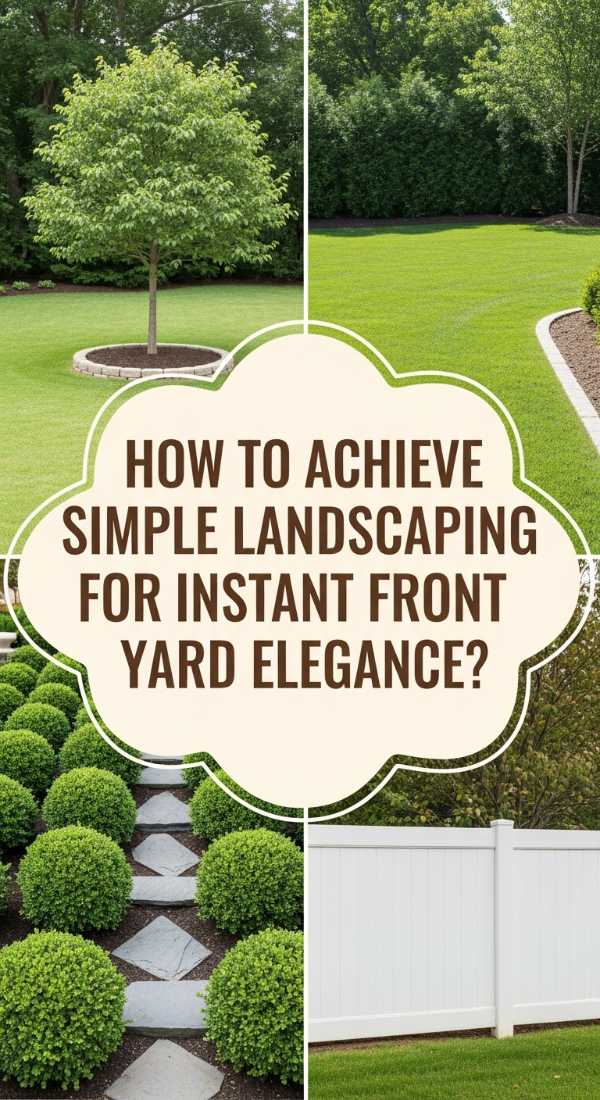
How to Achieve Simple Landscaping for Instant Front Yard Elegance
Why we love this
Sometimes the most elegant solutions are the simplest ones, focusing on a few high-impact elements that instantly elevate your home’s aesthetic. We love this approach because it’s clean, organized, and provides immediate gratification without a massive price tag. The sight of a perfectly edged lawn against a crisp bed of dark mulch is deeply satisfying, and the subtle scent of freshly cut grass combined with a few fragrant flowers creates a classic, welcoming vibe. It’s about doing the basics perfectly to create an overall impression of refined, effortless beauty.
Essential Elements:
- Crisp, mechanical lawn edges
- A uniform mulch color (black or dark brown)
- Symmetrical plantings near the entrance
- Healthy, green lawn
- A few high-quality outdoor planters
How to make it
- Focus first on the lawn; fertilize, overseed, and use a manual or power edger to create a sharp, distinct line between the grass and the garden beds.
- Remove any struggling plants or overgrown weeds to create a ‘blank canvas’ that feels airy and light.
- Place two identical, large-scale planters on either side of your front door or at the base of your porch steps for instant symmetry and grandeur.
- Fill the planters with a mix of a tall ‘thriller’ plant, a bushy ‘filler,’ and a trailing ‘spiller’ for a professional container garden look.
- Refresh the mulch in all beds with a consistent color and texture, which acts like a fresh coat of paint for your entire yard.
How to Install Landscaping Against Your House for a Polished Foundation Look
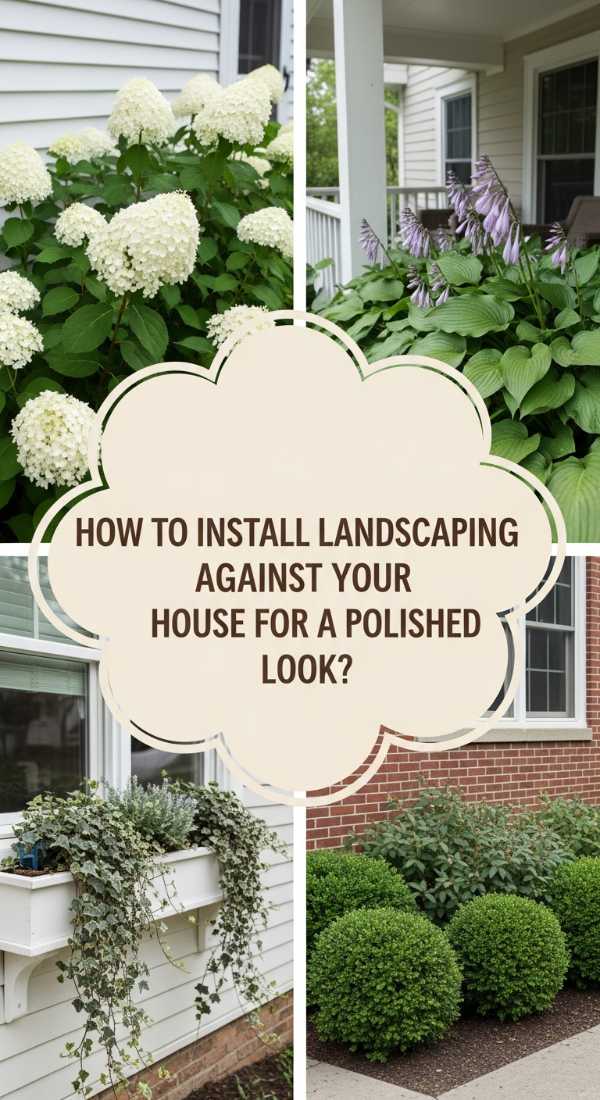
Why we love this
Foundation landscaping is the finishing touch that bridges the gap between your home’s architecture and the natural world. We love how it softens the hard lines of a foundation, using a mix of evergreen textures and delicate blooms to make the house look like it has grown organically out of the landscape. The cool shade provided by shrubs near the walls and the pleasant visual of green leaves against brick or siding create a sense of permanence and ‘home.’ It’s the secret to making a new build look established and a classic home look rejuvenated.
Essential Elements:
- Evergreen shrubs for year-round coverage
- Plants of varying heights (shortest in front)
- Proper spacing from the house wall
- Moisture-tolerant plants near downspouts
- Root barriers if planting near the foundation
How to make it
- Ensure your garden beds slope away from the house to protect your foundation from water accumulation.
- Space your plants at least 2 to 3 feet away from the siding to allow for airflow and future growth without damaging the house or the plant.
- Use ‘anchor’ plants—usually larger evergreens—at the corners of the house to soften the vertical edges and make the building appear wider and more grounded.
- Layer smaller shrubs and perennials in front of the anchors, choosing varieties that won’t grow so tall that they block your windows.
- Incorporate a mix of textures, such as the glossy leaves of holly against the soft needles of a dwarf pine, to keep the foundation look interesting even when nothing is in bloom.
How to Curate Front of Home Landscaping Ideas for a Welcoming Entryway
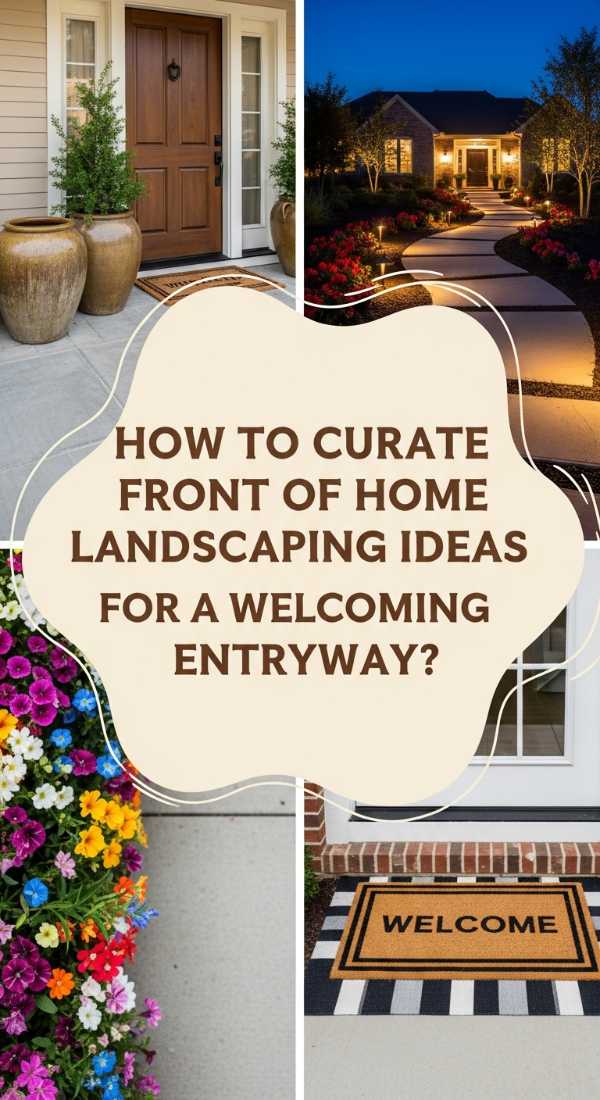
Why we love this
The entryway is the focal point of your home’s story, and curating this space is all about the ‘welcome factor.’ We love this design because it uses light and color to guide guests toward the door, creating an inviting path that feels safe and cheerful. The aroma of seasonal blooms and the warm glow of well-placed lanterns make your home feel alive and cared for. It’s the difference between a house people just walk past and a home where guests feel a sense of excitement and hospitality before they even knock.
Essential Elements:
- A clear, wide walkway
- Colorful seasonal flowers
- Effective entryway lighting
- Decorative door hardware or a pop of color
- A comfortable bench or welcoming decor
How to make it
- Clear any overhanging branches or overgrown shrubs that might crowd the walkway or obscure the front door from the street.
- Upgrade your walkway if it’s cracked or narrow; aim for a width of 4 to 5 feet so two people can walk side-by-side comfortably.
- Install high-quality lighting, such as sconces on either side of the door and path lights that lead the way, using ‘warm white’ bulbs for a cozy feel.
- Use a large, colorful rug and a seasonal wreath to pull the colors from your garden up onto the porch itself.
- Add a ‘scent trail’ by planting fragrant flowers like jasmine, roses, or gardenias near the entry so guests are greeted by a beautiful aroma.
How to Develop Front Yard Landscaping for Year Round Seasonal Color
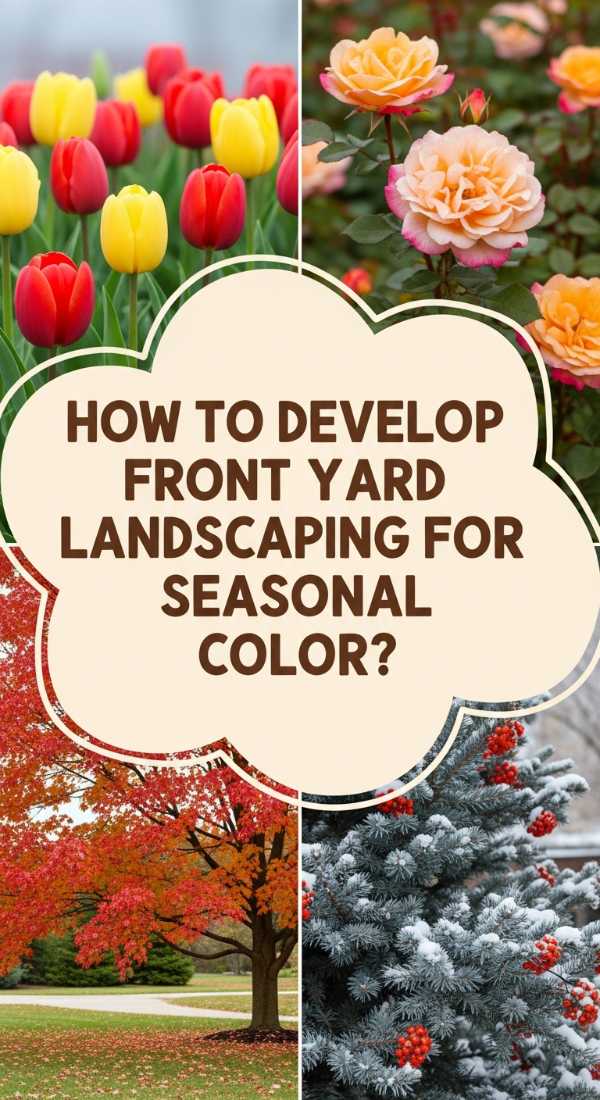
Why we love this
There is nothing more impressive than a yard that looks intentional and vibrant no matter the season. We love the ‘four-season garden’ because it offers a shifting landscape of beauty—from the bright tulips of spring and the lush hydrangeas of summer to the fiery maples of fall and the red berries of winter holly. It provides a constant source of joy and interest, ensuring your home never looks dormant or drab. The feeling of watching your yard evolve through the months is deeply rewarding and keeps your curb appeal at its peak 365 days a year.
Essential Elements:
- Spring bulbs (Tulips, Daffodils)
- Summer-blooming perennials (Daylilies, Echinacea)
- Autumn-foliage shrubs (Burning Bush, Oakleaf Hydrangea)
- Winter-interest plants (Red Twig Dogwood, Evergreens)
- Ornamental grasses for winter texture
How to make it
- Create a calendar of ‘bloom times’ and select plants so that as one variety finishes its show, another is just beginning to blossom.
- Intersperse spring bulbs among your perennials; when the bulbs fade, the growing perennials will naturally hide the dying foliage.
- Choose ‘multi-season’ plants, like the Oakleaf Hydrangea, which offers summer flowers, stunning fall leaf color, and interesting peeling bark in the winter.
- Incorporate ornamental grasses that stay upright in the snow, providing movement and texture during the coldest months.
- Add evergreens with different hues—blues, golds, and deep greens—to ensure that even in the middle of winter, your yard is filled with life and structure.
Conclusion
Transforming your home’s exterior into a landscape that sparks envy and provides a personal sanctuary is a journey of patience and creativity. By focusing on layered textures, sensory details, and intentional design for every corner of your property, you’ve now got the secrets to create a space that truly shines. Remember, the best gardens aren’t built in a day—they grow alongside you. Happy gardening!