
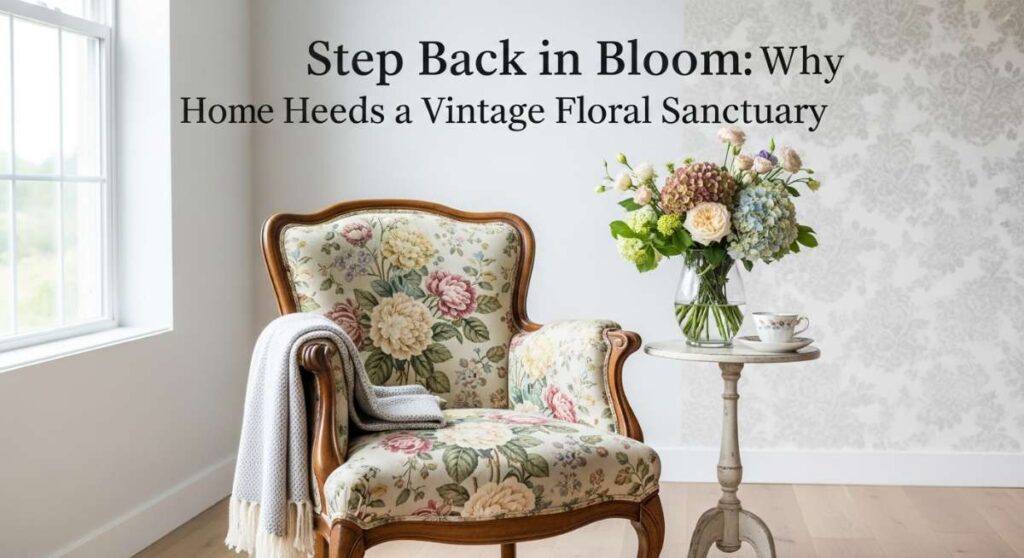
Step Back in Bloom: Why Every Home Needs a Vintage Floral Sanctuary
Have you ever walked into a room and felt like you were being hugged by history? There is a specific kind of magic found in the soft, weathered patterns of a vintage floral sanctuary—a feeling that the world has slowed down just enough for you to catch your breath. In our fast-paced, digital-heavy lives, our bedrooms should be more than just a place to sleep; they should be a soulful retreat that mirrors the timeless beauty of a sun-drenched heirloom garden.
Creating this sanctuary isn’t just about buying a new duvet cover; it’s about storytelling through textiles. It’s the scent of dried lavender on a nightstand, the weight of a thick cotton quilt, and the sight of delicate petals frozen in time against a backdrop of cream or sage. When we embrace vintage florals, we aren’t just decorating; we are reclaiming a sense of romance and tranquility that often feels lost in modern design. Let’s explore how to weave this botanical tapestry into your own home.
How to Curate Vintage Floral Bedding for Timeless Bedroom Elegance

Why we love this
Curating the perfect vintage floral bedding is like assembling a bouquet that never fades. We love this approach because it prioritizes tactile nostalgia, combining the crispness of high-quality cotton with the visual softness of hand-painted botanical illustrations. When you run your hand across a well-chosen floral print, you can almost feel the gentle breeze of a Victorian meadow. The elegance comes from the balance of muted tones—think dusty roses, faded ochre, and sage greens—that create a sophisticated palette rather than a chaotic one, ensuring your room feels like a curated gallery of comfort.
Essential Elements:
- Long-staple cotton or linen floral duvet cover.
- Neutral-toned base sheets (cream, ivory, or sand).
- Pillow shams with micro-floral prints.
- A textured coverlet in a solid coordinating color.
- Vintage-inspired brass bed frame or carved wood headboard.
How to make it
- Begin by selecting a high-quality cotton percale base sheet in a warm cream. The matte finish of percale provides that authentic vintage ‘crisp’ feel that sateen lacks.
- Lay your primary floral duvet. If the pattern is large-scale (like oversized peonies), ensure the background color of the fabric matches your base sheets to create a seamless visual flow.
- Invert the top of the duvet about 12 inches to reveal the underside, creating a layered look. If the duvet is reversible with a smaller pattern on the back, this adds immediate designer depth.
- Place two large European shams against the headboard in a solid, muted tone pulled from the floral print (e.g., a dusty sage).
- Layer two standard pillows in the primary floral print directly in front of the Euro shams.
- Finish by smoothing the fabric with your hands to remove tension, allowing the natural drape of the cotton to give that lived-in, effortless elegance.
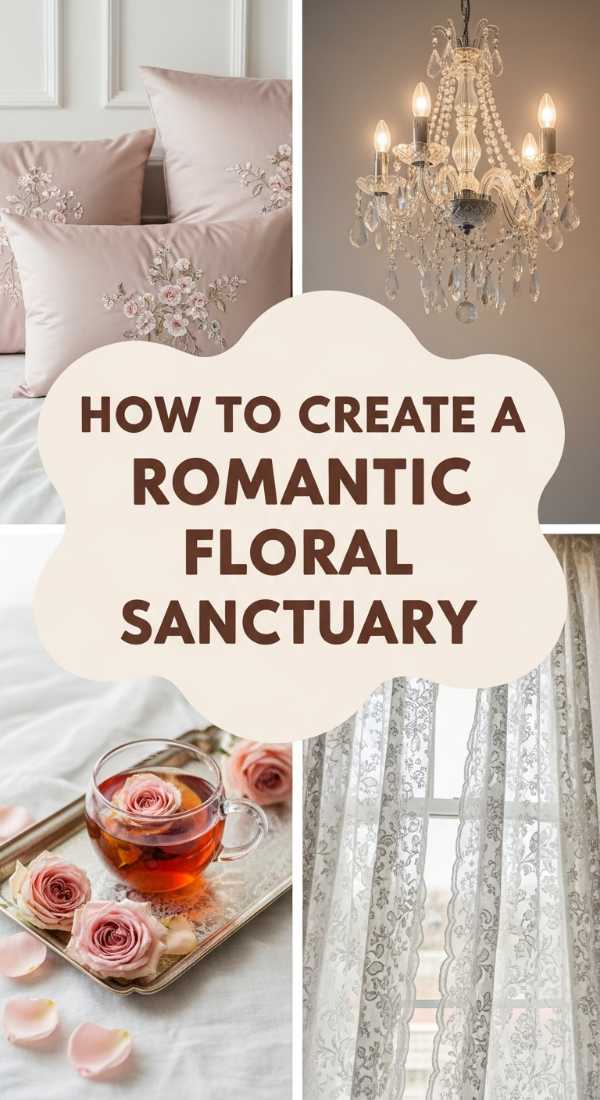
How to Layer Floral Bedroom Aesthetic for a Soft Romantic Sanctuary
Why we love this
Layering is the secret sauce to that ‘cloud-like’ bed you see in high-end lifestyle magazines. We adore this technique because it creates a sensory experience involving weight, warmth, and visual rhythm. By mixing different scales of floral prints with varying textures like knit wool and quilted cotton, you create a nest that feels infinitely cozy. It’s about the interplay of light and shadow within the folds of the fabric, making the bed look inviting from every angle. This approach transforms a flat sleeping surface into a romantic sanctuary where every layer tells a story of comfort.
Essential Elements:
- Main floral quilt or duvet.
- Medium-weight knit throw blanket.
- Ruffled bed skirt in a complementary solid color.
- Assorted decorative pillows in lace, velvet, and floral prints.
- Lightweight voile curtains to soften the room’s light.
How to make it
- Start with a ruffled bed skirt to ground the bed and hide the frame, providing a soft architectural base. Ensure the ruffles are ‘broken’ or steamed so they hang naturally.
- Apply your floral duvet as the mid-layer, pulling it all the way to the top of the mattress.
- Fold a secondary floral quilt (with a contrasting scale of print) in thirds and place it at the foot of the bed. This ‘double floral’ technique works if one print is ‘ditsy’ (small) and one is ‘statement’ (large).
- Drape a chunky knit throw diagonally across one corner of the foot of the bed. This introduces a non-floral texture that makes the floral patterns ‘pop.’
- Stack pillows from largest to smallest: start with Euro shams, move to standard florals, and finish with a small velvet lumbar pillow in a deep rose or forest green.
- Adjust the lighting to a warm, low Kelvin (around 2700K) to highlight the texture of the layers without washing out the delicate floral colors.
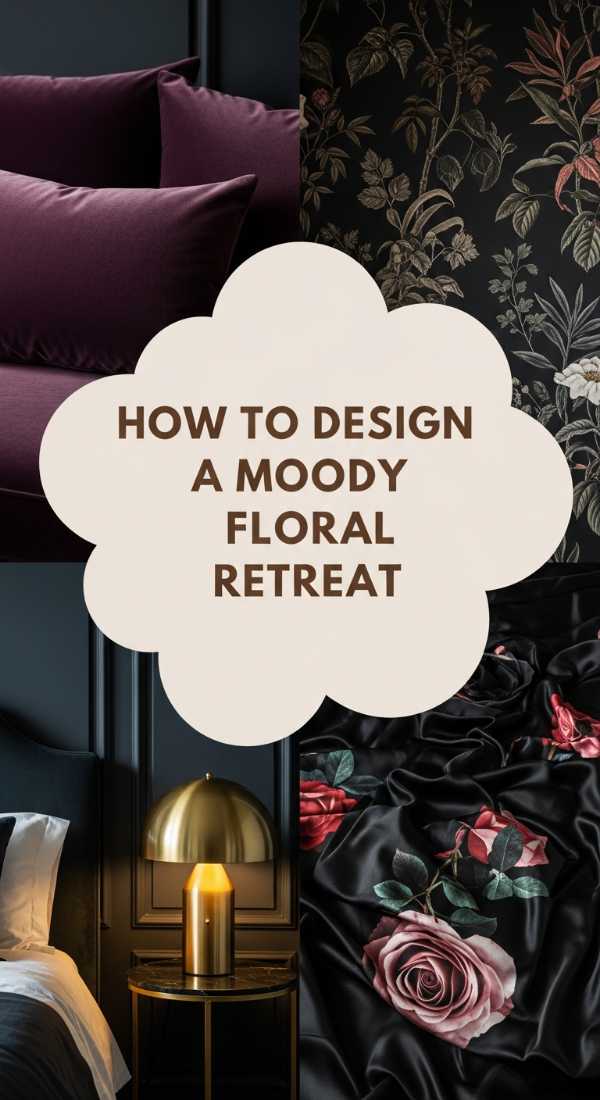
How to Style Moody Floral Bedding for a Luxurious Nocturnal Retreat
Why we love this
Moody florals are for the bold dreamers who want their bedroom to feel like a hidden midnight garden. We love this style because it flips the traditional ‘bright and airy’ floral trope on its head, using deep charcoals, midnight blues, and hunter greens as a canvas for vibrant jewel-toned blooms. This creates a dramatic, cocoon-like atmosphere that is perfect for deep sleep and evening relaxation. The contrast between a dark background and a bright floral petal creates a three-dimensional effect that feels incredibly luxurious and grounding, turning your bed into a sophisticated focal point.
Essential Elements:
- Dark-ground floral duvet (black, navy, or deep plum).
- Velvet pillow covers in jewel tones (emerald, burgundy).
- Dark wood or metallic bedside tables.
- Atmospheric lighting (sconces or dimmable lamps).
- Heavy, light-blocking drapes in a coordinating dark shade.
How to make it
- Select a duvet featuring a ‘Dutch Masters’ style floral print—these typically have dark, moody backgrounds with hyper-realistic flowers.
- Pair the duvet with dark-toned sheets (charcoal or deep forest green) to maintain the ‘nocturnal’ theme and prevent the mattress edge from looking too bright.
- Introduce velvet textures through pillow shams. The sheen of velvet catches the light differently than the cotton duvet, adding a layer of opulence.
- Position a low-profile lamp with a black or brass shade next to the bed. The goal is to cast light downwards onto the floral pattern, emphasizing the deep colors.
- Add a faux fur or heavy velvet throw at the base of the bed in a dark monochromatic shade to add physical weight and warmth.
- Keep the rest of the room’s decor minimal; let the moody bed be the ‘art piece’ that anchors the space.
How to Achieve Cottagecore Floral Bedroom Style for Rural Bliss

Why we love this
The Cottagecore aesthetic is all about bringing the charm of a countryside cottage into your modern home, regardless of your zip code. We love this style because it celebrates imperfection and ‘slow living.’ It’s the visual equivalent of a fresh loaf of bread or a hand-picked bouquet of wildflowers. By using mismatched floral patterns, natural wood accents, and sun-bleached colors, you create a space that feels lived-in, safe, and authentically yours. It’s a nostalgic nod to a simpler time, providing a peaceful escape from the digital noise of the outside world.
Essential Elements:
- Ditsy floral prints (tiny, repeating flower patterns).
- Woven wicker or rattan furniture pieces.
- Handmade or vintage patchwork quilts.
- Dried flower arrangements in ceramic vases.
- Natural linen textures and lace trimmings.
How to make it
- Choose a ‘ditsy’ floral print for your primary sheets or duvet. Small-scale patterns are the hallmark of the Cottagecore look as they mimic traditional wallpaper.
- Layer a vintage patchwork quilt over the bed. It doesn’t have to match perfectly; the goal is a ‘collected over time’ aesthetic. Ensure the quilt has visible stitching for that handmade feel.
- Use a wooden or wicker headboard to introduce natural, earthy textures that ground the floral fabrics.
- Tuck the bedding in loosely. Cottagecore should look slightly undone and inviting, not stiff or overly formal.
- Incorporate ‘natural’ styling: place a sprig of dried lavender on the pillow or a small woven basket of books next to the bed.
- Ensure the window treatments are light and breezy, like simple linen tie-top curtains, to allow the morning sun to filter through softly.
How to Blend Modern Accents with Vintage Floral Bedding for a Chic Oasis

Why we love this
Blending the old with the new is the ultimate way to keep vintage florals from feeling ‘dated’ or like your grandmother’s guest room. We love this approach because it creates a ‘Chic Oasis’ that feels fresh, relevant, and sophisticated. By pairing soft, romantic botanical prints with sharp, modern lines—like a sleek black metal bed frame or a mid-century modern nightstand—you create a dynamic tension that is visually exciting. It’s about balance: the florals provide the soul and softness, while the modern accents provide the structure and clarity, resulting in a perfectly poised bedroom.
Essential Elements:
- Classic floral duvet with a clean, white background.
- Sleek, minimalist bed frame (metal or low-profile platform).
- Modern geometric lighting fixtures.
- Solid-colored, high-thread-count accent pillows.
- Minimalist art with botanical themes.
How to make it
- Choose a floral pattern that has plenty of ‘negative space’ (white or light background) to keep the look airy and modern.
- Set this against a minimalist bed frame. Black iron or slim-line oak works best to provide a stark, clean contrast to the organic flower shapes.
- Instead of ruffles, use a ‘hospital corner’ tuck for your top sheets and duvet to create sharp, clean edges that lean into the modern aesthetic.
- Select accent pillows in solid, bold colors found in the floral print (like a bright coral or deep teal) in smooth fabrics like silk or high-end cotton.
- Replace traditional bedside lamps with modern, cantilevered wall sconces or glass orb pendants to lift the visual weight from the bedside tables.
- Style the room with one or two large statement plants (like a Fiddle Leaf Fig) to bridge the gap between the floral fabric and the modern architecture.
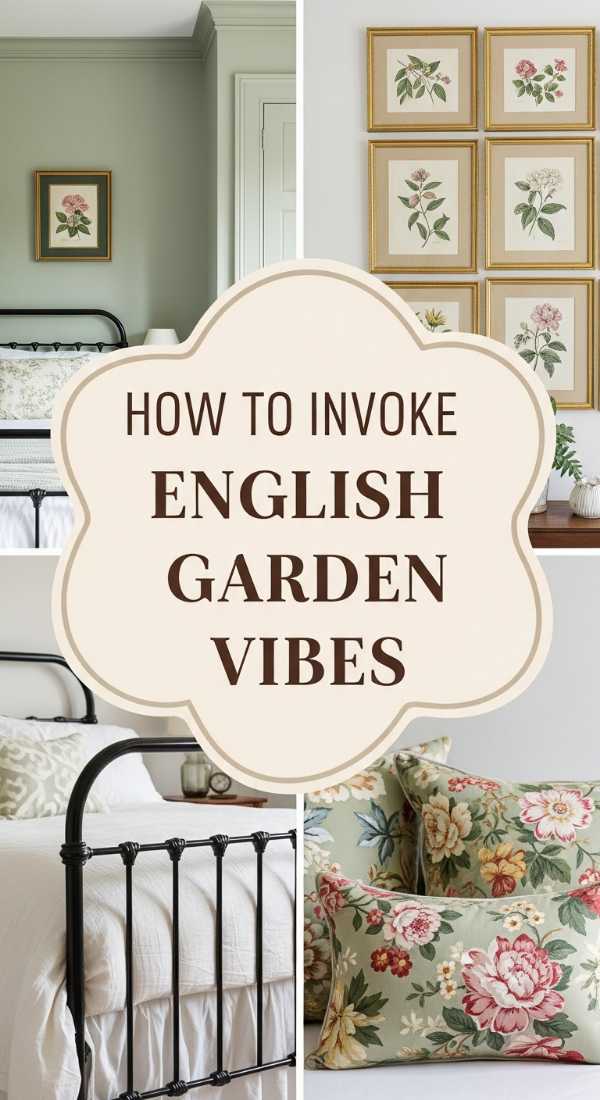
How to Bring English Garden Florals Inside for Fresh Morning Energy
Why we love this
There is nothing quite like the crisp, revitalizing energy of an English Garden at dawn. We love this style because it uses ‘Chintz’ and classic rose patterns to inject a room with vitality and cheer. The color palette usually features vibrant greens, sky blues, and rosy pinks, which help to brighten the space even on cloudy days. This aesthetic feels like a permanent springtime, waking you up with a sense of optimism and freshness. It’s a sophisticated take on florals that feels both regal and immensely comfortable, like a high-end bed and breakfast in the Cotswolds.
Essential Elements:
- Classic English Chintz floral duvet (usually featuring roses or hydrangeas).
- Striped or gingham secondary accents (pillows or throws).
- Traditional porcelain or ceramic lamps.
- Fresh or high-quality silk flower arrangements.
- Scalloped edges on linens or pillowcases.
How to make it
- Select a duvet with a classic rose or ivy pattern on a crisp white or pale blue background. This is the ‘anchor’ of the English Garden look.
- Contrast the organic floral shapes with a geometric print. A blue-and-white gingham pillow or a thin striped throw adds that classic ‘English Manor’ touch.
- Ensure your pillows are plump and overstuffed; this style favors a look of abundance and luxury.
- Incorporate a ‘scalloped’ element—either on the edge of the pillowcases or the top sheet—to add a delicate, feminine architectural detail.
- Place a traditional ceramic lamp with a pleated fabric shade on the nightstand to reinforce the classic garden aesthetic.
- To complete the ‘fresh morning’ vibe, use a linen spray with a light scent of rosewater or cut grass.
How to Pair Delicate Lace with Floral Bedding for Antique Charm
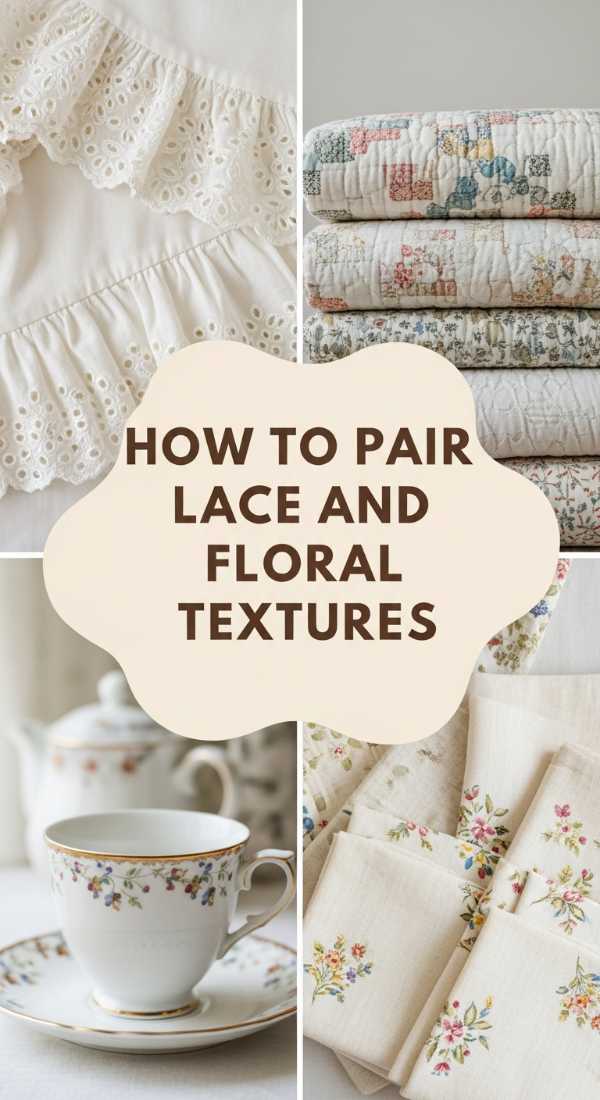
Why we love this
Lace and florals are a match made in design heaven, evoking the quiet elegance of a bygone era. We love this combination because it adds a layer of intricate detail and ‘antique charm’ that feels incredibly precious and delicate. Lace introduces a sheer, airy texture that breaks up the solid patterns of the florals, allowing the bedding to breathe. It’s a celebration of craftsmanship and femininity, turning a standard bedroom into a romantic heirloom space. The way light filters through lace trim onto a floral pattern creates beautiful, subtle shadows that enhance the room’s depth.
Essential Elements:
- Floral duvet or quilt with a muted, vintage finish.
- Lace-trimmed flat sheets and pillowcases.
- Sheer lace overlays or table runners for nightstands.
- Crocheted or lace decorative cushions.
- Antique-style silver or pewter accessories.
How to make it
- Start with a high-quality floral duvet in ‘faded’ tones like mauve or antique gold. The fabric should look slightly matte to complement the lace.
- Use a top sheet that features a wide lace trim (at least 3-4 inches) along the top edge. When you fold the duvet back, ensure this lace is prominently displayed.
- Layer a lace-covered decorative pillow in the center of the bed arrangement. A round or heart-shaped pillow adds to the antique charm.
- If you have a footboard, drape a vintage lace runner over it to soften the wood or metal.
- Avoid ‘modern’ bright whites; choose ‘ecru’ or ‘clobbered’ lace colors to ensure the lace looks like a genuine antique rather than a cheap reproduction.
- Keep the surrounding walls in a warm, neutral plaster or ‘chalky’ paint finish to allow the textures of the lace and floral to be the stars.
How to Master Floral Bedroom Patterns for a Bold Artistic Statement
Why we love this
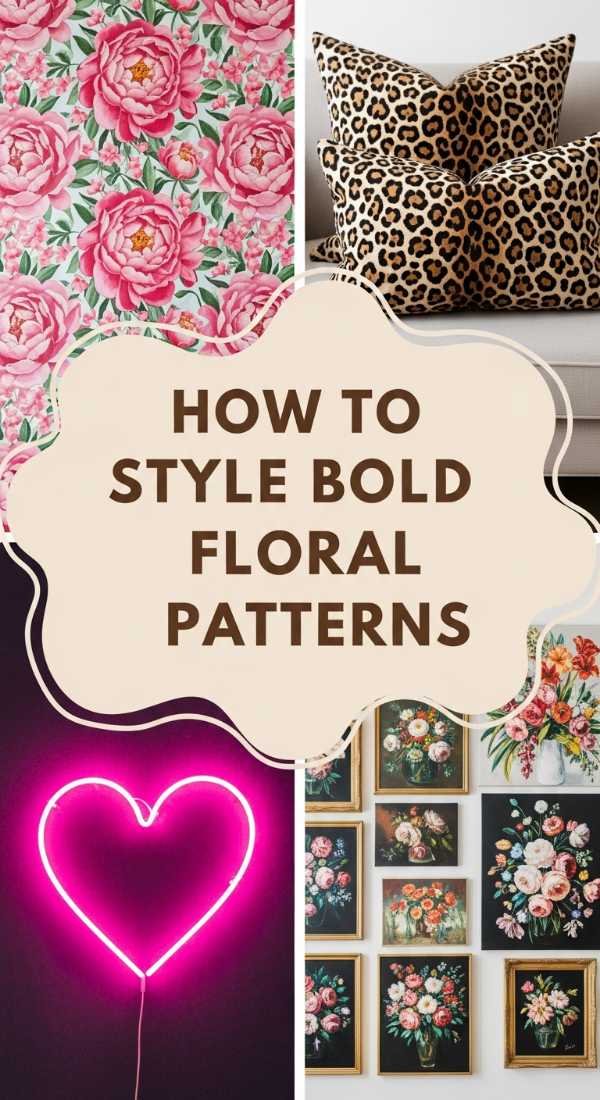
For those who view their home as a canvas, mastering the art of floral pattern mixing is the ultimate creative expression. We love this because it defies the ‘rules’ of traditional decorating, allowing for a bold, maximalist statement that is full of personality. By combining different floral scales—from giant tropical blooms to tiny wildflower sprigs—you create a visual energy that is vibrant and artistic. It’s a way to surround yourself with color and life, ensuring that your bedroom is never boring and always reflects a curated, collector’s spirit.
Essential Elements:
- Multiple floral prints in a shared color family.
- Bold, contrasting wallpaper (floral or geometric).
- Eclectic mix of textures (velvet, silk, linen).
- Large-scale floral artwork or murals.
- Vibrant area rug that grounds the various patterns.
How to make it
- Choose a ‘key’ color that will appear in every pattern you select (e.g., a specific shade of ochre or dusty blue). This is the ‘thread’ that prevents the room from looking chaotic.
- Select your ‘Large Scale’ pattern for the duvet (e.g., 6-inch diameter peonies).
- Select your ‘Medium Scale’ pattern for the European shams (e.g., 2-inch wide lilies).
- Select your ‘Small Scale’ pattern for the accent pillows or sheets (e.g., 0.5-inch ditsy blossoms).
- Incorporate a solid-colored throw blanket in your ‘key’ color to provide a visual ‘landing spot’ for the eye amidst the patterns.
- Check the balance from the doorway: if one side of the bed looks ‘busier,’ swap a patterned pillow for a solid one until the visual weight feels even across the mattress.
How to Integrate Subtle Floral Textures for a Calming Minimalist Bedroom
Why we love this
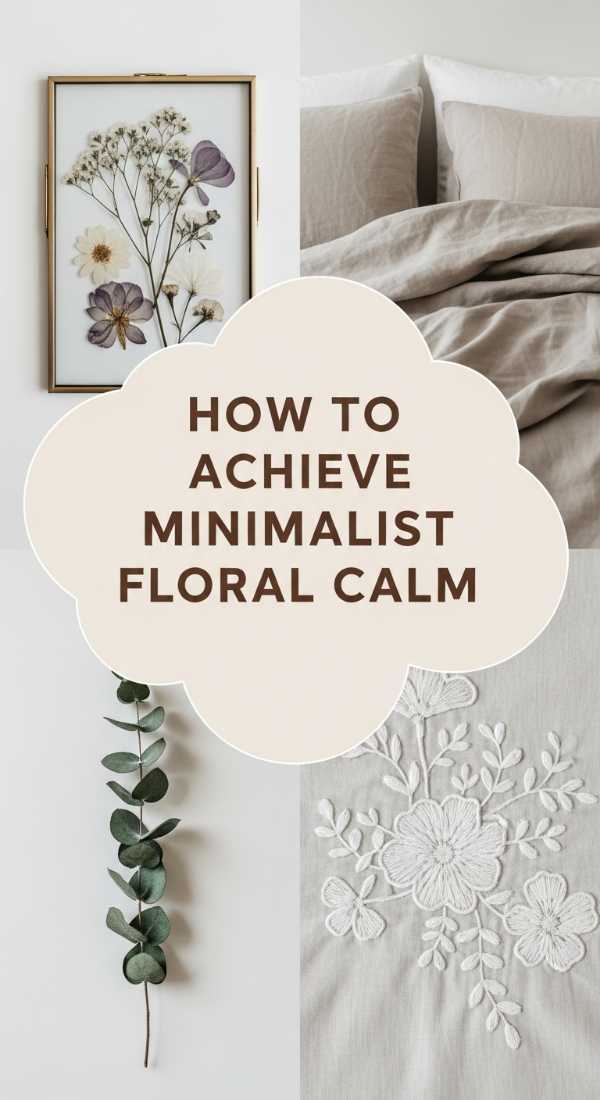
Minimalism doesn’t have to mean ‘plain.’ We love integrating subtle floral textures because it offers a sophisticated, calming alternative to loud prints. This style relies on ‘jacquard’ weaves, tone-on-tone embroidery, and embossed fabrics where the floral pattern is felt as much as it is seen. It creates a serene, Zen-like environment that feels incredibly high-end and thoughtful. It’s perfect for those who want the romance of botanicals without the visual clutter, providing a tactile sanctuary that encourages rest and reflection through understated beauty.
Essential Elements:
- White or cream floral jacquard duvet (pattern is woven into the fabric).
- Embroidered pillowcases with delicate vine or leaf motifs.
- Monochromatic color palette (all whites, all beiges, or all soft greys).
- Natural wood and stone accents.
- Soft, indirect lighting.
How to make it
- Select a white-on-white jacquard floral duvet. The pattern should be created by the weave of the thread, which catches the light and reveals the flowers subtly as you move.
- Pair with sheets that have a tiny, single-color embroidered ‘sprig’ on the hem. This adds a ‘hidden’ detail that feels like a luxury hotel.
- Keep the bed styling very structured and symmetrical. Use two matching pillows and a neatly folded coverlet at the foot.
- Focus on the quality of the light; use sheer linen curtains that allow soft, diffused sunlight to highlight the texture of the woven floral patterns.
- Avoid ‘clutter’ on the nightstands; a single ceramic vase with one green leaf is enough to echo the botanical theme.
- Use a high-quality fabric steamer to ensure the duvet is perfectly smooth, as wrinkles can distract from the subtle beauty of the jacquard weave.
How to Design a Bright Floral Bedroom for a Cheerful Sunlight Glow

Why we love this
A bright floral bedroom is like a shot of espresso for the soul. We love this design style because it maximizes natural light and uses ‘sunny’ floral patterns—like sunflowers, yellow daisies, and citrus blossoms—to create an atmosphere of pure joy. It’s a space that feels perpetually energized and warm, even in the middle of winter. By using crisp white backgrounds and vibrant, warm-toned petals, you can make a small room feel larger and more inviting. This approach is all about optimism, making every morning feel like a fresh start in a sun-drenched meadow.
Essential Elements:
- Floral bedding with yellow, orange, or bright pink accents.
- Crisp white walls and light-colored flooring.
- Mirrors to reflect and double the natural light.
- Yellow or gold-toned metal accents.
- Lightweight, breathable fabrics like cotton lawn or linen.
How to make it
- Choose a floral print with a ‘high-white’ background. This reflects the most light and keeps the vibrant flower colors looking sharp and clean.
- Position the bed to face or sit adjacent to a window to catch the maximum amount of morning sun.
- Use sheer, white-on-white floral curtains. When the sun hits them, they will glow and cast soft floral shadows into the room.
- Incorporate ‘sun-kissed’ accents: a yellow throw pillow, a brass lamp, or a gold-framed mirror on the wall.
- Keep the floor light—either light wood or a cream-colored rug—to bounce light back up onto the bedding.
- Place a vase of fresh yellow flowers (like tulips or daffodils) on the dresser to pull the colors from the bedding into the physical space of the room.
Cultivating Your Own Everlasting Garden
Designing a vintage floral sanctuary is a journey of the heart. Whether you lean into the drama of a moody midnight garden or the simple bliss of a Cottagecore retreat, the goal is to create a space that feels uniquely yours. By focusing on texture, layering, and the emotional resonance of botanical prints, you transform your bedroom into a living piece of art. Take your time, collect pieces that speak to you, and let your sanctuary bloom into a place of peace, history, and timeless beauty.
Frequently Asked Questions
- How do I keep vintage floral patterns from looking outdated? Mix them with modern elements like sleek metal furniture, minimalist lighting, or solid-colored accents to create a contemporary balance.
- Can I mix different floral prints in one room? Yes! The key is to vary the scale (one large, one medium, one small) and ensure they share a common color palette to maintain harmony.
- What are the best fabrics for a vintage feel? Look for cotton percale for a crisp, heirloom feel, or washed linen for a soft, lived-in Cottagecore aesthetic. Avoid overly shiny synthetic fabrics.
- Is a floral sanctuary suitable for small bedrooms? Absolutely. Use floral prints with white or light backgrounds and subtle patterns to keep the space feeling open and airy while still adding character.