
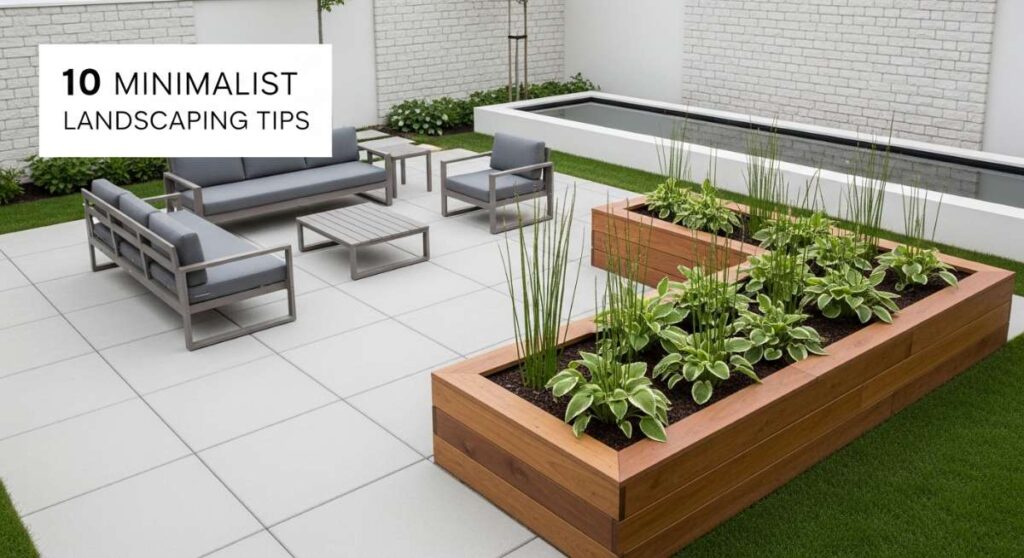
10 Minimalist Landscaping Tips for a Contemporary Outdoor Oasis
Hello, my loves. There is something so incredibly grounding about stepping out into a space that feels like a warm, cloud-soft embrace from Mother Nature herself. Lately, I’ve been reflecting on how our outdoor spaces aren’t just patches of grass—they are the lungs of our homes, the places where we breathe deepest and let the world’s noise fade into a gentle hum. Creating a contemporary oasis isn’t about filling every corner; it’s about choosing elements that nourish your soul.
I remember sitting on my porch last spring, watching the morning dew settle on a single leaf, and realizing that true luxury is found in simplicity. We often overcomplicate our gardens, but a minimalist approach allows us to find peace in the lines, the textures, and the quiet moments. Today, I’m so excited to walk hand-in-hand with you through ten beautiful ways to transform your backyard into a minimalist sanctuary that feels like a dream come true.
6 Simple Steps to Plan a Shade Garden Layout
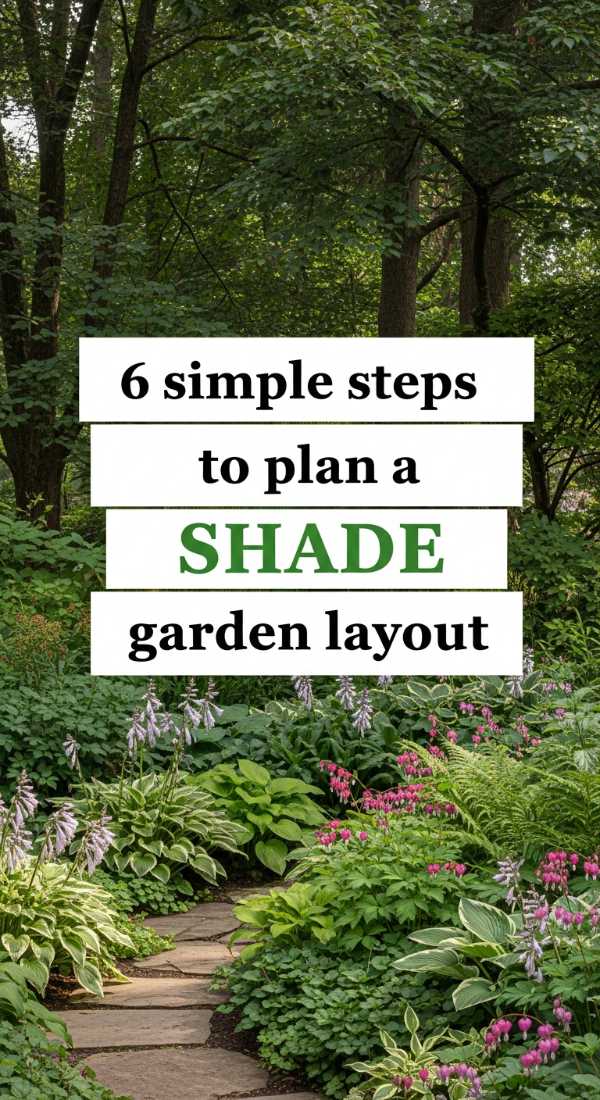
Why to love this Decor:
There is a mysterious, quiet magic found in the cooler corners of your yard. A shade garden is like a secret whisper, offering a plush, green sanctuary when the sun feels a bit too heavy. It’s where textures take center stage over bright colors, creating a sophisticated and calming retreat for your morning meditation.
Items needed:
- Hosta varieties (different leaf patterns)
- Soft ferns
- Natural wood mulch
- Stepping stones
- Low-light ground cover
- Slow-release fertilizer
How to Prepare:
- Identify the areas of deep shade versus dappled light.
- Clear away any old debris or stubborn weeds to create a blank canvas.
- Test the soil moisture, as shaded areas can sometimes stay damp longer.
- Sketch a layout placing larger hostas in the back for height.
- Plant your ferns and ground covers in clusters for a lush look.
- Layer with natural mulch to keep roots cool and the aesthetic clean.
- Hosta Perennials: $12 – $25
- Bag of Hardwood Mulch: $5 – $8
- Set of Slate Stepping Stones: $40 – $100
- Milkweed (essential for Monarchs)
- Purple Coneflowers
- A shallow birdbath or “puddling” stone
- Sunny garden plot
- Organic compost
- Select the sunniest spot in your yard, as butterflies love the warmth.
- Group your nectar plants together in large blocks of color to help butterflies spot them.
- Include “host plants” like milkweed where caterpillars can grow.
- Place a flat, light-colored stone in the sun for butterflies to bask on.
- Ensure a shallow water source is nearby for them to drink safely.
- Milkweed Seed Packets: $4 – $10
- Potted Echinacea (Coneflower): $15 – $20
- Resin Birdbath: $35 – $60
- Perennial blooms
- Pruning shears
- Graph paper for mapping
- Organic mulch
- Garden twine
- Support stakes
- Edging material
- Observe the sun patterns for at least a full day.
- Group plants with similar water and light needs together.
- Design in “drifts” rather than single rows for a more natural feel.
- Mix heights, placing the tallest specimens in the back or center.
- Incorporate silver or grey foliage to act as a neutral buffer between colors.
- Use clean metal or stone edging to maintain that minimalist boundary.
- Prune regularly to encourage fresh growth and maintain the shape.
- Professional Pruning Shears: $25 – $50
- Metal Garden Edging (10ft): $30 – $55
- Assorted Perennial Plugs: $5 – $12 each
- Fine white sand or decomposed granite
- Large, weathered landscape rocks
- A wooden rake
- A contained border (wood or stone)
- Level the ground and install a weed barrier to keep your sand pure.
- Construct a clean, rectangular frame to hold the sand in place.
- Place an odd number of large stones as focal points to represent mountains.
- Fill with sand and use the rake to create gentle, flowing water-like ripples.
- White Play Sand (50lb bag): $6 – $15
- Large Landscape Boulders: $50 – $200 (delivery varies)
- Handmade Bamboo Rake: $20 – $45
- Vertical planters
- Mirror wall decor
- Folding bistro set
- String lights
- Dwarf plant varieties
- Hanging baskets
- Outdoor rugs
- Floating shelves
- Go vertical by using wall-mounted planters to save floor space.
- Use a large outdoor mirror to create the illusion of a deeper garden.
- Choose furniture that can be folded or tucked away when not in use.
- Stick to a monochromatic color palette to make the space feel larger.
- Incorporate multi-level shelving for a variety of potted plants.
- Use dwarf tree varieties that won’t outgrow the space.
- Hang warm string lights to draw the eye upward at night.
- Define the area with a soft, patterned outdoor rug for a cohesive look.
- Vertical Wall Planter Kit: $40 – $80
- Weatherproof Garden Mirror: $60 – $120
- LED Globe String Lights: $20 – $40
- Native deep-rooted grasses
- River rocks
- A natural depression in the yard
- Permeable soil mix
- Native wildflowers
- Identify a low spot in your yard where water naturally collects after rain.
- Dig a shallow basin and fill it with a mix of sand and compost.
- Place river rocks at the entry point to prevent soil erosion.
- Plant native grasses and flowers that can handle both wet and dry spells.
- Mulch well to keep the soil in place while the plants establish.
- Native Grass Plugs: $4 – $8 each
- Bag of River Rocks: $10 – $25
- Soil Amendment Mix: $15 – $30
- Lavender and Foxgloves
- A white picket fence fragment or trellis
- Gravel pathways
- Antique-style garden bench
- Old-fashioned roses
- Climbing vines
- Lay out winding gravel paths to create a sense of discovery.
- Install a simple trellis for climbing jasmine or roses.
- Plant a mix of herbs and flowers together for that classic “cottage” variety.
- Focus on a soft color scheme—lavender, white, and pale pink.
- Place a vintage-style bench at the end of the path for a focal point.
- Allow some plants to spill over the edges for a soft, lived-in feel.
- Pea Gravel (per cubic yard): $35 – $60
- Wooden Garden Trellis: $25 – $70
- English Lavender Plants: $10 – $18
- Ceramic or terracotta pots
- Herb starts (Basil, Rosemary, Mint, Thyme)
- Quality potting soil
- Plant labels
- Choose a spot near the kitchen door for easy access while cooking.
- Use identical pots for a clean, minimalist uniform look.
- Label each herb with simple, modern markers.
- Ensure each pot has proper drainage to keep the roots healthy and happy.
- Set of 5 Ceramic Pots: $30 – $70
- Organic Herb Starts: $4 – $7 per plant
- Modern Slate Plant Labels: $10 – $20
- Disease-resistant rose varieties
- Rose food/fertilizer
- Sturdy pruning shears
- Peat moss
- Mulch
- Support structures (if climbing)
- Soaker hose
- Choose a site with at least 6 hours of full sun for the best blooms.
- Dig a hole twice as wide as the root ball and enrich with peat moss.
- Plant roses with enough space between them for good air circulation.
- Install a soaker hose at the base to avoid wetting the leaves.
- Apply a thick layer of mulch to retain moisture and suppress weeds.
- Feed regularly with a specialized rose fertilizer during the growing season.
- Prune in early spring to maintain a clean, sculptural shape.
- David Austin Rose Bush: $30 – $50
- Soaker Hose (50ft): $15 – $30
- Premium Rose Fertilizer: $12 – $25
- Boxwood shrubs
- Symmetrical planters
- Crushed limestone or gravel
- Classic topiary frames
- Iron garden furniture
- Create a strong central axis or path to establish symmetry.
- Use boxwood hedges to create neat, geometric borders.
- Place identical planters on either side of an entrance or pathway.
- Incorporate a simple, classic water feature or birdbath as a center point.
- Opt for a very limited color palette, mostly greens and whites.
- Boxwood Shrub (1 gallon): $15 – $30 each
- Cast Stone Urn Planter: $80 – $200
- Wrought Iron Bistro Set: $150 – $400
ol>
Budget Range
5 Easy Ways to Design a Butterfly Garden Layout
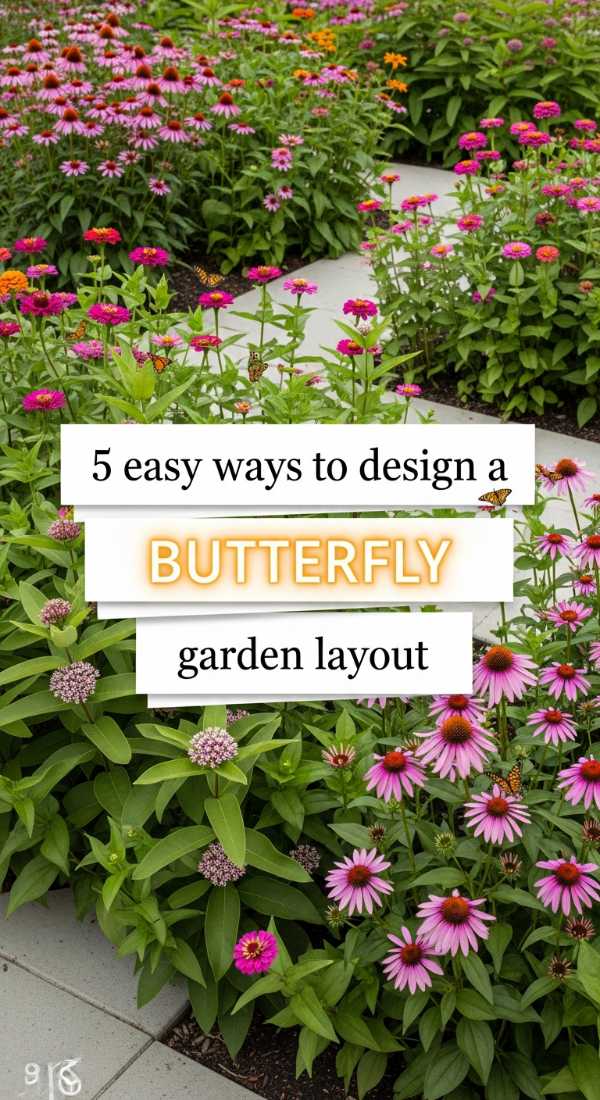
Why to love this Decor:
Imagine sipping your tea while delicate wings dance through the air around you. A butterfly garden brings a gentle, living energy to your minimalist landscape. By choosing specific plants, you aren’t just decorating; you’re inviting a community of pollinators to find safety and rest in your home.
Items needed:
How to Prepare:
Budget Range
7 Expert Tips to Master Flower Garden Design
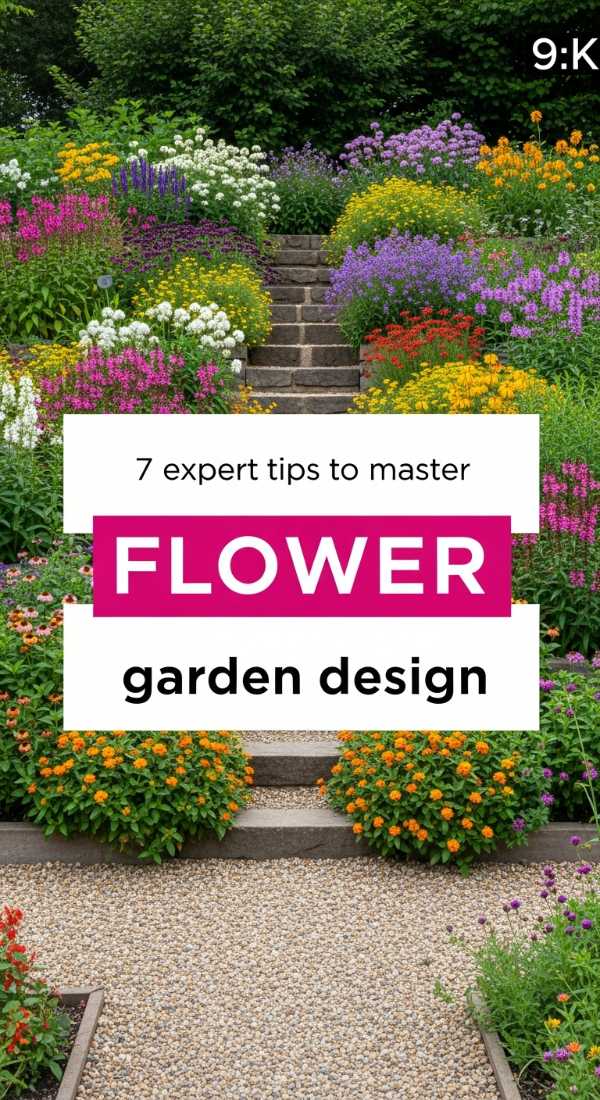
Why to love this Decor:
Flowers are the poetry of the earth, my loves. Mastering their design means finding a balance between wild beauty and curated elegance. A well-planned flower garden feels intentional yet effortless, providing pops of soft color that contrast beautifully against modern, clean lines.
Items needed:
How to Prepare:
Budget Range
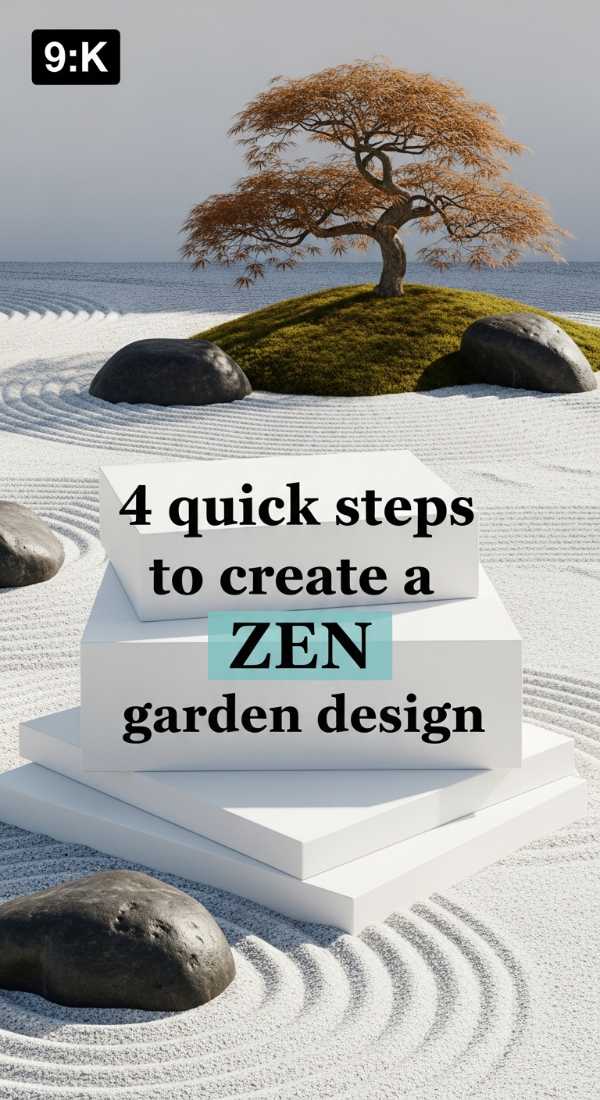
4 Quick Steps to Create a Zen Garden Design
Why to love this Decor:
A Zen garden is the ultimate expression of minimalist landscaping. It’s a place for your mind to rest, focusing on the rhythmic patterns of raked sand and the stillness of carefully placed stones. It’s not just a garden; it’s a practice of mindfulness and peace.
Items needed:
How to Prepare:
Budget Range
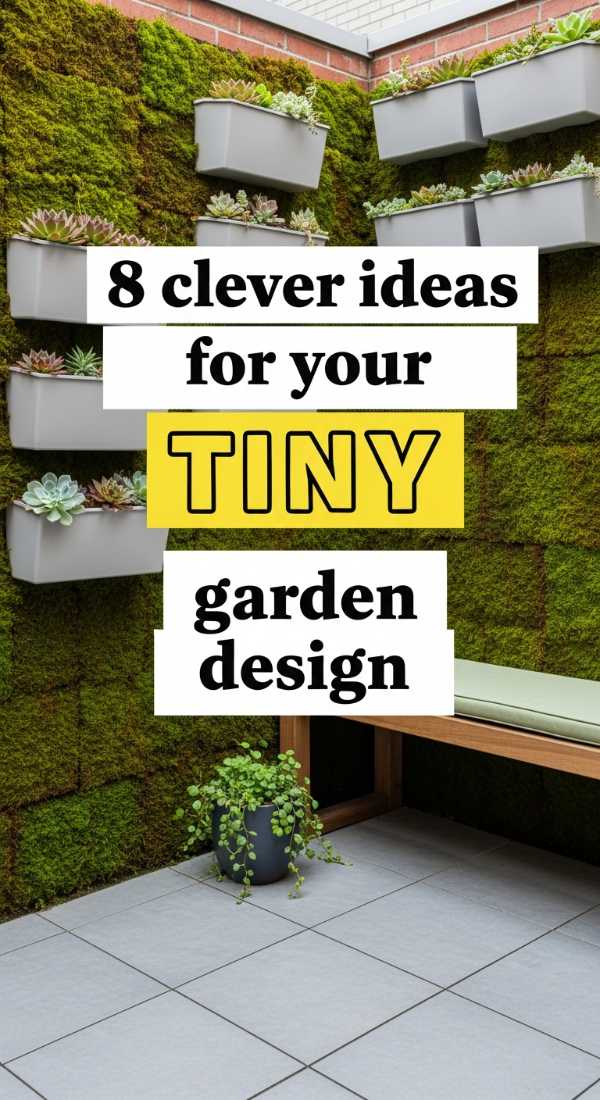
8 Clever Ideas for Your Tiny Garden Design
Why to love this Decor:
Don’t let a small footprint limit your dreams! A tiny garden is an opportunity for cozy, intimate luxury. It’s about making every inch count with clever vertical elements and multi-functional pieces that turn a small patio into a lush, private sanctuary.
Items needed:
How to Prepare:
Budget Range
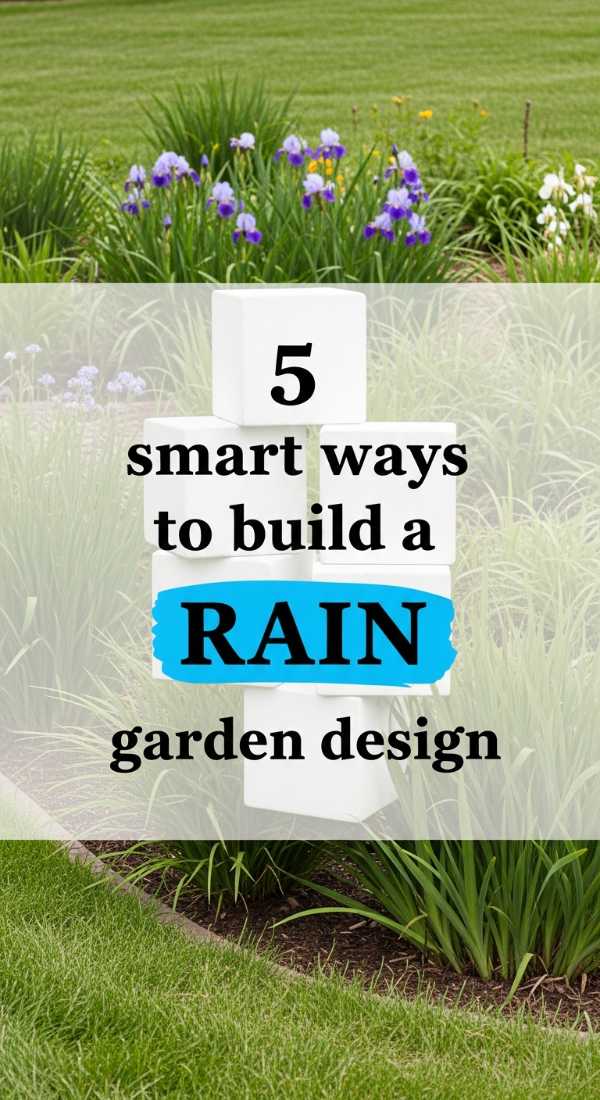
5 Smart Ways to Build a Rain Garden Design
Why to love this Decor:
A rain garden is a beautiful way to give back to the Earth. It’s a functional landscape feature that captures runoff and filters it naturally through the soil. It feels so good to know your garden is working in harmony with the environment, turning heavy rains into a source of life.
Items needed:
How to Prepare:
Budget Range
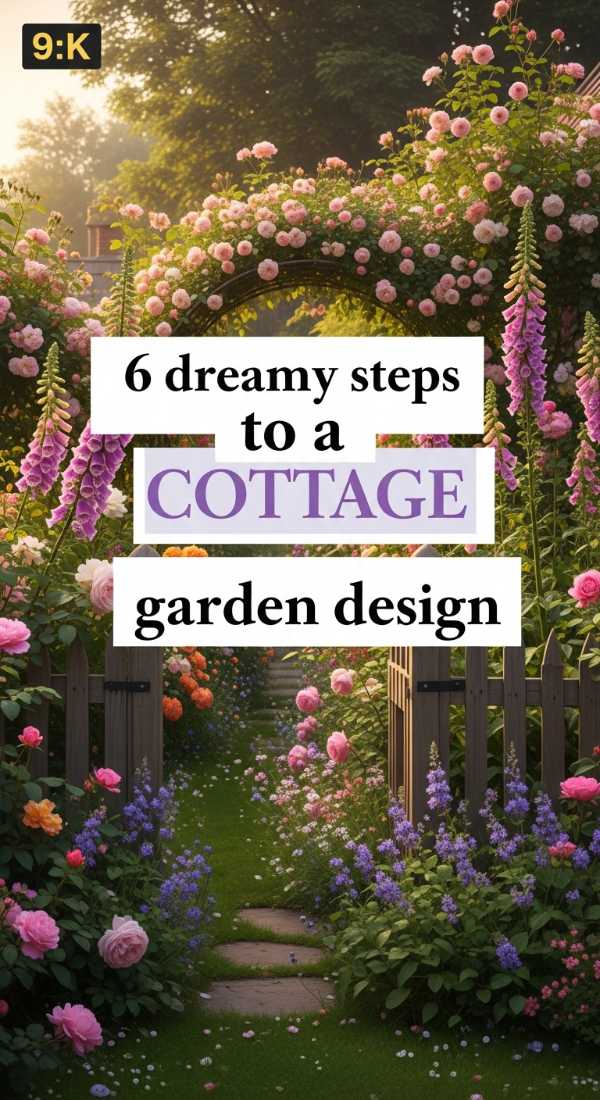
6 Dreamy Steps to a Cottage Garden Design
Why to love this Decor:
The cottage garden is the softest, most romantic version of minimalist design. By focusing on a palette of pastels and whites, we can take the traditional “overflowing” look and give it a clean, contemporary edit. It feels like a hug from an old friend—warm, nostalgic, and utterly charming.
Items needed:
How to Prepare:
Budget Range
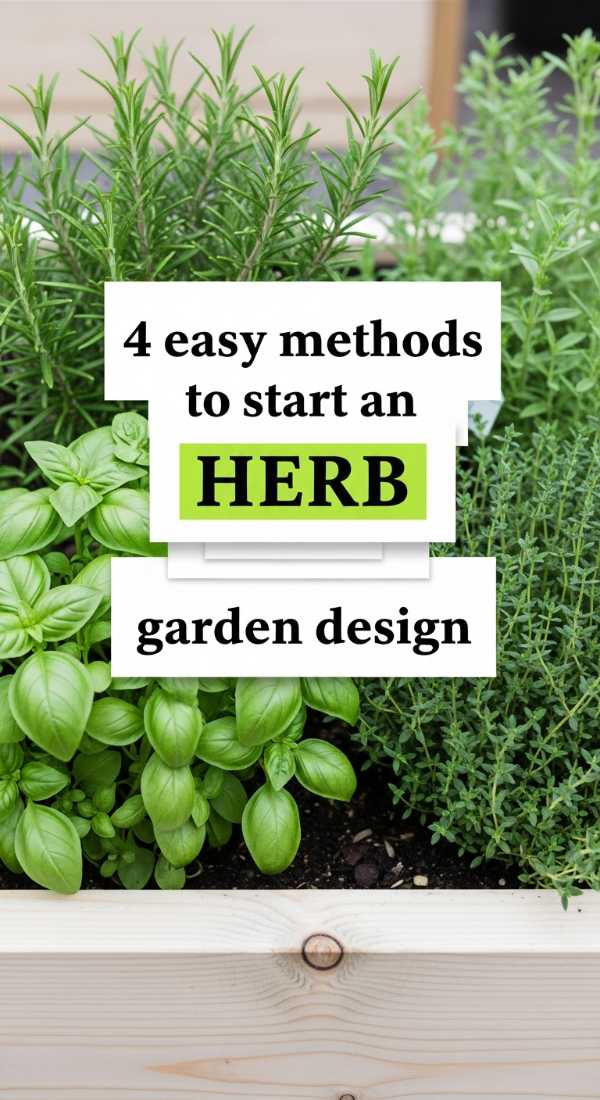
4 Easy Methods to Start an Herb Garden Design
Why to love this Decor:
There is nothing quite like the scent of fresh basil and rosemary wafting through the air. A minimalist herb garden is both functional and sensory. It provides fresh flavors for your kitchen while keeping your outdoor space looking organized, green, and wonderfully intentional.
Items needed:
How to Prepare:
Budget Range
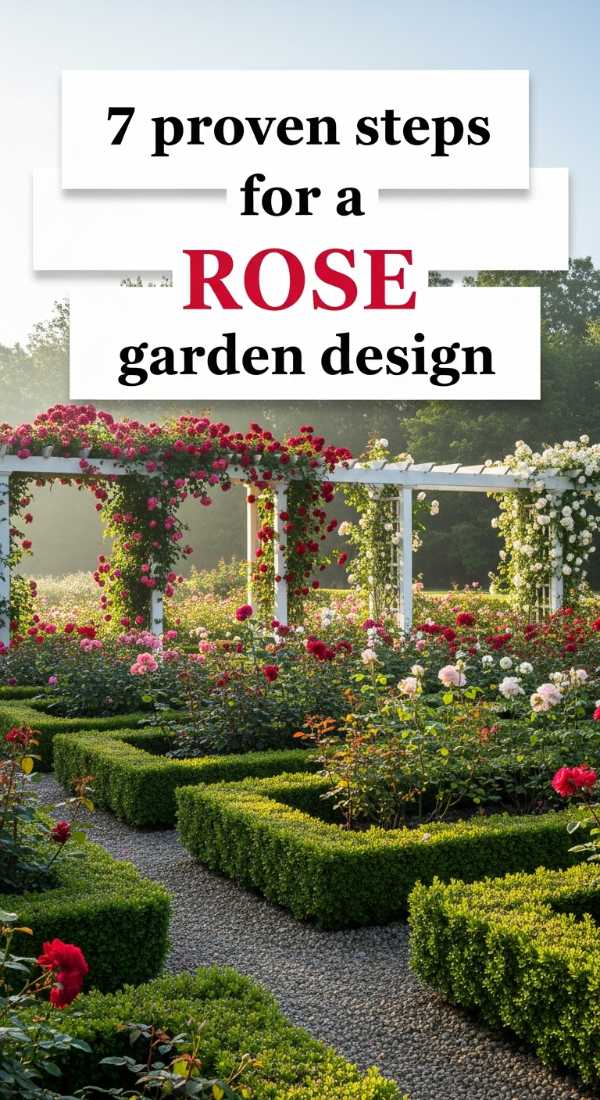
7 Proven Steps for a Rose Garden Design
Why to love this Decor:
Roses are the quintessential symbol of love and beauty. In a contemporary garden, a rose garden doesn’t have to be fussy. By choosing hardy, modern varieties and pairing them with clean architectural elements, you create a space that is timelessly elegant and breathtakingly fragrant.
Items needed:
How to Prepare:
Budget Range
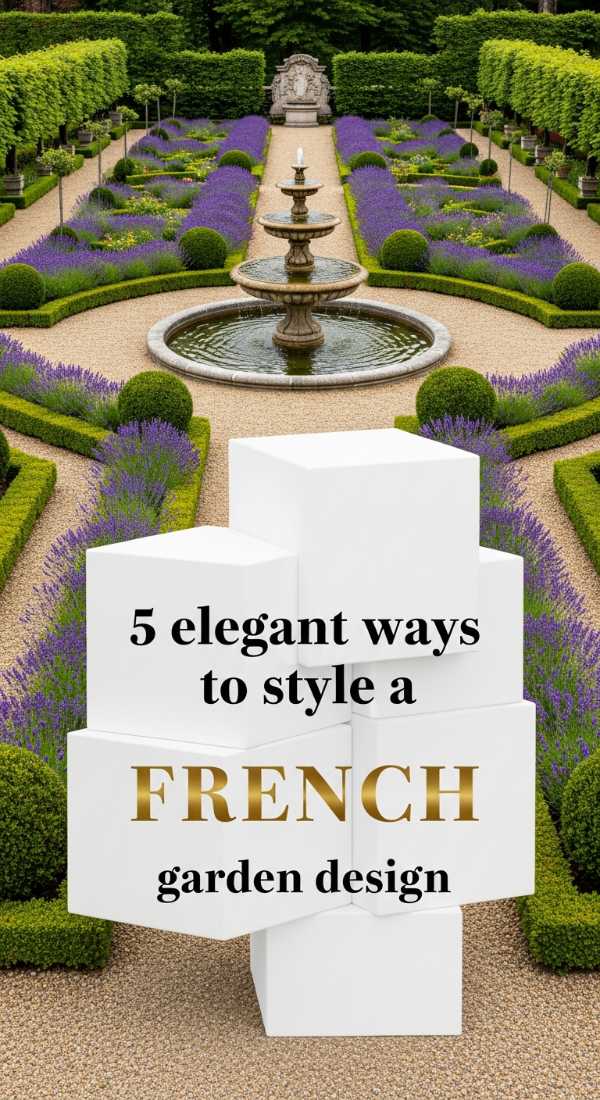
5 Elegant Ways to Style a French Garden Design
Why to love this Decor:
Oh, the French garden! It is the height of sophisticated minimalism. It’s all about symmetry, order, and a sense of calm. Think of it as a formal ballroom, but under the open sky. It’s a way to bring a touch of European vacation vibes right to your own back porch.
Items needed:
How to Prepare:
Budget Range
Creating Your Own Slice of Heaven
My loves, remember that your garden is a living, breathing part of your home. It doesn’t need to be perfect from day one. Whether you start with a single pot of lavender or a full French-inspired courtyard, the goal is to create a space that makes you feel at peace. Minimalism isn’t about having less; it’s about making room for more of what matters—more sunshine, more breath, and more joy. I can’t wait to see how you transform your outdoor spaces into your own contemporary oases.