

The Beginner’s Guide to Creating the Perfect Viral Food Board
There is something undeniably magical about a slow Sunday morning, watching the golden light filter through the kitchen window while the scent of wild blooms and ripe fruit fills the air. I’ve always believed that food is more than just sustenance; it’s an experience, a memory, and a piece of art that we get to share with the people we love. Lately, my obsession has been the ‘Viral Simple Food Board’—a curated, aesthetic spread that blends the rustic charm of foraged dandelions with the vibrant, tropical energy of fresh mangoes.
Creating these boards has become a form of meditation for me. It’s about the tactile joy of plucking yellow petals, the satisfying slice of a juicy mango, and the way colors pop against a wooden platter. Whether you are hosting a whimsical brunch or just want to treat yourself to a beautiful afternoon snack, this guide will help you master the art of the floral and fruit board. Let’s dive into these ten unique elements that will make your spread absolutely legendary.
How to make dandelion honey

Why we love this
This isn’t actually honey from bees, but a thick, golden syrup made from sun-drenched dandelion petals that mimics the nectar of the gods. The aroma is intensely floral with a hint of lemon, and the texture is velvety smooth, coating your tongue in a warm, earthy sweetness. When you drizzle this over a warm biscuit or a slice of brie, you are tasting the very essence of a summer meadow. It is a labor of love that rewards you with a luminous, amber liquid that glows like liquid sunshine on your board.
Ingredients
- 2 cups of tightly packed yellow dandelion petals (green parts removed)
- 4 cups of water
- 3-4 thick slices of organic lemon
- 1 vanilla bean, split (optional)
- 3 cups of granulated white sugar
How to make it
- Begin by meticulously separating the yellow petals from the green calyx; the green parts are bitter and will ruin the delicate flavor of your honey.
- Place the cleaned petals in a medium heavy-bottomed saucepan and add the water, lemon slices, and the split vanilla bean.
- Bring the mixture to a gentle boil over medium-high heat, then immediately reduce the heat to low and simmer for about 15 to 20 minutes to infuse the liquid.
- Remove the pan from the heat, cover it with a lid, and let it steep overnight (or at least 8 hours) at room temperature to extract every bit of floral essence.
- The next day, strain the liquid through a fine-mesh sieve or cheesecloth, squeezing the petals firmly to get every drop of infused water into a clean pot.
- Add the sugar to the liquid and bring it to a very low simmer, stirring constantly until the sugar has completely dissolved.
- Continue to simmer uncovered for 1 to 2 hours, checking the consistency frequently; it is done when it reaches a honey-like thickness that coats the back of a cold spoon.
- Pour the hot honey into sterilized glass jars and let it cool completely before sealing, as it will continue to thicken as it reaches room temperature.
How to blend mango smoothies

Why we love this
A perfectly blended mango smoothie is like a tropical vacation in a glass, offering a burst of sunshine that wakes up your palate. The texture should be thick and frost-like, melting into a creamy silkiness that carries the floral notes of the mango and the bright tang of citrus. It provides a stunning pop of saturated orange to your food board, acting as both a refreshing beverage and a vibrant visual anchor. Every sip is cooling, refreshing, and deeply satisfying, especially when the weather starts to warm up.
Ingredients
- 2 cups of frozen mango chunks
- 1 cup of fresh orange juice or coconut water
- 1/2 cup of Greek yogurt or silken tofu for body
- 1 tablespoon of honey or agave nectar
- A squeeze of fresh lime juice
How to make it
- Start by placing your liquid base—either the orange juice or coconut water—into the blender first to ensure the blades can move freely without getting stuck.
- Add the frozen mango chunks on top of the liquid; using frozen fruit instead of ice ensures a concentrated flavor that isn’t watered down.
- Spoon in your Greek yogurt or tofu, which acts as an emulsifier to create that signature thick, spoonable consistency.
- Add your sweetener and the fresh lime juice, which cuts through the sugar to highlight the mango’s natural brightness.
- Pulse the blender several times to break up the large frozen chunks before switching to a high-speed setting.
- Blend on high for 45 to 60 seconds, or until the mixture is completely smooth with no visible fruit fragments.
- If the smoothie is too thick, add an extra splash of liquid one tablespoon at a time until it reaches your desired consistency.
- Pour immediately into chilled glasses and garnish with a sprig of mint or a slice of fresh mango for that Pinterest-perfect look.
How to fry dandelion blossoms

Why we love this
Frying dandelion blossoms transforms a common backyard flower into a sophisticated, crunchy delicacy that tastes surprisingly like mushrooms or toasted nuts. The outer batter becomes a golden, shattered-glass crust that yields to a tender, slightly sweet floral center. There is a whimsical joy in eating flowers, and these little golden nuggets provide a savory, salty contrast to the sweeter fruits on your board. They are best enjoyed hot, offering a satisfying crackle and a whisper of spring with every single bite.
Ingredients
- 20-30 freshly picked dandelion heads with a bit of stem
- 1 cup of all-purpose flour
- 1/2 teaspoon of garlic powder
- 1/2 teaspoon of smoked paprika
- 1/2 cup of milk or sparkling water (for extra crunch)
- 1 egg
- Neutral oil for frying (like vegetable or grapeseed)
- Flaky sea salt
How to make it
- Rinse the dandelion heads gently in cool water and pat them completely dry with paper towels; any moisture left on the petals will cause the oil to splatter.
- In a small bowl, whisk together the flour, garlic powder, and smoked paprika until the spices are evenly distributed.
- In a separate bowl, beat the egg with the milk or sparkling water until light and frothy.
- Heat about half an inch of oil in a heavy skillet over medium-high heat until it reaches approximately 350°F (175°C); you can test it by dropping a pinch of flour in—it should sizzle immediately.
- Hold a dandelion by the stem, dip it into the dry flour mix, then the egg wash, and then back into the flour for a double-coating that ensures maximum crunch.
- Carefully place the blossoms face down in the hot oil, being careful not to overcrowd the pan which would lower the oil temperature.
- Fry for about 2 minutes until the edges are golden brown, then flip and fry the stem side for another minute.
- Use a slotted spoon to transfer the blossoms to a wire rack or paper towels to drain, and immediately sprinkle with flaky sea salt while the oil is still wet.
How to make creamy smoothies

Why we love this
The secret to a viral-worthy smoothie lies in its ultra-creamy, almost soft-serve-like texture that looks gorgeous when swirled into a bowl or jar. It feels decadent and indulgent, like a dessert, yet remains light enough to be a healthy addition to your morning spread. The richness of the base carries flavors more intensely, creating a mouthfeel that is luxurious and satisfying. Adding a creamy element to your board balances out the acidic fruits and provides a cooling contrast to any spiced or fried elements you might include.
Ingredients
- 1 frozen banana (peeled and sliced before freezing)
- 1/4 cup of full-fat coconut milk or heavy cream
- 1 scoop of vanilla protein powder or collagen peptides
- 1/2 cup of frozen cauliflower rice (unflavored, for creaminess without the taste)
- 1 teaspoon of vanilla extract
How to make it
- Begin by adding the coconut milk or cream to the blender, followed by the vanilla extract to ensure the liquids are at the bottom.
- Add the frozen banana slices; the starch in the banana is the key to the creamy, “creamin”-like texture.
- Add the frozen cauliflower rice; this is a pro-trick that adds incredible thickness and nutrients without altering the flavor profile.
- Toss in the protein powder or collagen, which helps to aerate the mixture and create a fluffy, whipped volume.
- Start the blender on the lowest speed to slowly incorporate the dense frozen ingredients.
- Use a tamper (if your blender has one) to push the ingredients down into the blades, or stop and scrape the sides frequently.
- Gradually increase the speed to high and blend for a full minute until the mixture looks like thick ribbons of silk.
- Serve immediately in a wide-mouthed glass or bowl, as this texture is best appreciated when it is freshly whipped and icy.
How to brew dandelion tea

Why we love this
Dandelion tea is a gentle, grounding beverage that serves as the perfect palate cleanser for a diverse food board. The tea has a light, nutty, and slightly bitter profile that feels incredibly cleansing and sophisticated, reminiscent of a delicate green tea but with more earthy depth. Served hot, it emits a soothing, herbal steam that calms the senses, or served iced, it becomes a crisp and revitalizing tonic. It is a beautiful way to utilize the roots or the petals of the plant, bringing a sense of wholeness and sustainability to your meal.
Ingredients
- 2 tablespoons of dried dandelion roots (roasted for a coffee-like flavor) or 1/2 cup fresh petals
- 2 cups of filtered water
- 1 cinnamon stick
- A slice of fresh ginger
- Optional: A teaspoon of raw honey for serving
How to make it
- If using roots, chop them finely and roast them in a dry pan over medium heat for 3-5 minutes until they become fragrant and dark brown.
- Place the roasted roots (or fresh petals), the cinnamon stick, and the ginger slice into a small pot with the filtered water.
- Bring the water to a rolling boil over high heat.
- Once boiling, reduce the heat to low and let the tea simmer for at least 10 to 15 minutes to extract the medicinal and flavor compounds.
- If you prefer a stronger, more bitter brew, you can let it simmer for up to 20 minutes.
- Turn off the heat and let the tea sit for 2 minutes to allow the sediment to settle at the bottom of the pot.
- Strain the tea through a fine-mesh tea strainer into your favorite ceramic mugs or a glass teapot.
- Stir in a small amount of honey or a squeeze of lemon if desired, and serve while the tea is still steaming and fragrant.
How to prepare mango sorbet
Why we love this
Mango sorbet is the ultimate palate refresher, offering an intense concentration of fruit flavor that is both sharp and sweet. Its texture is fine-grained and icy, providing a wonderful temperature contrast to the other items on your food board. The brilliant yellow hue is naturally stunning, requiring no artificial colors to stand out as a centerpiece. It’s light, dairy-free, and captures the pure, unadulterated soul of the mango in a frozen form that feels incredibly elegant and refined.
Ingredients
- 4 cups of fresh, very ripe mango cubes
- 1/2 cup of simple syrup (equal parts sugar and water dissolved)
- 2 tablespoons of fresh lime juice
- A pinch of sea salt
How to make it
- Puree the fresh mango cubes in a high-speed blender or food processor until the mixture is completely liquid and free of any fibrous strands.
- In a small bowl, combine the simple syrup, lime juice, and sea salt, then whisk this into the mango puree.
- For the smoothest results, pour the mixture into an ice cream maker and churn according to the manufacturer’s instructions (usually 20-25 minutes).
- If you don’t have an ice cream maker, pour the mixture into a shallow metal pan and place it in the freezer.
- Every 30 minutes, use a fork to vigorously stir the mixture, breaking up the ice crystals as they form; repeat this for 3 to 4 hours.
- Once the sorbet has reached a firm but scoopable consistency, transfer it to an airtight container.
- Press a piece of plastic wrap directly onto the surface of the sorbet before sealing the lid to prevent freezer burn.
- Let it firm up for at least 2 more hours before serving with a small chilled spoon for the best texture.
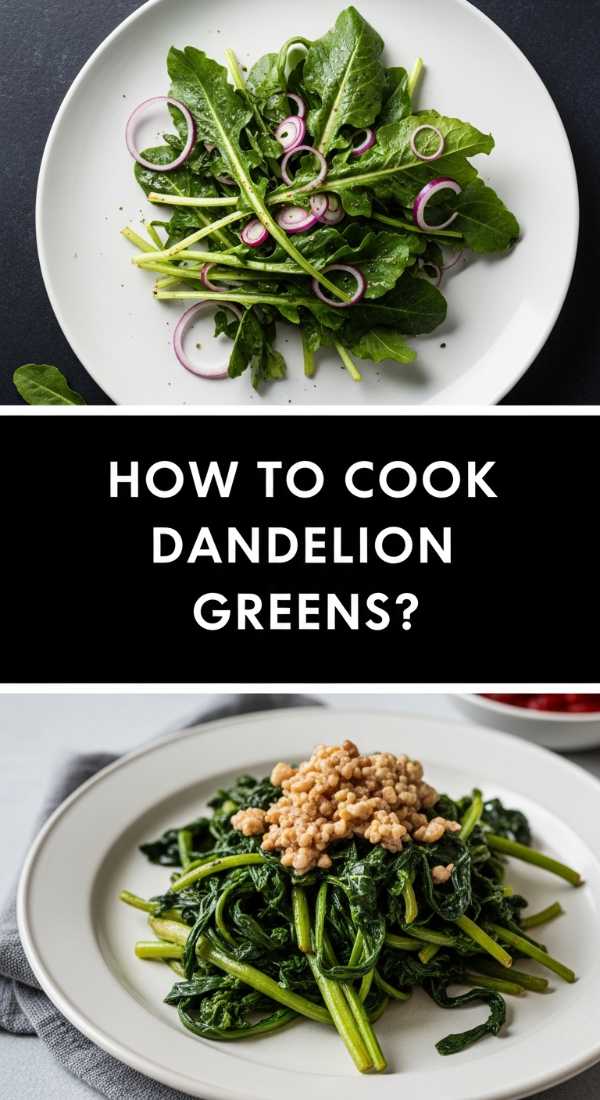
How to cook dandelion greens

Why we love this
Sautéed dandelion greens are the sophisticated, edgy cousin of spinach or kale, offering a bold bitterness that pairs beautifully with fatty cheeses or sweet jams. When cooked correctly, they lose their tough edge and become tender and savory, infused with the flavors of garlic and high-quality olive oil. They provide a dark, forest-green visual element to your board, grounding the brighter colors and adding a nutritional powerhouse to the spread. This dish is a testament to the beauty of foraged food, turning a common weed into a gourmet side.
Ingredients
- 1 large bunch of fresh dandelion greens (younger leaves are less bitter)
- 2 cloves of garlic, thinly sliced
- 1 tablespoon of extra virgin olive oil
- 1/4 teaspoon of red pepper flakes
- A splash of balsamic glaze or lemon juice
- Salt and pepper to taste
How to make it
- Wash the greens thoroughly in several changes of cold water to remove any grit or soil, then trim off the tough bottom inch of the stems.
- Blanch the greens by dropping them into a pot of boiling salted water for exactly 2 minutes; this step is crucial as it removes the excess bitterness.
- Immediately plunge the blanched greens into a bowl of ice water to stop the cooking process and preserve their vibrant green color.
- Drain the greens and squeeze them very dry with your hands or a clean kitchen towel.
- In a wide skillet, heat the olive oil over medium heat and add the sliced garlic and red pepper flakes.
- Sauté the garlic for about 1 minute until it is fragrant and just beginning to turn a pale golden color—do not let it burn.
- Add the blanched greens to the skillet, using tongs to toss them and coat them thoroughly in the garlic oil.
- Sauté for 3-5 minutes until the greens are heated through and tender, then finish with a splash of balsamic glaze or lemon juice and a final seasoning of salt and pepper.
How to make mango lassi

Why we love this
The mango lassi is a classic for a reason: it is the perfect harmony of tangy yogurt and sweet, aromatic fruit. The addition of ground cardamom provides a mysterious, floral spice note that lingers on the tongue and elevates the drink from a simple shake to a complex culinary experience. It has a beautiful, pale orange color and a frothy top that looks stunning in vintage glassware. It’s cooling, probiotic-rich, and adds a touch of international flair to your simple food board.
Ingredients
- 1 cup of fresh mango pulp (Alphonso mangoes are the gold standard if available)
- 1 cup of plain, full-fat yogurt
- 1/2 cup of milk or water to thin
- 2 tablespoons of honey or sugar
- 1/4 teaspoon of ground cardamom
- A pinch of saffron (optional garnish)
How to make it
- Place the mango pulp and the yogurt into a blender; using full-fat yogurt provides the richest flavor and most stable emulsion.
- Add the sweetener and the ground cardamom; the cardamom is potent, so a quarter teaspoon is usually enough to provide that signature floral background.
- Blend on medium speed for 30 seconds to combine the fruit and dairy thoroughly.
- Slowly pour in the milk or water while the blender is running on low until you reach a pourable yet thick consistency.
- Whiz on high speed for another 20 seconds to incorporate air, which creates a light, frothy texture on the surface.
- Taste the lassi and adjust the sweetness or spice level if necessary, as different mangoes have varying levels of acidity.
- Pour into tall glasses and garnish with a tiny pinch of ground cardamom or a few strands of saffron for a luxurious finish.
- Serve chilled, perhaps alongside some salty nuts or seeds to balance the creamy sweetness.
How to make dandelion jelly
Why we love this
Dandelion jelly is often called “poor man’s honey,” but its flavor is nothing short of royal. It has a clean, bright, and sunny taste that reminds one of clover and lemon zest, with a clarity that looks like a liquid jewel in the jar. Spreading this over a piece of crusty sourdough bread is a sensory delight—the jelly is firm yet yielding, catching the light and glowing with an ethereal yellow radiance. It’s the perfect conversation starter for your board, as guests are always amazed that something so beautiful came from their front lawn.
Ingredients
- 2 cups of dandelion petal tea (made by steeping 2 cups of petals in 2 cups of boiling water)
- 2 tablespoons of lemon juice
- 1 box (1.75 oz) of powdered fruit pectin
- 3 cups of granulated sugar
How to make it
- Start with your pre-made dandelion tea, ensuring it has been strained through a coffee filter so the liquid is perfectly clear and golden.
- Pour the dandelion tea and the lemon juice into a large, deep pot; the lemon juice provides the acidity needed for the pectin to set correctly.
- Whisk in the powdered pectin until it is completely dissolved and no lumps remain.
- Bring the mixture to a full, rolling boil over high heat, stirring constantly so it doesn’t scorch.
- Once boiling, pour in all of the sugar at once and stir vigorously until it is fully incorporated.
- Bring the mixture back to a full rolling boil (one that cannot be stirred down) and boil hard for exactly one minute.
- Remove the pot from the heat and skim off any white foam that has formed on the surface with a metal spoon.
- Ladle the hot jelly into sterilized half-pint jars, leaving 1/4 inch of headspace, and process in a boiling water bath for 10 minutes to seal for long-term storage, or simply let it cool and set in the fridge if eating immediately.
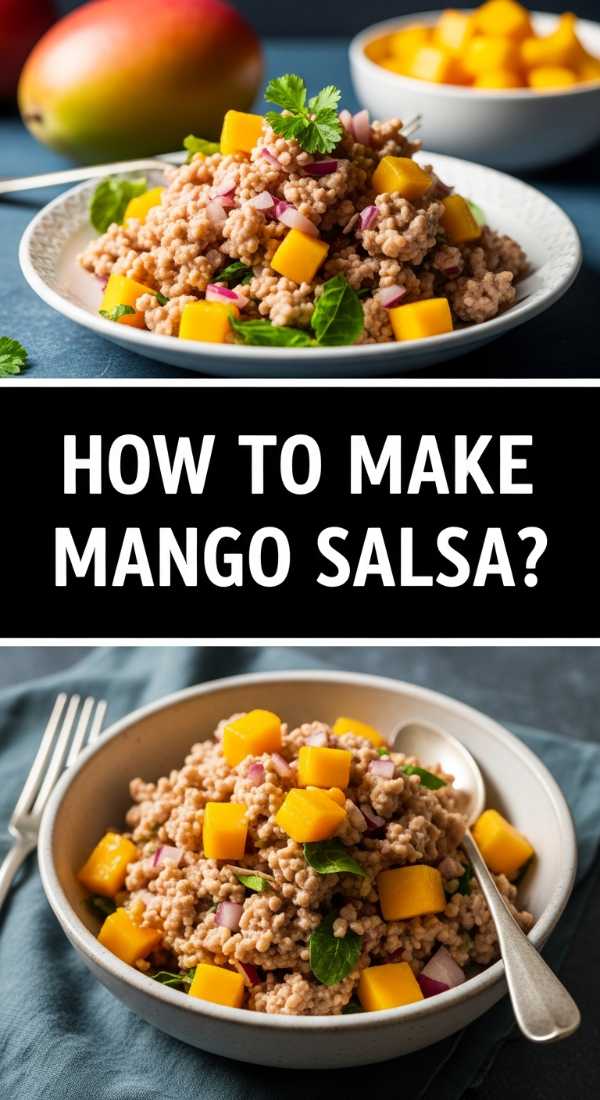
How to make mango salsa
[IMAGE_10]
Why we love this
Mango salsa is a riot of colors and textures that brings an immediate energy to any food board. The sweetness of the mango is punctuated by the sharp bite of red onion, the heat of jalapeño, and the herbaceous freshness of cilantro. Every bite is a crunch of freshness followed by a wave of tropical juice, making it an incredible companion to salty chips, grilled meats, or even just eaten by the spoonful. It acts as the “zesty” component of your board, ensuring that every bite remains exciting and balanced.
Ingredients
- 2 large mangoes, diced into 1/2 inch cubes
- 1/2 red onion, finely minced
- 1 jalapeño, seeded and finely diced
- 1/4 cup of fresh cilantro, chopped
- Juice of 1 large lime
- 1/2 teaspoon of salt
How to make it
- Choose mangoes that are ripe but still slightly firm; if they are too soft, they will turn into mush when you stir the salsa.
- Peel the mangoes and dice them into uniform cubes to ensure a consistent texture in every bite.
- In a medium glass bowl, combine the diced mango, minced red onion, and jalapeño; using a glass bowl prevents any reactive off-flavors from the lime juice.
- Add the chopped cilantro; if you aren’t a fan of cilantro, flat-leaf parsley can be substituted for a similar look but a milder flavor.
- Drizzle the fresh lime juice over the mixture and sprinkle with salt.
- Toss the ingredients gently with a large spoon, being careful not to crush the mango pieces.
- Let the salsa sit at room temperature for at least 15 to 30 minutes before serving; this allows the salt to draw out the juices and the flavors to meld together.
- Give it one final stir before placing it in a bright bowl on your board, perhaps garnishing with an extra lime wedge.
Conclusion
Building a food board is about more than just the ingredients; it’s about the story you tell with textures, colors, and flavors. By combining the wild, rustic charm of dandelions with the tropical, vibrant energy of mangoes, you’ve created a spread that is as visually stunning as it is delicious. Remember, the best boards are the ones shared with friends and family, so take your time, enjoy the process, and let your creativity bloom!