

There is something truly magical about the way food brings us together. I remember the first time I set out a large, wooden board overflowing with colors and textures; the room instantly felt warmer, and the conversation flowed as easily as the honey I was drizzling over the cheese. We often think that a ‘viral’ aesthetic requires a massive budget, but I have learned that the secret lies in the heart you put into the preparation and the clever use of simple, seasonal ingredients.
Creating a viral food board is less about the price tag and more about the narrative you create on the platter. It is about the contrast between a zesty lemon loaf and a savory roast chicken, or the crisp snap of a homemade cracker against a velvety pea soup. Today, I am sharing my favorite recipes that transform humble ingredients into a show-stopping spread that your guests will be talking about—and posting about—for weeks to come.
How to bake lemon loaf

Why we love this
This lemon loaf is the ultimate comfort food with a sophisticated twist, offering a bright, citrusy punch that cuts through the richness of any food board. The texture is incredibly moist and dense, yet it feels light on the palate thanks to the effervescent aroma of freshly zested lemons. When you take a bite, the sugary glaze shatters slightly before giving way to a tender crumb that smells like a sunny afternoon in a Mediterranean garden. It provides that perfect sweet-tart balance that refreshes the senses between savory bites of salmon or cheese.
Ingredients
- 1 1/2 cups all-purpose flour
- 1 teaspoon baking powder
- 1/2 teaspoon salt
- 1 cup granulated sugar
- 2 tablespoons lemon zest
- 3 large eggs (room temperature)
- 1/2 cup sour cream
- 1/2 cup vegetable oil
- 2 tablespoons fresh lemon juice
- 1/2 teaspoon vanilla extract
- Glaze: 1 cup powdered sugar mixed with 2 tablespoons lemon juice
How to make it
- Preheat your oven to 350°F (175°C) and grease a standard 9×5 inch loaf pan. Line the bottom with parchment paper for easy removal.
- In a medium bowl, whisk together the flour, baking powder, and salt until perfectly aerated and combined.
- In a larger bowl, rub the lemon zest into the granulated sugar using your fingertips. This technique releases the essential oils, making the loaf significantly more fragrant.
- Add the eggs to the sugar and whisk vigorously for about 2 minutes until the mixture is pale and slightly frothy.
- Slowly stream in the vegetable oil and sour cream, whisking constantly to emulsify the fats into the egg mixture. Stir in the lemon juice and vanilla.
- Gently fold the dry ingredients into the wet ingredients using a spatula. Do not overmix; stop as soon as no flour streaks remain to ensure a tender crumb.
- Pour the batter into the prepared pan and bake for 45-55 minutes. Check for doneness by inserting a toothpick; it should come out clean or with just a few moist crumbs.
- Let the loaf cool in the pan for 10 minutes, then transfer to a wire rack. Drizzle the lemon glaze over the warm loaf so it seeps slightly into the surface.
How to cook honey salmon
Why we love this
Honey salmon is the crown jewel of a high-end food board, offering a stunning lacquered finish that looks like fine art. The aroma of caramelized honey and garlic wafting through the kitchen is enough to draw everyone to the table before the board is even set. Each flake of salmon is succulent and buttery, coated in a sticky, sweet-and-savory glaze that provides a deep umami hit. It brings a sophisticated warmth to the spread, pairing beautifully with the crispness of a fresh quinoa salad or the crunch of sourdough crackers.
Ingredients
- 2 large salmon fillets (about 1 lb)
- Salt and black pepper to taste
- 2 tablespoons honey
- 1 tablespoon soy sauce
- 1 tablespoon fresh lemon juice
- 2 cloves garlic, minced
- 1 tablespoon olive oil
- Fresh parsley for garnish
How to make it
- Pat the salmon fillets completely dry with a paper towel. This is crucial for achieving a proper sear rather than steaming the fish. Season both sides generously with salt and pepper.
- In a small bowl, whisk together the honey, soy sauce, lemon juice, and minced garlic until the honey is fully dissolved into the liquid.
- Heat the olive oil in a non-stick or cast-iron skillet over medium-high heat. Wait until the oil is shimmering but not smoking.
- Place the salmon skin-side up in the skillet. Sear for 4-5 minutes without moving it to develop a golden-brown, caramelized crust.
- Carefully flip the salmon using a wide spatula. Pour the honey mixture directly into the pan around the fish.
- Allow the sauce to bubble and reduce for about 2-3 minutes. Use a spoon to continuously baste the top of the salmon with the thickening glaze.
- The salmon is done when it reaches an internal temperature of 145°F or when it flakes easily with a fork. Remove from heat immediately to prevent drying out.
- Transfer to your board and pour the remaining pan sauce over the top.
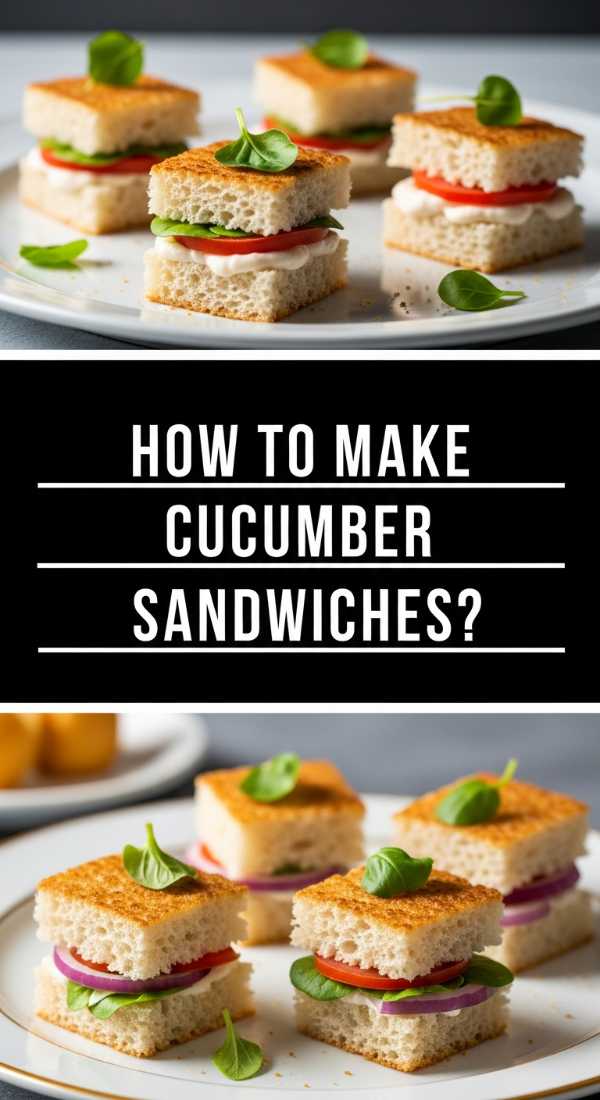
How to make cucumber sandwiches

Why we love this
These cucumber sandwiches are the epitome of delicate elegance, adding a touch of classic charm to your viral board. There is something incredibly satisfying about the contrast between the soft, pillowy white bread and the cool, watery crunch of thin cucumber slices. The herbed cream cheese spread provides a rich, velvety base that smells of fresh dill and chives, evoking memories of garden parties and summer afternoons. They are light, refreshing, and act as a wonderful palate cleanser between the more intense flavors of roasted meats or spicy dips.
Ingredients
- 1 loaf of high-quality white pullman bread
- 4 oz softened cream cheese
- 2 tablespoons mayonnaise
- 1 tablespoon fresh dill, finely chopped
- 1 tablespoon fresh chives, snipped
- 1/2 teaspoon lemon zest
- 1 English cucumber, sliced paper-thin
- Sea salt and cracked pepper
How to make it
- In a small mixing bowl, beat the softened cream cheese and mayonnaise together until smooth and spreadable. Fold in the fresh dill, chives, and lemon zest.
- Prepare the cucumber by slicing it as thinly as possible using a mandoline or a very sharp knife. Place the slices on a paper towel and sprinkle with a pinch of salt to draw out excess moisture; let sit for 10 minutes, then pat dry.
- Lay out your bread slices and remove the crusts using a serrated knife for a clean, professional look.
- Spread a generous, even layer of the herb cream cheese onto one side of every bread slice. The cream cheese acts as a moisture barrier to keep the bread from getting soggy.
- Layer the cucumber slices in an overlapping ‘shingle’ pattern on half of the bread slices. Season with a light dusting of cracked pepper.
- Top with the remaining bread slices, cream cheese side down.
- Cut the sandwiches into fingers, triangles, or small squares. Keep them covered with a damp paper towel until ready to serve to maintain their softness.
How to use sourdough discard

Why we love this
Utilizing sourdough discard is not just a lesson in sustainability; it is a way to add a complex, tangy depth of flavor to your board that you simply cannot get from commercial yeast. The discard carries the soul of your starter—that earthy, fermented aroma that pairs perfectly with sharp cheeses and cured meats. It creates textures that are unique, often yielding a tender interior with a slight chew that makes every bite feel artisanal and handcrafted. It’s a wonderful conversation starter for your guests, showcasing the ‘zero-waste’ beauty of your kitchen.
Ingredients
- 1 cup sourdough discard (unfed)
- General utility: 1/2 cup flour and 1/4 cup water (to adjust consistency)
- Pinch of salt
- Various herbs (rosemary, thyme, or oregano)
- Olive oil for brushing
How to make it
- Understand the state of your discard: If it has been in the fridge for a week, it will be very tangy; if fresh, it will be milder. Adjust your board’s flavors accordingly.
- For a quick flatbread addition to your board, mix 1 cup of discard with a pinch of salt and enough flour to make a soft, non-sticky dough (usually about 1/2 cup).
- Divide the dough into small balls and roll them out very thin on a floured surface.
- Heat a cast-iron skillet over medium heat and lightly brush with olive oil.
- Place the dough rounds in the pan and cook for 2 minutes per side until large bubbles form and golden brown spots appear.
- Brush with more olive oil and sprinkle with fresh rosemary immediately after removing from the heat.
- Slice into wedges and nestle them between the cheeses and fruits on your board for an instant rustic upgrade.
How to make pea soup
Why we love this
This pea soup is a vibrant explosion of color that instantly brightens the aesthetic of any food board. The texture is incredibly silky and luxurious, coating the spoon with a thick, emerald-green velvet that feels both hearty and fresh. It smells of sautéed leeks and sweet spring air, offering a sweet, earthy flavor that is beautifully complemented by a swirl of heavy cream or a sprinkle of salty ham. Served in small ramekins or shot glasses on the board, it provides a warm, comforting element that balances out the colder components of the spread.
Ingredients
- 2 tablespoons butter
- 1 large leek, white and light green parts only, cleaned and chopped
- 1 clove garlic, minced
- 4 cups vegetable or chicken broth
- 1 lb frozen sweet peas
- 1/4 cup fresh mint leaves
- 1/2 cup heavy cream (optional)
- Salt and white pepper to taste
How to make it
- Melt the butter in a large pot over medium heat. Add the chopped leeks and cook until soft and translucent, about 5-7 minutes. Do not let them brown, as this will dull the color of the soup.
- Add the minced garlic and cook for just 1 minute until fragrant.
- Pour in the broth and bring the mixture to a gentle boil.
- Add the frozen peas to the pot. Cook for only 3-5 minutes. The key to the bright green color is to cook the peas just long enough to be tender, but not long enough to lose their vibrancy.
- Remove the pot from the heat and stir in the fresh mint leaves. The mint adds a subtle, refreshing top note that makes the soup ‘pop’.
- Using an immersion blender, blend the soup until it is completely smooth. If using a standard blender, work in small batches and be careful with the hot liquid.
- Pass the blended soup through a fine-mesh sieve into a clean pot for an ultra-professional, silky texture.
- Stir in the cream (if using) and season with salt and white pepper. Reheat gently on low—do not boil.
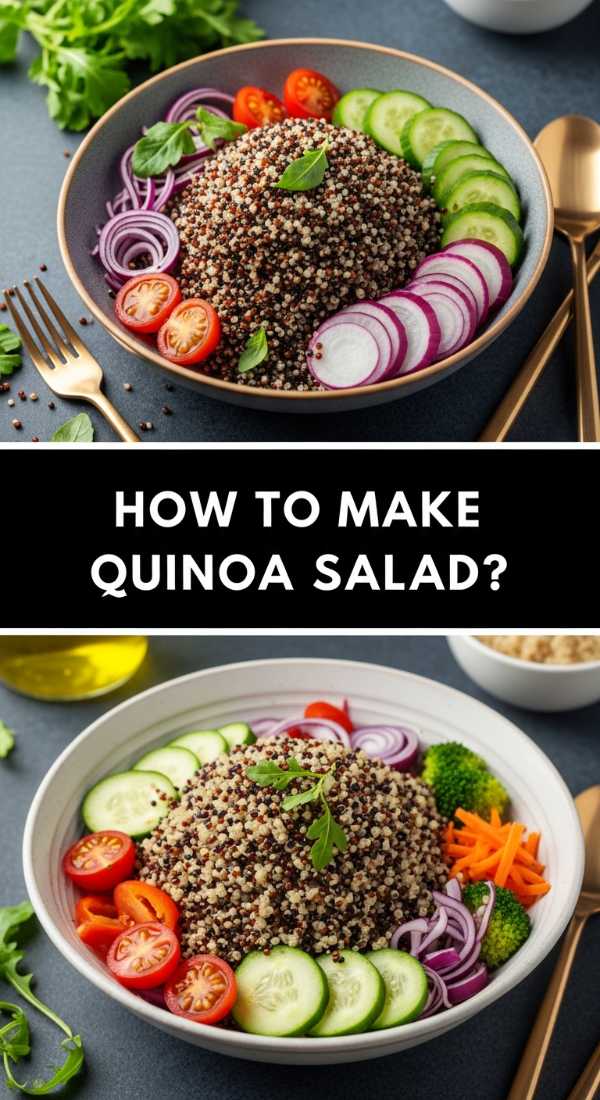
How to make quinoa salad

Why we love this
Quinoa salad is the textural powerhouse of the food board, offering a satisfying ‘pop’ with every bite. It is a kaleidoscope of colors, featuring jewels of red bell pepper, green cucumber, and purple onion that make the board look bountiful and nutritious. The aroma is bright and zesty, dominated by a lemon-herb vinaigrette that promises a clean, healthy contrast to heavier items like salmon or roast chicken. It’s the kind of dish that feels light and airy but keeps everyone full, making it a reliable crowd-pleaser that photographs beautifully under any lighting.
Ingredients
- 1 cup dry quinoa (rinsed)
- 2 cups water or broth
- 1 cucumber, diced
- 1 red bell pepper, diced
- 1/2 cup cherry tomatoes, halved
- 1/4 cup red onion, finely minced
- 1/4 cup chopped fresh parsley
- Dressing: 1/4 cup olive oil, 2 tablespoons lemon juice, 1 teaspoon honey, salt, and pepper
How to make it
- Place the rinsed quinoa and water in a medium saucepan. Bring to a boil, then reduce the heat to low, cover, and simmer for 15 minutes.
- Remove from heat and let the quinoa sit, covered, for 5 minutes. This ‘steaming’ phase is what makes the quinoa fluffy rather than mushy.
- Fluff the quinoa with a fork and spread it out on a baking sheet to cool completely. This prevents the vegetables from wilting when mixed.
- In a large bowl, combine the diced cucumber, bell pepper, cherry tomatoes, red onion, and parsley.
- Whisk the dressing ingredients in a small jar until emulsified.
- Add the cooled quinoa to the vegetables and pour the dressing over the top.
- Toss gently to ensure every grain of quinoa is coated. Let the salad sit for at least 30 minutes in the fridge before serving to allow the flavors to meld.
- Before placing on the board, give it one last toss and add a sprig of fresh parsley for a final touch of green.
How to bake strawberry tarts

Why we love this
Strawberry tarts provide a stunning visual focal point with their glistening, ruby-red fruit and buttery, golden crusts. The scent of vanilla and baked pastry creates an irresistible ‘bakery’ atmosphere that makes your food board feel incredibly indulgent. When you bite into one, you get the crunch of the shortcrust followed by the creamy sweetness of the filling and the bright, natural acidity of the fresh strawberries. They look like miniature works of art nestled among the savory items, proving that a board can seamlessly transition from a main course to a dessert feast.
Ingredients
- 1 package pre-made shortcrust pastry (or homemade)
- 8 oz mascarpone cheese
- 1/4 cup powdered sugar
- 1 teaspoon vanilla bean paste
- 1 lb fresh strawberries, sliced
- 2 tablespoons apricot jam (for glazing)
How to make it
- Preheat your oven to 375°F (190°C). Roll out the pastry dough and cut circles to fit mini tart tins.
- Press the dough into the tins and prick the bottoms with a fork. Bake for 12-15 minutes until the edges are a deep golden brown. Let them cool completely before filling.
- In a bowl, whip the mascarpone cheese, powdered sugar, and vanilla bean paste until light and airy. The vanilla bean paste adds beautiful black specks that look very high-end.
- Fill each cooled tart shell with a generous dollop of the mascarpone mixture, smoothing the top with a small spatula.
- Arrange the strawberry slices in a circular, overlapping pattern starting from the outside and working your way in to create a rose effect.
- Heat the apricot jam with a splash of water in the microwave for 20 seconds, then strain it.
- Gently brush the warm jam over the strawberries. This provides a professional-grade shine and keeps the fruit from drying out on the board.
- Chill the tarts for at least 1 hour to set the filling before placing them on your platter.
How to roast spring chicken

Why we love this
A perfectly roasted spring chicken is the rustic heart of a budget-friendly viral board, looking both generous and homey. The skin becomes a crackling, golden-brown armor that seals in the juices, while the aroma of rosemary and garlic fills the entire house with a sense of celebration. It provides a savory, protein-rich anchor that makes the board feel like a complete meal rather than just snacks. Slicing the chicken into smaller pieces allows guests to graze easily, enjoying the tender, herb-infused meat alongside bites of sourdough crackers and pea soup.
Ingredients
- 1 whole spring chicken (about 3-4 lbs)
- 3 tablespoons softened butter
- 2 tablespoons chopped fresh rosemary and thyme
- 1 lemon, halved
- 1 head of garlic, sliced crosswise
- Salt and cracked black pepper
How to make it
- Preheat your oven to 425°F (220°C). A high initial temperature is key for rendering the fat and getting that crispy skin.
- Pat the chicken very dry with paper towels. Remove any giblets from the cavity.
- Generously season the cavity with salt and pepper, then stuff it with the lemon halves and the head of garlic.
- Mix the chopped herbs into the softened butter. Using your fingers, carefully loosen the skin over the breast and thighs and spread the herb butter directly onto the meat under the skin.
- Rub the remaining butter all over the outside of the skin and season the entire bird with plenty of salt and pepper.
- Place the chicken in a roasting pan and cook for 50-60 minutes. The internal temperature should reach 165°F in the thickest part of the thigh.
- Crucial step: Let the chicken rest for at least 15-20 minutes after taking it out of the oven. This allows the juices to redistribute, ensuring the meat is moist when you carve it.
- Carve the chicken into drumsticks, wings, and sliced breast pieces to arrange aesthetically across the center of your board.
How to bake discard crackers

Why we love this
These discard crackers are the ultimate ‘crunch’ factor for your board, offering a salty, savory bite that puts store-bought crackers to shame. They have a rustic, uneven look that screams ‘homemade,’ and the tangy sourdough flavor paired with sea salt and dried herbs is incredibly addictive. The aroma of toasted grain and butter as they bake is simply divine. Because they are so thin and crisp, they act as the perfect vessel for everything from the creamy pea soup to the honey-glazed salmon, adding a structural element to the board that is both functional and delicious.
Ingredients
- 1 cup sourdough discard
- 1/4 cup all-purpose flour
- 2 tablespoons melted butter
- 1 tablespoon dried herbs (like Herbes de Provence)
- Flaky sea salt for topping
How to make it
- Preheat your oven to 325°F (165°C) and line a large baking sheet with parchment paper.
- In a medium bowl, mix the sourdough discard, flour, melted butter, and dried herbs until a smooth, spreadable paste forms.
- Transfer the mixture to the center of the parchment paper. Use an offset spatula to spread the batter as thinly and evenly as possible. The thinner it is, the crispier the crackers will be. Aim for about 1/16th of an inch.
- Sprinkle the top generously with flaky sea salt.
- Bake for 10 minutes. Remove the pan and use a pizza cutter or a sharp knife to score the crackers into squares or diamonds. Do not try to separate them yet.
- Return the pan to the oven and bake for another 20-30 minutes. Keep a close eye on them; they are done when they are completely dry to the touch and golden brown.
- Let them cool completely on the pan; they will crisp up significantly as they cool.
- Snap them along the scored lines and pile them in a high mound on your board for a dramatic, artisanal look.
How to cook asparagus soup
[IMAGE_10]
Why we love this
Asparagus soup offers a delicate, sophisticated flavor profile that feels like the essence of spring captured in a bowl. Its pale green color is subtle and elegant, providing a soft background for the bolder colors on your food board. The texture is light and frothy, with an earthy, slightly nutty aroma that pairs wonderfully with the lemon loaf or the discard crackers. It’s a refined addition that shows a level of culinary thoughtfulness, offering a warm, sipping experience that balances the colder, crunchier elements of the platter.
Ingredients
- 1 lb fresh asparagus, woody ends trimmed
- 1 tablespoon olive oil
- 1 shallot, minced
- 3 cups chicken or vegetable broth
- 1/2 cup Greek yogurt or heavy cream
- Squeeze of lemon juice
- Salt and cracked black pepper
How to make it
- Cut the tips off the asparagus (about 2 inches) and set them aside. Cut the remaining stalks into 1-inch pieces.
- Heat the olive oil in a pot over medium heat. Sauté the minced shallot for 3 minutes until soft and fragrant.
- Add the asparagus stalks (not the tips) and sauté for another 2 minutes.
- Pour in the broth and bring to a boil. Reduce heat and simmer for 10-12 minutes until the asparagus is very tender.
- While the soup simmers, blanch the asparagus tips in a separate pot of boiling water for 2 minutes, then plunge into ice water. These will be used for garnish.
- Blend the soup until perfectly smooth using an immersion blender.
- Stir in the Greek yogurt or heavy cream to add a tangy richness and a velvety mouthfeel.
- Add a squeeze of fresh lemon juice to brighten the earthy notes of the asparagus.
- Season with salt and pepper to taste. Serve in small cups on the board, garnished with the reserved blanched asparagus tips for a professional finish.
Conclusion
Building a viral food board is truly an art form that anyone can master with a bit of patience and a lot of love. By focusing on these budget-friendly, high-impact recipes, you create more than just a meal; you create a center-piece for memories. I hope these secrets inspire you to head to your kitchen, grab a wooden board, and start layering these beautiful textures and flavors. Remember, the most important ingredient is the joy of sharing it with the people you love. Happy hosting!