

From Garden to Bed: The Ultimate Guide to a Floral Inspired Retreat
There is a specific kind of magic that happens when the first light of dawn hits a blooming garden. You know that feeling—the crisp, cool air carrying the scent of damp earth and sweet jasmine, the way the colors seem to vibrate with life before the rest of the world wakes up. It’s a moment of pure, unadulterated peace. For the longest time, I thought that serenity was something I could only find outdoors, a fleeting gift from nature that I had to leave behind the moment I stepped through my front door.
But what if you didn’t have to leave it? What if your bedroom could capture that exact essence of a sun-drenched meadow or a hidden English garden? Over the last year, I’ve been on a mission to transform my sleeping space into a botanical sanctuary, and let me tell you, it has completely changed how I wake up. No more jarring transitions from dreams to reality; instead, I feel like I’m rising with the flowers. It’s about more than just a pretty duvet; it’s about creating a sensory experience that grounds you and whispers ‘relax.’
How to Style Vintage Floral Bedding for a Timeless Sanctuary
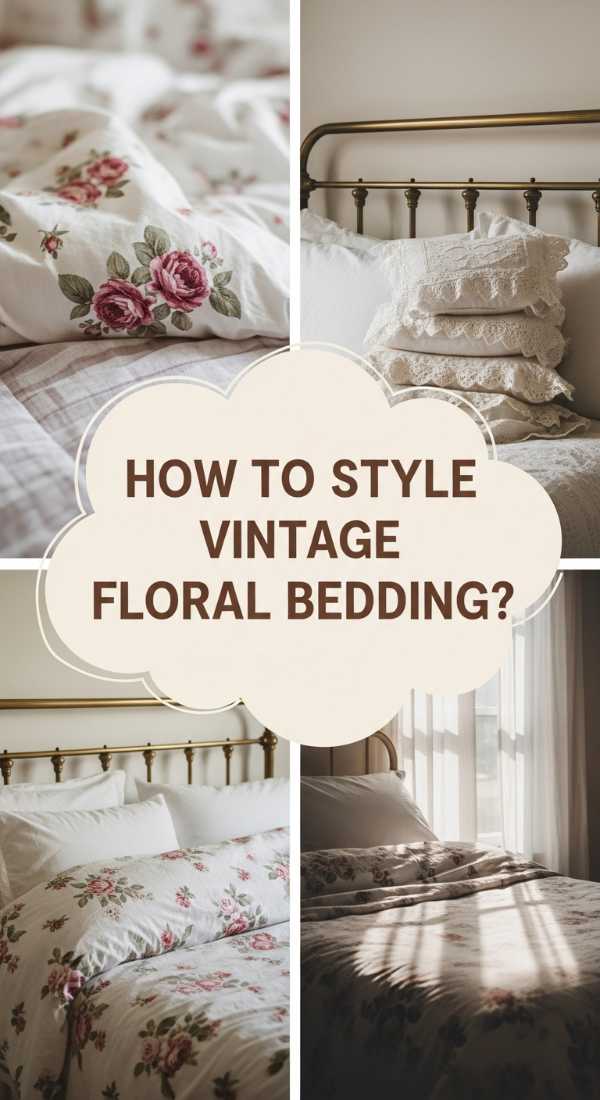
Why we love this
There is an inherent soulfulness in vintage floral patterns that modern prints often struggle to replicate. When you slide into a bed adorned with faded roses or delicate sweet peas, you aren’t just laying down to sleep; you’re wrapping yourself in a sense of history and comfort. We love the tactile softness of aged cotton and the way the muted palettes evoke the feeling of a sun-bleached patio in mid-July. It creates a space that feels lived-in, loved, and completely shielded from the fast-paced digital world outside your door.
Essential Elements:
- High-thread-count washed cotton or linen duvet cover with a vintage floral print.
- Matching pillow shams with ruffled or scalloped edges.
- A neutral, solid-colored coverlet for structural layering.
- Antique brass or wooden bed frame to ground the look.
How to make it
- Begin by prepping your linens; if they are authentic vintage, use a gentle steam setting to release wrinkles while preserving the fabric’s natural drape. Visual cue: the fabric should look soft and undulating, not stiffly pressed.
- Lay the base sheet flat, ensuring the floral pattern is oriented toward the headboard. When tucking the corners, use the ‘hospital tuck’ technique for a crisp foundation that prevents the top layers from shifting.
- Apply the duvet, ensuring the weight is distributed evenly. Fold the top third of the duvet back toward the foot of the bed. Visual cue: This creates a ‘loft’ effect that mimics the plushness of a cloud.
- Arrange your shams at a 45-degree angle against the headboard. This height creates a visual ‘bloom’ that draws the eye upward and makes the bed feel like the centerpiece of the room.
How to Create a Floral Bedroom Aesthetic for Instant Serenity
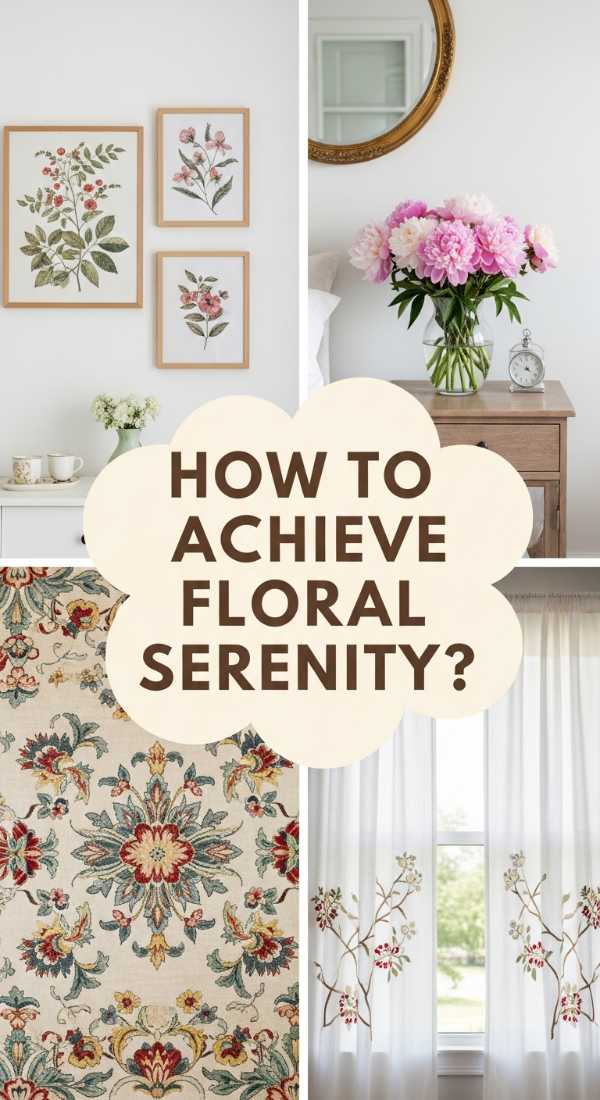
Why we love this
Creating a floral aesthetic is like painting a masterpiece where you get to live inside the frame. The secret to the serenity it provides lies in the organic shapes; nature doesn’t do straight lines, and by introducing curves and petals into your decor, you subconsciously signal your brain to lower its guard. We love how a floral-themed room feels like a deep, restorative breath. The aroma of a well-placed candle paired with the visual softness of the patterns works in tandem to lower cortisol and prepare your mind for a night of truly transformative rest.
Essential Elements:
- Floral-themed wall art or delicate botanical wallpaper.
- Fresh or high-quality silk greenery.
- Soft, diffused lighting (warm amber tones).
- A color palette derived from a single hero flower (e.g., Peony pink or Sage green).
How to make it
- Select your ‘hero’ floral element first—this could be a large-scale wallpaper or a primary quilt. This serves as your ‘anchor’ for the rest of the room’s color story.
- Balance the visual ‘heat’ of the florals by incorporating solid blocks of calming colors. Visual cue: If your floral is busy, use a 60-30-10 rule (60% main color, 30% floral, 10% accent).
- Position your lighting to graze the floral textures. Use warm-toned LED bulbs (2700K) to highlight the petals without creating harsh shadows. Visual cue: The room should glow with a soft, sunset-like radiance.
- Incorporate live plants at varying heights—on the floor, a nightstand, and a hanging planter. This ‘triple-level’ greenery mimics a natural garden canopy and purifies the air.
How to Layer Vintage Textiles for the Ultimate Cozy Bedroom

Why we love this
Layering is the secret sauce of the professional stylist, especially when working with vintage florals. It’s about creating a ‘nest’—a multi-dimensional space that feels warm even on the coldest winter nights. We love the interplay of different weights: the airiness of a lace throw against the substantial ‘thump’ of a hand-quilted floral blanket. Each layer adds a new chapter to the story of the room, providing physical warmth and a visual richness that makes your bed look absolutely irresistible after a long day of work.
Essential Elements:
- A variety of textures: lace, crochet, quilted cotton, and velvet.
- Different scales of floral patterns (one large, one micro-floral).
- Tonal consistency (keep all layers within the same color family).
- Functional accent pillows in varying shapes (bolster, square, round).
How to make it
- Start with your largest floral pattern on the duvet as the primary canvas. Check for even overhang on both sides of the mattress.
- Add a textured coverlet halfway down the bed. Visual cue: The edge of the coverlet should hit exactly where the duvet fold begins, creating a clean ‘step’ effect.
- Layer a vintage lace or crocheted throw diagonally across the bottom corner. Visual cue: Allow the lace to drape naturally toward the floor to break up the hard lines of the bed frame.
- Stack your pillows from largest to smallest, placing the floral prints in front of the solid textured ones. Professional tip: karate-chop the top of the pillows to create a subtle indentation that suggests softness and invitation.
How to Design a Botanical Haven for Deep Relaxation
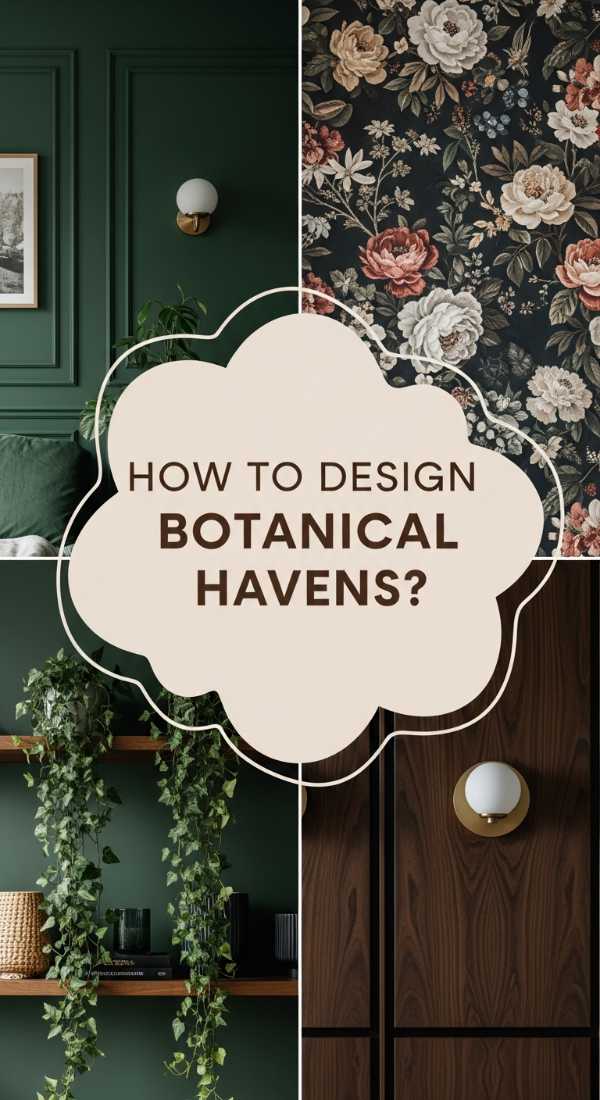
Why we love this
A botanical haven is more than just decor; it’s a commitment to wellness. By surrounding yourself with representations of growth and vitality, you foster a mindset of renewal. We love the way botanical prints—those scientific-looking illustrations of ferns and wildflowers—add an intellectual, sophisticated edge to the floral theme. It feels grounded and earthy, smelling of cedarwood and eucalyptus rather than just sweet blossoms. It’s the perfect aesthetic for those who want the beauty of the garden without the ‘frill’ of traditional country styles.
Essential Elements:
- Botanical line-art prints in wooden frames.
- Earthy color palette (terracotta, forest green, ochre).
- Natural fiber rugs (jute or wool).
- Live potted herbs or ferns on the windowsill.
How to make it
- Identify your focal wall and arrange a gallery of botanical prints. Visual cue: Space frames exactly 2 inches apart to create a structured, museum-like ‘grid’ that feels intentional and calm.
- Select bedding in a muted, mossy green to serve as the ‘grass’ of your indoor garden. Avoid high-gloss fabrics; opt for matte linens that absorb light.
- Introduce natural scents. Place dried lavender or eucalyptus in a vase on your nightstand. Professional tip: Crush a few leaves periodically to release the essential oils into the air.
- Minimize clutter. A botanical haven requires ‘white space’ to breathe. Visual cue: Only keep three items on your nightstand to ensure the eye focuses on the natural textures rather than the mess.
How to Mix Pastels and Florals for a Dreamy Sleep Space
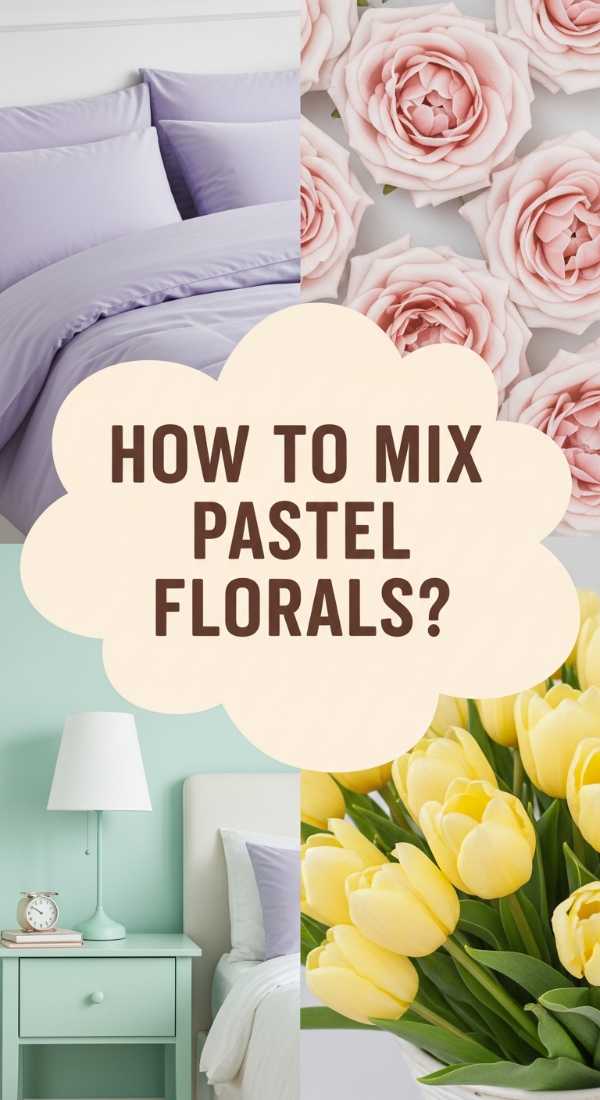
Why we love this
Mixing pastels with florals is like catching a sunset in a bottle. This combination is the epitome of ‘dreamy’—it’s soft, ethereal, and incredibly forgiving. We love how the lightness of lavender, mint, and peach allows the floral patterns to pop without overwhelming the room. It creates a space that feels perpetually bright, even on overcast days. Walking into a pastel floral room feels like stepping into a watercolor painting where the edges are soft and the world is kind.
Essential Elements:
- Pastel-colored walls (blush, pale sky blue, or buttercream).
- Floral prints featuring multiple pastel shades.
- Sheer curtains that allow light to filter through.
- Opalescent or glass accents for a touch of shimmer.
How to make it
- Paint the walls in a soft, matte pastel. Visual cue: The color should be so light it almost looks white in direct sunlight, revealing its true hue in the shadows.
- Choose a floral duvet that incorporates at least two of your pastel wall colors. This creates ‘chromatic harmony.’
- Use sheer voile curtains. Professional tip: Hang them high and wide—6 inches above the window frame and 10 inches past the sides—to maximize the ‘glow’ when the sun hits.
- Add a high-pile rug in a cream or pastel tone. Visual cue: The rug should feel springy underfoot, mimicking the soft moss of a garden path.
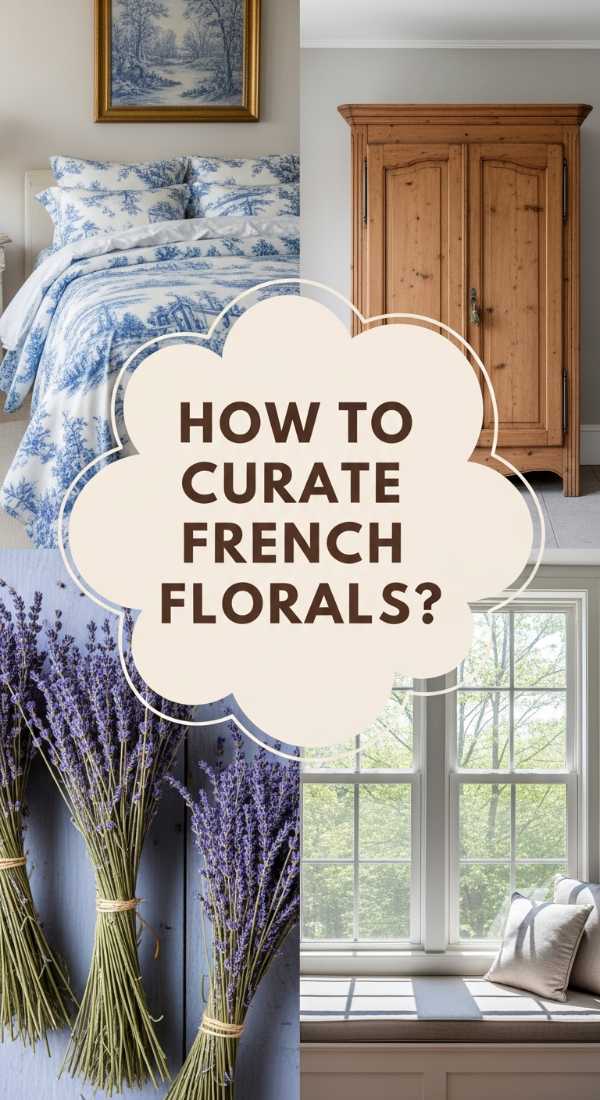
How to Curate a French Country Floral Bedroom for Eternal Spring
Why we love this
French Country style is the ultimate expression of ‘undone elegance.’ It’s about looking sophisticated while remaining completely comfortable and approachable. We love the use of Toile de Jouy and classic rose patterns paired with distressed wood. It evokes the feeling of a chateau in Provence, where the windows are always open and the scent of lavender fields drifts in on the breeze. It’s a style that celebrates imperfection—a wrinkled linen sheet here, a chipped paint edge there—making it incredibly easy to live in.
Essential Elements:
- Toile or large-scale cabbage rose patterns.
- Distressed white or ‘greige’ furniture.
- Crystal chandeliers or wrought iron lamps.
- Woven baskets for storage.
How to make it
- Select a bed frame with a curved silhouette—either upholstered in a floral fabric or made of wrought iron. Visual cue: The curves should mimic the natural vine-like growth of a rose bush.
- Mix patterns boldly. Pair a classic floral with a thin pinstripe or a small checked pattern. Professional tip: Keep the background color of all patterns consistent (e.g., all off-white) to prevent visual clashing.
- Incorporate ‘aged’ textures. Use furniture with a milk-paint finish that shows a bit of the wood grain underneath.
- Style with a large pitcher of fresh-cut flowers (peonies or hydrangeas are perfect). Visual cue: Don’t over-arrange; let them spill over the side of the vessel for that ‘just gathered’ look.
How to Achieve a Cottagecore Aesthetic with Floral Bedding

Why we love this
Cottagecore is more than a trend; it’s a longing for a simpler, more connected way of life. By focusing on floral bedding, you lean into the ‘homestead’ heart of this aesthetic. We love the whimsy of tiny ‘ditsy’ prints and the warmth of handmade elements. It’s a style that feels like a warm hug from a grandmother. It encourages us to slow down, pick up a book, and appreciate the small, beautiful details of our environment. It’s cozy, cluttered in the best way, and deeply nostalgic.
Essential Elements:
- Small-scale ‘ditsy’ floral prints.
- Quilts with patchwork details.
- Warm wood tones and thrifted finds.
- Dried flower bouquets and hanging herbs.
How to make it
- Focus on the ‘ditsy’ print—small, repeating flowers. Visual cue: From a distance, the bedding should look like a solid color; the floral detail should only reveal itself as you approach.
- Layer a handmade or heirloom quilt at the foot of the bed. If it has mismatched patches, even better. Professional tip: Drape the quilt unevenly to suggest a relaxed, lived-in atmosphere.
- Add a skirt to the bed. A ruffled floral bed skirt hides under-bed storage and adds a layer of ‘fluff’ that defines the cottagecore look.
- Display vintage books with floral spines on the nightstand. Visual cue: Stack them vertically and horizontally to create a varied, charming silhouette.
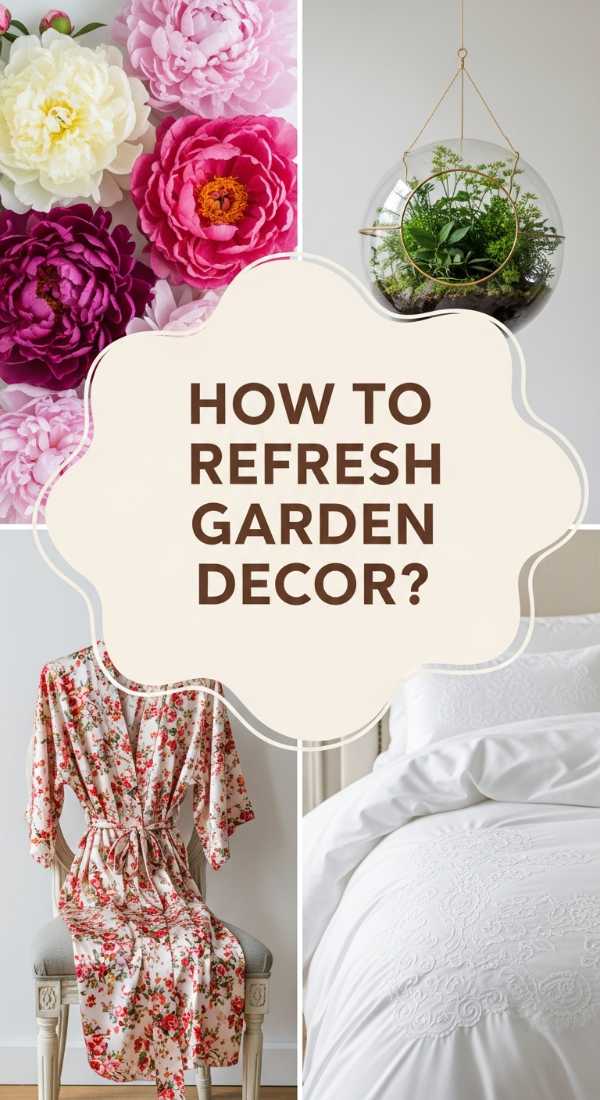
How to Refresh Your Bedroom Decor for a Lush Garden Feel
Why we love this
Refreshing your decor for a ‘lush’ feel is like giving your room a tall glass of water. It’s about vibrancy, saturation, and life. We love this approach because it feels incredibly modern and energetic. Instead of the muted tones of vintage styles, a lush garden bedroom uses deep emeralds, vibrant magentas, and rich teals. It’s for the bold soul who wants their bedroom to feel like a tropical conservatory. It’s energizing in the morning and incredibly moody and romantic at night, providing a multi-sensory retreat from the mundane.
Essential Elements:
- High-contrast floral prints (dark backgrounds with bright blooms).
- Velvet pillows in deep jewel tones.
- Large-leafed indoor plants (Monstera or Fiddle Leaf Fig).
- Gold or metallic accents to reflect light.
How to make it
- Swap out pale linens for a duvet with a dark, moody floral print—think Dutch Master paintings. Visual cue: The background should be charcoal or deep navy to make the floral colors ‘pop.’
- Introduce oversized greenery. Place a large plant in a corner where the light hits. Visual cue: The leaves should slightly overlap the edge of the bed or a chair to create an ‘immersive’ feel.
- Use velvet textures for your accent pillows. Professional tip: Choose colors found in the centers of your floral print (the stamens) to create a sophisticated color link.
- Add a mirror opposite the window. Visual cue: This doubles the visual amount of ‘greenery’ in the room and bounces natural light into the darker corners.
How to Combine Antique Furniture with Floral Patterns for Classic Elegance

Why we love this
There is a timelessness to the pairing of dark, heavy antiques with light, airy florals. It’s the ultimate balance of masculine and feminine energies. We love how the ornate carvings of a Victorian dresser or a mahogany bed frame provide a ‘frame’ for the softness of floral linens. It feels expensive, curated, and deeply grounded. This approach doesn’t follow trends; it creates a room that looks like it has been beautiful for a hundred years and will be beautiful for a hundred more. It’s the height of classic elegance.
Essential Elements:
- Dark wood antiques (walnut, mahogany, or cherry).
- Classic floral patterns like damask or English garden roses.
- Silk or high-sheen cotton linens.
- Formal window treatments (pleated drapes).
How to make it
- Place your floral bed in the center of the room, flanked by two matching antique nightstands. Visual cue: Symmetry is key to achieving a ‘classic’ and ‘elegant’ feel.
- Choose a floral pattern with a more formal, repeating structure rather than a random ‘scatter’ print. Visual cue: The pattern should feel organized and rhythmic.
- Polish your antique wood until it has a soft, deep luster. Professional tip: Use a beeswax-based polish to give the wood a ‘glow’ that complements the organic nature of the florals.
- Add a traditional area rug with a floral border. Visual cue: The rug should be large enough that all four legs of the bed sit on it, anchoring the heavy furniture.
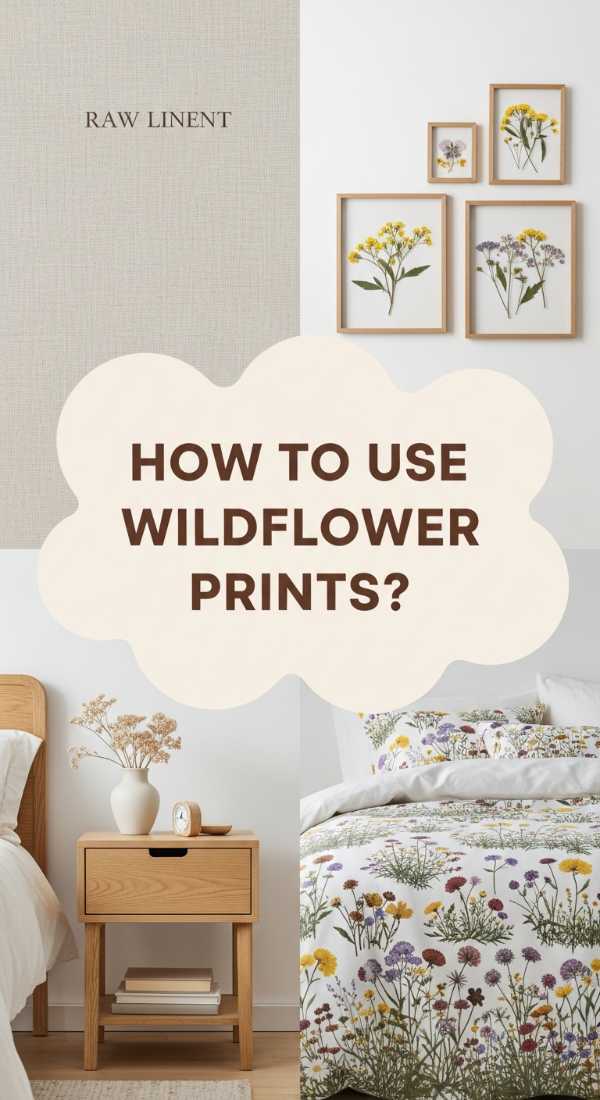
How to Incorporate Wildflower Patterns for a Natural Bedroom Retreat
Why we love this
Wildflowers represent freedom, resilience, and unstudied beauty. Incorporating these patterns into your bedroom creates a space that feels informal and breezy. We love the ‘untamed’ nature of wildflower prints—they feature stems, leaves, and varying heights, much like a real meadow. This style is perfect for the person who feels stifled by too much formality. It’s a ‘barefoot’ kind of luxury that smells of sun-warmed grass and fresh air. It’s simple, honest, and incredibly relaxing because it doesn’t demand perfection.
Essential Elements:
- Wildflower prints (poppies, daisies, cornflowers).
- Light-toned woods (birch, pine, or oak).
- Linen fabrics with a raw or fringed edge.
- Natural sunlight (keep window treatments minimal).
How to make it
- Choose bedding made of 100% flax linen. Visual cue: The natural ‘slubs’ and wrinkles in the linen perfectly complement the ‘wild’ nature of the flower prints.
- Keep the bed styling ‘loose.’ Instead of tight tucks, allow the duvet to hang naturally. Visual cue: It should look like someone just stepped out of it after a perfect nap.
- Decorate with ‘found’ objects from nature—smooth stones, interesting branches, or a bowl of pinecones.
- Use ‘invisible’ window treatments like light-filtering roller shades. Professional tip: During the day, keep the shades up to allow the shadows of outdoor trees to dance across your wildflower linens, blurring the line between inside and out.
Conclusion
Transforming your bedroom into a floral-inspired retreat is about more than just a quick decor swap; it’s about intentionally curating a space that fosters peace and reconnects you with the beauty of the natural world. Whether you lean into the nostalgic charm of cottagecore or the sophisticated depths of a French country aesthetic, the goal remains the same: to create a sanctuary where you can truly bloom. I hope this guide helps you find your own ‘garden to bed’ magic. Happy styling!