
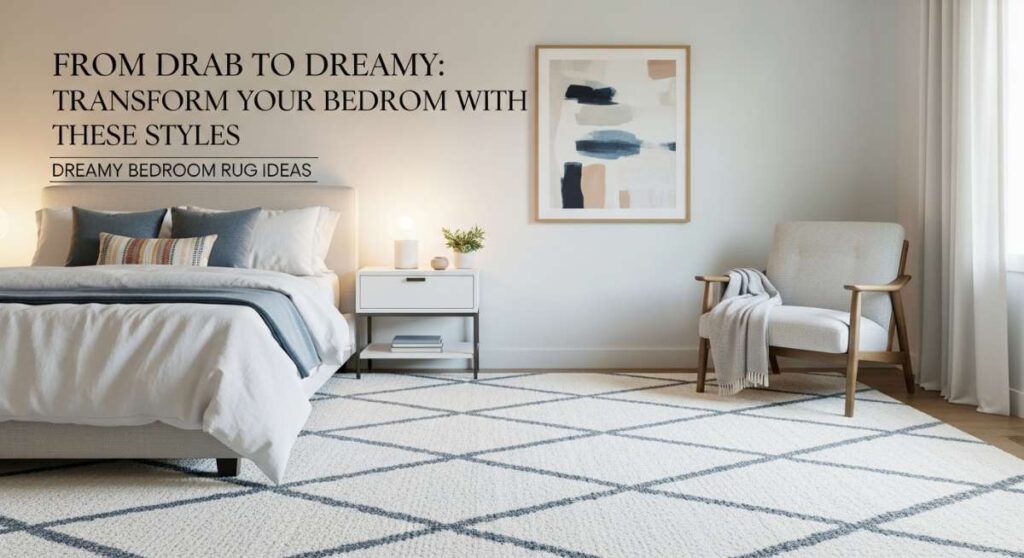
From Drab to Dreamy: Transform Your Bedroom with These Rug Styles
We’ve all been there: that moment when the alarm blares, and you have to psych yourself up just to let your bare feet touch the floor. If your bedroom feels more like a storage unit than a sanctuary, it’s likely because you’re missing the literal foundation of comfort. A rug isn’t just a piece of fabric; it’s the soul of the room, the piece that anchors your bed and whispers, “Welcome home.”
Creating a dreamy bedroom is about more than just aesthetics; it’s about crafting a sensory experience that calms your nervous system the moment you cross the threshold. Whether you’re a fan of the crisp, clean lines of modernism or the soulful, lived-in feel of a vintage sanctuary, the right rug is the secret ingredient. Let’s dive into how you can turn your sleeping quarters into the ultimate retreat with these transformative rug styles.
How to Select Soft Textures for Eternal Comfort

Why we love this
There is nothing quite like the sensory indulgence of a high-pile shag or a plush wool rug beneath your feet first thing in the morning. These soft textures act like a warm hug for your room, dampening sound and creating an atmosphere of absolute serenity that invites you to linger just a little longer in your pajamas. The way the light catches the individual fibers creates a visual softness that rounds out the sharp edges of wooden furniture, making the entire space feel like it’s enveloped in a gentle, hazy glow. It’s the ultimate luxury that transforms a functional sleeping space into a high-end spa experience.
Essential Elements:
- High-pile shag or faux fur material
- Wool or blended synthetic fibers for durability
- Non-slip rug pad for extra cushioning
- A neutral color palette like cream, oatmeal, or silver
How to make it
- Measure your floor space meticulously, ensuring the rug extends at least 24 inches beyond the sides of the bed to provide a soft landing zone.
- Prepare the ‘base layer’ by laying down a thick, felted rug pad; this acts as the insulation, much like preheating an oven, ensuring the final result is soft and stable.
- Position the rug under the bottom two-thirds of the bed, checking for symmetry on both sides to maintain visual balance.
- Brush the fibers upward using a wide-tooth rug rake or your fingers to ‘aerate’ the texture, giving it that high-volume, fluffy ‘doneness’ that looks professional and inviting.
- Maintain the fluffiness by vacuuming without a beater bar once a week to prevent the fibers from matting down under heavy foot traffic.
How to Style Jute Accents for Natural Living
Why we love this
Jute rugs bring an organic, earthy aroma and a grounded tactile quality that instantly connects your indoor space to the natural world. The golden, straw-like hues and chunky braids provide a sophisticated ‘raw’ aesthetic that works perfectly for those who crave a coastal or farmhouse vibe. We love how the rugged texture plays against silky bed linens, creating a high-contrast look that feels both curated and effortless. It’s a breathable material that keeps the room feeling fresh and light, perfect for those who want their bedroom to feel like a permanent summer vacation.
Essential Elements:
- Natural jute or sisal fibers
- Hand-braided or flat-weave construction
- Natural beige, tan, or bleached finishes
- Breathable mesh backing
How to make it
- Select a high-quality hand-braided jute rug, checking the weave for tight ‘knots’ which indicate a longer-lasting, more durable product.
- Prep the room by clearing away dust; natural fibers can shed slightly, so starting with a clean slate is essential for a pristine finish.
- Layer the jute rug diagonally or centered under the bed to anchor the furniture; use ‘visual heat’ by pairing it with warm wood tones in your nightstands.
- Trim any loose fibers (sprouts) with sharp scissors rather than pulling them, which preserves the integrity of the weave.
- Seal the look by adding a few potted plants nearby; the green foliage against the natural tan jute creates a ‘perfectly cooked’ organic aesthetic.
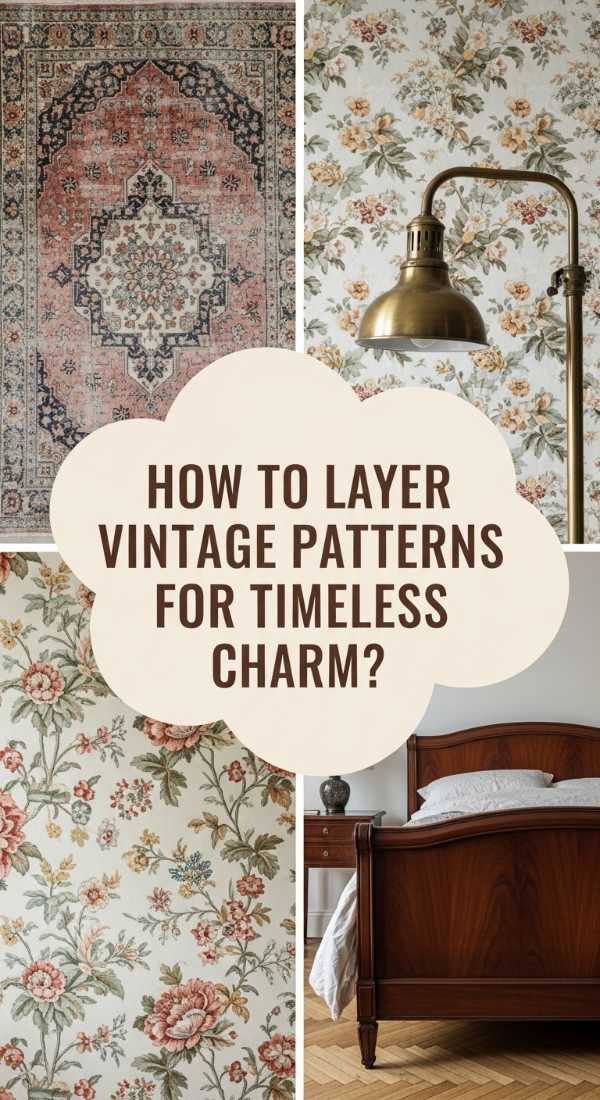
How to Layer Vintage Patterns for Timeless Charm

Why we love this
Vintage patterns carry a sense of history and soul that new furniture simply cannot replicate, offering a depth of color that feels rich and lived-in. The intricate motifs and faded jewel tones—like burnt orange, deep indigo, and sage green—provide a sophisticated backdrop that hides everyday wear while looking incredibly intentional. We love the way a distressed Persian or Turkish rug adds a ‘narrative’ to the room, making it feel like a collection of treasures rather than a big-box store showroom. It’s a timeless choice that brings warmth and a sense of ‘old world’ luxury to even the most modern apartments.
Essential Elements:
- Distressed or ‘faded’ traditional patterns
- Low pile height for a vintage feel
- Intricate borders and central medallions
- Muted jewel-tone color palette
How to make it
- Source a rug with a ‘low-heat’ color palette—think sun-faded reds or washed-out blues—to ensure it doesn’t overwhelm the bedroom’s calm energy.
- Align the central medallion of the rug with the center of your bed frame to create a focal point that draws the eye inward.
- Pair the rug with modern, sleek furniture to balance the ‘vintage’ flavor, preventing the room from looking like an antique shop.
- Assess the ‘visual doneness’ by checking the light; vintage patterns often change color depending on the angle, so rotate the rug until the ‘best’ side faces the entrance.
- Mist the rug lightly with a fabric refresher to enhance that clean, ‘just-restored’ feeling without damaging the aged fibers.
How to Arrange Minimalist Runners for Clean Aesthetics
Why we love this
Sometimes less is truly more, and minimalist runners are the perfect way to add comfort without cluttering the visual field of your room. By placing slim, sleek runners on either side of the bed, you define the walking paths while leaving your beautiful hardwood or tile floors exposed in the center. We love the architectural precision this style offers, creating a frame for the bed that feels organized and intentional. It’s a great solution for smaller bedrooms where a massive area rug might swallow the space, providing that essential soft landing without the ‘heavy’ feeling of a full-room carpet.
Essential Elements:
- Two matching runners (usually 2’x6′ or 2’x8′)
- Simple geometric or solid patterns
- Low-profile weave (flat-weave or low-loop)
- Neutral, high-contrast colors
How to make it
- Prep the floor by measuring the exact length of your bed frame; your runners should ideally match the length of the mattress or the bed frame itself.
- Position one runner on each side of the bed, leaving a 2-inch gap between the rug edge and the bed legs for a ‘floating’ effect.
- Use double-sided rug tape to ‘sear’ the edges to the floor, ensuring they don’t curl up and cause a tripping hazard in the middle of the night.
- Adjust the ‘timing’ of your decor by ensuring the runners are perfectly parallel; even a slight tilt can disrupt the clean, minimalist aesthetic.
- Finish the look by keeping the tops of your nightstands clear of clutter, letting the long, lean lines of the runners lead the eye toward the headboard.
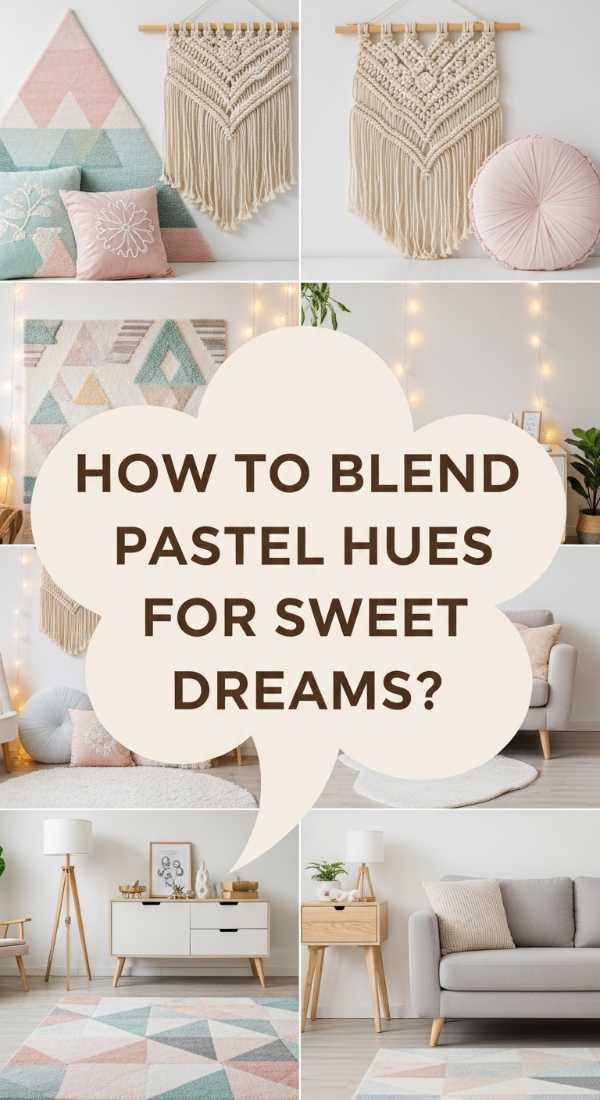
How to Blend Pastel Hues for Sweet Dreams

Why we love this
Pastel rugs act like a soft-focus lens for your bedroom, diffusing light and creating a whimsical, airy environment that feels incredibly peaceful. Shades of lavender, mint, and pale peach evoke the colors of a sunrise, helping to gently wake you up and soothe you to sleep at the end of a long day. We love the way these colors interact with natural sunlight, making a small room feel much larger and more open than it actually is. It’s a playful yet sophisticated way to introduce color without the aggression of bright primaries, keeping the ‘flavor’ of your decor sweet and light.
Essential Elements:
- Soft pastel dyes (dusty rose, sky blue, lilac)
- Subtle gradients or watercolor effects
- Soft-touch materials like viscose or bamboo silk
- Minimalist patterns
How to make it
- Select a rug with a ‘watercolor’ blend where colors bleed into each other, providing a visual cue of softness and fluidity.
- Prep the room with white or light-grey walls to allow the pastel rug to act as the primary ‘flavor’ profile without competing for attention.
- Place the rug under the bed and layer it with white linens to ‘brighten’ the heat of the pastel tones.
- Check the ‘doneness’ by standing in the doorway; the rug should feel like a soft mist on the floor rather than a solid block of color.
- Accessorize with metallic accents like gold or silver lamps to reflect the light off the rug’s surface, enhancing the dreamy, ethereal glow.
How to Source Organic Fibers for Sustainable Style

Why we love this
For the eco-conscious sleeper, nothing beats the purity of organic fibers like wool, organic cotton, or hemp, which are free from harsh chemicals and synthetic off-gassing. These rugs provide a ‘clean’ aesthetic in every sense of the word, offering a healthy environment for your lungs and a durable surface for your feet. We love the natural variations in color that come from undyed wool—the flecks of grey, cream, and brown create a sophisticated, heathered look that feels incredibly high-end. It’s a choice that feels as good for the planet as it does for your home, providing a grounded, honest foundation for your sanctuary.
Essential Elements:
- GOTS-certified organic cotton or wool
- Undyed or vegetable-dyed fibers
- Recycled backing materials
- Hand-loomed or hand-tufted construction
How to make it
- Research the ‘prep’ phase by looking for rugs with Oeko-Tex or GOTS certifications to ensure the highest level of organic purity.
- Select a chunky weave or a bouclé texture to add visual ‘flavor’ to the natural, undyed fibers.
- Layer the rug over a natural rubber rug pad, avoiding synthetic plastics that could negate the benefits of your organic ‘ingredients.’
- Maintain the rug with a gentle, pH-neutral soap for spot cleaning, ensuring you don’t ‘overcook’ or damage the natural proteins in the wool.
- Pair with linen bedding and reclaimed wood furniture to complete the sustainable, ‘farm-to-bedroom’ aesthetic.
How to Match Bold Shapes for Visual Interest
Why we love this
If you want your bedroom to have a personality as big as yours, bold shapes and geometric patterns are the way to go. These rugs act as a piece of floor art, using sharp angles and high-contrast lines to create a dynamic energy that keeps the room from feeling stagnant. We love how a bold rug can take a ‘drab’ room with plain white walls and turn it into a designer-level space with very little effort. It provides a focal point that draws the eye, making the bed feel like the throne of your own personal kingdom, and serves as a great conversation starter for anyone lucky enough to see your private retreat.
Essential Elements:
- High-contrast geometric patterns (chevrons, diamonds, hexagons)
- Bold color blocking
- Varying pile heights for 3D effects
- Symmetrical or intentionally asymmetrical layouts
How to make it
- Choose a rug with a ‘high-heat’ pattern—think black and white or navy and gold—to serve as the primary visual stimulant in the room.
- Prep the furniture layout so that the bed sits perfectly within the pattern’s symmetry, or intentionally offset it for a modern, ‘deconstructed’ look.
- Use the ‘rule of three’ by echoing the rug’s geometric shapes in your throw pillows or wall art to create a cohesive flavor profile.
- Observe the ‘visual cues’ of the room; if the pattern feels too loud, dampen it by adding a solid-colored duvet cover.
- Ensure the rug is large enough that the pattern isn’t ‘cut off’ by the bed, which can make the design look unfinished or ‘raw.’
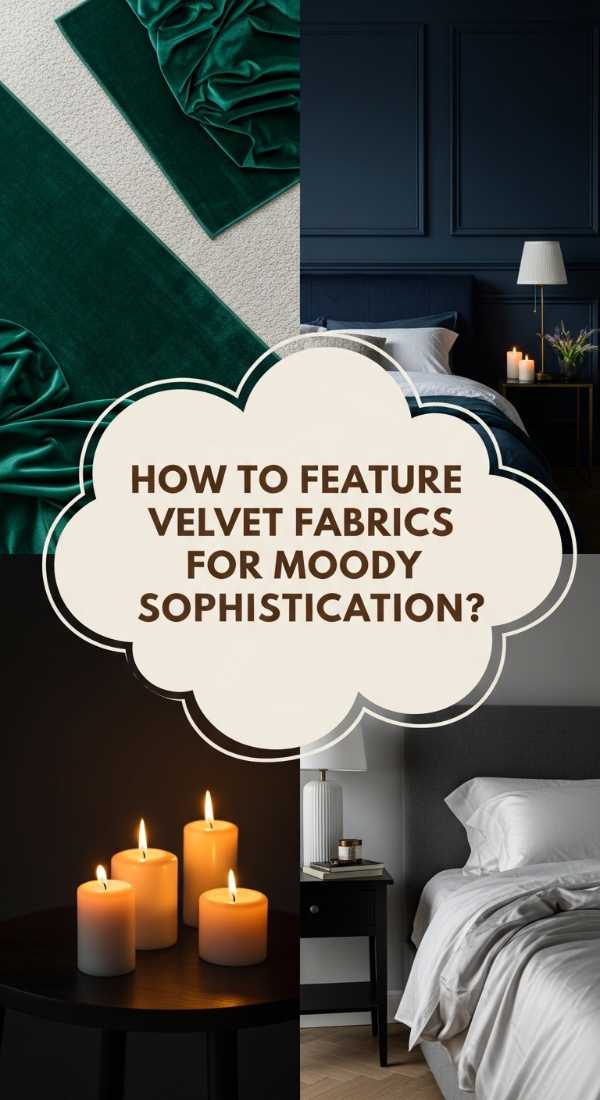
How to Feature Velvet Fabrics for Moody Sophistication
Why we love this
There is a certain ‘midnight’ quality to velvet or silk-blend rugs that brings an instant sense of moody sophistication and glamour to a bedroom. The way the light shimmers across the surface creates a liquid-like appearance that feels incredibly sexy and high-end. We love the weight and drape of these rugs; they feel substantial and grounding, providing a rich ‘base note’ for a room filled with dark woods, metallic accents, and soft candlelight. It’s the perfect choice for someone who wants their bedroom to feel like a boutique hotel lounge where the nights are long and the sleep is deep.
Essential Elements:
- Viscose, silk, or high-sheen synthetic blends
- Deep, moody colors (emerald, charcoal, navy)
- Smooth, low-pile finish
- High-density weave for a ‘heavy’ feel
- Lustrous finish that reflects light
How to make it
- Select a rug with a high luster; when you ‘prep’ the room, ensure you have multiple light sources (lamps, sconces) to hit the rug from different angles.
- Position the rug under the bed, ensuring the ‘grain’ of the pile faces the door so the most luminous side is visible upon entry.
- ‘Sear’ the look by pairing the rug with velvet curtains or a tufted headboard to carry the luxurious texture throughout the space.
- Monitor the pile; occasionally use a soft-bristled brush to keep the fibers laying flat and shimmering, avoiding the ‘crushed’ look of uneven wear.
- Keep the room’s temperature ‘cool’ visually by using dark, saturated colors that allow the rug’s sheen to pop like a professional finishing glaze.
How to Curate Cozy Layers for Scandi Simplicity
Why we love this
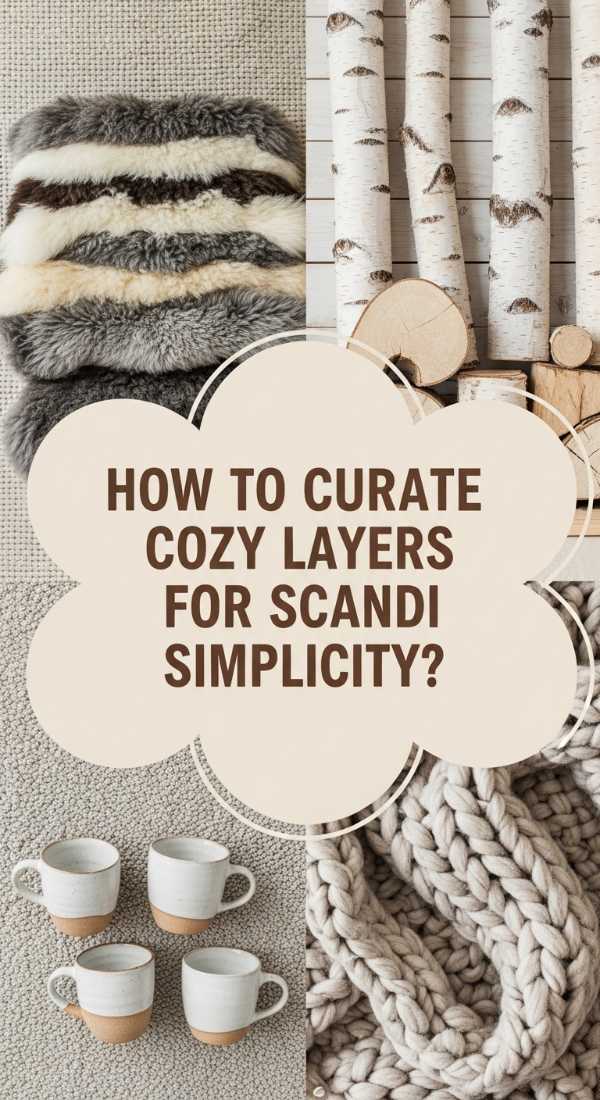
The Scandinavians have mastered the art of ‘Hygge,’ and layering rugs is a key technique for achieving that ultimate cozy simplicity. By stacking a smaller, high-texture rug (like sheepskin) over a larger, flat-weave base, you create a tiered look that is visually interesting and physically comforting. We love the way this method allows you to play with different ‘ingredients’—the rough texture of a flat-weave combined with the cloud-like softness of a topper. It’s a practical and stylish way to add extra warmth exactly where you need it most, making your bedroom feel like a snug cabin tucked away in the woods.
Essential Elements:
- Large base rug (neutral flat-weave)
- Smaller topper rug (sheepskin, cowhide, or faux fur)
- Complementary neutral tones (white, grey, tan)
- Natural, tactile materials
How to make it
- Start with your ‘base layer’—a large, thin rug that covers the majority of the floor space around the bed.
- Prep the ‘topper’ by shaking it out to maximize volume; this is your ‘garnish’ that adds the final touch of comfort.
- Place the smaller rug at an angle next to the bed or at the foot of it, creating a layered ‘crust’ of texture that looks effortless.
- Ensure the base rug is secured with a thin pad so the topper doesn’t cause the whole ‘stack’ to slide or bunch up.
- Adjust the ‘flavor’ of the room by using different topper rugs for different seasons—lighter cotton for summer, heavier fur for winter.
How to Position Round Rugs for Balanced Flow
[IMAGE_10]
Why we love this
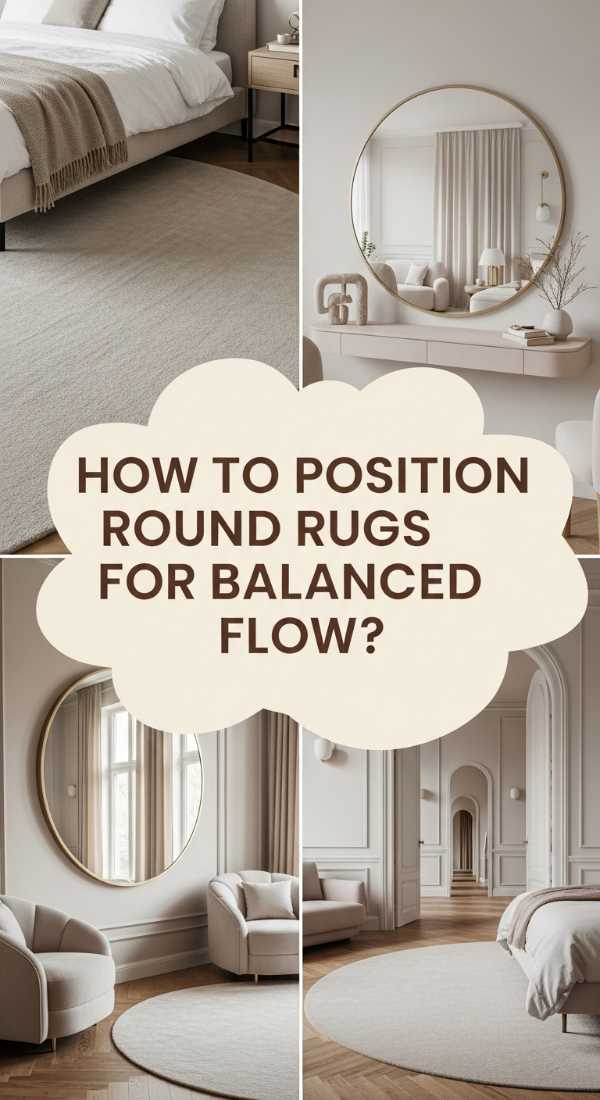
Round rugs are the ultimate ‘recipe’ for breaking up the boxy, rectangular feel of a standard bedroom, introducing soft curves that promote a better flow of energy. They are perfect for creating ‘zones’ within a room—like a cozy reading nook or a vanity area—without cutting the space off with hard lines. We love the way a circular rug under a corner of the bed or centered in an open floor area creates a ‘ripple effect’ of style, drawing the eye in a more fluid, natural motion. It’s a designer trick that makes a room feel custom-made and expertly balanced, offering a whimsical departure from the expected.
Essential Elements:
- Circular or oval shape
- Diameter of at least 6 to 8 feet
- Central design or concentric patterns
- Soft, flexible materials that lay flat easily
How to make it
- Measure the ‘open air’ of your room to find the perfect diameter; the rug should ‘breathe’ and not touch the walls.
- Prep the positioning by placing the rug so that only a third of it sits under a corner of the bed, creating an asymmetrical, modern ‘plating’ of the furniture.
- Use the circular shape to ‘anchor’ a secondary piece of furniture, like a velvet armchair or a small side table, to create a ‘satellite’ zone.
- Check the ‘visual balance’ by walking around the rug; it should feel like a focal point that anchors the room’s flow, not a ‘hole’ in the floor.
- Smooth the edges outward from the center during installation to prevent ‘rippling,’ ensuring the rug sits flat and perfectly round for a professional finish.
Conclusion: Your Dream Sanctuary Awaits
Transforming your bedroom from drab to dreamy doesn’t require a full renovation; often, it just requires the right foundation. By choosing a rug that speaks to your sensory needs and your personal style, you’re not just decorating—you’re investing in your own well-being. Whether you go for the lush indulgence of soft textures, the earthy grounding of jute, or the sophisticated shimmer of velvet, your rug will be the piece that finally makes your house feel like a home. So, go ahead—take the plunge, find your perfect match, and prepare to wake up in the sanctuary you’ve always dreamed of.
Frequently Asked Questions
What is the best rug size for a Queen-sized bed?
For a Queen bed, an 8×10 rug is usually the sweet spot. It allows for about 2 feet of rug to show on all sides, providing that essential soft landing for your feet when you get out of bed.
How do I keep my rug from sliding on hardwood floors?
Always use a high-quality rug pad. Not only does it prevent sliding and potential trips, but it also provides extra cushioning and protects both your rug and your floors from wear and tear.
Can I layer a rug over carpet?
Absolutely! Layering a rug over carpet is a great way to add color and define a space. Just be sure to use a rug-to-carpet pad to prevent the top rug from ‘creeping’ or bunching as you walk on it.