

Designing Your Days: DIY Projects for a Purposeful Home
There is a quiet, profound magic in the act of shaping the space you live in. For many of us, our homes are no longer just places where we sleep and eat; they are the canvas upon which we paint our daily lives, the backdrop to our most cherished memories, and the physical manifestation of our inner peace. When we choose to DIY—to get our hands into the soil, to feel the grain of wood beneath our palms, or to brush a fresh coat of paint onto a tired wall—we aren’t just improving our property value. We are intentionally designing a life that feels as good on the inside as it looks on the outside.
In this guide, I’ve curated ten projects that bridge the gap between aesthetic beauty and functional living. Whether you are looking to create a sanctuary for your backyard animals, a whimsical space for your children to play, or a romantic retreat within your own bedroom walls, these projects are designed to help you slow down and savor the process. Let’s dive into how we can turn our houses into purposeful homes, one project at a time.
How to Design Flower Beds for a Stunning Front Entrance

Why we love this
There is nothing quite like the sensory explosion of a well-tended flower bed greeting you as you pull into the driveway. The earthy, damp aroma of fresh cedar mulch mixed with the delicate, sweet perfume of blooming jasmine or lavender instantly lowers the heart rate. We love this project because it provides immediate curb appeal while offering a tactile connection to the seasons; the way the soft petals of a peony feel against your fingertips or the vibrant visual rhythm of varying heights and textures creates a living gallery that changes every single day.
Essential Elements:
- High-quality garden soil and organic compost
- Natural wood mulch (cedar or hemlock)
- A variety of perennials (for longevity) and annuals (for seasonal color)
- Steel or stone edging materials
- Slow-release fertilizer granules
How to make it
- Begin by sketching a curved layout using a garden hose to mark the perimeter; curves feel more organic and welcoming than harsh, straight lines.
- Remove existing sod and weeds using a sharp spade, ensuring you dig deep enough to clear the root systems entirely.
- Amend the ground by tilling in at least 3-4 inches of organic compost and high-quality topsoil to ensure your plants have the nutrient-dense foundation they need to thrive.
- Place your plants while they are still in their pots to visualize the layout; put the tallest varieties (like delphiniums or tall grasses) in the back and shorter, mounding plants (like pansies or creeping phlox) in the front.
- Dig holes twice as wide as the root ball of each plant, gently tease the roots if they are pot-bound, and set them into the ground at the same depth they were in the nursery container.
- Install your edging material to create a crisp border, then apply a 3-inch layer of mulch across the entire bed, being careful not to pile it directly against the stems of the plants.
- Water deeply and immediately to settle the soil and remove air pockets around the roots.
How to Build DIY Duck Enclosures for Happy Backyard Pets

Why we love this
The gentle, rhythmic ‘waddle-quack’ of happy ducks is the ultimate soundtrack for a peaceful backyard. Building a dedicated enclosure for these feathered friends is an act of love that rewards you with the most incredible eggs and a hilarious cast of characters to watch every evening. We love the rustic, farmhouse aesthetic of a wooden duck house; the smell of fresh pine shavings and the sight of your ducks tucked safely behind hardware cloth gives a sense of deep homesteading satisfaction that connects you directly to the rhythms of nature.
Essential Elements:
- Pressure-treated lumber for the frame
- Hardware cloth (1/2 inch gauge for predator protection)
- Corrugated roofing panels
- Large rubber tub for a ‘mini pond’
- Hinged nesting box lid and sturdy door latches
How to make it
- Frame out a 4×4 or 4×8 base using 2×4 pressure-treated lumber, ensuring the structure is elevated at least 6 inches off the ground to prevent rot and keep the floor dry.
- Construct the wall frames, keeping one side slightly higher than the other to create a sloped roofline that allows for easy rainwater runoff.
- Wrap the entire lower section of the run in hardware cloth, burying the mesh at least 6-12 inches into the ground to prevent burrowing predators like foxes or raccoons from entering.
- Install a solid floor in the sleeping area—plywood covered with linoleum is a great ‘pro tip’ as it makes cleaning up duck messes significantly easier with a quick hose-down.
- Attach corrugated roofing panels using specialized roofing screws with rubber gaskets to ensure a completely watertight seal for those rainy nights.
- Create a wide ramp with small wooden slats for traction, as ducks are much less agile than chickens and need a steady incline to enter their house.
- Add a deep rubber basin in the run area for swimming, ensuring it is positioned near a drainage point for frequent water changes.
How to Choose Two Tone Deck Color Ideas for a Modern Backyard

Why we love this
A deck shouldn’t just be a flat surface; it should be an architectural statement that feels like an extension of your interior design. The two-tone approach—pairing a dark, grounding charcoal or espresso with a warm, honey-toned cedar—creates a visual depth that is incredibly sophisticated. We love the way the sunlight catches the different pigment levels, highlighting the wood grain and making the entire backyard feel like a high-end resort. It’s a project that rewards the eye with contrast and makes every sunset cocktail hour feel a little more intentional.
Essential Elements:
- High-quality exterior wood stain (semi-transparent and solid)
- Power washer and wood cleaner
- Synthetic filament brushes and foam rollers
- Painter’s tape (multi-surface)
- Sandpaper (80 and 120 grit)
How to make it
- Thoroughly clean the deck using a specialized wood cleaner and a power washer on a medium setting; allow the wood to dry completely for at least 48 hours until the moisture content is low.
- Sand any rough patches or old remaining finish using 80-grit sandpaper, finishing with 120-grit for a smooth surface that will take the stain evenly.
- Apply the lighter, semi-transparent stain to the main floorboards first; use a ‘back-brushing’ technique where you roll the stain on and immediately brush it in to ensure deep penetration into the wood fibers.
- Once the floor is completely dry, use high-quality painter’s tape to mask off the areas where the floor meets the railing posts or the fascia boards.
- Apply the darker, solid color stain to the vertical elements, such as the railings, spindles, and the outer rim joists (fascia), which provides a ‘framed’ look to the deck.
- Check for ‘lap marks’ (where wet stain overlaps dry stain) and blend them out immediately with a dry brush to ensure a professional, uniform finish.
- Allow the entire structure to cure for 72 hours before moving furniture back onto the surface to prevent scuffing.
How to Create Mud Kitchen Rock Food for Creative Sensory Play

Why we love this
There is a whimsical, timeless joy in watching a child ‘cook’ a feast made of nothing but imagination and nature. Mud kitchen rock food brings a tactile, artistic element to backyard play that is far superior to plastic toys. We love the weight of the smooth river stones in small hands, the cool temperature of the rocks, and the vibrant colors of painted ‘strawberries’ or ‘fried eggs’ against the messy backdrop of mud. It’s a project that encourages slow play and artistic expression, turning a simple garden corner into a world of culinary wonder.
Essential Elements:
- Smooth, flat river rocks or beach stones
- Outdoor-grade acrylic paints or paint pens
- UV-resistant clear gloss sealer
- Assorted brushes (fine detail and flat)
- A dedicated ‘mud kitchen’ setup (wooden bench and bowls)
How to make it
- Scrub your rocks thoroughly with warm soapy water to remove any dirt or oils that might prevent the paint from adhering; let them dry completely in the sun.
- Apply a base coat of white acrylic paint to the top of the rock if you are painting light colors like yellow or pink; this makes the final colors ‘pop’ against the natural grey of the stone.
- Use paint pens for fine details—draw little seeds on strawberry rocks, stripes on carrot rocks, or a white circle with a yellow center for a ‘cracked egg.’
- For a realistic ‘bread’ look, use a sponge to dapple light brown and beige paint around the edges of a flat, rectangular stone.
- Allow the paint to cure for at least 24 hours in a dust-free environment.
- Apply two thin coats of a spray-on UV-resistant clear sealer; this is a critical step to ensure the paint doesn’t chip when the ‘food’ is tossed into metal pots or submerged in water.
- Once fully dry and no longer tacky, present the rocks in a wooden crate or basket next to the mud kitchen for immediate play.
How to Make Patriotic Wreaths for a Festive Summer Porch
Why we love this
A front door wreath is a handshake to the neighborhood, and a patriotic design captures the nostalgic, sun-drenched spirit of American summer. We love the interplay of textures—the scratchy, rustic feel of navy burlap against the crisp, smooth stripes of red and white ribbon. It evokes memories of firework displays, backyard barbecues, and the warm breeze of a July evening. Putting this together feels like a celebration of community and home, providing a vibrant focal point that makes your porch feel festive and finished.
Essential Elements:
- Wire wreath frame (18-inch)
- Red, white, and navy blue burlap or deco-mesh
- Star-shaped wooden cutouts or glitter stickers
- Floral wire and hot glue gun
- Thick wired ribbon for a statement bow
How to make it
- Start by securing the end of your navy blue burlap to the wire frame with a piece of floral wire; pull loops through the wire sections to create a ‘bubbly’ or ruffled texture for the top-left quadrant of the wreath.
- Repeat the looping process with alternating red and white burlap for the remaining three-quarters of the circle, ensuring the loops are tight and uniform so the frame is completely hidden.
- Paint your wooden stars white or silver, and once dry, use a hot glue gun to secure them onto the navy blue section to represent the field of stars.
- Create a ‘multi-loop’ bow using wired ribbon; the wire is essential because it allows you to fluff the loops so they don’t go flat in the outdoor humidity.
- Attach the bow at the junction where the blue and red/white sections meet using a long piece of floral wire threaded through the back of the wreath.
- Add small accents like miniature flags or faux blueberries for extra texture and visual interest.
- Step back frequently to check for symmetry and use your fingers to ‘tease’ the burlap loops into a perfect, full circle before hanging.
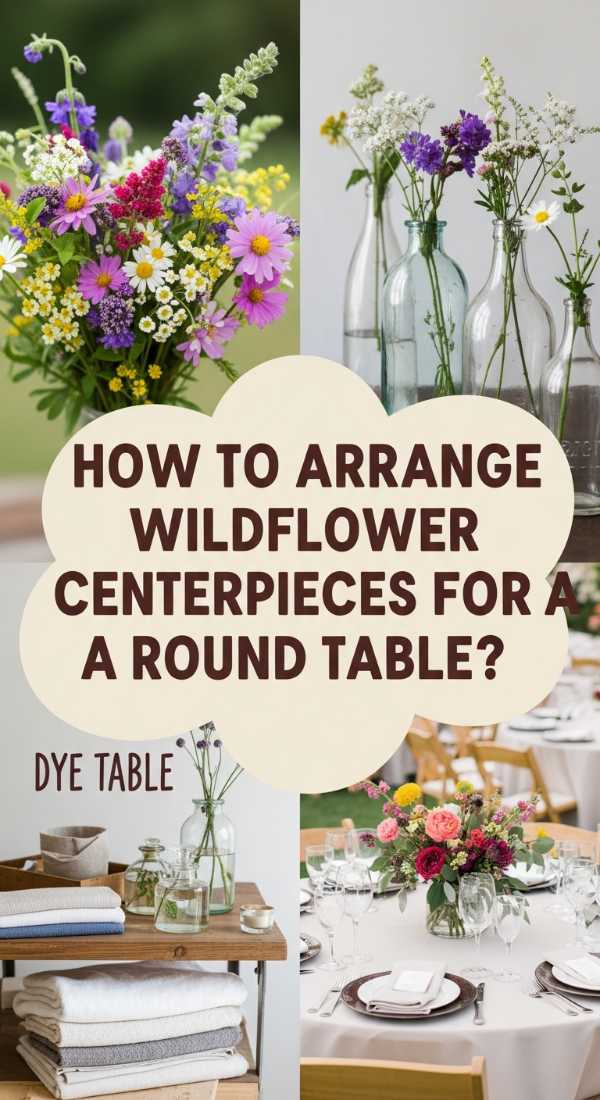
How to Arrange Wildflower Centerpieces for a Whimsical Round Table

Why we love this
Round tables invite conversation, and a wildflower centerpiece is the perfect, unpretentious guest. We love the ‘just-picked’ look of Queen Anne’s lace, cornflowers, and poppies arranged in a way that feels effortless yet curated. The scent is green and wild—nothing like the heavy, artificial smell of store-bought bouquets. It brings the untamed beauty of a summer meadow right into the heart of your home, creating a soft, whimsical focal point that feels airy, romantic, and deeply connected to the local landscape.
Essential Elements:
- A low, wide ceramic bowl or vintage pitcher
- Chicken wire or a floral frog (better for environment than foam)
- Freshly foraged or farmer’s market wildflowers
- Floral shears and flower food
- Clear waterproof tape
How to make it
- Fill your vessel with cool water and a packet of flower food; if using a bowl, create a grid across the top using clear waterproof tape to help the stems stay upright.
- Start with your ‘greening’ or foliage—place stems of eucalyptus, fern, or even herb branches like mint around the edges to establish the shape and width of the arrangement.
- Add your ‘thriller’ flowers—these are the stars like large zinnias or sunflowers; place them at varying heights, slightly off-center to maintain that whimsical, asymmetric look.
- Incorporate ‘fillers’ like baby’s breath or chamomile to plug any gaps and add volume without making the arrangement feel heavy or dense.
- Finish with ‘spillers’ or delicate ‘airy’ bits like cosmos or grasses that stick out further than the rest, giving the arrangement movement and a ‘dancing’ quality.
- Strip all leaves from the parts of the stems that will be below the waterline; this prevents bacterial growth and keeps your flowers fresh for days longer.
- Place the arrangement in the center of your round table, ensuring it is low enough that guests can easily see over it while talking.
How to Select Pink Spring Wallpaper for a Soft Romantic Bedroom

Why we love this
The right shade of pink can transform a bedroom from a simple sleeping area into a cocoon of warmth and romance. We love the way a soft, dusty rose or a subtle blush wallpaper interacts with morning light, casting a glow that makes the whole room feel like it’s blushing. Whether it’s a delicate floral or a textured linen-look, pink wallpaper adds a layer of sophisticated softness that feels both vintage and modern. It’s the ultimate way to design a space for rest, providing a visual ‘hug’ every time you walk through the door.
Essential Elements:
- Non-pasted or pre-pasted wallpaper (blush or rose tones)
- Wallpaper paste and a smoothing tool
- A sharp utility knife and a straight edge
- Seam roller
- Plumb line or laser level
How to make it
- Prepare your walls by filling any holes with spackle and sanding them flush; wipe down the walls with a damp cloth to remove dust, as any debris will show as a bump under the paper.
- Measure the height of your wall and cut your first strip of wallpaper, adding 2-3 inches of ‘bleed’ at the top and bottom for trimming.
- Use a plumb line or laser level to draw a perfectly vertical line on the wall; never trust the corners of a room to be straight!
- Apply the paste to the back of the paper (the ‘book’ method) or directly to the wall, depending on the manufacturer’s instructions, ensuring an even coat with no dry spots.
- Align the first strip with your plumb line and use a smoothing tool to push air bubbles out from the center toward the edges.
- When hanging the second strip, pay close attention to the pattern match at eye level, sliding the paper into place until the design aligns perfectly.
- Use a seam roller to flatten the edges where two strips meet, and trim the excess at the ceiling and baseboard with a fresh, sharp blade for a crisp finish.
How to Install DIY Outdoor Showers for a Refreshing Summer Escape
Why we love this
There is a primal, liberating joy in showering under the open sky, surrounded by the rustle of leaves and the chirp of birds. An outdoor shower is the ultimate summer luxury that brings a vacation vibe to your daily routine. We love the feeling of sun-warmed cedar on bare feet and the way the cool water rinses away the salt or sweat of a long day in the sun. It’s a purposeful addition that keeps the mess of the garden or beach outside while offering a sensory experience that is both refreshing and grounding.
Essential Elements:
- Outdoor-rated shower head and faucet kit
- Cedar or pressure-treated wood for privacy walls
- Gravel or river rock for the drainage base
- PEX tubing or heavy-duty garden hose adapters
- Stainless steel hardware (to prevent rust)
How to make it
- Select a location that offers both privacy and easy access to a water source, such as an exterior spigot; ensure the ground slopes slightly away from your home’s foundation.
- Dig out a 3×3 foot area to a depth of 6 inches and fill it with coarse gravel or river rocks; this acts as a natural ‘French drain’ for the greywater.
- Build a simple ‘L’ or ‘U’ shaped privacy screen using cedar slats, leaving small gaps between the boards to allow for airflow and a peek of the surroundings.
- Mount your shower plumbing to a sturdy 4×4 post or directly to the side of the house; using PEX tubing is a great DIY-friendly way to run water without complex soldering.
- Install a high-quality outdoor shower head with a ‘rainfall’ setting to maximize the luxury feel of the space.
- Attach a few heavy-duty hooks for towels and a small cedar shelf for biodegradable soap and shampoo.
- Connect your water source—if using a hose attachment for a cold-only shower, ensure you use a lead-free, drinking-water-safe hose to feed the system.
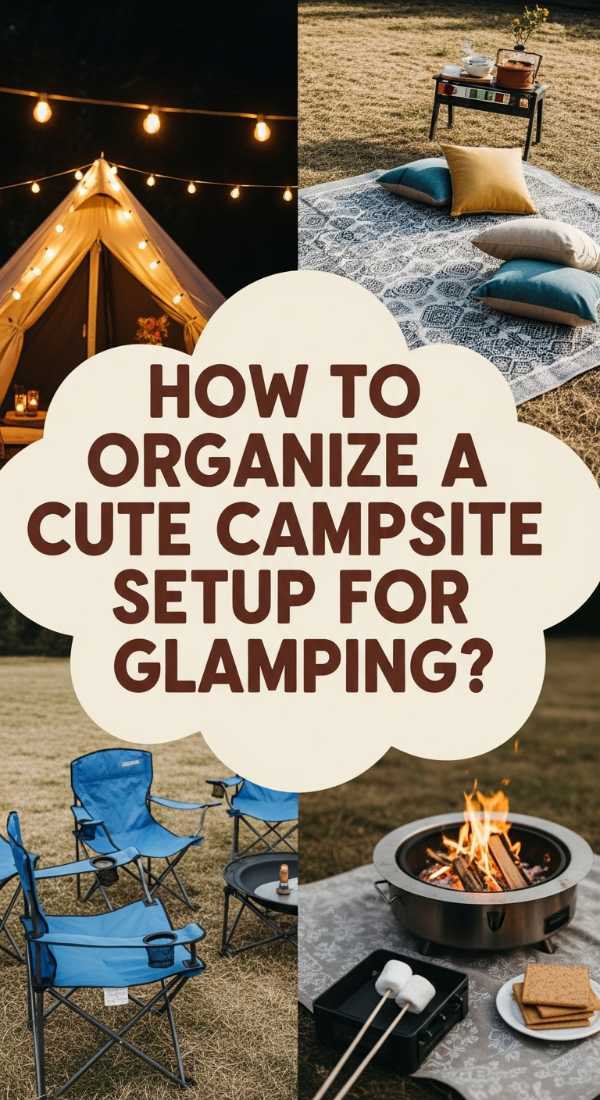
How to Organize a Cute Campsite Setup for the Ultimate Glamping Trip

Why we love this
Camping doesn’t have to mean roughing it; it’s an opportunity to design a mobile sanctuary that celebrates the great outdoors in style. We love the ‘glamping’ aesthetic where rugged nature meets plush comfort—think the glow of copper string lights against a canvas tent and the smell of pine needles mixed with freshly brewed coffee. It’s about creating an intentional space where you can disconnect from the digital world and reconnect with the people you love, all while surrounded by soft textures and cozy lighting that make the wilderness feel like home.
Essential Elements:
- Canvas bell tent or high-quality dome tent
- Battery-powered fairy lights or lanterns
- Outdoor rugs and floor cushions
- Collapsible wooden table and camp chairs
- A dedicated coffee/tea station with enamel mugs
How to make it
- Choose a flat, level site and clear away any large rocks or sticks; lay down a heavy-duty tarp before pitching your tent to prevent moisture from seeping through the floor.
- Define ‘zones’ within your campsite just like you would at home—a sleeping zone, a lounging zone, and a cooking zone—which helps keep the small space organized and functional.
- Layer your sleeping area with a high-quality air mattress or cot, topped with real linens, a wool blanket, and your favorite pillows from home for a guaranteed good night’s sleep.
- Place a weather-resistant outdoor rug at the entrance of the tent; this acts as a ‘mudroom’ to keep the interior of your tent clean and dirt-free.
- String warm-toned LED lights along the tent’s guy lines and around the entrance to create a magical evening ambiance and provide safety lighting.
- Set up a small wooden crate as a nightstand to hold your lantern, a book, and a bottle of water, keeping essentials within reach.
- Organize your camp kitchen in clear, labeled bins so you aren’t digging for the spatula while the bacon is sizzling over the fire.
How to Plan Landscaping Ideas with Low Retaining Walls for Depth
[IMAGE_10]
Why we love this
A flat yard can feel a bit one-dimensional, but a low retaining wall adds an architectural ‘hug’ to your garden that creates instant depth and sophistication. We love the way the cool, heavy stone or textured concrete blocks provide a permanent structure that contrasts with the soft, flowing movement of plants. These walls create perfect ‘stages’ for your favorite blooms, lifting them closer to eye level and creating a tiered effect that makes even a small backyard feel like an expansive, professionally designed estate. It is the foundation of a purposeful landscape.
Essential Elements:
- Retaining wall blocks or natural fieldstone
- Leveling sand and crushed stone (base material)
- Perforated drainage pipe
- Landscape fabric
- A heavy-duty rubber mallet and a long level
How to make it
- Mark the path of your wall with marking paint; for low walls (under 2 feet), a gentle curve is often more visually appealing and structurally stable than a straight line.
- Dig a trench that is twice as wide as your blocks and deep enough to accommodate 4 inches of compacted gravel plus half the height of your first course of blocks.
- Fill the trench with crushed stone and compact it thoroughly using a hand tamper; this is the most critical step to prevent the wall from shifting or leaning over time.
- Lay the first course of blocks with extreme precision, using your level on every single block to ensure the entire foundation is perfectly flat.
- Install a perforated drainage pipe behind the first course of blocks, sloped to an exit point, and cover it with clean gravel to prevent water pressure from building up behind the wall.
- Stack subsequent courses, staggering the vertical seams (like a brick pattern) for strength; use landscape adhesive between the top two layers to keep the ‘caps’ secure.
- Backfill the space behind the wall with gravel for drainage, topped with high-quality garden soil, and then plant trailing varieties like creeping rosemary or lobelia that will spill over the edge.
Conclusion: Embracing the Slow Life Through DIY
Designing your days is about more than just home improvement; it is about the intentionality we bring to our environments. Each of these projects, from the smallest painted rock to the construction of a backyard shower, offers a chance to pause, create, and appreciate the beauty in the functional. When we take the time to build, plant, and arrange, we aren’t just making a prettier house—we are making a life that feels deeply personal and wonderfully purposeful. So, grab your tools, get outside, and start crafting the sanctuary you deserve.