
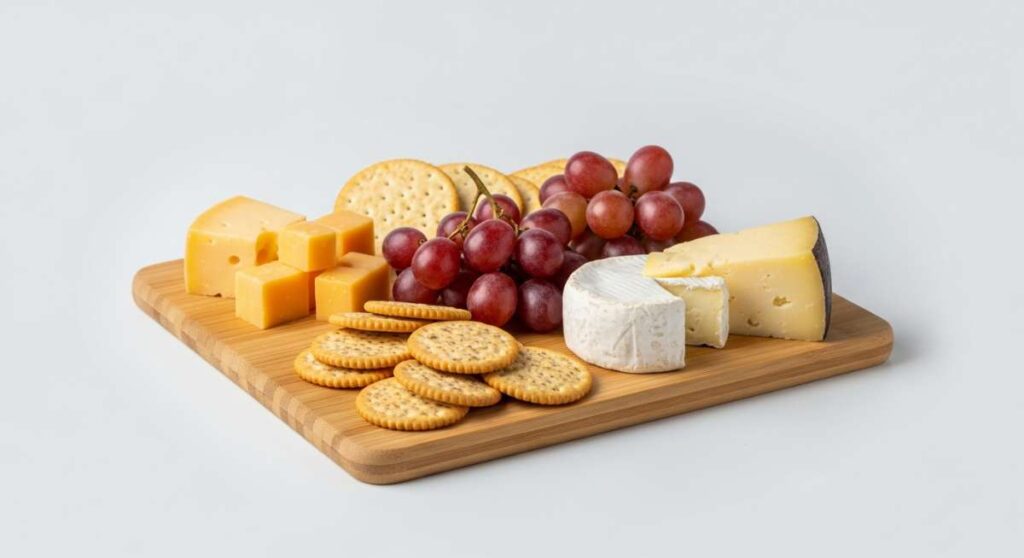
There is a certain magic that happens when you set a beautifully curated food board in the center of the table. It’s more than just a meal; it’s an invitation to linger, to pick, and to share stories over bites of something truly delicious. Lately, I’ve found myself leaning away from the stress of five-course meals and embracing the viral trend of ‘board dining’—where the focus is on high-quality ingredients and effortless assembly that looks like a work of art.
The secret to mastering this trend isn’t about spending hours in the kitchen or having a culinary degree; it’s about the power of three. By focusing on just three star ingredients for each element of your board, you create a harmonious balance of flavors that allows each component to shine. Whether you’re hosting a boisterous group of friends or just looking to elevate your Tuesday night dinner, these simple, elegant recipes will turn your wooden board into a gourmet canvas.
How to make japanese ramen?

Why we love this
Imagine the steam rising from a deep bowl, carrying the scent of earthy miso and toasted grains that instantly settles your soul. This 3-ingredient ramen is all about the contrast between the silky, slippery texture of the noodles and the rich, jammy decadence of a perfectly timed soft-boiled egg. The broth is a warm embrace, coating your tongue with a savory umami depth that feels complex and sophisticated despite its humble components. It’s a sensory experience that transforms a quick meal into a meditative ritual of slurping and savoring.
Ingredients
- Fresh or dried ramen noodles
- High-quality miso broth base
- Large organic eggs
How to make it
- Fill a large pot with water and bring it to a vigorous, rolling boil over high heat. While you wait, prepare a bowl with cold water and plenty of ice cubes to create a ‘shock’ bath.
- Gently lower your eggs into the boiling water using a slotted spoon to prevent cracking; set a timer for exactly 6 minutes and 30 seconds to achieve that viral, custard-like yolk.
- Immediately transfer the eggs to the ice bath once the timer goes off, letting them sit for at least 5 minutes before peeling carefully under cool running water.
- In a separate saucepan, heat your miso broth base over medium-low heat until it reaches a gentle simmer—avoid a hard boil to preserve the delicate probiotics and nuance of the miso.
- Cook the ramen noodles in a fresh pot of boiling water according to the package directions (usually 2-3 minutes), drain thoroughly, and place them in your serving bowl before drowning them in the hot broth and topping with your halved, jammy eggs.
How to cook easy dinner?

Why we love this
This steak and asparagus board is the epitome of rustic elegance, offering a charred, smoky aroma that fills the room and builds instant anticipation. The steak provides a robust, buttery chew that melts against the crisp-tender snap of vibrant green asparagus spears, creating a textural playground in every bite. When finished with a dollop of garlic herb butter, the oils mingle with the meat juices to create a natural sauce that is both decadent and deeply satisfying. It’s a hearty, high-protein meal that looks like it came from a high-end bistro but feels like home.
Ingredients
- Ribeye or Flank Steak
- Fresh Asparagus spears
- Garlic Herb Butter
How to make it
- Remove your steak from the refrigerator 30 minutes before cooking to bring it to room temperature; this ensures an even cook and a tender interior.
- Preheat a heavy cast-iron skillet over medium-high heat until it is smoking slightly, and trim the woody ends off your asparagus spears.
- Place the steak in the dry skillet (the fat will render out) and sear for 3-4 minutes per side without moving it, looking for a deep, mahogany-colored crust to form on the surface.
- In the final 2 minutes of cooking, toss the asparagus into the pan alongside the steak and add a generous knob of garlic herb butter, using a spoon to baste the foaming butter over the meat and vegetables.
- Transfer the steak to a cutting board to rest for at least 8 minutes—this is crucial for juice retention—then slice against the grain and serve alongside the charred asparagus.
How to roast golden beets?

Why we love this
Golden beets are the sun-kissed cousins of the traditional red beet, offering a mellow, honey-like sweetness without the intense earthiness that some find polarizing. When roasted, their interiors become incredibly tender and buttery, while the edges caramelize into a concentrated candy-like finish that sparkles on a food board. The aroma is softly floral and grounding, reminding you of a crisp autumn harvest even in the middle of summer. Paired with a sprinkle of flaky salt, they provide a vibrant pop of color and a sophisticated flavor profile that elevates the entire spread.
Ingredients
- Large Golden Beets
- Extra Virgin Olive Oil
- Flaky Sea Salt
How to make it
- Preheat your oven to 400°F (200°C) and line a heavy-duty baking sheet with parchment paper to prevent sticking and aid in cleanup.
- Scrub the beets thoroughly under cold water to remove any grit, pat them completely dry with a kitchen towel, and peel them using a vegetable peeler until the bright yellow flesh is exposed.
- Cut the beets into uniform 1-inch wedges or cubes to ensure they all cook at the same rate; smaller pieces will result in more caramelization.
- Toss the beet pieces in a bowl with enough olive oil to coat them generously, then spread them out on the baking sheet ensuring no two pieces are touching so they roast rather than steam.
- Roast for 35-45 minutes, flipping halfway through with a spatula, until a fork slides into the center with zero resistance and the edges are golden brown and slightly shriveled.
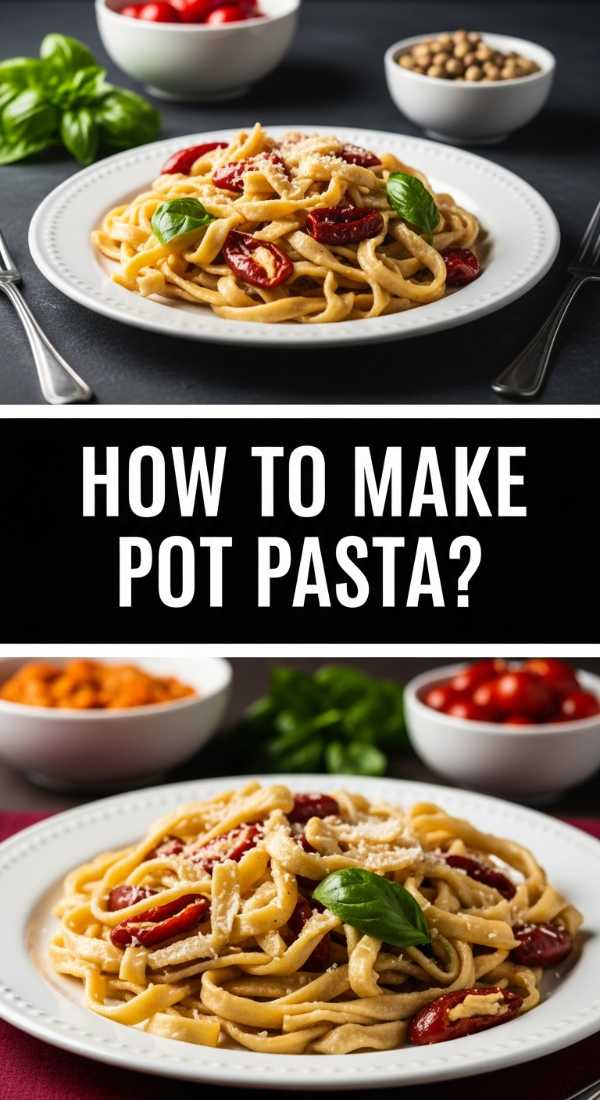
How to make pot pasta?
Why we love this
One-pot pasta is a revelation for the busy host, producing a sauce that is naturally creamy thanks to the starches released directly into the cooking liquid. The scent of simmering tomatoes and melting cheese creates an olfactory atmosphere of pure Italian comfort that draws everyone to the kitchen. Each noodle is infused with the flavor of the sauce from the inside out, resulting in a cohesive, velvety dish that feels luxurious on the tongue. It’s a warm, bowl-licking experience that proves you don’t need a dozen pans to create a viral-worthy dinner centerpiece.
Ingredients
- Dry Penne or Fusilli pasta
- Premium jarred Marinara sauce
- Fresh Mozzarella pearls
How to make it
- Place your dry pasta into a wide-bottomed pot or a deep skillet, ensuring the noodles lie in a relatively even layer.
- Pour in the entire jar of marinara sauce and then fill the empty jar with water, shaking it to get the last bits of sauce, and pour that water over the pasta until it is just submerged.
- Bring the mixture to a boil over medium-high heat, then immediately reduce to a simmer, stirring frequently to prevent the starch from sticking to the bottom of the pot.
- Cook for approximately 10-12 minutes, or until the pasta is al dente and the liquid has reduced into a thick, glossy sauce that clings to the noodles.
- Turn off the heat and fold in the fresh mozzarella pearls, stirring gently for just 30 seconds so they soften and become stringy without fully disappearing into the sauce.
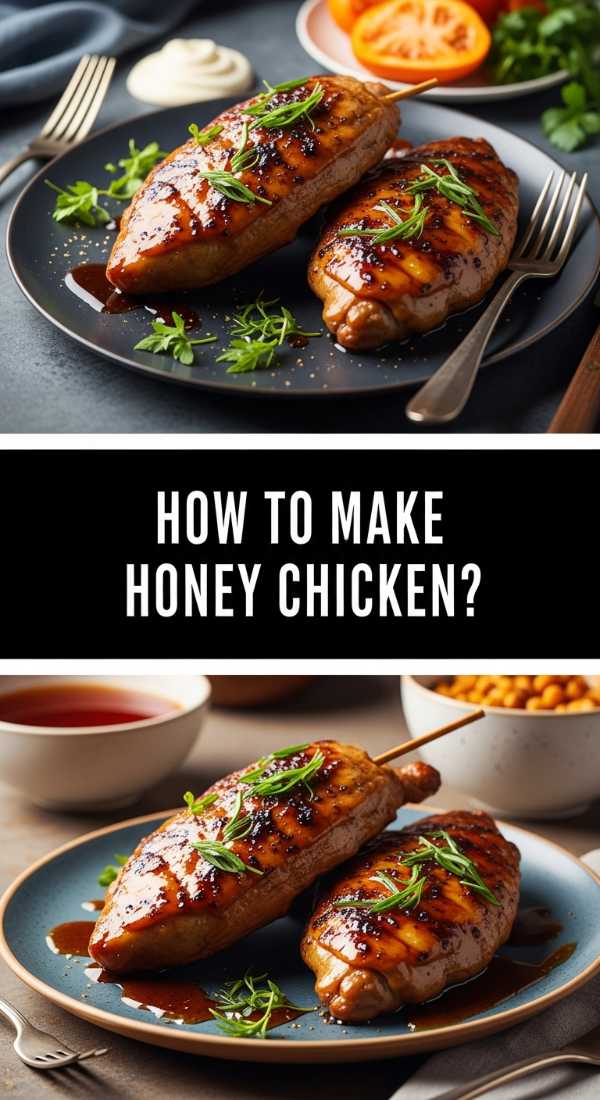
How to make honey chicken?
Why we love this
Honey chicken is a masterclass in the balance of sweet and savory, featuring a sticky, lacquered exterior that glistens under the light. The aroma of caramelized honey mingling with the salty depth of soy sauce creates an irresistible fragrance that is both nostalgic and exciting. As you bite through the tacky, sweet glaze, you reach the succulent, tender meat of the chicken that has been steamed to perfection inside its flavorful coating. It is messy in the best way possible, encouraging guests to get their hands dirty and enjoy every last drop of the amber-colored sauce.
Ingredients
- Chicken Thighs (boneless/skinless)
- Raw Wildflower Honey
- Low-sodium Soy Sauce
How to make it
- Slice your chicken thighs into bite-sized 1-inch pieces, ensuring consistency so they cook through at the same time without drying out.
- In a small bowl, whisk together equal parts honey and soy sauce until the honey is fully dissolved and the mixture is smooth and dark.
- Heat a non-stick skillet over medium heat and add the chicken pieces, cooking them for 5-6 minutes until they are opaque and have released most of their moisture.
- Pour the honey-soy mixture over the chicken and increase the heat to medium-high, stirring constantly as the sauce begins to bubble and froth.
- Continue stirring for 3-4 minutes as the liquid reduces into a thick, syrupy glaze that coats the chicken completely; stop once the sauce looks dark and tacky and no liquid remains in the pan.
How to roll fresh sushi?

Why we love this
There is something incredibly clean and refreshing about a board filled with hand-rolled sushi, offering a visual feast of emerald seaweed and snowy white rice. The texture is a delightful journey: the slight resistance of the nori, the soft stickiness of the seasoned rice, and the creamy richness of a ripe avocado. Each piece is a bite-sized explosion of zen, providing a cool, light contrast to the heavier cooked elements of a food board. Making it yourself adds a layer of artisanal pride to your spread, turning dinner into an interactive craft that everyone admires.
Ingredients
- Nori (Seaweed sheets)
- Prepared Sushi Rice
- Ripe Avocado
How to make it
- Place a sheet of nori on a bamboo rolling mat with the rough side facing up and the lines running horizontally to your body.
- Wet your hands with a mixture of water and rice vinegar to prevent sticking, then gently spread a thin, even layer of sushi rice over the nori, leaving a 1-inch border at the top.
- Slice your avocado into long, thin strips and place them in a horizontal line across the center of the rice layer.
- Using the bamboo mat, lift the edge closest to you and roll it over the avocado, tucking the edge tightly and applying firm, even pressure to create a compact cylinder.
- Moisten the top border of the nori with a finger dipped in water to seal the roll, then use a very sharp, wet knife to slice the roll into 6-8 uniform pieces.
How to cook hearty stew?

Why we love this
A hearty stew is the ultimate slow-food hero, filling your home with a deep, meaty aroma that suggests hours of patient simmering and care. The texture is thick and restorative, with chunks of beef that surrender at the slightest touch of a spoon and vegetables that have soaked up every ounce of savory broth. It provides a grounding, rustic element to a food board, served in a central iron pot where everyone can dip crusty bread into the rich, gravy-like liquid. It’s the definition of comfort, offering a warmth that radiates from the inside out and makes any gathering feel intimate.
Ingredients
- Beef Stew Meat (cubed)
- Frozen Root Vegetable Mix
- Beef Bone Broth
How to make it
- Sear the beef cubes in a heavy pot or Dutch oven over high heat with a splash of oil until they are deeply browned on all sides; do not crowd the pan or the meat will steam instead of sear.
- Pour in the beef bone broth, using a wooden spoon to scrape the bottom of the pot to release all the flavorful ‘fond’ created during the searing process.
- Bring the liquid to a boil, then immediately turn the heat down to the lowest possible setting, cover with a tight-fitting lid, and let it braise for at least 90 minutes until the meat is tender.
- Add the frozen root vegetable mix (usually carrots, potatoes, and onions) to the pot and stir to combine.
- Continue to simmer for another 20-30 minutes uncovered, which allows the vegetables to soften and the broth to reduce and thicken into a luscious, hearty stew.
How to glaze hot wings?

Why we love this
Hot wings are the life of the party, bringing a zesty, vinegary heat that wakes up the taste buds and adds a playful energy to your food board. The aroma of bubbling cayenne pepper and melted butter is sharp and appetizing, promising a spicy kick followed by a smooth, fatty finish. The skin of the wing should be slightly crisp, yielding to juicy meat that carries the heat all the way through to the bone. They are the perfect finger food, creating a communal vibe where guests can compare their spice tolerance and enjoy the addictive, lip-smacking quality of the glaze.
Ingredients
- Chicken Wings (flats and drums)
- Cayenne Pepper Hot Sauce
- Unsalted Butter
How to make it
- Pat the wings completely dry with paper towels—moisture is the enemy of crispiness—and bake them at 425°F (220°C) on a wire rack set over a baking sheet for 45-50 minutes.
- While the wings are crisping, melt the butter in a small saucepan over low heat, ensuring it doesn’t brown or separate.
- Whisk the hot sauce into the melted butter until the mixture is bright orange and emulsified, keeping it warm so it stays fluid for coating.
- Once the wings are golden brown and the skin is audibly crunchy, remove them from the oven and immediately toss them in a large stainless steel bowl with the warm glaze.
- Use tongs to toss the wings vigorously until every nook and cranny is coated in the spicy butter sauce, then serve immediately while the skin is still at peak crispness.
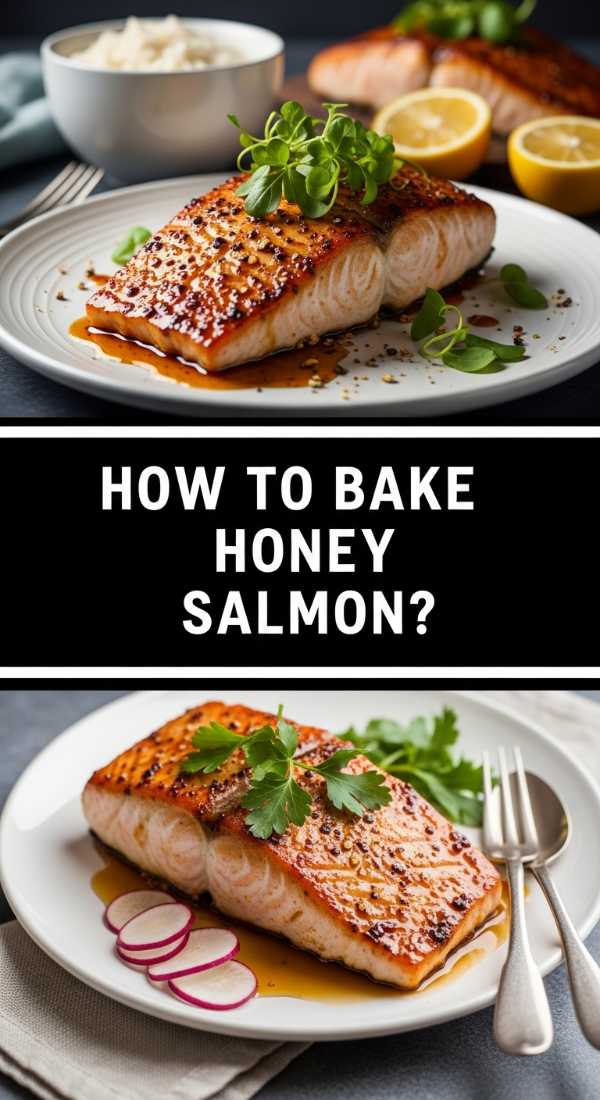
How to bake honey salmon?
Why we love this
Honey-baked salmon is a sophisticated addition to any board, offering a delicate, flaky texture that contrasts beautifully with a sticky, citrus-infused crust. The aroma of roasting fish and warm honey is light and elegant, punctuated by the bright, sharp scent of fresh lemon. As the honey caramelizes under the heat, it forms a thin, glass-like coating that locks in the moisture of the fish, ensuring every bite is succulent and tender. It’s a healthy yet indulgent option that brings a sense of refined dining to a casual board setting, looking stunning with its pink flesh and golden glaze.
Ingredients
- Fresh Salmon Fillets
- Raw Honey
- Fresh Lemon Slices
How to make it
- Preheat your oven to 400°F (200°C) and place the salmon fillets on a piece of aluminum foil or parchment paper with the skin side down.
- Generously drizzle the raw honey over the top of each fillet, using the back of a spoon to spread it evenly so it covers the entire surface.
- Layer thin slices of fresh lemon directly on top of the honey-coated salmon; the acid from the lemon will balance the sweetness of the honey during the bake.
- Fold the edges of the foil up slightly to create a ‘boat’ that will catch the juices and prevent the honey from burning on the baking sheet.
- Bake for 12-15 minutes, depending on the thickness of the fillet, until the salmon is opaque and flakes easily with a fork, then finish under the broiler for 60 seconds to brown the lemon edges.
The Art of the 3-Ingredient Board
As you can see, the viral food board trend isn’t about complexity—it’s about the intention behind each component. By choosing recipes that rely on just three high-quality ingredients, you reduce your time in the kitchen and increase your time at the table. These dishes are designed to be served together, creating a tapestry of flavors ranging from the spicy kick of hot wings to the soothing warmth of miso ramen. So, grab your largest wooden board, pick three or four of these recipes, and watch as your dining room transforms into the most popular spot in the house. Happy hosting!