
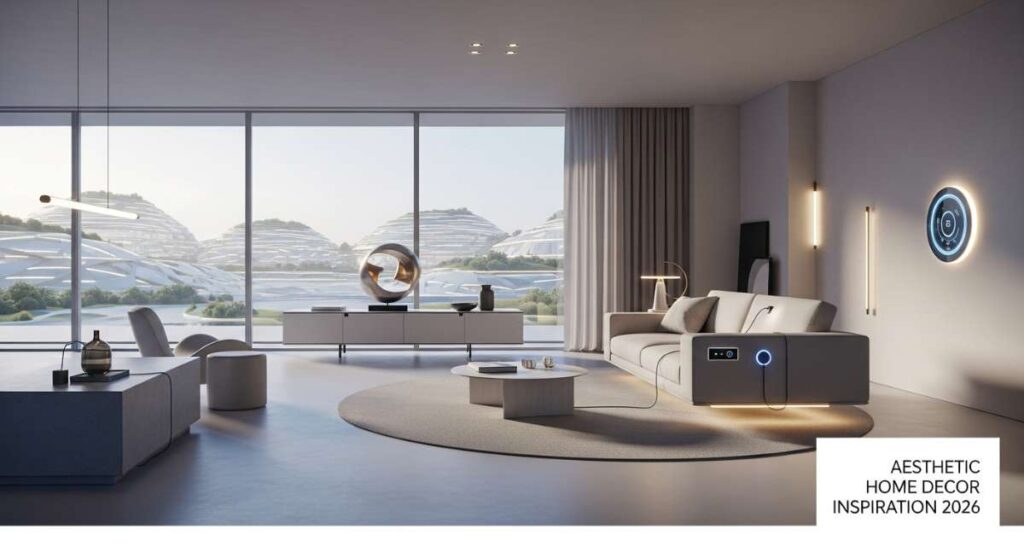
Close your eyes and imagine stepping into a sanctuary where the boundaries between the digital future and the serenity of nature have completely dissolved. As we look toward 2026, home decor is no longer just about furniture; it is about creating a feeling—a soft, high-tech cocoon that anticipates your needs while grounding your spirit. It is a world where sleek, holographic textures meet the raw, unrefined beauty of stone and silk.
We have spent years oscillating between cold modernism and cluttered maximalism, but this year, we are finding our sweet spot in Minimalism Meets Futurism. This movement is a warm hug from the future, inviting you to curate spaces that aren’t just ‘Instagrammable’ but deeply restorative. It’s about the whisper of smart fabrics, the glow of adaptive lighting, and the weight of a hand-thrown ceramic mug as you watch the sun rise over a space that is uniquely yours.
How to Design a Dreamy Goddess Bedroom for the Ultimate Night of Relaxation
Why we love this
There is something profoundly transformative about sinking into a bed that feels like a literal cloud woven from moonlight and lavender. This goddess-inspired aesthetic focuses on the tactile luxury of heavy silk sheets and the ethereal glow of soft, diffused backlighting that mimics a permanent golden hour. You can almost smell the faint scent of dried hibiscus and sandalwood lingering in the air as the cool touch of satin meets the warmth of a weighted faux-fur throw. It is a space designed to make you feel both powerful and protected, turning every night into a ritual of deep, restorative self-love.
Essential Elements:
- Charmeuse silk or high-thread-count eucalyptus bedding.
- Integrated smart LED strips behind the headboard for sunset gradients.
- A monolithic stone bedside table for a futuristic, grounded contrast.
- Amethyst or clear quartz clusters to catch the light.
- Floor-to-ceiling sheer drapery with hidden motorized tracks.
How to make it
- Prepare your foundation by clearing all visual clutter; the ‘Goddess’ vibe requires a clean slate to allow energy to flow freely.
- Select your ‘heat level’ for the lighting—set your smart bulbs to a 2700K warm amber for the evening phase, ensuring the light sources are completely hidden from direct view to create a soft halo effect.
- Layer your bedding using the ‘sandwich’ technique: start with a crisp cooling sheet, followed by a heavy silk duvet, and finished with a chunky knit throw at the foot for visual weight.
- Position your crystals where they will catch the morning sun; the visual cue for ‘doneness’ is when the room feels balanced between soft fabrics and hard, natural surfaces.
- Program your scent diffuser to release a fine mist of lavender and vanilla thirty minutes before you intend to enter the space, ensuring the aroma is fully bloomed but not overpowering.
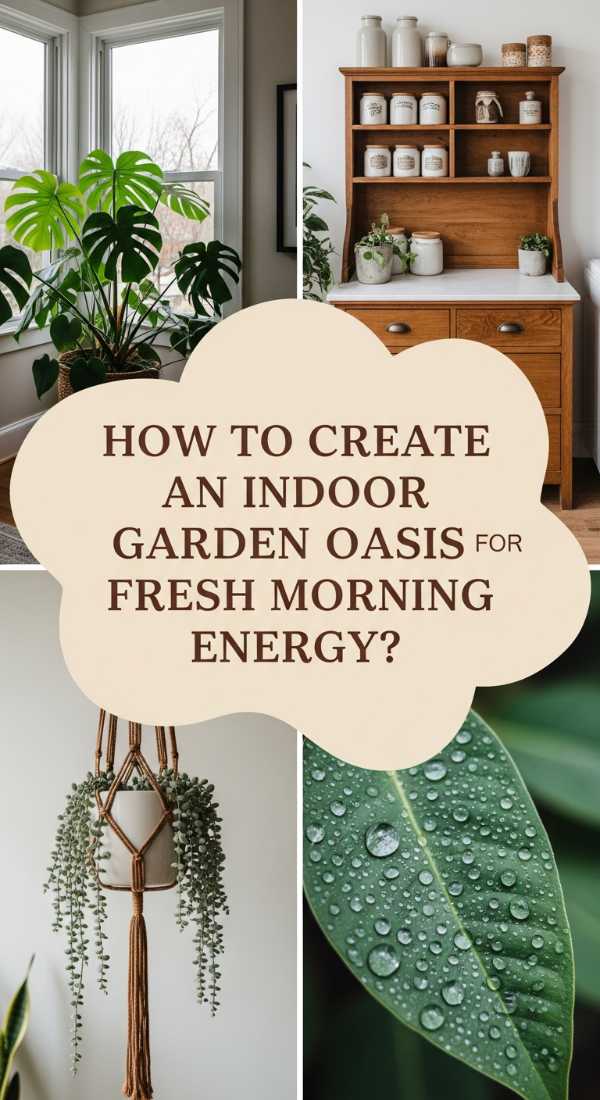
How to Create an Indoor Garden Oasis for Fresh Morning Energy
Why we love this
Waking up in a room that breathes with you is the ultimate futuristic luxury, bringing the forest floor into the heart of the 2026 home. We love this because it replaces the hum of electronics with the rustle of monstera leaves and the crisp, oxygen-rich air that only a dense collection of greenery can provide. The earthy aroma of damp moss and wet terracotta creates a sensory bridge to the outdoors, making your morning coffee feel like a meditation in a hidden glade. It’s a vibrant, living installation that constantly evolves, reminding us that even in a digital world, we are deeply connected to the soil.
Essential Elements:
- Automated hydroponic wall systems for vertical greenery.
- Terracotta and matte black ceramic planters.
- A variety of textures: trailing ivy, broad-leafed birds of paradise, and soft moss mounds.
- Smart grow lights disguised as sleek architectural spotlights.
- A small, recirculating stone water feature for ambient sound.
How to make it
- Assess the light levels of your space during the ‘peak’ hours of 10 AM to 2 PM to determine which plants will thrive without scorching.
- Assemble your vertical garden by securing the modular wall planters; ensure the irrigation lines are hidden behind the frame to maintain a minimalist futuristic look.
- Prep your soil mix with perlite and charcoal for optimal drainage—the visual cue for a healthy plant is firm, turgid leaves with a vibrant sheen.
- Calibrate your water feature to a low ‘simmer’; the sound should be a gentle trickle rather than a splashing noise, providing a professional acoustic backdrop for focus.
- Set your smart grow lights on a 12-hour cycle to mimic natural circadian rhythms, adjusting the intensity to a ‘medium-high’ setting for tropical varieties.
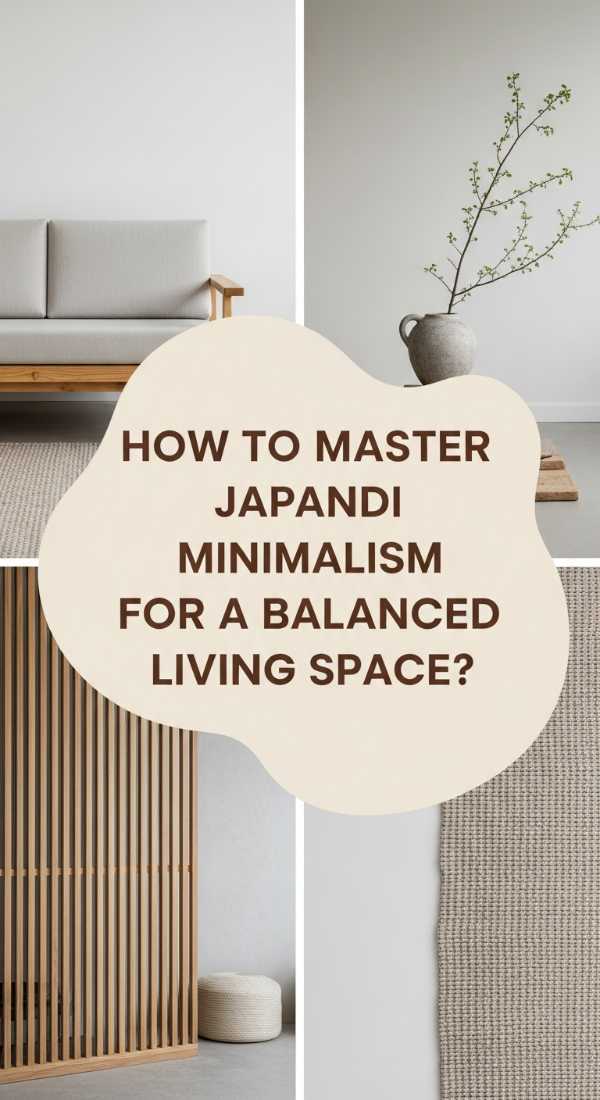
How to Master Japandi Minimalism for a Balanced Living Space

Why we love this
Japandi is the perfect marriage of Scandinavian functionality and Japanese rustic minimalism, offering a sense of ‘wabi-sabi’ perfection in an increasingly fast-paced world. This style emphasizes the beauty of the imperfect, where the grain of light oak meets the smooth, cool surface of a matte black ceramic vase. We adore the way this aesthetic strips away the unnecessary, leaving only the items that spark a deep sense of peace and utility. The smell of cedarwood and the feeling of walking barefoot on a natural jute rug create a grounded, centered atmosphere that feels timeless yet ahead of its curve.
Essential Elements:
- Low-profile furniture made from light-colored woods (ash or oak).
- A neutral color palette of oatmeal, slate, and charcoal.
- Functional decor like handcrafted tea sets and paper lanterns.
- Negative space (empty areas) used as a design element.
- Natural textures like linen, wool, and bamboo.
How to make it
- Apply the ‘edit’ phase by removing one piece of furniture from the room to increase ‘negative space’ and flow.
- Choose a focal point, such as a low-slung sofa, and align it with the room’s natural light sources to emphasize its silhouette.
- Balance your textures by pairing a rough-hewn wooden coffee table with a smooth, perfectly round ceramic bowl.
- Monitor the ‘visual temperature’ of the room; if it feels too cold (Scandi), add ‘warmth’ with a piece of charred wood or a dark, hand-woven basket.
- Finish the space with a single, architectural branch in a tall vase—the visual cue for success is a sense of effortless, quiet confidence.
How to Style a Chic Coffee Nook for a Slow Sunday Vibe

Why we love this
The ritual of the morning brew becomes a high-art experience when it has its own dedicated, beautifully styled sanctuary. We love the contrast of a high-tech espresso machine against a backdrop of organic marble and vintage-inspired glassware. The rich, nutty aroma of freshly ground beans fills the air, mingling with the steam that rises from a perfectly poured oat milk latte. It’s a tactile experience—the click of the portafilter, the heat of the ceramic mug in your hands, and the visual satisfaction of a perfectly organized ‘caffeine station’ that prepares you for a day of slow, intentional living.
Essential Elements:
- A floating marble or quartz shelf for a streamlined look.
- Minimalist canisters for beans, sugar, and tea leaves.
- A precision gooseneck kettle and high-end espresso maker.
- Textured amber glassware for an elevated retro-future feel.
- A small, integrated bin for used grounds to keep the space pristine.
How to make it
- Designate a corner with ‘high-traffic accessibility’ but away from the main kitchen chaos to preserve the ‘slow’ vibe.
- Install your floating shelf at ‘elbow height’—this is the professional standard for ergonomic pouring and prep.
- Organize your tools in order of use: grinder first, followed by the machine, then the serving area, creating a seamless workflow.
- Pre-heat your ceramic mugs by placing them on the machine’s warming rack; this small step ensures your beverage maintains its optimal temperature for longer.
- Wipe down all surfaces with a microfiber cloth to remove water spots—the visual cue for a chic nook is a mirror-like finish on all metallic and stone surfaces.
How to Layer Luxurious Textures for a Warm Winter Haven

Why we love this
When the temperature drops, your home should feel like a fortress of softness, a place where futuristic sleekness is softened by the embrace of oversized knits and velvet. We love the sensory depth of layering different weights of fabric—the way a chunky wool rug feels against the smooth finish of a polished concrete floor. The air should feel thick with the cozy scent of cinnamon and cedar, while the soft flickering of candlelight dances off the metallic threads of a throw pillow. It’s about creating a ‘nest’ that feels both technologically advanced and primal in its comfort.
Essential Elements:
- High-pile rugs layered over low-pile or hard flooring.
- A mix of velvet, wool, and faux-fur textiles.
- Metallic accents in brushed gold or copper to reflect warm light.
- Oversized floor cushions for informal lounging.
- A palette of deep jewel tones paired with soft greys.
How to make it
- Start with your ‘base layer’—a large, neutral rug that extends at least 12 inches beyond your furniture to ground the room.
- Apply the ‘rule of threes’ when layering pillows: mix a large solid velvet, a medium textured knit, and a small metallic accent for visual interest.
- Drape throws with intentional ‘casualness’ over the arms of chairs, ensuring they are easily reachable for immediate use.
- Set the ‘heat’ of the room by grouping candles of varying heights; use unscented candles for light and one high-quality scented candle for the ‘hero’ aroma.
- Check the visual cues: the room is ‘done’ when every hard surface is balanced by a soft touchpoint, creating a ‘hug’ effect for the inhabitant.
How to Organize a Productive Work Oasis for Creative Flow

Why we love this
In 2026, the home office is no longer a cubicle; it is a cockpit for creativity, designed to disappear when not in use while maximizing focus when the ‘on’ switch is flipped. We love the clean, distraction-free environment of a minimalist desk paired with ergonomic, sculptural seating that supports both the body and the mind. The scent of peppermint and citrus keeps the energy high, while the visual silence of hidden cables and integrated tech allows your thoughts to take center stage. It’s a space that feels fast, efficient, and deeply inspiring—a true futuristic hub for the modern creator.
Essential Elements:
- A ‘disappearing’ desk with integrated cable management.
- An ergonomic chair that mimics the curves of the spine.
- Hidden storage solutions for stationery and hardware.
- A digital ‘smart’ whiteboard or minimalist wall-mounted notepad.
- A localized air purifier to keep the environment crisp.
How to make it
- Strip the workspace of all non-essential items to lower the ‘cognitive load’ before you begin the assembly.
- Position your monitor so the top third is at eye level, which is a professional tip to prevent neck strain during long sessions.
- Route all cables through a single ‘umbilical’ sleeve under the desk to maintain the sleek, futuristic silhouette.
- Set up a ‘focus’ zone using lighting: use a cool blue-toned light for high-intensity work and a warmer glow for creative brainstorming.
- Place a single, high-oxygen plant like a Snake Plant on the corner; the visual cue for a productive space is a clear desk with one living element to provide ‘breath’ to the room.
How to Curate a Gallery Wall for a Personal Artistic Touch

Why we love this
A gallery wall is the soul of a home, a curated collection of memories and aspirations that tells your story in a single glance. We love the way this brings a human touch to futuristic minimalism, mixing sleek digital prints with raw, hand-painted canvases and vintage photographs. The texture of different frame materials—brushed chrome, matte black wood, and frameless acrylic—creates a rhythmic visual dance across the wall. It’s a conversation starter, a place where your personality shines through, making a minimalist house feel like a deeply personal home.
Essential Elements:
- A mix of frame sizes and materials for a layered look.
- A cohesive color palette (e.g., all black and white, or all pastels).
- Personal artifacts like postcards, maps, or sketches.
- Consistent spacing between frames (usually 2-3 inches).
- Adjustable picture lights to highlight specific pieces.
How to make it
- Prep your ‘layout’ on the floor first; this is a professional technique to visualize the balance before making any holes in the wall.
- Start with your ‘hero’ piece (the largest or most striking) at eye level and build the smaller pieces around it in a spiraling pattern.
- Use a spirit level to ensure every frame is perfectly horizontal—misalignment is the visual cue that ruins the minimalist aesthetic.
- Secure the frames using high-strength adhesive strips for a ‘seamless’ look without visible nails, maintaining the futuristic vibe.
- Fine-tune the lighting: angle your picture lights at 30 degrees to minimize glare on glass and maximize the saturation of the art.
How to Transform a Spa Bathroom for Total Body Rejuvenation

Why we love this
Imagine stepping into a bathroom that feels like a subterranean hot spring, where the heat of the water is matched by the warmth of natural stone and soft, humid air. We love the sensory indulgence of a spa-like bathroom—the smell of fresh eucalyptus hanging from the showerhead and the feeling of a plush, oversized waffle-knit robe waiting for you. It is a space where technology serves serenity, with heated floors and smart mirrors that provide a soft, flattering glow. It is the ultimate ritual of washing away the digital world and returning to your physical self.
Essential Elements:
- Natural stone tiling (slate, travertine, or pebble).
- A rain showerhead with adjustable pressure and color-therapy lights.
- Teak wood accents (mats, stools, or trays) for an organic touch.
- Plush, high-absorbency cotton or bamboo towels.
- Dimmable, moisture-resistant smart lighting.
How to make it
- Clear all plastic bottles from view; prep the space by decanting your products into uniform glass or ceramic dispensers.
- Tie a bundle of fresh eucalyptus to your showerhead—the steam from the hot water will act as a natural ‘diffuser’ for the essential oils.
- Set your floor heating to a ‘simmer’ of about 80 degrees Fahrenheit for a professional, luxury-hotel feel underfoot.
- Install a teak bench or tray across the tub to hold a single candle and a book, creating a visual cue for ‘scheduled relaxation.’
- Adjust the lighting to a ‘moonlight’ setting (cool, dim blue) for a soak, or a ‘daylight’ setting for grooming, ensuring the transition is smooth and gradual.
How to Use Earthy Tones for a Grounded Living Environment
Why we love this
In a world of screens and steel, earthy tones bring us back to the planet. We love this palette of terracotta, sage, ochre, and sand because it creates a warm, ‘low-frequency’ energy that naturally reduces stress. The feeling is organic and tactile—the roughness of a clay vase, the smoothness of a linen sofa, and the visual warmth that makes even a large, high-tech room feel intimate and safe. It’s a futuristic take on the ‘seventies revival,’ focusing on sophisticated, desaturated versions of nature’s colors to create a space that feels grounded, timeless, and deeply welcoming.
Essential Elements:
- A foundation of neutral ‘sand’ or ‘oatmeal’ on walls or rugs.
- Accents in ‘burnt orange,’ ‘moss green,’ and ‘deep clay.’
- Natural materials like jute, hemp, and unpolished wood.
- Matte finishes rather than high-gloss surfaces.
- Large-scale pottery and sculptural ceramic pieces.
How to make it
- Identify the ‘undertones’ of your existing flooring; choose earth tones that share those same warm or cool roots for a professional, cohesive look.
- Apply paint in a ‘limewash’ style to create depth and movement—this visual cue adds a futuristic, textured quality to flat walls.
- Layer your colors from dark to light: use a deep terracotta for the rug, a medium sage for the sofa, and light sand for the pillows.
- Balance the ‘organic’ with the ‘linear’ by placing a sharp-edged metal coffee table against a soft, rounded earth-toned armchair.
- Check the room under different ‘light temperatures’; earth tones look best in warm, 3000K light, which brings out the richness of the pigments.
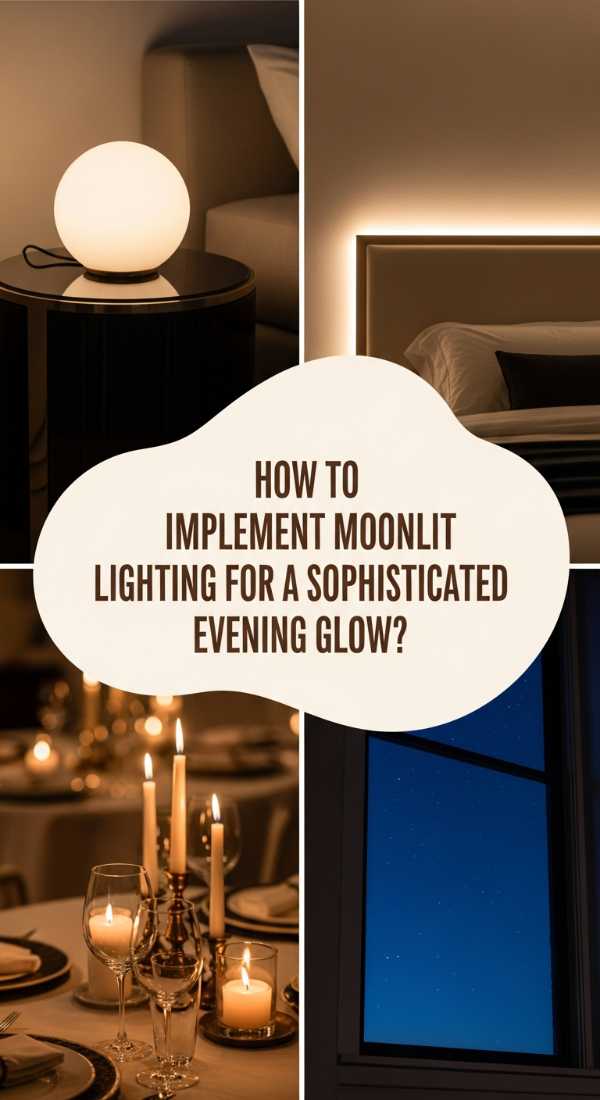
How to Implement Moonlit Lighting for a Sophisticated Evening Glow
[IMAGE_10]
Why we love this
There is nothing quite as sophisticated as a home that transforms at night into a moonlit sanctuary. We love the use of ‘cool-tone’ smart lighting that mimics the silver glow of the moon, casting long, dramatic shadows and highlighting the architectural lines of your furniture. It’s a futuristic aesthetic that feels like a scene from a high-end sci-fi film—sleek, mysterious, and incredibly calm. The lack of harsh overhead lights allows the eyes to rest, while the blue and silver hues create a sense of vast, quiet space, making your home feel like a private observatory under the stars.
Essential Elements:
- Smart LED strips for ‘under-glow’ beneath cabinets and beds.
- Directional spotlights to highlight textures or art.
- Frosted glass lamps that diffuse light into a soft silver orb.
- A color-controllable lighting system (set to 4000K-5000K at low intensity).
- Polished or reflective surfaces to bounce the ‘moonlight’ around the room.
How to make it
- Eliminate all ‘top-down’ light sources; the professional technique for moonlighting is to keep all sources below eye level.
- Install LED strips along the baseboards or behind furniture to create an ‘under-glow’ that makes pieces appear to float—a quintessential futuristic visual cue.
- Calibrate your smart bulbs to a ‘cool white’ or ‘pale blue’ but keep the brightness at 20-30% to avoid a clinical feel.
- Use a ‘gobo’ or textured lens on a spotlight to cast dappled shadows onto a blank wall, mimicking the effect of moonlight through trees.
- Finish by checking for ‘hot spots’ (areas where light is too bright); the goal is a perfectly even, diffused glow that feels like a natural night sky.
Conclusion: Embracing the Harmony of 2026
As we move into 2026, our homes are becoming more than just places to sleep; they are becoming living, breathing reflections of our highest selves. By blending the efficiency and sleekness of futuristic design with the warm, tactile comfort of minimalism, we create environments that truly support our well-being. Whether you are basking in the silver glow of moonlit lighting or sinking into the plush textures of a winter haven, remember that the best design is one that makes you feel at home in your own skin. Start small, trust your intuition, and watch as your space transforms into a dreamy, futuristic sanctuary.