
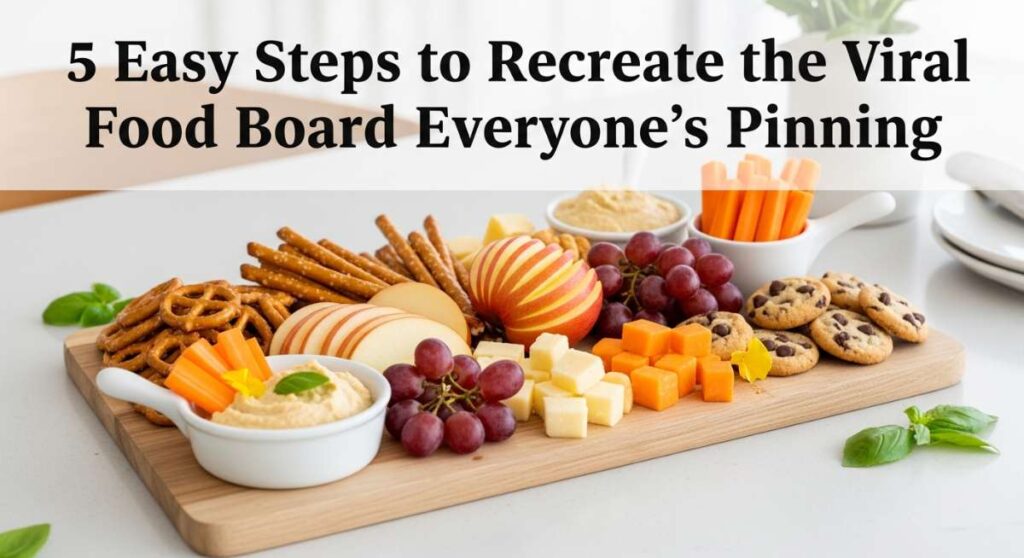
5 Easy Steps to Recreate the Viral Food Board Everyone’s Pinning
There is something inherently magical about a table filled with an abundance of colors, textures, and aromas that invites everyone to lean in and stay a while. We’ve all seen those stunning food boards scrolling through our feeds—the ones that look like a work of art but feel like a warm hug. Creating a viral-worthy food board isn’t just about the aesthetic; it’s about the joy of sharing a meal that feels curated yet effortless, sparking conversations before the first bite is even taken.
Whenever I host, I find that the best boards are the ones that balance the hearty with the light, the savory with the sweet. It’s about creating a sensory experience where the crunch of a fresh vegetable meets the creamy melt of a dip, and the smoky char of the grill complements a chilled, fizzy drink. Today, I’m sharing the ultimate guide to the components that make these boards legendary, so you can bring that Pinterest-perfect magic into your own kitchen and dining room.
How to make pasta salad?

Why we love this
This pasta salad is the ultimate celebration of texture and zing, featuring Al Dente rotini that catches every drop of a zesty herb vinaigrette. Imagine the satisfying crunch of fresh bell peppers and red onions paired with the creamy, salty bite of feta cheese and the silky smoothness of black olives. As you toss it, the aroma of dried oregano and fresh parsley wafts up, promising a refreshing bite that cools you down even on the hottest afternoon. It’s a vibrant, colorful addition to any board that feels both nostalgic and sophisticated.
Ingredients
- 1 lb Rotini or Fusilli pasta
- 1 cup cherry tomatoes, halved
- 1 cucumber, diced
- 1/2 red onion, finely minced
- 1/2 cup crumbled feta cheese
- 1/2 cup Kalamata olives
- 1/2 cup Italian vinaigrette
- 1 teaspoon dried oregano
- Fresh parsley for garnish
How to make it
- Boil a large pot of heavily salted water until it reaches a rolling boil, then add the pasta and cook until Al Dente—usually about 8 to 10 minutes depending on the brand. Do not overcook, as the pasta needs to hold its shape.
- While the pasta cooks, prep all your vegetables by slicing them into uniform, bite-sized pieces to ensure a balanced forkful every time.
- Drain the pasta and immediately rinse it under cold running water to stop the cooking process and remove excess starch, which prevents the salad from becoming gummy.
- In a large mixing bowl, combine the chilled pasta with the tomatoes, cucumbers, onions, olives, and feta.
- Pour the Italian dressing over the mixture and sprinkle with oregano, using a large spatula to fold everything together gently so the feta stays in distinct crumbles rather than melting into the sauce.
- Let the salad chill in the refrigerator for at least 30 minutes before serving to allow the flavors to meld and the pasta to fully absorb the herb-infused dressing.
How to marinate grilled chicken?

Why we love this
There is nothing quite like the scent of citrus-marinated chicken hitting a hot grate, sending clouds of savory, smoky perfume through the backyard. The marinade works its way deep into the fibers of the meat, ensuring that every slice is dripping with moisture and bursting with the bright tang of lemon and the earthy depth of garlic. When grilled to perfection, the exterior develops a beautiful golden-brown char that provides a slight resistance before giving way to a tender, buttery center that melts in your mouth.
Ingredients
- 2 lbs boneless, skinless chicken breasts or thighs
- 1/4 cup olive oil
- 3 tablespoons fresh lemon juice
- 4 cloves garlic, smashed and minced
- 1 tablespoon honey
- 1 teaspoon smoked paprika
- Salt and cracked black pepper to taste
- Fresh rosemary sprigs
How to make it
- Start by patting the chicken dry with paper towels to ensure the marinade adheres properly to the surface.
- In a medium glass bowl or a heavy-duty resealable bag, whisk together the olive oil, lemon juice, minced garlic, honey, paprika, salt, and pepper until the honey is fully dissolved.
- Place the chicken into the marinade, ensuring every piece is completely submerged, and add the rosemary sprigs for an extra layer of herbal fragrance.
- Seal the container and refrigerate for at least 2 hours, though 6 hours is ideal for maximum flavor penetration and tenderization.
- Preheat your grill to medium-high heat (about 400°F) and lightly oil the grates to prevent sticking.
- Place the chicken on the grill and cook for 6-7 minutes per side; look for clear juices and an internal temperature of 165°F. Avoid flipping too early to allow those iconic sear marks to develop.
- Remove the chicken from the heat and let it rest for 5 minutes under a piece of foil to allow the juices to redistribute before slicing.
How to make rotel dip?

Why we love this
Rotel dip is the ultimate comfort food, a warm, gooey masterpiece that acts as the centerpiece for any social gathering. The velvet-smooth texture of the melted cheese is punctuated by the sharp, acidic pop of diced tomatoes and the mild heat of green chilies. As you dip a salty, toasted tortilla chip into the bowl, you get that perfect pull of cheese that is thick, rich, and deeply satisfying. It’s a nostalgic flavor profile that feels like home, yet it’s addictive enough to keep people coming back to the board for “just one more bite.”
Ingredients
- 1 block (16 oz) Velveeta or processed cheese, cubed
- 1 can (10 oz) Ro-Tel Diced Tomatoes and Green Chilies
- 1/2 lb ground sausage or beef (optional)
- 1/2 teaspoon cumin
- 1/4 cup chopped cilantro
- Splash of whole milk (for consistency)
How to make it
- If using meat, brown the ground sausage or beef in a skillet over medium heat until fully cooked, breaking it into very small crumbles. Drain the excess fat thoroughly.
- Cut the cheese block into 1-inch cubes to ensure even melting and prevent scorching.
- In a slow cooker or a heavy-bottomed saucepan over low heat, combine the cheese cubes and the entire can of Ro-Tel (do not drain the liquid, as it provides essential flavor and moisture).
- Stir constantly with a wooden spoon as the cheese begins to soften, ensuring the bottom doesn’t burn.
- Once the cheese is about 80% melted, stir in the cooked meat, cumin, and a splash of milk if the mixture seems too thick.
- Continue to heat until the dip is completely smooth and bubbling slightly at the edges.
- Transfer to a serving bowl and garnish with fresh cilantro; serve immediately while warm and fluid.
How to bake strawberry pie?

Why we love this
A fresh strawberry pie is a symphony of summer sweetness, featuring a crust so flaky it shatters delicately with every forkful. The filling is a vibrant, ruby-red glisten of sun-ripened berries that have been slightly macerated to release their natural nectars, creating a thick, jam-colored sauce that isn’t overly sugary. The aroma is purely intoxicating—a mix of buttery pastry and floral fruit that fills the entire kitchen. Eating a slice feels like capturing a sunny afternoon in a dessert, especially when topped with a dollop of cold, unsweetened whipped cream.
Ingredients
- 2 pie crusts (homemade or store-bought)
- 5 cups fresh strawberries, hulled and sliced
- 3/4 cup granulated sugar
- 1/4 cup cornstarch
- 1 tablespoon lemon juice
- 1/2 teaspoon vanilla extract
- 1 egg (for egg wash)
- Coarse sugar for topping
How to make it
- Preheat your oven to 400°F and roll out one pie crust, fitting it into a 9-inch pie plate. Trim the edges and chill in the fridge while you prepare the filling.
- In a large bowl, gently toss the sliced strawberries with granulated sugar, cornstarch, lemon juice, and vanilla. Let them sit for 15 minutes to allow the juices to start flowing.
- Pour the strawberry mixture into the prepared bottom crust, piling the fruit slightly higher in the center.
- Top with the second crust, either as a solid sheet with steam vents cut into it or as a beautiful lattice pattern for a more professional look.
- Crimp the edges tightly to seal in the bubbling fruit juices.
- Brush the top crust with a beaten egg wash and sprinkle generously with coarse sugar for a sparkling, crunchy finish.
- Bake for 45-50 minutes, or until the crust is a deep golden brown and the filling is bubbling visibly through the vents.
- Crucially, let the pie cool completely (at least 4 hours) on a wire rack to allow the cornstarch to set the filling, otherwise, it will be runny when sliced.
How to cook dirty spaghetti?

Why we love this
Dirty spaghetti is the soul-satisfying, umami-packed cousin of the classic marinara, characterized by its deep, savory brown butter and garlic base. The pasta is tossed with finely browned bits of meat and a blend of earthy spices that coat every strand in a glossy, rich film. It lacks the heavy acidity of tomato sauce, focusing instead on the toasted notes of the noodles and the intense savoriness of the seasonings. It’s the kind of dish that feels rustic and bold, providing a hearty anchor to your food board that guests will find surprisingly addictive.
Ingredients
- 1 lb spaghetti noodles
- 1/2 lb ground pork or spicy sausage
- 4 tablespoons unsalted butter
- 5 cloves garlic, minced
- 1 teaspoon red pepper flakes
- 1/2 cup grated Parmesan cheese
- 1/4 cup reserved pasta water
- Chopped scallions for garnish
How to make it
- Cook the spaghetti in a large pot of boiling salted water until Al Dente. Before draining, reserve at least a cup of the starchy pasta water—this is the secret to the sauce’s silkiness.
- In a large skillet over medium-high heat, brown the ground meat until it is crispy and dark brown, ensuring you develop plenty of “fond” (the tasty bits) on the bottom of the pan.
- Lower the heat to medium and add the butter to the skillet with the meat. Let the butter melt and foam until it begins to smell nutty and turns a light amber color.
- Toss in the minced garlic and red pepper flakes, sautéing for only 30-60 seconds until fragrant to avoid burning the garlic.
- Add the cooked spaghetti directly into the skillet. Pour in the reserved pasta water and the Parmesan cheese.
- Toss vigorously with tongs over medium heat; the water and cheese will emulsify with the butter to create a creamy, “dirty” looking sauce that clings to the noodles.
- Serve immediately, topped with fresh scallions for a pop of color and bite.
How to grill fresh asparagus?

Why we love this
Grilled asparagus is a masterclass in simple elegance, transforming a humble green spear into a smoky, tender-crisp delight. The high heat of the grill caramelizes the natural sugars in the stalks, while the delicate tips become charred and almost nutty in flavor. Seasoned with just a hint of sea salt and a squeeze of charred lemon, it offers a bright, grassy freshness that cuts through the richer elements of a food board. It’s visually stunning with its vibrant emerald hue and provides a satisfying snap that reminds you of the height of spring.
Ingredients
- 1 bunch fresh asparagus, woody ends trimmed
- 2 tablespoons extra virgin olive oil
- 1/2 teaspoon sea salt
- 1/4 teaspoon cracked black pepper
- 1 lemon, halved
- Optional: Shaved parmesan cheese
How to make it
- Start by prepping the asparagus; snap off the woody bottom inch of each spear or use a peeler to thin the skin at the base for even cooking.
- Place the spears on a baking sheet and drizzle with olive oil, rolling them around to ensure every inch is lightly coated. Sprinkle evenly with sea salt and pepper.
- Preheat your grill to medium-high. Clean the grates thoroughly to ensure the delicate spears don’t stick.
- Place the asparagus perpendicular to the grill grates so they don’t fall through the gaps.
- Grill for 3 to 5 minutes, using tongs to roll them occasionally. You are looking for distinct grill marks and a slight softening, but they should still have a firm “snap” when bitten.
- During the last 2 minutes of grilling, place the lemon halves cut-side down on the grill until charred.
- Remove the asparagus to a platter and squeeze the warm, smoky lemon juice over the top before serving.
How to use sourdough discard?

Why we love this
Using sourdough discard is like unlocking a secret level of flavor in your baking, offering a sophisticated tang that regular flour simply can’t mimic. Whether you’re making crackers or pancakes, the discard adds a complex, fermented aroma and a subtle acidity that balances out sweet or salty toppings perfectly. It creates a tender crumb in baked goods and a delightful, airy crispness in fried applications. It’s sustainable, resourceful, and gives your food board an artisanal, bakery-fresh feel that guests will absolutely rave about.
Ingredients
- 1 cup sourdough discard (unfed)
- 1/2 cup all-purpose flour
- 2 tablespoons melted butter
- 1/2 teaspoon sea salt
- 1 tablespoon dried herbs (thyme or rosemary)
- Extra salt for sprinkling
How to make it
- For easy discard crackers, preheat your oven to 325°F and line a baking sheet with parchment paper.
- In a medium bowl, mix the sourdough discard, flour, melted butter, salt, and herbs until a soft, slightly tacky dough forms.
- Place the dough on the parchment paper and roll it out as thin as possible—ideally about 1/16th of an inch. The thinner it is, the crispier the cracker.
- Brush the surface lightly with water or a bit more melted butter and sprinkle with extra sea salt.
- Use a pizza cutter to score the dough into squares or rectangles, but don’t worry about separating them yet.
- Bake for 20-25 minutes, or until the edges are golden brown and the center feels firm to the touch.
- Let the sheet cool completely on a rack; they will crisp up significantly as they sit. Break them along the scored lines and pile them high on your board.
How to cook summer soup?

Why we love this
Summer soup is a light, ethereal experience that celebrates the bounty of the garden without the heaviness of winter stews. Picture a clear, shimmering golden broth infused with the essence of sweet corn, yellow squash, and ripe tomatoes. It’s served warm but remains incredibly refreshing, with the gentle heat bringing out the herbal notes of fresh basil and chives. Each spoonful is a delicate balance of garden-fresh sweetness and savory depth, making it the perfect elegant starter or a light side to accompany heavier board items.
Ingredients
- 1 tablespoon olive oil
- 1 leek, white part only, cleaned and sliced
- 2 cups vegetable or chicken stock
- 1 cup fresh corn kernels
- 1 zucchini, diced small
- 1 cup cherry tomatoes, halved
- Fresh basil leaves
- Salt and lemon zest to taste
How to make it
- In a large Dutch oven or pot, heat the olive oil over medium-low heat. Add the sliced leeks and sauté until they are translucent and soft, about 5 minutes. Do not brown them; you want to keep the flavor sweet and delicate.
- Pour in the stock and bring to a gentle simmer.
- Add the corn and zucchini. Cook for only 4-5 minutes so the vegetables retain their bright color and a slight bite.
- Turn off the heat and stir in the cherry tomatoes. The residual heat will soften them just enough without making them mushy.
- Taste and add salt and a pinch of lemon zest to brighten the entire flavor profile.
- Ladle into small cups or bowls for the board and garnish with torn fresh basil just before serving to preserve the herb’s vibrant green color and aroma.
How to mix summer mocktails?

Why we love this
A summer mocktail is a celebration in a glass, offering all the complexity and ritual of a cocktail without the alcohol. The sight of muddled berries swirling in sparkling water, topped with a forest of fresh mint, is instantly cooling. The flavor is a sophisticated dance of tart citrus, botanical herbs, and a hint of floral sweetness from a homemade simple syrup. As the ice clinks against the glass and the bubbles tickle your nose, it provides a refreshing, elevated beverage experience that makes everyone feel included in the toast.
Ingredients
- 1/2 cup fresh raspberries or blackberries
- 1 tablespoon agave or honey syrup
- 1/2 ounce fresh lime juice
- 4-6 mint leaves
- Sparkling mineral water or club soda
- Ice cubes
How to make it
- In a sturdy glass or a cocktail shaker, combine the fresh berries, mint leaves, and the syrup.
- Use a muddler or the back of a wooden spoon to gently crush the berries and bruise the mint, releasing the essential oils and juices. Be careful not to shred the mint, which can make the drink bitter.
- Add the fresh lime juice to the mixture to provide a sharp, acidic backbone.
- Fill the glass three-quarters full with large ice cubes; using large cubes prevents the drink from diluting too quickly in the heat.
- Top the glass with sparkling mineral water, pouring slowly to maintain the carbonation.
- Stir gently with a long spoon to pull the fruit and mint up through the drink for a beautiful marbled effect.
- Garnish with a fresh sprig of mint and a few whole berries before serving with a straw.
How to make spring treats?
[IMAGE_10]
Why we love this
Spring treats are the whimsical, light-as-air finale to a beautiful food board, often featuring pastel hues and delicate floral notes. Think of a lemon-lavender shortbread cookie that crumbles into buttery perfection on your tongue, or a mini pavlova topped with a single, tart raspberry. They are designed to be small, one-to-two bite wonders that offer a burst of seasonal sweetness without being overwhelming. The scent of vanilla and citrus zest lingers in the air, providing a soft, sugary bookend to the savory journey of the board.
Ingredients
- 1/2 cup softened unsalted butter
- 1/4 cup powdered sugar
- 1 cup all-purpose flour
- 1 tablespoon dried culinary lavender (finely ground)
- Zest of 1 lemon
- Pinch of salt
- Optional: White chocolate for drizzling
How to make it
- In a medium bowl, cream together the softened butter and powdered sugar until the mixture is pale and fluffy, which usually takes about 3 minutes with a hand mixer.
- Stir in the lemon zest and the finely ground culinary lavender, ensuring the lavender is evenly distributed throughout the dough.
- Gradually fold in the flour and salt until a crumbly dough forms. Use your hands to press the dough into a cohesive ball.
- Roll the dough into a log about 2 inches in diameter, wrap it in plastic wrap, and chill in the freezer for 20 minutes to make it easier to slice.
- Preheat your oven to 350°F and line a cookie sheet with parchment.
- Slice the chilled log into 1/4-inch thick rounds and place them on the baking sheet about an inch apart.
- Bake for 10-12 minutes, or until the edges are just barely beginning to turn a pale golden color. They should remain quite light in color.
- Allow the cookies to cool on the pan for 5 minutes before moving them to a rack. Once completely cold, drizzle with melted white chocolate for a final touch of spring elegance.
Conclusion
Building a viral food board is about more than just the food; it’s about creating a space where people feel invited to graze, chat, and enjoy the beauty of the season. By combining these ten diverse and delicious elements, you’re not just serving a meal—you’re creating an experience. So, grab your largest wooden board, gather your ingredients, and let your creativity flow. Your guests (and your social media followers) will thank you!