
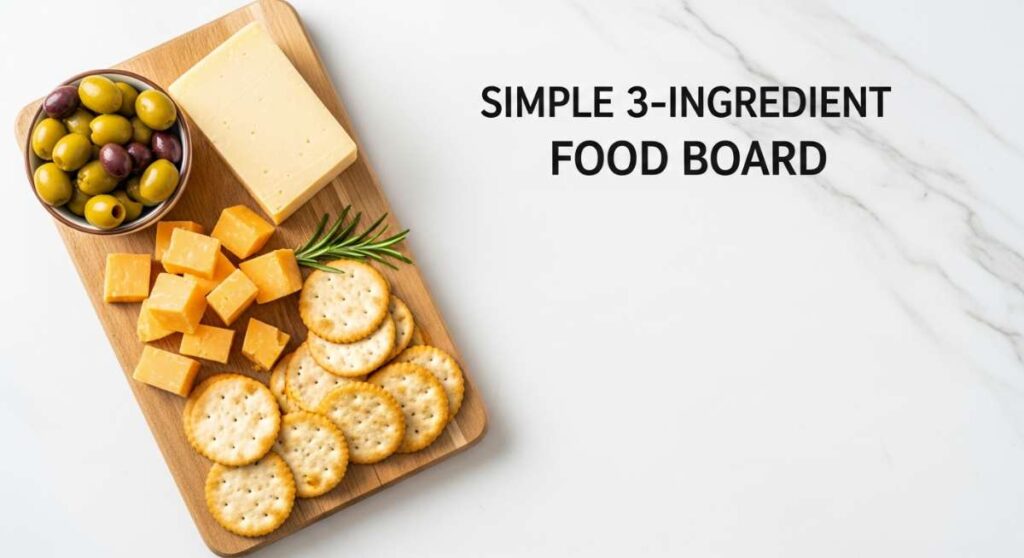
Why Everyone is Obsessed with This Simple 3-Ingredient Food Board
There is something almost magical about the way a simple, thoughtfully curated board can bring people together. I remember the first time I set out a humble spread of fresh fruit, a single block of honey-drizzled cheese, and a warm loaf of bread; the room transformed from a quiet gathering into a lively exchange of stories and laughter. It wasn’t about the complexity of the meal, but the intention behind it—the colors, the textures, and the ease of it all that made everyone feel instantly at home.
Lately, the internet has been buzzing over a new kind of ‘board’—one that strips away the fluff and focuses on three-ingredient harmonies that feel like luxury on a plate. Whether you are hosting a sun-drenched backyard soirée or just trying to elevate a quiet Tuesday night, mastering these simple, elevated basics is the key to that effortless lifestyle we all crave. It’s about celebrating the season, one bite at a time.
How to Make Strawberry Pie?

Why we love this
There is nothing that quite captures the essence of summer like a slice of strawberry pie, its vibrant crimson filling glistening under a golden-brown lattice. As you take your first bite, the crust shatters into buttery flakes, immediately followed by the explosion of sun-ripened berries that have been softened into a sweet, jammy nectar. The aroma of baked sugar and warm fruit wafts through the kitchen, creating an atmosphere of pure nostalgia and comfort that lingers long after the last crumb is gone.
Ingredients
- 2 cups of all-purpose flour for a flaky crust
- 1 cup of cold unsalted butter, cubed
- 1 tablespoon of granulated sugar for the dough
- Pinch of salt
- 4-5 cups of fresh, hulled strawberries
- 3/4 cup of sugar for the filling
- 3 tablespoons of cornstarch
- 1 egg for the egg wash
How to make it
- Begin by preparing your crust: combine the flour, cold butter cubes, a tablespoon of sugar, and a pinch of salt in a large bowl, using a pastry cutter to work the butter until it resembles coarse meal with pea-sized lumps.
- Slowly add ice-cold water, one tablespoon at a time, mixing until the dough just comes together, then divide into two disks, wrap in plastic, and chill in the refrigerator for at least 60 minutes.
- Roll out one disk on a floured surface to about 12 inches and drape it into your 9-inch pie dish, pressing firmly into the bottom and sides while leaving the excess hanging over.
- In a separate bowl, toss your fresh strawberries with the sugar and cornstarch, ensuring every berry is coated; let this sit for 10 minutes to allow the natural juices to macerate and create a thick base.
- Pour the berry mixture into the crust, roll out the second disk to create a lattice or full cover, crimp the edges tightly to seal, and brush the top with a beaten egg for a glossy finish.
- Bake at 425°F for the first 15 minutes to set the crust, then lower the heat to 375°F and bake for another 35-45 minutes until the filling is bubbling thick and the crust is a deep golden hue.
How to Grill Juicy Chicken?
Why we love this
Grilling the perfect piece of chicken is an art form that appeals to all the senses, from the rhythmic sizzle as the meat hits the hot grates to the intoxicating scent of char and spices filling the air. When done correctly, the exterior forms a crisp, caramelized bark that protects the incredibly tender and moist interior, releasing a stream of savory juices with every cut. It is the ultimate protein for a summer board, offering a smoky depth that pairs beautifully with cool salads and crisp white wines.
Ingredients
- 4 boneless, skinless chicken breasts (uniform size)
- 1/4 cup of high-quality olive oil
- 2 cloves of garlic, minced
- 1 teaspoon of smoked paprika
- 1 teaspoon of sea salt
- 1/2 teaspoon of freshly cracked black pepper
- Fresh lemon wedges for finishing
How to make it
- Start by pounding the chicken breasts to an even thickness of about 3/4 inch using a meat mallet; this ensures every part of the chicken cooks at the same rate, preventing the thin ends from drying out.
- In a gallon-sized bag, whisk together the olive oil, garlic, paprika, salt, and pepper, then submerge the chicken and marinate in the refrigerator for at least 30 minutes to allow the flavors to penetrate.
- Preheat your grill to medium-high (about 400°F) and use a wire brush to clean the grates, then lightly oil them using a folded paper towel dipped in vegetable oil to ensure a non-stick surface.
- Place the chicken on the grill and sear undisturbed for 5-6 minutes on the first side until dark grill marks appear and the meat releases easily from the grates.
- Flip the chicken and grill for another 5-7 minutes, or until an internal thermometer inserted into the thickest part reads exactly 165°F.
- Remove the chicken from the heat and let it rest on a clean plate for 5 minutes before slicing; this allows the juices to redistribute back into the fibers for maximum succulence.
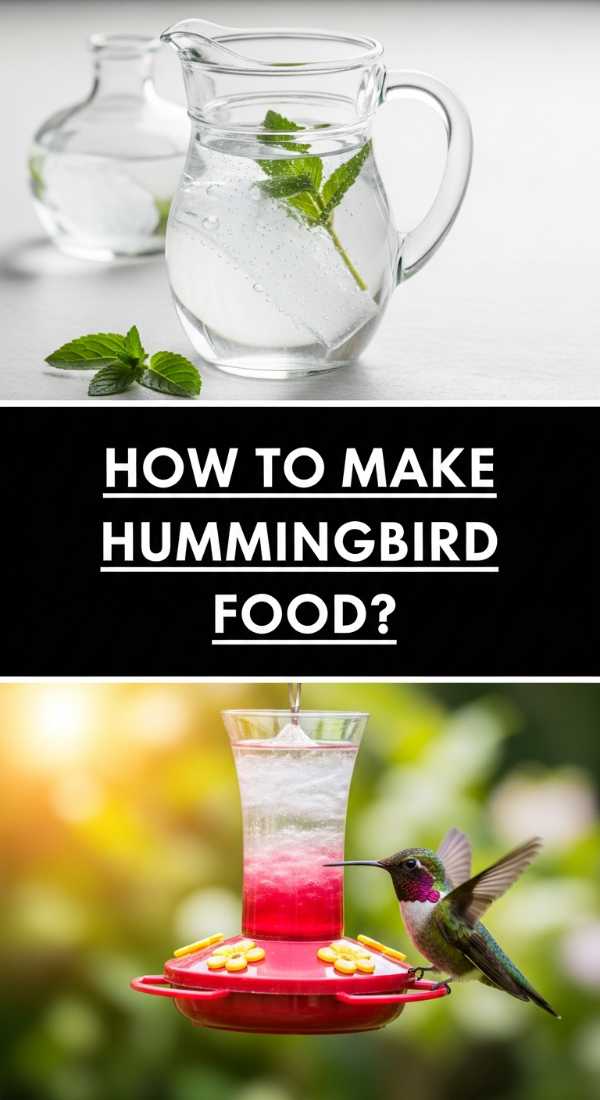
How to Make Hummingbird Food?
Why we love this
Inviting nature into your backyard is a vital part of the summer lifestyle, and nothing is more enchanting than the iridescent flash of a hummingbird visiting your garden. Watching these tiny, energetic creatures hover with precision while they sip on homemade nectar brings a sense of peace and wonder to a quiet morning coffee session. The nectar itself is crystal clear and pure, mirroring the simple needs of the birds and providing them with the clean energy they need to thrive during the hot months.
Ingredients
- 1 cup of refined white sugar (do not use honey or brown sugar)
- 4 cups of filtered water
- A small saucepan
- A clean hummingbird feeder
How to make it
- Combine the white sugar and filtered water in a medium saucepan, following the classic 4:1 ratio which most closely mimics the natural nectar found in flowers.
- Place the pan over medium heat and stir constantly until the sugar is completely dissolved into the water; there is no need to bring it to a rolling boil, though a light simmer helps ensure sterilization.
- Remove the mixture from the heat and let it cool completely to room temperature; this is crucial, as hot liquid can crack a glass feeder or harm the delicate birds.
- Never add red dye or food coloring to the nectar, as the red accents on your feeder are enough to attract the birds and the dye can be toxic to their systems.
- Pour the cooled nectar into a clean feeder, making sure to store any leftovers in the refrigerator for up to one week.
- Hang the feeder in a shaded area to prevent the sugar from fermenting too quickly in the sun, and remember to clean and refill the feeder every 3-5 days.
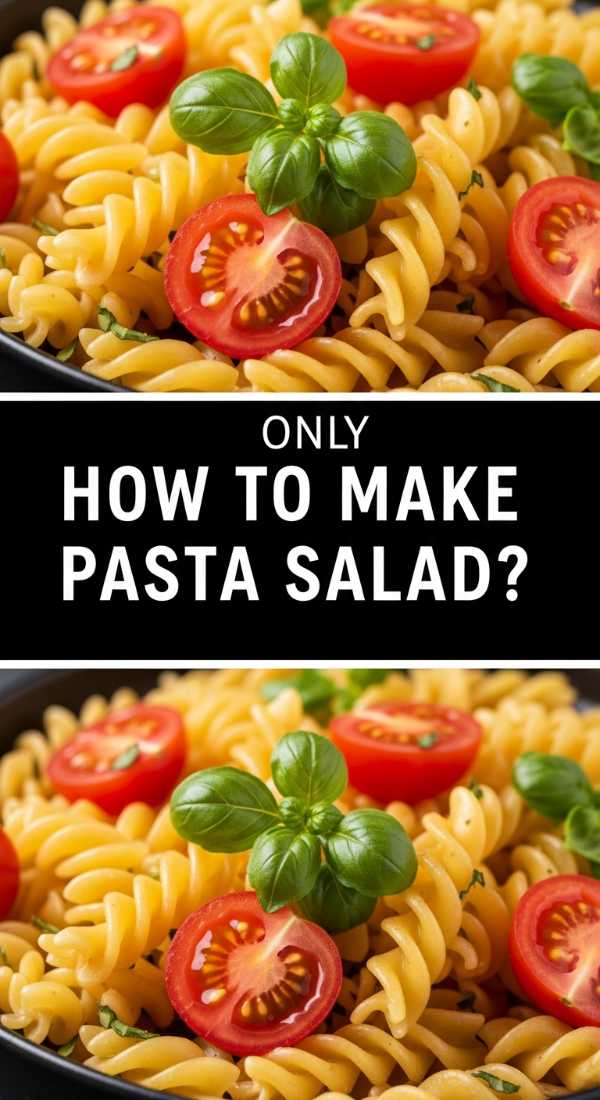
How to Make Pasta Salad?

Why we love this
A great pasta salad is a symphony of textures, from the firm ‘al dente’ bite of the noodles to the crunch of fresh bell peppers and the creamy tang of feta cheese. It is the quintessential side dish that actually tastes better as it sits, allowing the zesty vinaigrette to soak deep into every crevice and fold of the pasta. Cold, refreshing, and incredibly versatile, it feels like a celebration of the garden on a plate, especially when topped with a handful of torn basil leaves that perfume the entire dish with a peppery, herbal aroma.
Ingredients
- 1 pound of rotini or fusilli pasta
- 1/2 cup of extra virgin olive oil
- 1/4 cup of red wine vinegar
- 1 teaspoon of dried oregano
- 1 cup of cherry tomatoes, halved
- 1/2 cup of cucumber, diced
- 1/2 cup of kalamata olives, pitted
- 1/2 cup of crumbled feta cheese
How to make it
- Bring a large pot of heavily salted water to a boil—it should taste like the sea—and cook the pasta for about 1 minute less than the package directions to ensure it remains firm when the dressing is added.
- Drain the pasta and immediately rinse it under cold running water to stop the cooking process and wash away excess starch, which prevents the noodles from sticking together.
- In a small mason jar, whisk together the olive oil, red wine vinegar, dried oregano, salt, and pepper until the dressing is fully emulsified and thickened.
- In a large mixing bowl, combine the chilled pasta with the halved cherry tomatoes, cucumbers, olives, and feta cheese, tossing gently to distribute the ingredients.
- Pour the dressing over the salad and toss thoroughly; ensure every piece of pasta is coated, as the noodles will continue to absorb the liquid as the dish rests.
- Cover and refrigerate for at least 2 hours before serving, giving the flavors time to meld together into a harmonious, tangy profile.
How to Master Easy Grilling?

Why we love this
There is a rugged, primal satisfaction in mastering the grill, where the simple element of fire transforms raw ingredients into smoky masterpieces. We love easy grilling because it moves the heart of the home outdoors, allowing the cook to mingle with guests while the scent of charring vegetables and searing meats creates an irresistible invitation to eat. It is about the relaxed pace of summer, the beautiful cross-hatch marks on a zucchini slice, and that unique, woodsy flavor that a kitchen stove simply cannot replicate.
Ingredients
- High-heat cooking oil (avocado or canola)
- Assorted vegetables (bell peppers, asparagus, corn)
- Your choice of protein (steaks, shrimp, or tofu)
- Coarse kosher salt and cracked black pepper
- Long-handled tongs and a grill brush
How to make it
- Ensure your grill is preheated for at least 15 minutes on high heat; a truly hot grill is the secret to preventing food from sticking and achieving those iconic sear marks.
- Scrape the grates clean with a wire brush once they are hot to remove any carbonized remains from previous meals, ensuring a clean flavor for your current dish.
- Lightly coat your ingredients in oil and season generously with salt and pepper; avoid sugary marinades until the last few minutes of cooking to prevent burning and flare-ups.
- Create ‘heat zones’ by leaving one burner on low or keeping coals to one side; this allows you to sear food over direct heat and then move it to the cooler side to finish cooking through without burning the exterior.
- Avoid the temptation to flip the food constantly; place it on the grate and leave it for several minutes until it naturally releases from the metal, indicating a proper sear has formed.
- Use a meat thermometer to check for doneness rather than cutting into the meat, which preserves the juices and ensures every serving is perfectly cooked to your preference.
How to Brew Sun Tea?
Why we love this
Brewing sun tea is a slow, meditative process that relies on the gentle power of the afternoon sun to extract a smooth, mellow flavor from tea leaves. Unlike the harshness of boiling water, the gradual warming of a glass jar on the porch produces a tea that is incredibly clear and lacks any bitterness or astringency. Watching the water slowly transform from crystal clear to a rich, amber hue is a visual reminder to slow down and enjoy the natural rhythm of a summer day, culminating in a drink that is the definition of refreshment.
Ingredients
- 1 large 1-gallon glass jar with a lid
- 8 to 10 black or herbal tea bags
- 1 gallon of cold, filtered water
- Fresh mint sprigs and lemon slices
- Honey or agave (optional sweetener)
How to make it
- Thoroughly wash your glass gallon jar with hot soapy water to ensure it is sterile, as the warm temperatures of sun brewing can encourage bacterial growth if the container isn’t pristine.
- Fill the jar with cold, filtered water and submerge your tea bags, hanging the strings over the edge of the rim so they are easy to remove later.
- Seal the lid tightly and place the jar in a spot that receives direct, uninterrupted sunlight for the next several hours—a porch railing or a sunny garden table works perfectly.
- Allow the tea to steep in the sun for 3 to 4 hours; avoid leaving it out for longer than 4 hours, as this is the window where the flavor is peak and the safety risk is lowest.
- Once the tea has reached a deep, golden color, bring the jar inside and remove the tea bags immediately, being careful not to squeeze them, which can release bitter tannins.
- Stir in any sweeteners while the tea is still slightly warm from the sun, then refrigerate immediately and serve over plenty of ice with fresh mint and lemon.
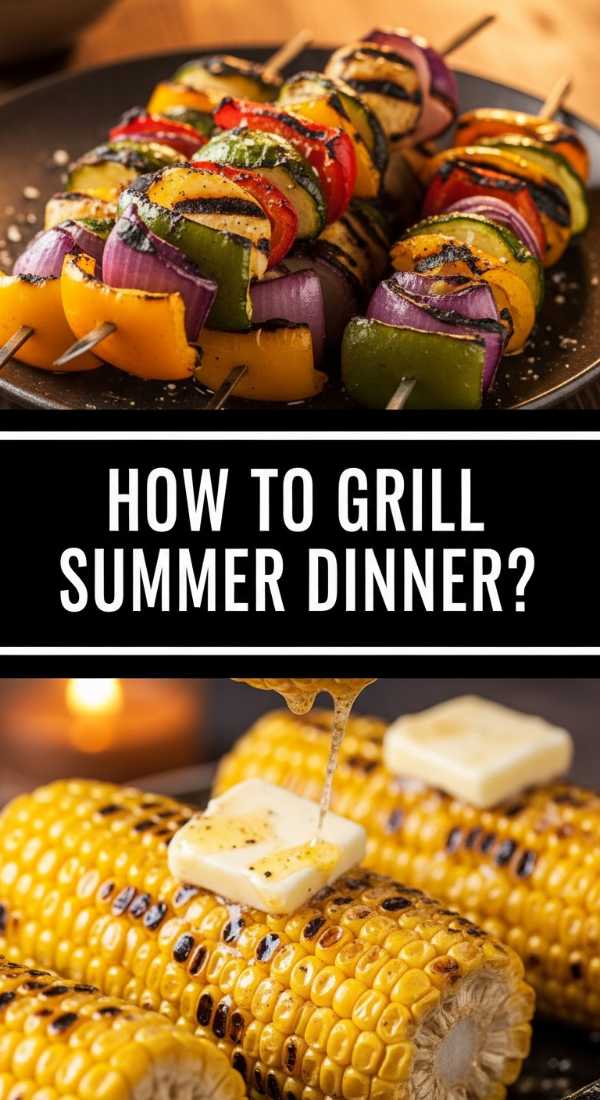
How to Grill Summer Dinner?
Why we love this
The concept of a grilled summer dinner is less about a specific recipe and more about a holistic experience of light, heat, and freshness. We love the way a full meal—from the charred bread to the blistered tomatoes and succulent main—can be prepared entirely over an open flame, minimizing cleanup and maximizing the smoky atmosphere. There is a rustic elegance to serving dinner family-style straight from the grill, with the flickering embers providing the perfect backdrop for a meal that feels both grounded and celebratory.
Ingredients
- 1 pound of flank steak or portobello mushrooms
- 2 bunches of asparagus, trimmed
- 1 loaf of ciabatta, sliced
- Balsamic glaze
- Garlic-infused olive oil
- Flaky sea salt
How to make it
- Organize your ingredients by cook time: the protein will take the longest, followed by the vegetables, and finally the bread, which only needs a quick toast.
- Season your flank steak or mushrooms with garlic oil and salt, then place them on the hottest part of the grill to develop a deep, savory crust.
- While the main protein is searing, toss your asparagus in olive oil and place them perpendicular to the grill grates so they don’t fall through, cooking until they are bright green with charred tips.
- Move the protein to the indirect heat zone to finish cooking to a medium-rare internal temperature of 135°F, allowing the carry-over heat to bring it to 145°F while resting.
- Brush the ciabatta slices with oil and grill them for 30 seconds per side until they are crispy and marked with char; this provides the perfect vessel for soaking up juices.
- Arrange everything on a large wooden board, drizzle the steak and vegetables with a rich balsamic glaze, and sprinkle with flaky sea salt for a dramatic, delicious finish.
How to Bake Honey Pie?

Why we love this
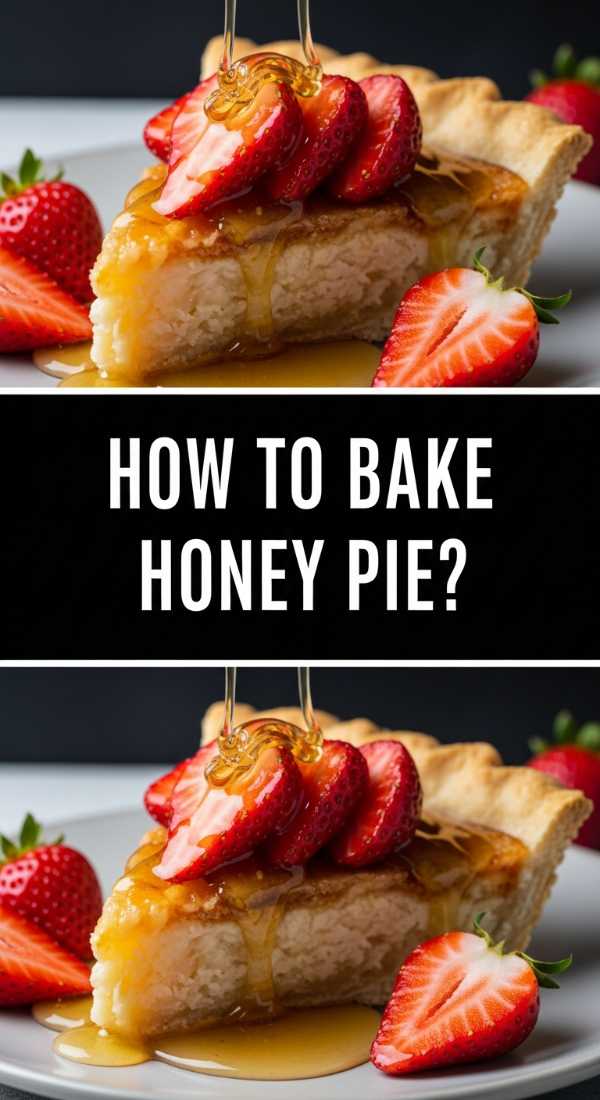
Honey pie is a sophisticated, golden treasure that feels like biting into a cloud of pure sunshine and wildflowers. The filling is a silky, custard-like dream that balances the deep, floral sweetness of honey with a touch of salty complexity, all nestled within a buttery, shortbread-style crust. It has an aroma that is heady and intoxicating—reminiscent of warm beehives and toasted sugar—and it provides a rich, indulgent finish to any meal that manages to feel lighter than a traditional caramel or chocolate dessert.
Ingredients
- 1 pre-baked 9-inch pie shell
- 1/2 cup of unsalted butter, melted and browned
- 3/4 cup of high-quality wildflower honey
- 3 large eggs, room temperature
- 1/2 cup of heavy cream
- 1 tablespoon of cornmeal
- 1 teaspoon of vanilla bean paste
- 1/2 teaspoon of flaky sea salt for topping
How to make it
- Start by browning your butter in a small saucepan over medium heat, stirring constantly until the milk solids turn a nutty brown and the aroma is toasted; let it cool slightly.
- In a large mixing bowl, whisk the honey and the browned butter together until they are fully incorporated, then add the eggs one at a time, beating well after each addition to create a smooth emulsion.
- Whisk in the heavy cream, cornmeal (which provides a subtle, rustic texture), and the vanilla bean paste until the mixture is uniform and pale golden.
- Pour the honey custard into your pre-baked pie shell, ensuring the crust is completely cooled before filling to prevent sogginess.
- Bake at 350°F for 45-50 minutes; the pie is done when the edges are set and slightly puffed, but the center still has a gentle, gelatinous jiggle when nudged.
- Allow the pie to cool completely on a wire rack for at least 4 hours to let the custard set, then finish with a generous sprinkle of flaky sea salt to cut through the sweetness.
How to Make Grilled Chicken?
Why we love this
When we talk about the classic grilled chicken, we are talking about the ultimate versatile staple that anchors the viral food board lifestyle. We love it for its simplicity and the way it acts as a canvas for whatever flavors the season provides, from bright citrus marinades to earthy herb rubs. The smell of the fat rendering over the coals and the sight of that perfectly browned skin makes it a crowd-favorite that feels both healthy and decadent, providing a high-protein base that satisfies everyone at the table.
Ingredients
- 6 bone-in, skin-on chicken thighs
- 2 tablespoons of avocado oil
- 1 tablespoon of dried Italian herbs
- 1 teaspoon of garlic powder
- 1/2 teaspoon of onion powder
- Lemon zest from one lemon
How to make it
- Pat the chicken thighs bone-dry with paper towels; removing surface moisture is the most important step to achieving a crispy, golden skin rather than steamed meat.
- Rub the skin and the underside of the meat with avocado oil, then coat evenly with the mix of Italian herbs, garlic powder, onion powder, and lemon zest.
- Prepare the grill for two-zone cooking: one side with high direct heat and one side with no heat (the indirect zone).
- Place the chicken thighs skin-side down on the direct heat for 3-4 minutes to render the fat and crisp the skin, watching closely for flare-ups from the dripping oil.
- Flip the chicken and move it to the indirect heat side, closing the grill lid to create an oven-like environment that cooks the meat through without burning the exterior.
- Cook for 20-25 minutes until the internal temperature reaches 175°F (thighs benefit from a higher temp than breasts to break down connective tissue), then rest for 10 minutes before serving.
How to Make Summer Pasta?
[IMAGE_10]
Why we love this
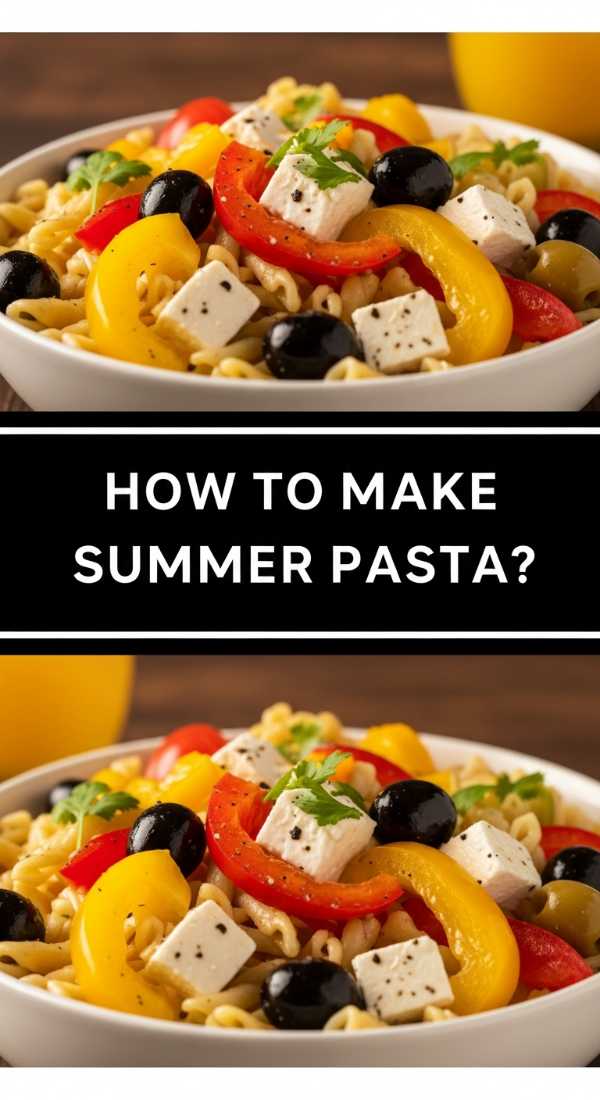
Summer pasta is the antithesis of the heavy, sauce-laden dishes of winter; it is light, vibrant, and celebrates the produce of the moment. We love how the heat of the freshly cooked pasta gently wilts baby arugula and melts thin shavings of parmesan, creating a ‘sauce’ that is nothing more than olive oil and the natural juices of burst cherry tomatoes. It tastes like a garden in a bowl—bright, peppery, and incredibly fresh—making it the perfect effortless meal to enjoy on a balcony as the sun begins to set.
Ingredients
- 12 ounces of spaghetti or linguine
- 1/3 cup of extra virgin olive oil
- 3 cloves of garlic, very thinly sliced
- 2 cups of multi-colored cherry tomatoes
- 2 cups of fresh baby arugula
- 1/2 cup of shaved Parmigiano-Reggiano
- Red pepper flakes to taste
How to make it
- Boil your pasta in a large pot of salted water until it is just barely al dente; reserve 1/2 cup of the starchy pasta water before draining the noodles.
- In a wide skillet, heat the olive oil over medium-low heat and add the garlic slices, cooking gently for 2-3 minutes until they are soft and fragrant but not browned.
- Increase the heat to medium and add the cherry tomatoes, cooking them until they begin to blister and pop, releasing their sweet juices into the oil.
- Add the cooked pasta directly to the skillet with the tomatoes, tossing vigorously to coat the strands in the flavored oil.
- Pour in a splash of the reserved pasta water and a handful of the shaved parmesan, stirring constantly to create a light, silky emulsion that clings to the pasta.
- Remove from heat and fold in the baby arugula and red pepper flakes; the residual heat will wilt the greens perfectly without turning them to mush, then serve immediately with more cheese.
The Art of the Simple Board
Mastering these recipes isn’t just about feeding your family; it’s about adopting a lifestyle that values quality over quantity and moments over chores. By focusing on these high-impact, simple techniques—from the perfect sear on a chicken breast to the slow steep of sun tea—you create an environment where the food facilitates connection. So, grab a large wooden board, choose a few of these summer staples, and invite your favorite people over to see why everyone is obsessed with this simple way of living.