

There is something almost magical about the way a beautifully arranged spread of food brings people together. Whether it is a cozy Friday night in with your closest friends or a festive weekend gathering, the ‘Viral Simple Food Board’ has become more than just a trend—it is a lifestyle. It’s about slowing down, appreciating the textures and colors of what we eat, and creating a sensory experience that feels as good as it looks on your feed.
I remember the first time I set out a massive, eclectic board for my family. The room immediately filled with laughter as everyone reached for their favorites, the steam from the ramen mixing with the aroma of seared steak. This guide is my love letter to those moments. We aren’t just making food; we are building an aesthetic masterpiece that satisfies the soul. Let’s dive into the components that will make your board absolutely legendary.
How to make spicy ramen?

Why we love this
There is an undeniable comfort in a steaming bowl of spicy ramen, where the rich, crimson broth carries a complex heat that warms you from the inside out. We love the contrast of the springy, alkaline noodles against the silky texture of a soft-boiled egg, all topped with the sharp crunch of fresh scallions. The aroma is a heady mix of toasted sesame oil and fermented chili paste, creating a savory depth that lingers on the palate long after the last slurp. It is the ultimate soul-soothing dish that looks vibrant and inviting on any table.
Ingredients
- 2 packs of high-quality ramen noodles
- 4 cups rich chicken or vegetable stock
- 2 tablespoons gochujang (Korean chili paste)
- 1 tablespoon miso paste
- 2 cloves garlic, minced
- 1 teaspoon grated ginger
- 1 tablespoon toasted sesame oil
- Soft-boiled eggs, nori sheets, and sliced scallions for garnish
How to make it
- Begin by sautéing the minced garlic and grated ginger in toasted sesame oil over medium heat in a heavy-bottomed pot. You are looking for the aromatics to become fragrant and slightly golden, which usually takes about 2 minutes.
- Whisk in the gochujang and miso paste, letting them toast slightly in the oil for 60 seconds to unlock their deep, fermented flavors.
- Slowly pour in your stock while whisking constantly to ensure the paste is fully emulsified into the liquid. Bring the broth to a gentle simmer—not a rolling boil—to keep the flavors balanced.
- In a separate pot of boiling water, cook your ramen noodles according to the package instructions, usually about 2-3 minutes for fresh or high-quality dried noodles. Drain them immediately to prevent sogginess.
- Divide the noodles into deep bowls and ladle the hot, spicy broth over them. Finish the dish by carefully placing a halved jammy egg, a square of nori, and a generous sprinkle of scallions on top.
How to cook glazed chicken?

Why we love this
Glazed chicken is the crown jewel of any board, offering a stunning glossy finish that catches the light and promises a burst of sweet and savory flavor. The texture is a delightful journey: a slightly tacky, caramelized exterior that gives way to incredibly tender, juice-filled meat beneath. The scent of bubbling honey and soy sauce reduction creates an irresistible fragrance that fills the kitchen, signaling that something truly special is being prepared. It’s the perfect balance of salt, sugar, and umami that leaves everyone asking for the recipe.
Ingredients
- 1 lb chicken thighs, boneless and skinless
- 1/4 cup soy sauce
- 3 tablespoons honey
- 1 tablespoon rice vinegar
- 1 teaspoon garlic powder
- 1/2 teaspoon black pepper
- 1 tablespoon vegetable oil
- Sesame seeds for garnish
How to make it
- Pat the chicken thighs dry with a paper towel; removing surface moisture is the secret to getting a proper sear rather than steaming the meat. Season lightly with garlic powder and pepper.
- Heat the vegetable oil in a wide skillet over medium-high heat until it shimmers. Place the chicken in the pan and sear for 5-6 minutes per side until a deep golden-brown crust forms and the internal temperature reaches 165°F.
- While the chicken cooks, whisk together the soy sauce, honey, and rice vinegar in a small bowl until the honey is fully incorporated.
- Lower the heat to medium-low and pour the glaze mixture directly over the chicken. The liquid will immediately begin to bubble and froth.
- Use a spoon to continuously baste the chicken with the thickening sauce for 2-3 minutes. You are looking for the sauce to reduce into a thick, syrupy glaze that coats the back of a spoon and clings effortlessly to the meat.
How to make perfect sushi?

Why we love this
Perfect sushi is an art form that celebrates the purity of ingredients and the precision of technique. There is a clean, refreshing quality to the vinegared rice that perfectly complements the buttery richness of fresh fish or the crisp snap of cucumber. The visual appeal is unmatched, with vibrant colors neatly tucked into dark, salty nori wraps, creating a mosaic-like appearance on your board. Each bite is a harmonious blend of textures—soft, crunchy, and chewy—that feels light yet deeply satisfying, making it a sophisticated addition to any viral spread.
Ingredients
- 2 cups sushi rice (short-grain)
- 3 tablespoons rice vinegar
- 1 tablespoon sugar
- 1 teaspoon salt
- Nori sheets (seaweed)
- Sashimi-grade fish (salmon or tuna) or avocado/cucumber strips
- Wasabi and pickled ginger
How to make it
- Rinse the sushi rice under cold water multiple times until the water runs completely clear; this removes excess starch and ensures the grains stay distinct and fluffy.
- Cook the rice with a 1:1.1 ratio of water in a rice cooker or on the stove. Once done, let it steam for 10 minutes with the lid on to finish the cooking process gently.
- In a small pan, dissolve the sugar and salt in the rice vinegar over low heat. Fold this mixture into the warm rice using a wooden paddle (shamoji), using a cutting motion to avoid mashing the grains.
- Place a sheet of nori on a bamboo rolling mat. Spread a thin, even layer of the seasoned rice over the nori, leaving a 1-inch border at the top.
- Arrange your fillings in a neat line across the center. Using the mat, roll the sushi tightly away from you, applying firm pressure to ensure a cohesive roll. Slice with a very sharp, wet knife into even rounds.
How to cook juicy steak?

Why we love this
A perfectly cooked steak is the ultimate indulgence, offering a rich, meaty aroma that commands attention the moment it hits the board. We love the contrast between the heavily salted, dark mahogany crust and the tender, ruby-pink center that melts in your mouth. The addition of butter, garlic, and thyme during the basting process creates a luxurious sauce that bathes the meat in herbal, nutty notes. It is a dish that feels celebratory and grounding, providing a high-protein anchor to your aesthetic food spread that everyone will gravitate toward.
Ingredients
- 1 lb Ribeye or New York Strip steak
- 2 tablespoons unsalted butter
- 3 cloves garlic, smashed
- 2 sprigs fresh thyme or rosemary
- Coarse kosher salt and cracked black pepper
- 1 tablespoon high-smoke point oil (like grapeseed or canola)
How to make it
- Remove the steak from the refrigerator at least 30-45 minutes before cooking to allow it to reach room temperature, which ensures even cooking throughout the cut.
- Generously season all sides of the steak with salt and pepper. Heat your cast-iron skillet over high heat until it is smoking slightly.
- Add the oil and carefully lay the steak in the pan, pressing down slightly to ensure maximum contact. Sear for 3 minutes without moving it to develop a thick, flavorful crust.
- Flip the steak and immediately add the butter, smashed garlic, and herbs to the pan. As the butter melts and begins to foam, tilt the pan and use a large spoon to continuously pour the aromatic butter over the steak for the remaining 3 minutes.
- Once the internal temperature reaches 130°F (for medium-rare), remove the steak from the pan and let it rest on a cutting board for at least 8 minutes. This allows the juices to redistribute so they don’t run out when you slice it.
How to make crispy gyoza?

Why we love this
Crispy gyoza are the ultimate crowd-pleaser, offering a symphonic crunch followed by a succulent, flavorful interior. The “potsticker” method creates a stunning visual contrast with a golden-brown, lacy bottom and a translucent, tender steamed top. We love the way the ginger and garlic-scented filling releases its juices upon the first bite, creating a savory explosion that is perfectly cut by a tangy dipping sauce. They are the perfect finger food for a board, looking like little golden parcels of joy that are impossible to eat just one of.
Ingredients
- 1 pack gyoza wrappers
- 1/2 lb ground pork or finely chopped mushrooms
- 2 cups shredded cabbage (salted and squeezed dry)
- 2 cloves garlic, minced
- 1 teaspoon grated ginger
- 1 tablespoon soy sauce
- 1 teaspoon sesame oil
- Vegetable oil for frying
How to make it
- Mix the ground protein, dried cabbage, garlic, ginger, soy sauce, and sesame oil in a large bowl until the mixture is tacky and well-combined.
- Place a small teaspoon of filling in the center of a wrapper. Wet the edges with water and fold the wrapper in half, creating pleats along one side to seal the gyoza into a crescent shape.
- Heat a tablespoon of oil in a non-stick skillet over medium-high heat. Arrange the gyoza in a circular pattern and fry for 2 minutes until the bottoms are deeply golden and crispy.
- Pour 1/4 cup of water into the pan and immediately cover with a tight-fitting lid. This traps the steam, cooking the filling and softening the tops of the wrappers. Let steam for about 5 minutes.
- Remove the lid and continue cooking for 1-2 minutes until the remaining water has evaporated and the bottoms crisp up again. Serve immediately while the base is still shatteringly crisp.
How to make creamy pasta?

Why we love this
There is a decadent, velvety allure to a bowl of perfectly emulsified creamy pasta that feels like a warm hug in food form. We love the way the sauce clings to every curve of the noodle, creating a glossy sheen that is as beautiful as it is delicious. The aroma of sautéed garlic and aged Parmesan cheese creates a sophisticated scent profile that is both sharp and comforting. It’s a versatile canvas that can be dressed up with herbs or chili flakes, adding a luxurious, comforting element to your food board that feels both homemade and high-end.
Ingredients
- 1/2 lb pasta (fettuccine or rigatoni)
- 1 cup heavy cream
- 1/2 cup freshly grated Parmesan cheese
- 2 cloves garlic, minced
- 2 tablespoons butter
- 1/4 cup reserved pasta water
- Fresh parsley and cracked black pepper
How to make it
- Boil a large pot of heavily salted water—it should taste like the sea. Cook the pasta until it is just shy of al dente (about 1-2 minutes less than the package instructions).
- While the pasta cooks, melt the butter in a large skillet over medium heat. Add the minced garlic and cook for 1 minute, being careful not to let it brown, as burnt garlic becomes bitter.
- Pour in the heavy cream and bring to a gentle simmer. Let it reduce for about 3-4 minutes until it begins to thicken slightly.
- Before draining the pasta, scoop out a cup of the starchy cooking water. Add the pasta directly into the cream sauce along with the grated Parmesan.
- Toss the pasta vigorously, adding splashes of the reserved pasta water as needed. This creates an emulsion between the cheese, cream, and starch, resulting in a smooth, thick sauce that isn’t greasy. Garnish with parsley and pepper.
How to bake flaky salmon?
Why we love this
Baking salmon to flaky perfection is one of the most rewarding ways to prepare fish, resulting in a centerpiece that is both healthy and incredibly elegant. We love the way the flesh separates into tender, moist layers at the mere touch of a fork, shimmering with its natural oils. The bright acidity of lemon and the earthy fragrance of fresh dill or parsley cut through the richness of the fish, creating a balanced and refreshing flavor profile. It adds a pop of beautiful coral color to your board, making the entire spread look professionally curated and vibrant.
Ingredients
- 2 salmon fillets (6 oz each)
- 1 tablespoon olive oil
- 1/2 lemon, thinly sliced
- 2 sprigs fresh dill
- 1 teaspoon garlic powder
- Salt and pepper to taste
How to make it
- Preheat your oven to 400°F (200°C) and line a baking sheet with parchment paper to prevent sticking and make cleanup easy.
- Pat the salmon fillets dry with paper towels. Rub each fillet with olive oil and season generously with garlic powder, salt, and black pepper.
- Place the salmon on the baking sheet and top each fillet with two thin slices of lemon and a sprig of fresh dill. The lemon will steam the fish from the top, adding moisture and brightness.
- Bake for 12-15 minutes, depending on the thickness of the fillet. You are looking for the salmon to turn opaque and for the edges to slightly brown.
- To check for doneness, press the top of the fillet with a fork; if it flakes easily along the natural lines of the muscle, it is perfectly cooked. Let it rest for 2 minutes before transferring it to your board.
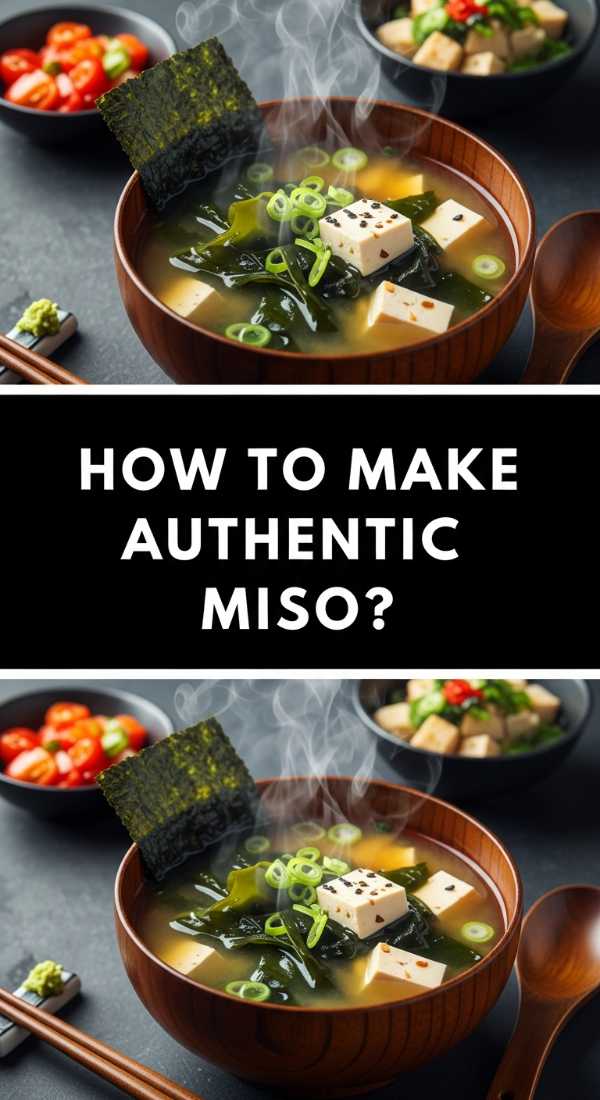
How to make authentic miso?

Why we love this
Authentic miso soup is a masterclass in subtlety and umami, providing a light, cleansing element that balances the heavier items on a snack board. We love the gentle, cloudy appearance of the miso paste as it swirls in the dashi broth, creating a visual that is both rustic and calming. The tiny cubes of silken tofu and delicate rings of green onion provide soft textures that contrast beautifully with the salty, fermented depth of the broth. It’s a fragrant, warming addition that aids digestion and brings a sense of traditional craftsmanship to your modern food spread.
Ingredients
- 4 cups water
- 1 teaspoon dashi granules (or homemade dashi)
- 3 tablespoons miso paste (white or red)
- 1/2 cup silken tofu, cubed
- 1 tablespoon dried wakame (seaweed)
- 1 sprig green onion, finely sliced
How to make it
- Bring the 4 cups of water to a boil in a medium saucepan, then stir in the dashi granules until fully dissolved to create your savory base.
- Add the dried wakame to the hot broth and let it rehydrate for about 2-3 minutes until it expands and becomes tender.
- Reduce the heat to low. It is critical that the broth is no longer boiling, as high heat can destroy the delicate probiotics and complex flavor of the miso.
- Place the miso paste in a small strainer or ladle and partially submerge it in the broth. Use a spoon to stir the paste until it dissolves completely into the soup without leaving any clumps.
- Gently drop in the silken tofu cubes and cook for 1 minute just to warm them through. Serve immediately in small bowls, garnished with a handful of fresh green onions.
How to make light tempura?

Why we love this
Light tempura is the height of culinary texture, offering an ethereal, airy crunch that feels almost like biting into a savory cloud. We love the way the ice-cold batter reacts with the hot oil to create a delicate, lacy coating that protects the freshness of the vegetables or shrimp inside. The pale golden color is sophisticated and clean, standing out against the darker elements of a food board. Dipped in a light soy-based sauce, each piece provides a satisfying snap and a clean finish that is never greasy, making it the ultimate snack for those who love high-contrast textures.
Ingredients
- 1/2 lb large shrimp or assorted vegetables (sweet potato, broccoli, bell pepper)
- 1 cup all-purpose flour
- 1 large egg yolk
- 1 cup ice-cold sparkling water
- Vegetable oil for deep frying
- Extra flour for dredging
How to make it
- Heat at least 2 inches of vegetable oil in a heavy pot or wok to 350°F (175°C). Use a thermometer to maintain this temperature; if it’s too low, the tempura will be oily; if it’s too high, it will burn.
- In a bowl, lightly beat the egg yolk and then pour in the ice-cold sparkling water. Quickly whisk in the flour, but do not overmix. Lumps are actually desirable in tempura batter as they contribute to the light, crispy texture.
- Keep the batter bowl inside a larger bowl filled with ice; maintaining a cold temperature is the secret to a shatteringly crisp coating.
- Dredge your ingredients lightly in dry flour first, then dip them into the cold batter, ensuring an even but thin coating.
- Carefully drop into the hot oil. Fry in small batches for 2-3 minutes until the batter is pale gold and crisp. Drain on a wire rack rather than paper towels to keep the bottom from getting soggy.
How to cook beef bowls?
[IMAGE_10]
Why we love this
Beef bowls, or Gyudon, offer a rustic, comforting charm that is deeply satisfying and visually inviting. We love the way the paper-thin slices of beef absorb the sweet-savory dashi broth, becoming incredibly tender and flavorful. The inclusion of translucent, simmered onions adds a natural sweetness that complements the rich protein, all served over a bed of steaming white rice. The aroma is enticingly sweet and salty, creating a sense of home-cooked warmth that rounds out the board. It is the perfect “main” element that ties various side dishes together into a cohesive, viral-worthy meal.
Ingredients
- 1/2 lb thinly sliced beef (ribeye or chuck)
- 1 large onion, thinly sliced
- 1/2 cup dashi stock
- 2 tablespoons soy sauce
- 2 tablespoons mirin
- 1 tablespoon sugar
- Steamed white rice for serving
- Pickled red ginger (beni shoga) for garnish
How to make it
- In a large skillet, combine the dashi stock, soy sauce, mirin, and sugar. Bring the mixture to a simmer over medium heat until the sugar has completely dissolved.
- Add the thinly sliced onions to the skillet. Cook them for about 5 minutes until they become soft, translucent, and have absorbed some of the dark color from the sauce.
- Increase the heat slightly and add the beef slices, spreading them out so they cook evenly. Because the beef is so thin, it will cook very quickly—usually in about 2-3 minutes.
- Simmer just until the beef is no longer pink and the sauce has reduced slightly, coating the meat and onions in a flavorful liquid.
- To serve, mound a generous portion of steamed rice into a bowl and top with the beef and onion mixture, drizzling extra sauce over the rice. Garnish with a pop of bright red pickled ginger.
Creating Your Masterpiece
Building the ultimate snack board is about more than just the individual recipes; it’s about the harmony between them. Use large wooden platters or slate boards as your canvas, and don’t be afraid to let the dishes overlap slightly. Fill the gaps with small bowls of dipping sauces, fresh herbs, and colorful garnishes to create that lush, overflowing look that performs so well on social media. Remember, the best boards are the ones made with love and shared with even more. Happy building!