
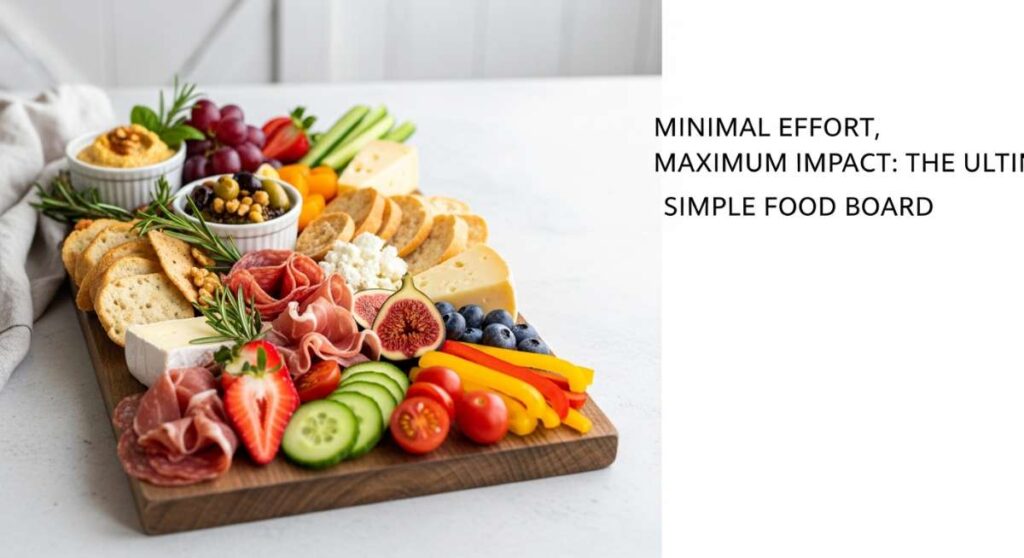
We’ve all been there—the frantic house-cleaning, the complicated five-course menu that leaves you stuck in the kitchen while your guests are laughing in the living room, and the lingering feeling that hosting is more of a chore than a joy. But what if I told you there’s a better way? A way to bring everyone together around a vibrant, sprawling spread that feels like a feast but takes half the effort? Today, we are leaning into the magic of the ‘Food Board’—a curated, colorful, and completely customizable way to serve a crowd without losing your mind.
There is something inherently communal about a board. It invites people to linger, to pick and choose their favorite bites, and to engage in that beautiful, messy ritual of sharing a meal. Whether it’s a cozy Friday night in or a sunny Sunday gathering, this ultimate simple food board is about celebrating seasonal flavors and comforting classics. It’s about the clink of glasses, the sound of laughter, and the simple pleasure of good food made with love.
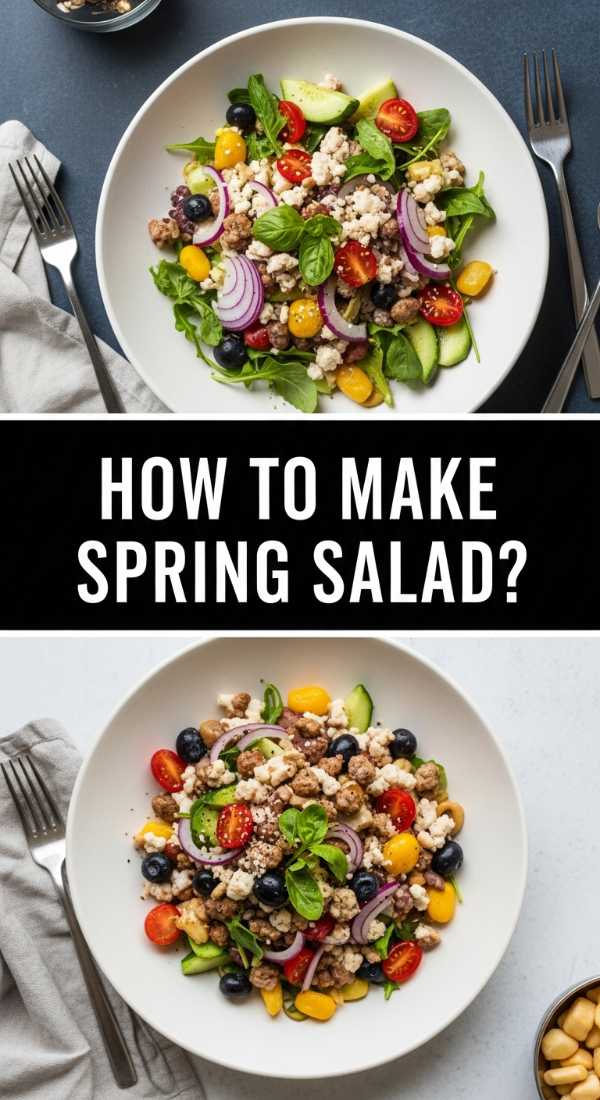
How to make spring salad?
Why we love this
This spring salad is a literal breath of fresh air on a plate. It combines the crisp, snappy texture of baby greens with the bright, zesty zing of a homemade lemon-shallot vinaigrette that cuts through any richness. Every bite offers a refreshing crunch, followed by the subtle earthiness of fresh herbs like mint and dill, making you feel revitalized and energized. It’s the perfect palate cleanser that brings a pop of vibrant green to your board, smelling like a rain-washed garden in the peak of April.
Ingredients
- 4 cups mixed baby greens (arugula, spinach, and butter lettuce)
- 1 cup thinly sliced radishes
- 1/2 cup fresh peas (blanched)
- 1/4 cup crumbled goat cheese
- 1/4 cup toasted pumpkin seeds
- For the dressing: 3 tbsp olive oil, 1 tbsp lemon juice, 1 tsp Dijon mustard, 1 minced shallot, salt, and pepper
How to make it
- Begin by preparing your vinaigrette: in a small glass jar, combine the extra virgin olive oil, fresh lemon juice, Dijon mustard, and finely minced shallots. Shake vigorously until the oil and citrus have emulsified into a creamy, pale yellow dressing. Season with a pinch of sea salt and cracked black pepper to taste.
- Wash your greens thoroughly in cold water and use a salad spinner to ensure they are completely dry; damp leaves will prevent the dressing from adhering properly.
- In a large wooden bowl, toss the dried greens with half of the dressing, using your hands or light tongs to coat every leaf without bruising them.
- Layer the thinly sliced radishes and blanched peas over the top. The peas should be vibrant green—achieve this by boiling them for exactly 60 seconds then immediately plunging them into an ice bath.
- Finish by sprinkling the crumbled goat cheese and toasted pumpkin seeds over the top for a creamy and crunchy finish. Drizzle the remaining dressing just before serving to maintain the crispness.
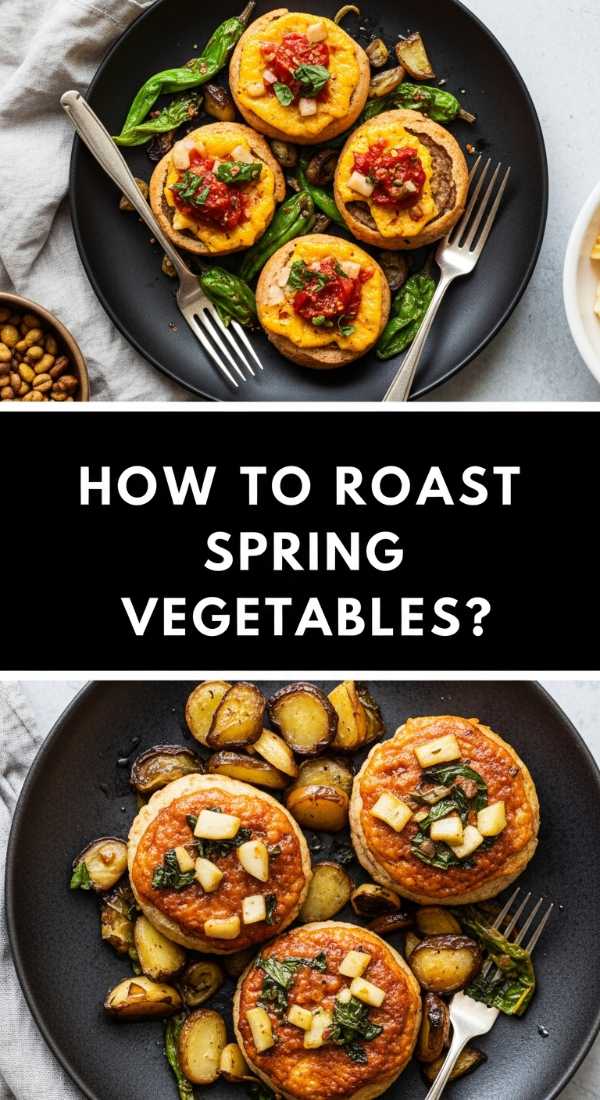
How to roast spring vegetables?
Why we love this
Roasting spring vegetables transforms them from humble garden picks into caramelized gems of concentrated flavor. Imagine the sweetness of young carrots and the tender-crisp snap of asparagus tips, all kissed by the high heat of the oven until they develop golden, charred edges. The aroma of roasting garlic and thyme fills the kitchen, creating an inviting atmosphere that promises a hearty, rustic experience. These veggies add a beautiful architectural element to your food board, offering textures that range from velvety soft to delightfully charred.
Ingredients
- 1 bunch asparagus (woody ends trimmed)
- 1 bunch baby carrots (scrubbed, with tops partially intact)
- 1 bunch radishes (halved)
- 2 tbsp olive oil
- 3 cloves garlic (smashed)
- 1 tbsp fresh thyme leaves
- Sea salt and cracked black pepper
How to make it
- Preheat your oven to 425°F (220°C). This high temperature is crucial for achieving caramelization without overcooking the delicate interiors of the spring vegetables.
- On a large, rimmed baking sheet, spread out the carrots and halved radishes. Drizzle with olive oil and toss to coat evenly. Ensure they are in a single layer; crowding the pan will cause them to steam rather than roast.
- Roast the carrots and radishes for about 12-15 minutes first, as they take longer than the asparagus. You are looking for the carrots to begin softening and the radishes to develop a slight golden hue on their cut sides.
- Remove the pan and add the asparagus and smashed garlic cloves. Toss everything together, adding a tiny bit more oil if necessary, and season generously with salt, pepper, and fresh thyme.
- Return to the oven for another 8-10 minutes. The asparagus is done when the tips are slightly crispy and the stalks can be pierced easily with a fork but still retain a bit of ‘snap.’ Serve warm or at room temperature.
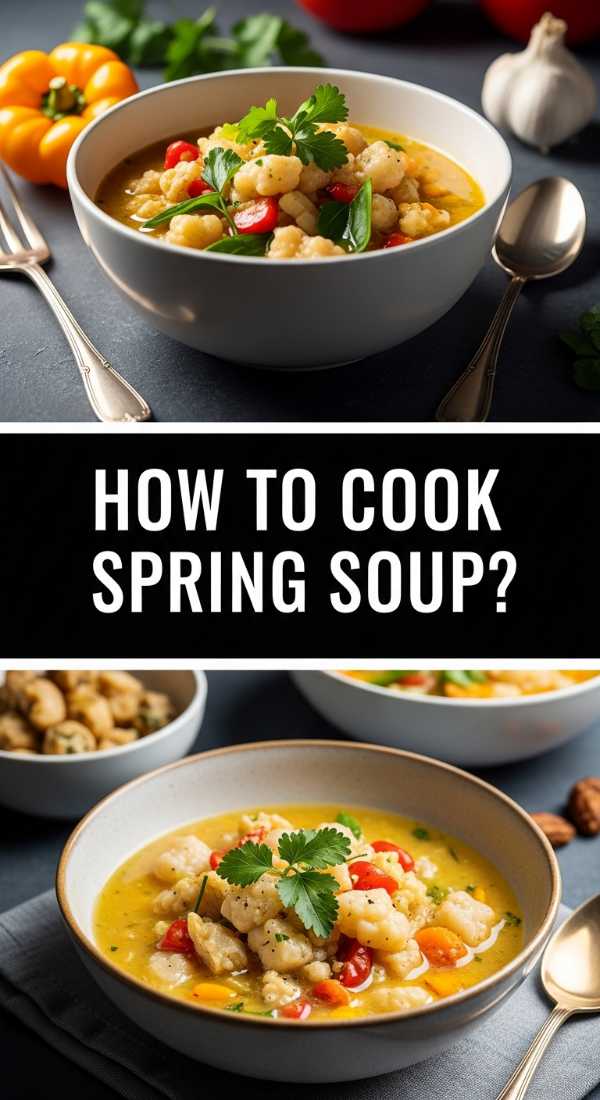
How to cook spring soup?
Why we love this
There is nothing quite like a silky, vibrant green spring soup to soothe the soul. This dish is the epitome of elegance, featuring a light yet creamy texture derived from blended leeks and potatoes, brightened by the sweetness of young peas. As you lift the spoon, you’ll catch the herbaceous notes of chives and parsley, followed by a buttery finish that lingers on the tongue. It serves as a beautiful, warm contrast to the colder elements of the food board, offering a comforting embrace in a bowl.
Ingredients
- 2 cups fresh or frozen peas
- 2 large leeks (white and light green parts only, sliced)
- 1 large Yukon Gold potato (peeled and diced)
- 4 cups vegetable broth
- 2 tbsp butter
- 1/4 cup heavy cream (optional)
- Fresh chives for garnish
How to make it
- In a heavy-bottomed pot or Dutch oven, melt the butter over medium-low heat. Add the sliced leeks and a pinch of salt, sautéing them slowly until they are soft and translucent, about 8-10 minutes. Do not let them brown, as this will discolor the soup.
- Add the diced potato and the vegetable broth. Increase the heat to medium-high and bring to a gentle boil, then reduce to a simmer. Cover and cook for about 12 minutes until the potatoes are completely tender when pressed against the side of the pot.
- Stir in the peas and cook for only 3-5 minutes. Cooking them briefly ensures the soup retains a bright, vivid green color rather than turning a dull olive tone.
- Use an immersion blender to puree the soup until perfectly smooth. For an even more refined texture, you can pour the soup through a fine-mesh sieve.
- Stir in the heavy cream if using, and season with salt and pepper. Serve in small glass jars or cups on your board, topped with a sprinkle of fresh chives and a swirl of olive oil.
How to make rotel dip?

Why we love this
Let’s be honest: no board is complete without a bit of nostalgic, cheesy indulgence. Rotel dip is the ultimate crowd-pleaser, boasting a velvety, molten texture that clings perfectly to every chip. It’s a bold explosion of savory cheese, spicy green chilies, and tangy tomatoes that immediately takes you back to game days and family reunions. The sight of that bubbling, golden dip in the center of the board is an instant signal that the party has officially started, and its warm, spicy aroma is completely irresistible.
Ingredients
- 1 block (16 oz) Velveeta or high-quality melting cheese
- 1 can (10 oz) Ro-Tel Diced Tomatoes and Green Chilies
- 1/2 lb ground sausage or chorizo (browned and drained)
- 1/2 tsp smoked paprika
- Cilantro for garnish
How to make it
- Start by browning your ground sausage or chorizo in a skillet over medium-high heat. Use a wooden spoon to break the meat into very small crumbles. Once fully cooked and slightly crispy, drain the excess fat onto a paper towel.
- Cut the melting cheese into 1-inch cubes. This helps the cheese melt evenly and prevents any scorching at the bottom of the pot.
- In a small slow cooker or a heavy saucepan over low heat, combine the cheese cubes and the entire can of Ro-Tel (do not drain the juices, as they provide the necessary acidity and moisture).
- Stir frequently as the cheese melts. Once smooth and glossy, fold in the cooked sausage and the smoked paprika. The paprika adds a subtle depth of flavor that elevates the dip.
- Keep the dip on the lowest heat setting to prevent a skin from forming. If it becomes too thick, stir in a splash of milk. Garnish with fresh cilantro and serve with sturdy tortilla chips.
How to make dirty spaghetti?

Why we love this
Dirty spaghetti is the soul-food cousin of the pasta world, rich with deep, umami flavors and a rustic heartiness that feels incredibly satisfying. Unlike a traditional bright marinara, this dish features a sauce that is dark, savory, and clingy, coating every strand of pasta in a blend of browned meats and aromatic spices. The texture is toothsome and rich, with the scent of toasted garlic and caramelized onions wafting through the air. It’s the kind of dish that feels like a warm hug, providing a substantial anchor to your diverse board spread.
Ingredients
- 1 lb spaghetti
- 1/2 lb ground beef
- 1/2 lb ground pork or chicken livers (finely minced)
- 1 onion, 1 bell pepper, and 2 stalks celery (finely diced)
- 3 cloves garlic (minced)
- 1 tbsp Cajun seasoning
- 1/2 cup beef broth
How to make it
- Bring a large pot of heavily salted water to a boil. Cook the spaghetti until it is slightly under ‘al dente’—it should still have a firm bite, as it will finish cooking in the sauce later.
- In a large skillet, brown the ground beef and minced pork/livers over medium-high heat. Cook until deeply browned and slightly caramelized for maximum flavor. Remove the meat but keep the rendered fat in the pan.
- Add the diced onion, bell pepper, and celery (the ‘holy trinity’) to the pan. Sauté in the meat drippings until soft and golden, about 7 minutes. Add the minced garlic and cook for another 60 seconds until fragrant.
- Return the meat to the pan and sprinkle with Cajun seasoning. Pour in the beef broth, scraping the bottom of the pan to release all the flavorful browned bits (fond). Let it simmer for 5 minutes until reduced.
- Add the undercooked spaghetti directly to the skillet with a splash of pasta water. Toss vigorously for 2 minutes over medium heat until the sauce thickens and glazes the noodles. Serve in a shallow bowl on your board.
How to make asparagus soup?

Why we love this
This asparagus soup is pure liquid gold—well, liquid emerald, to be exact. It has a sophisticated, earthy flavor profile that highlights the unique sweetness of spring asparagus without being overpowered by heavy creams. The texture is luxuriously smooth and light, making it a wonderful sipping soup for guests to enjoy while they mingle. Its fragrance is clean and vegetal, reminding one of a fresh meadow in the morning sun. It’s a refined addition that brings a touch of ‘gourmet’ to your otherwise casual and fun board.
Ingredients
- 1.5 lbs fresh asparagus (ends trimmed, tips reserved)
- 1 yellow onion (diced)
- 2 cloves garlic (minced)
- 4 cups chicken or vegetable stock
- 1 tbsp olive oil
- 1/2 lemon (juiced)
- Greek yogurt for garnish
How to make it
- Separate the tender asparagus tips from the stalks. Blanch the tips in boiling water for 2 minutes, then shock in ice water and set aside; these will be your beautiful garnish later.
- In a large pot, heat the olive oil over medium heat. Add the onions and cook until soft and translucent. Stir in the minced garlic and cook for 1 minute until the aroma is released.
- Roughly chop the remaining asparagus stalks and add them to the pot. Season with a pinch of salt and sauté for 3 minutes.
- Pour in the stock and bring to a boil. Reduce the heat and simmer for 15-20 minutes, or until the asparagus stalks are very tender.
- Blend the soup using a high-speed blender until it is completely silky. Stir in the fresh lemon juice to brighten the flavors and adjust seasoning with salt and pepper. Pour into small bowls and garnish with the reserved tips and a dollop of Greek yogurt.
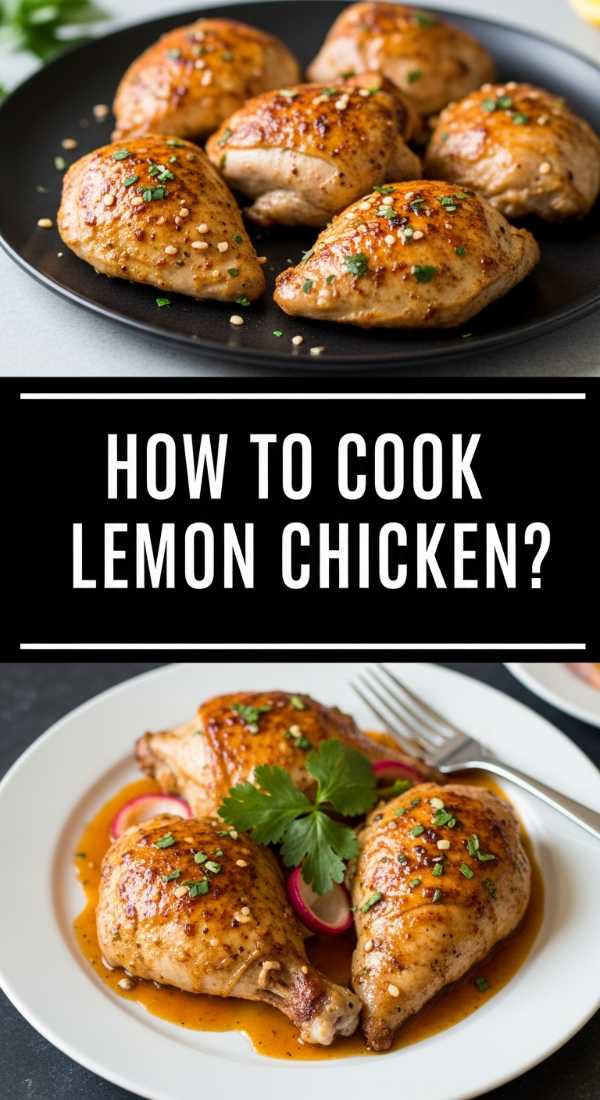
How to cook lemon chicken?
Why we love this
Lemon chicken is the ultimate protein for a board because it is just as delicious at room temperature as it is hot from the pan. The skin is rendered until it’s thin and crispy, while the meat remains incredibly succulent and bursting with citrusy brightness. The combination of charred lemon slices and fresh rosemary creates a scent that is both uplifting and savory, drawing everyone toward the board. It’s light, zesty, and provides the perfect savory balance to the richer dips and pastas on your spread.
Ingredients
- 4 boneless, skin-on chicken thighs
- 2 lemons (one sliced, one juiced)
- 3 tbsp olive oil
- 3 cloves garlic (crushed)
- 2 sprigs fresh rosemary
- Salt and cracked black pepper
How to make it
- Pat the chicken thighs completely dry with paper towels. This is the most important step for achieving a crispy skin; moisture is the enemy of a good sear. Season both sides generously with salt and pepper.
- Place a large cast-iron skillet over medium-high heat with 2 tablespoons of olive oil. Once the oil is shimmering, place the chicken thighs skin-side down in the pan.
- Press down on the chicken with a heavy spatula and cook undisturbed for 6-8 minutes. You are looking for the skin to turn a deep, mahogany brown and become shatteringly crisp.
- Flip the chicken over. Add the lemon slices, crushed garlic, and rosemary sprigs to the gaps in the pan. Pour the lemon juice and the remaining tablespoon of oil over the chicken.
- Transfer the pan to a 400°F oven for 10 minutes to finish cooking through. The internal temperature should reach 165°F. Let the chicken rest for 5 minutes before slicing it into strips to place on the board.
How to serve cheesy dip?

Why we love this
A great cheesy dip is all about the ‘pull’—that magical moment when a piece of bread lifts a stringy, gooey ribbon of cheese from the bowl. This isn’t just a snack; it’s an interactive experience. The flavor is rich, nutty, and slightly sharp, depending on the blend of cheeses you use. When served in a warm skillet or bread bowl, it retains its heat, offering a comforting, melt-in-your-mouth sensation that pairs perfectly with crunchy crudités or soft pretzels. It’s the ultimate anchor for any celebratory food board.
Ingredients
- 8 oz cream cheese (softened)
- 1 cup shredded sharp cheddar
- 1/2 cup shredded mozzarella (for the pull!)
- 1/4 cup sour cream
- 1 tsp garlic powder
- 1/2 tsp crushed red pepper flakes
- Top with chopped scallions
How to make it
- In a medium mixing bowl, beat the softened cream cheese and sour cream together until smooth and fluffy. This base ensures the dip is scoopable and doesn’t break.
- Fold in the shredded sharp cheddar, mozzarella, garlic powder, and red pepper flakes. Mixing by hand ensures the cheese is distributed evenly throughout the creamy base.
- Transfer the mixture to a small oven-safe dish or a mini cast-iron skillet. Smooth the top with a spatula.
- Bake at 375°F (190°C) for 15-20 minutes until the edges are bubbling and the top has developed a light golden-brown crust. For an extra-browned top, you can broil it for the final 2 minutes.
- Remove from the oven and let it sit for 5 minutes to set slightly. Garnish with scallions and place it in the center of your board, surrounded by breadsticks, crackers, and vegetable spears.
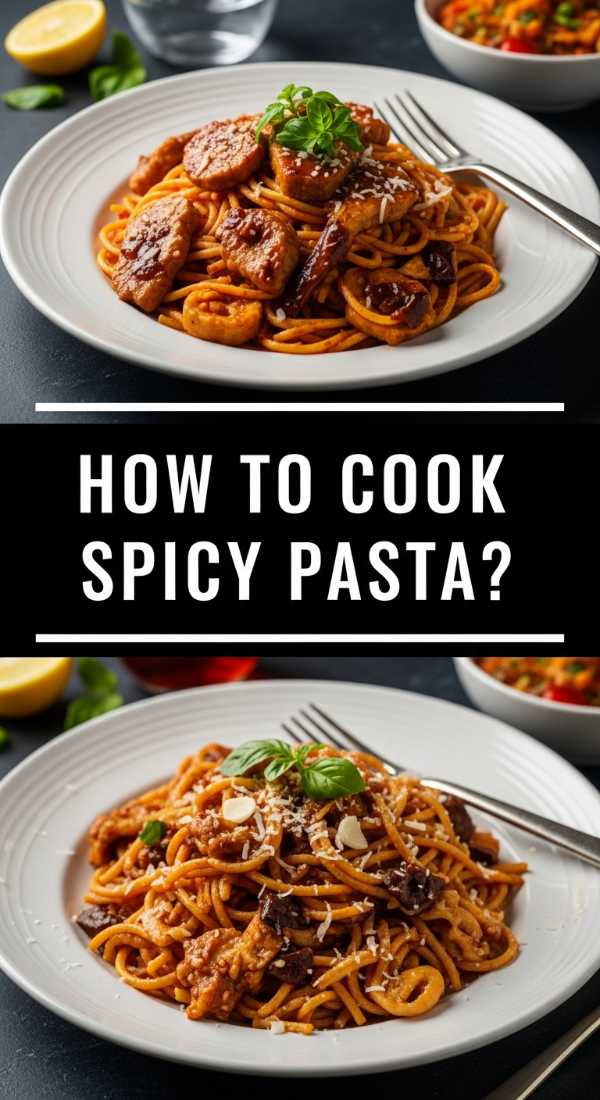
How to cook spicy pasta?
Why we love this
Spicy pasta, or ‘Penne all’Arrabbiata’ style, is for those who love a bit of heat and a lot of personality in their food. The sauce is a fiery combination of garlic, tomatoes, and red chili flakes that dances on the palate, waking up your taste buds with every forkful. The aroma is sharp and inviting, with the scent of toasted garlic leading the way. It’s a bold, vibrant dish that adds a splash of red to your board and offers a high-energy contrast to the more mellow, creamy components.
Ingredients
- 1 lb penne or rigatoni
- 1 can (28 oz) crushed tomatoes
- 4 cloves garlic (thinly sliced)
- 1-2 tsp red pepper flakes (depending on heat preference)
- 1/4 cup extra virgin olive oil
- Fresh basil and parmesan for serving
How to make it
- Cook the pasta in a large pot of salted boiling water until it is very al dente. It should have a distinct bite in the center.
- While the pasta cooks, heat the olive oil in a large skillet over medium-low heat. Add the sliced garlic and red pepper flakes. The goal is to ‘infuse’ the oil; cook until the garlic is golden and fragrant, but be careful not to burn it, as burnt garlic turns bitter.
- Carefully pour in the crushed tomatoes. Increase the heat to medium and simmer for 15 minutes. The sauce should thicken and turn a deep, rich red. Season with salt to taste.
- Transfer the cooked pasta directly into the sauce using a slotted spoon. Add 1/2 cup of the starchy pasta water to the pan.
- Toss the pasta over medium-high heat for 2-3 minutes. This step is critical as it allows the pasta to absorb the sauce and the starch from the water creates a glossy, restaurant-quality finish. Garnish with torn basil and freshly grated parmesan.
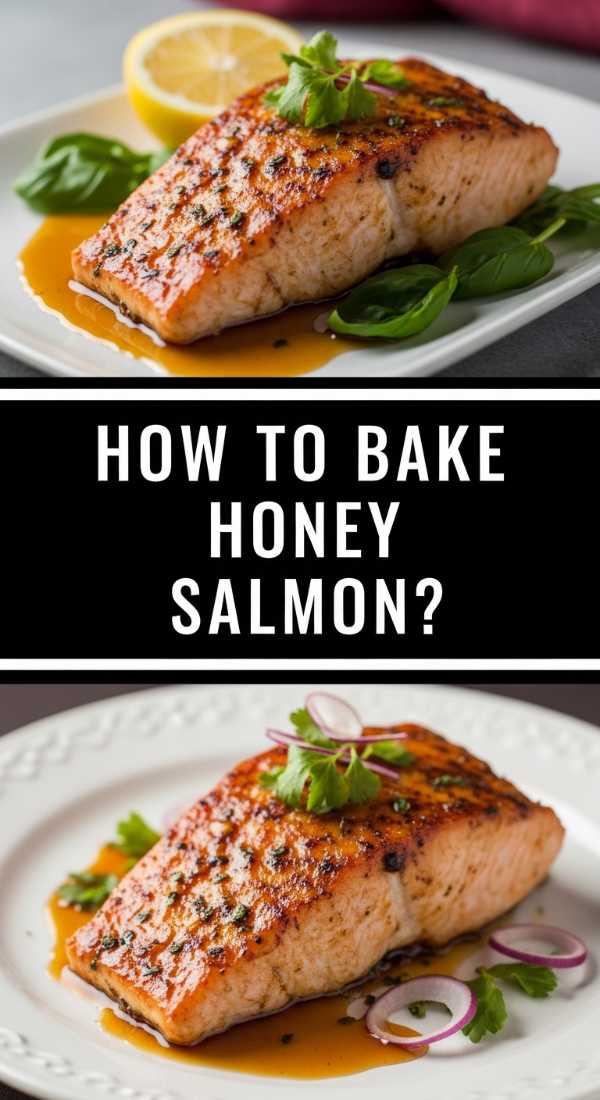
How to bake honey salmon?
Why we love this
Honey salmon is the jewel of the food board, offering a stunning combination of sweet, flaky, and savory elements. The honey creates a gorgeous, sticky glaze that caramelizes under the heat, while the salmon remains tender and buttery inside. As you break into a fillet, it flakes apart effortlessly, releasing the scent of warm honey and toasted sesame. It’s a sophisticated, healthy protein that feels light yet luxurious, and its shimmering, amber-hued surface makes it an absolute showstopper of a centerpiece.
Ingredients
- 2 large salmon fillets (or one whole side of salmon)
- 1/4 cup honey
- 2 tbsp soy sauce
- 1 tbsp Dijon mustard
- 1 tbsp melted butter
- 1/2 tsp garlic powder
- Lemon wedges and parsley for garnish
How to make it
- Preheat your oven to 400°F (200°C) and line a baking sheet with parchment paper or foil for easy cleanup.
- In a small bowl, whisk together the honey, soy sauce, Dijon mustard, melted butter, and garlic powder until smooth. This glaze provides the perfect balance of sweetness, acidity, and umami.
- Place the salmon fillets on the prepared baking sheet. Pat them dry with a paper towel to ensure the glaze sticks. Brush a generous layer of the honey mixture over the top and sides of each fillet.
- Bake for 12-15 minutes. About halfway through the cooking time, remove the tray and brush on another layer of the honey glaze.
- For the final 2 minutes, turn the oven to ‘broil’ to caramelize the top of the salmon until it is bubbling and slightly charred. The internal temperature should be around 145°F. Remove from the oven, garnish with fresh parsley and lemon wedges, and serve on the board.
The Art of the Board: Bringing it All Together
Building the ultimate simple food board is about more than just the recipes—it’s about the arrangement. Start with your largest items first, like the bowls of soup and the salmon, and then fill in the gaps with your salads, roasted veggies, and piles of crackers or bread. Don’t be afraid to let colors bleed into each other and textures overlap. The beauty is in the abundance! Once your board is assembled, pour the wine, put on your favorite playlist, and enjoy the fact that you’ve created a masterpiece with minimal stress. Happy hosting!