
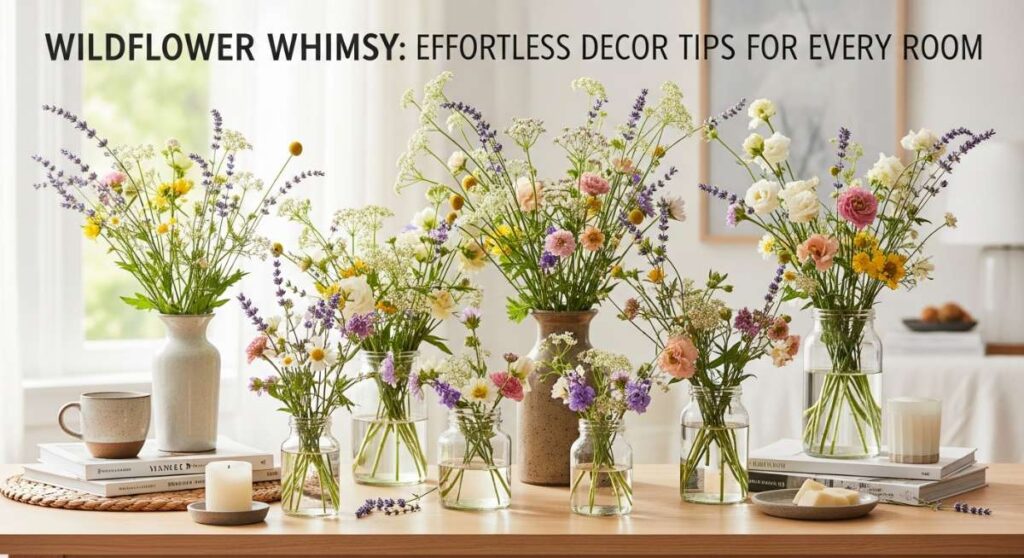
There is a quiet magic that happens when you bring a bit of the wild indoors. I remember the first time I traded a stiff, store-bought bouquet for a handful of messy, sun-drenched wildflowers gathered from a nearby field. The room didn’t just look better; it felt like it was finally exhaling. That’s the power of the floral aesthetic—it’s not about perfection, but about the whimsical, untamed beauty that breathes life into every corner of our homes.
In today’s fast-paced digital world, coming home to a space that feels grounded in nature is more than a design choice; it’s a form of self-care. Whether it’s the soft scent of lavender on your nightstand or a bold, structural arrangement in your entryway, flowers have this incredible ability to soften hard edges and brighten the heaviest moods. Join me as we explore how to weave this wildflower whimsy into your daily life, transforming your house into a lush, living sanctuary.
How to Style Flower Decor for Instant Calm
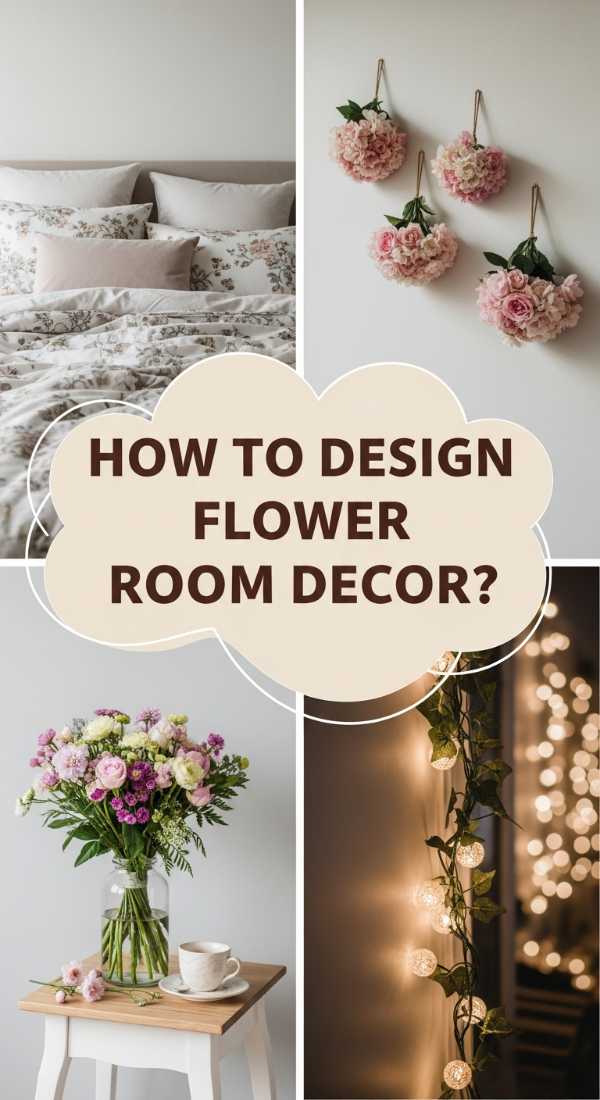
Why we love this
There is something profoundly grounding about the sight of delicate petals swaying in a gentle breeze. When we style for calm, we lean into soft textures and muted palettes that whisper rather than shout, creating a visual retreat from the noise of the outside world. The aroma of fresh eucalyptus or the subtle, honeyed scent of chamomile works to lower cortisol levels, while the organic silhouettes remind us of the slow, steady pace of the natural world. It is about creating a pocket of stillness where you can simply be.
Essential Elements:
- Clear glass apothecary jars or vintage medicine bottles.
- A handful of Chamomile or Feverfew for a meadow-like feel.
- A few sprigs of Silver Dollar Eucalyptus for texture.
- Filtered room-temperature water.
- A quiet, clutter-free surface like a mantel or side table.
How to make it
- Begin by cleaning your glass vessels thoroughly with warm, soapy water to ensure no bacteria disrupt the lifespan of your stems.
- Trim each stem at a sharp 45-degree angle using sharp floral shears; this maximizes the surface area for water intake, keeping the blooms turgid and vibrant.
- Remove any leaves that will sit below the waterline, as decaying foliage creates a murky environment that clogs the stems’ vascular systems.
- Fill your jars about two-thirds full with filtered water, then place the tallest stems in the center to create a focal point.
- Incorporate smaller, fluffier filler flowers around the edges to soften the silhouette, ensuring the arrangement looks airy and unforced.
How to Design Flower Room Decor for a Dreamy Bedroom
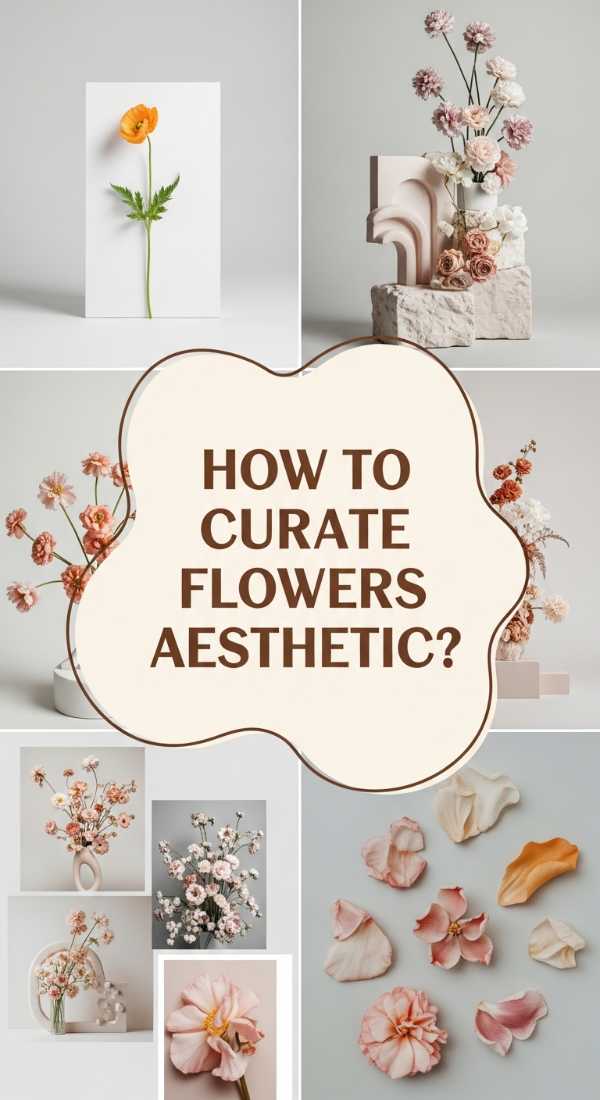
Why we love this
Your bedroom should be your ultimate sanctuary, a place where the senses are lulled into a state of total relaxation. Incorporating floral decor here adds a layer of soft, romantic texture that mimics the comfort of a high-end boutique hotel. The visual softness of pastel petals paired with the rhythmic beauty of botanical life creates a space that feels both intimate and expansive. Waking up to the sight of fresh blooms on your nightstand sets a gentle, positive tone for the entire day ahead.
Essential Elements:
- Ceramic bud vases in soft, matte finishes.
- Ranunculus or Garden Roses in blush or cream.
- Sheer silk or velvet ribbons for vase accents.
- A linen-covered bedside table.
- Distilled water mixed with a drop of floral preservative.
How to make it
- Select your primary blooms, looking for those that are just beginning to open to ensure they last through the week.
- Cut the stems short, roughly twice the height of your bud vase, to create a low-profile look that doesn’t overwhelm your bedside space.
- Gently peel back the outermost ‘guard petals’ of roses to reveal the pristine, soft layers underneath.
- Place one to three stems per vase, leaning them at different angles to mimic how they might grow in the wild.
- Finish by tying a thin ribbon around the neck of the vase for a touch of tactile whimsy that ties the floral elements to your room’s soft furnishings.
How to Curate Flowers Aesthetic for a Modern Home
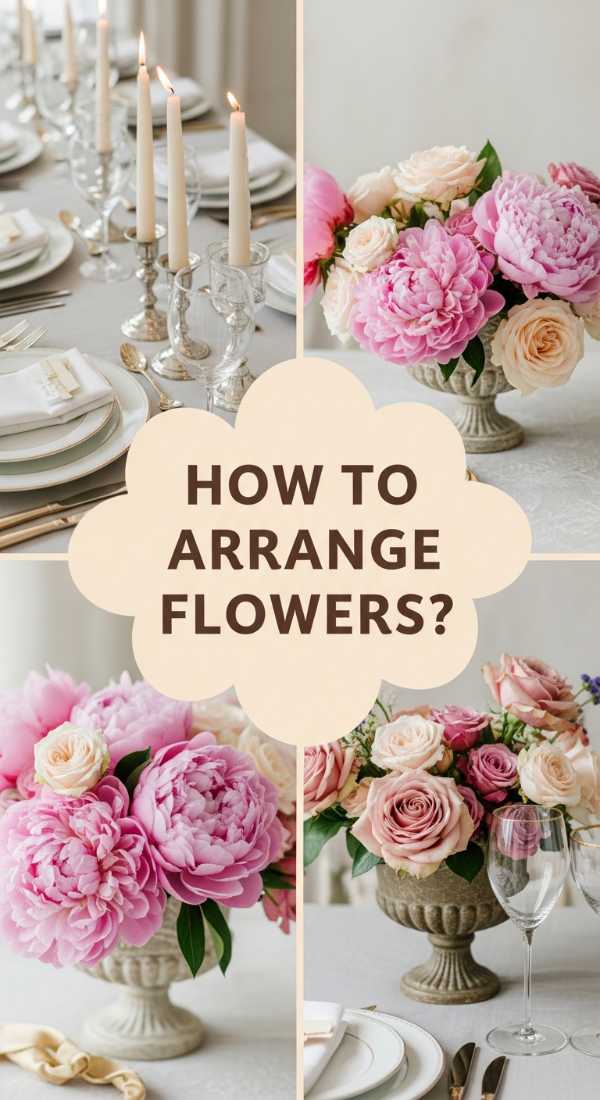
Why we love this
Modern design often risks feeling cold or clinical, but the right floral curation adds a necessary soul to minimalist spaces. We love this approach because it focuses on architectural shapes and bold, singular colors that complement sleek lines and neutral palettes. The contrast between a stark, concrete-colored wall and the vibrant, organic curve of a Protea or a Monstera leaf creates a sophisticated tension that feels curated and intentional. It’s high-fashion for your living room.
Essential Elements:
- Opaque, geometric vases in black, white, or terracotta.
- Bold focal flowers like Proteas, Anthuriums, or Orchids.
- Large-scale tropical foliage or structured branches.
- Floral foam or a metal ‘frog’ to hold stems in precise positions.
- Clean, modern surfaces like marble or polished wood.
How to make it
- Soak your floral foam in water until fully saturated if you are creating a structured, gravity-defying arrangement.
- Start with your largest leaf or branch to establish the ‘skeleton’ or the outer boundaries of the arrangement.
- Insert your focal flowers at varying depths to create a sense of three-dimensional movement within the geometric container.
- Focus on negative space; unlike a wildflower bouquet, a modern arrangement relies on the empty space between stems to highlight their unique shapes.
- Check the balance from all angles, ensuring the weight is distributed visually so the arrangement feels grounded and stable.
How to Arrange Flowers for a Romantic Dinner Setting
Why we love this
A dinner table adorned with flowers instantly elevates a simple meal into a memorable event. The fragrance of the blooms mingles with the steam of the food, creating a multi-sensory experience that feels deeply indulgent and thoughtful. We love low-profile arrangements for dinner because they allow for unobstructed eye contact and conversation, while the soft glow of candlelight reflecting off the petals adds a shimmering, ethereal quality to the evening. It is the ultimate gesture of hospitality.
Essential Elements:
- Low-profile compote bowls or shallow ceramic dishes.
- Chicken wire or waterproof floral tape for a grid.
- Fragrant blooms like Sweet Peas, Lilies, or Jasmine.
- Taper candles in complementary colors.
- Seasonal fruits like grapes or sliced citrus for table scattering.
How to make it
- Create a grid over the mouth of your bowl using thin strips of waterproof floral tape; this will act as a support system for your stems.
- Fill the bowl with water until it is about an inch below the rim.
- Start by tucking greenery into the edges of the grid, allowing it to spill over the sides of the bowl for a lush, overflowing look.
- Add your largest flowers into the center of the grid, angling them slightly outward so they face the guests.
- Tuck in the smaller, fragrant ‘filler’ flowers into the remaining gaps, ensuring no tape is visible and the arrangement looks seamless from every seat.
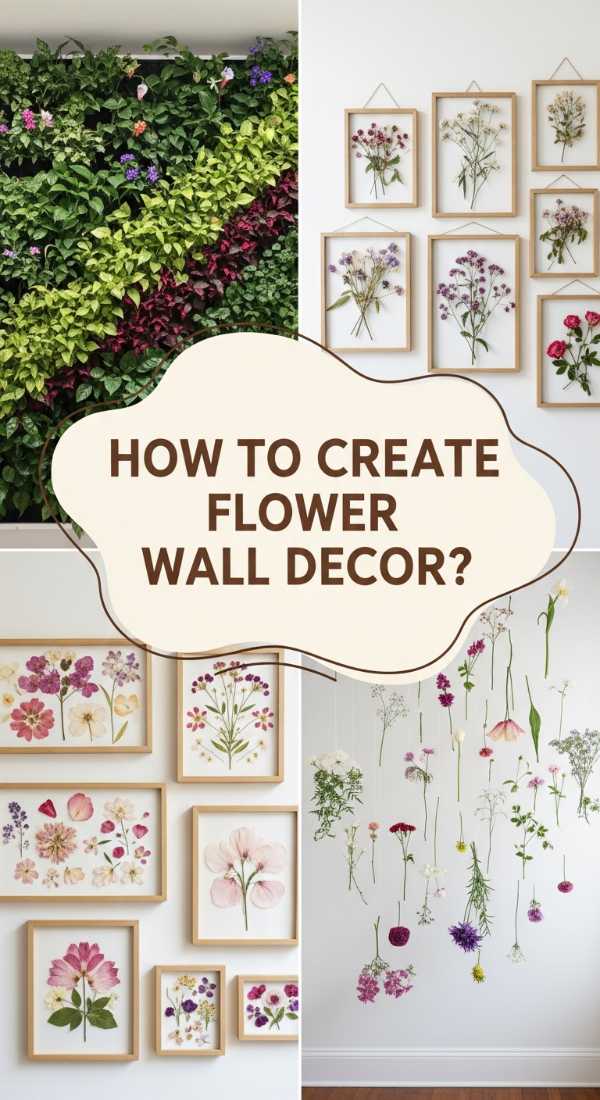
How to Create Flower Wall Decor for Botanical Vibes
Why we love this
A flower wall is the ultimate statement piece, turning a blank vertical space into a living piece of art. It brings an immersive ‘jungle’ or ‘secret garden’ vibe to a room that traditional framed art simply cannot match. We love the way the light catches the different textures of the hanging stems, casting beautiful shadows that change throughout the day. It is an adventurous way to celebrate nature’s bounty and creates an incredible backdrop for photos or quiet moments of contemplation.
Essential Elements:
- Clear Command hooks or a decorative wooden branch.
- Twine, fishing line, or colorful velvet ribbons.
- Sturdy dried or fresh flowers like Strawflowers, Lavender, or Baby’s Breath.
- Measuring tape and scissors.
- Small clothespins or floral wire.
How to make it
- Measure your wall space and mark the spots where your hooks or branch will be mounted, ensuring they are level and spaced evenly.
- Cut your twine or ribbons into varying lengths to create a staggered, organic ‘curtain’ effect.
- Secure your flowers to the twine using small knots or clothespins; if using fresh flowers, ensure they are varieties that dry beautifully in place.
- Attach the strings to your wall mounts, starting from the back and moving forward to create depth and layers.
- Adjust the spacing between the hanging strands until the wall feels full and balanced, ensuring the colors are distributed evenly across the display.
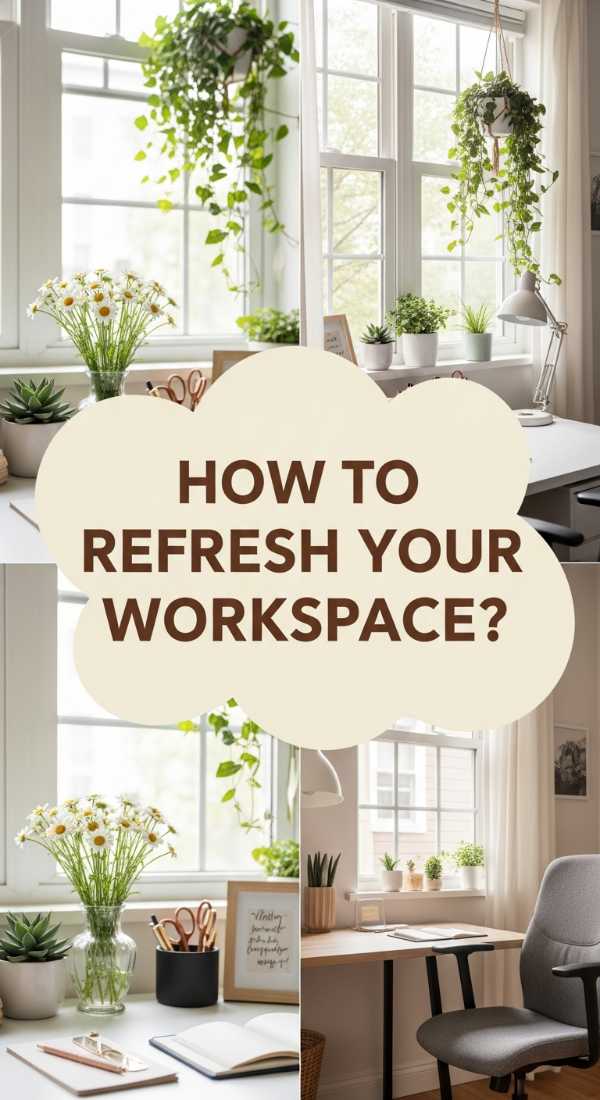
How to Refresh Your Workspace for Creative Inspiration
Why we love this
A sterile desk is a graveyard for creativity. By introducing floral elements into your workspace, you provide your eyes with a necessary ‘soft focus’ break from the blue light of screens. We love how a pop of bright yellow Craspedia or a sophisticated white Tulip can spark a fresh idea or lower the stress of a looming deadline. The presence of living things in an office reminds us of growth and potential, making the daily grind feel much more like a creative journey.
Essential Elements:
- Small, stable containers that won’t tip over near electronics.
- Energizing flowers like Sunflowers, Craspedia (Billy Buttons), or Zinnias.
- A small succulent or air plant for longevity.
- Clean water and a pair of snips for quick maintenance.
How to make it
- Select a vase with a heavy base to prevent any accidental spills onto your keyboard or documents.
- Keep the arrangement small and focused; a single, vibrant bloom often provides more clarity than a cluttered bouquet.
- Place the flowers at the periphery of your vision so they are present but not distracting during deep work sessions.
- Change the water every two days—this visual cue serves as a great ‘mindfulness’ break to step away from the screen.
- If using tulips, remember they continue to grow in the vase; trim them slightly every few days to maintain the desired height and form.
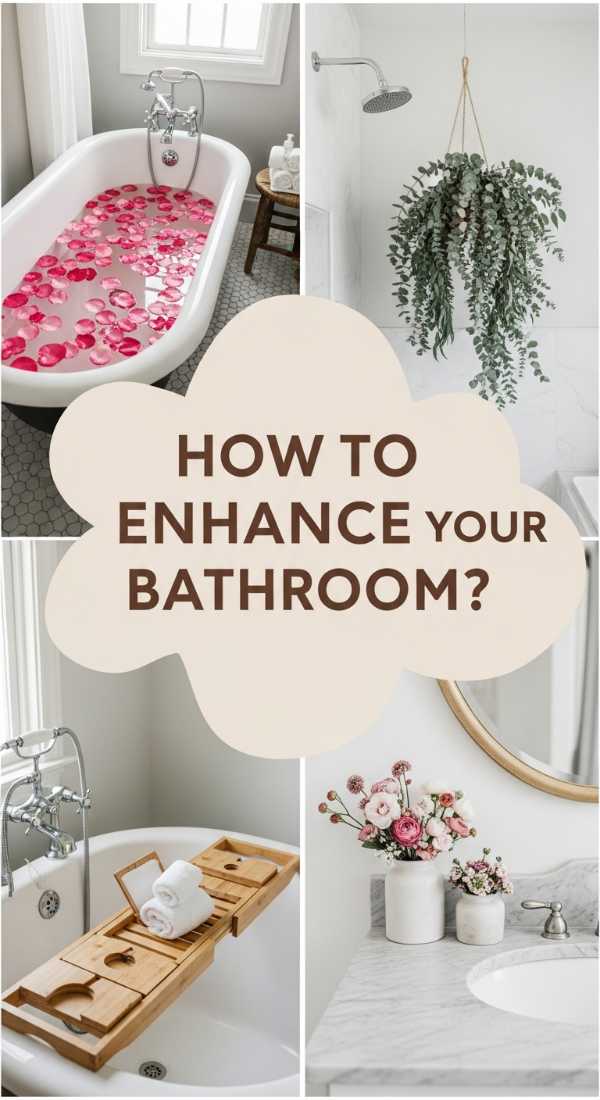
How to Enhance Your Bathroom Sanctuary for Spa Relaxation
Why we love this
Turning your bathroom into a spa is all about moisture-loving plants and invigorating scents. We love using eucalyptus and tropical flowers here because the steam from your shower acts as a natural diffuser, releasing essential oils that clear the sinuses and soothe the mind. It transforms a functional room into a luxurious escape, making your morning routine feel like a ritual rather than a chore. It’s the ultimate way to indulge in a bit of everyday luxury without leaving the house.
Essential Elements:
- A bundle of fresh Eucalyptus or Menthol stems.
- Natural jute twine.
- Humidity-loving blooms like Orchids or Lilies in a countertop vase.
- Essential oils (optional) for an extra boost.
How to make it
- Take a bundle of eucalyptus and gently roll over the leaves with a rolling pin or a glass bottle to bruise them slightly, releasing the potent oils.
- Tie the bundle together at the base with jute twine, leaving a long loop for hanging.
- Secure the bundle to your showerhead, ensuring it is positioned behind the flow of water so it gets hit by the steam but not the direct spray.
- For the countertop, choose a glass vase and fill it with tropical blooms that thrive in humid environments.
- Replace the eucalyptus every 2-3 weeks, or when the scent begins to fade, to ensure the spa-like atmosphere remains fresh.
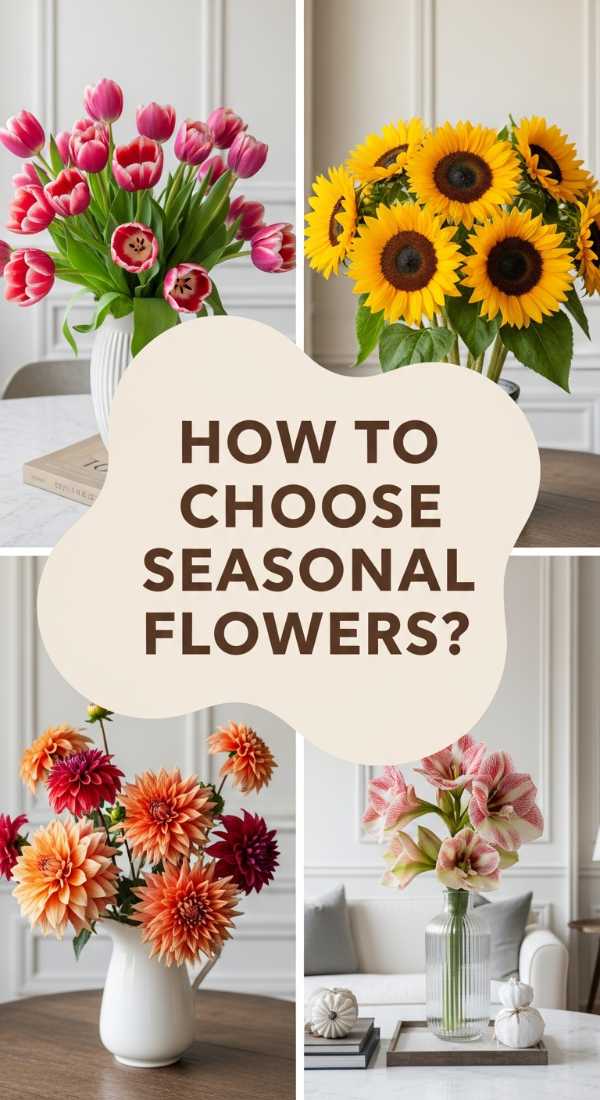
How to Choose Seasonal Flowers for Year Round Beauty
Why we love this
Living in harmony with the seasons connects us to the rhythm of the earth. We love the anticipation that comes with each season—the first Peonies of spring, the bold Sunflowers of summer, the moody Dahlias of autumn, and the structural evergreens of winter. Choosing seasonal flowers ensures that your home decor is always in sync with the world outside, and it also means you’re getting the freshest, most sustainable blooms available. It turns decorating into a celebration of time passing.
Essential Elements:
- A seasonal flower guide or a relationship with a local florist.
- Vases of various sizes to accommodate different seasonal shapes.
- Floral preservative packets.
- A compost bin for old stems.
How to make it
- Research what is currently in bloom in your specific hardiness zone to ensure you are buying flowers at their peak strength.
- Visit a local farmers’ market early in the morning to get the ‘first pick’ of stems that were likely harvested just hours before.
- In Spring, focus on bulb flowers like Tulips and Narcissus; in Summer, look for heat-tolerant Zinnias; in Fall, embrace the rich textures of Amaranth and Berries.
- Match your vase choice to the season’s vibe—clear glass for light Spring vibes, and heavy stoneware for cozy Winter arrangements.
- Rotate your color palette monthly to reflect the changing light outside, keeping your home’s energy dynamic and fresh.
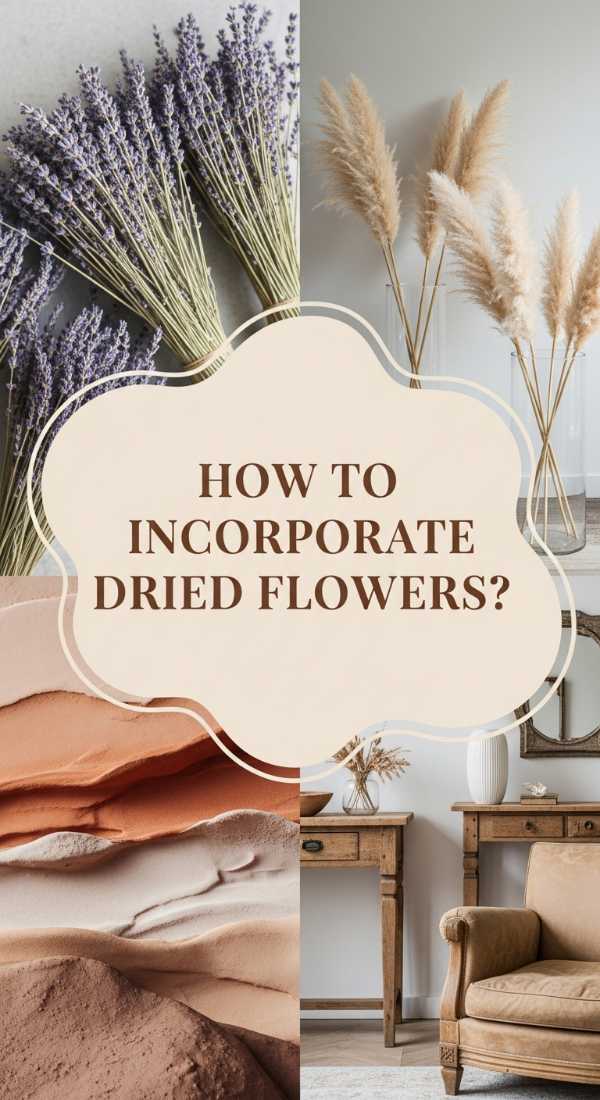
How to Incorporate Dried Flowers for Timeless Vintage Charm
Why we love this
Dried flowers are the ultimate sustainable decor choice, offering a dusty, romantic palette that lasts for months or even years. We love the vintage, ‘shabby chic’ charm they bring to a space, reminding us of old libraries and sun-bleached cottages. They require zero maintenance—no watering, no trimming—making them perfect for busy flower lovers. Their muted tones and brittle, papery textures add a sophisticated, nostalgic layer to any room that feels deeply storied and soulful.
Essential Elements:
- Flowers that dry well: Hydrangeas, Statice, Strawflowers, or Proteas.
- Unscented hairspray or floral sealant.
- Dark, dry, and well-ventilated space for drying.
- Vintage pitchers or tarnished silver bowls for display.
How to make it
- Select fresh flowers that are just slightly under-ripe; if they are fully open, they are more likely to drop petals during the drying process.
- Strip all foliage from the stems and gather them into small bundles, securing them with a rubber band (which tightens as the stems shrink).
- Hang the bundles upside down in a dark, cool place for 2-3 weeks; the darkness is crucial to preserving the flower’s original color.
- Once the stems feel brittle and the petals are papery, lightly mist them with unscented hairspray to help hold their shape and prevent shedding.
- Arrange them in a dry vase (no water!) and keep them out of direct sunlight to prevent further fading.
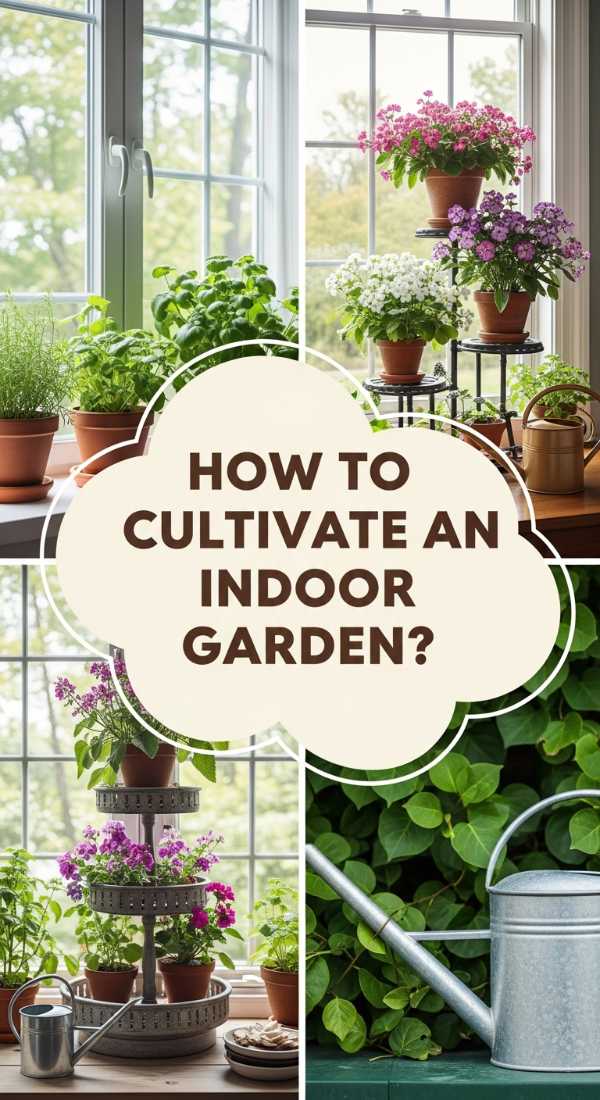
How to Cultivate an Indoor Garden for Natural Living
[IMAGE_10]
Why we love this
An indoor garden is more than decor; it’s a living, breathing ecosystem. We love the deep satisfaction that comes from nurturing a plant from a small cutting into a cascading vine or a sturdy indoor tree. This ‘natural living’ approach purifies the air and provides a constant source of greenery, even in the middle of winter. The act of tending to your plants—watering, pruning, and checking for new growth—becomes a meditative practice that grounds you in the present moment.
Essential Elements:
- Potted plants like Pothos, Snake Plants, or Peace Lilies.
- High-quality potting soil and drainage pebbles.
- Terracotta or breathable ceramic pots with drainage holes.
- A stylish watering can and a misting bottle.
- A moisture meter or a simple wooden dowel.
How to make it
- Choose plants based on the light levels of your room; a bright window is perfect for succulents, while a dim corner is better for a Snake Plant.
- When repotting, place a layer of drainage pebbles at the bottom of the pot to prevent root rot, then fill with nutrient-rich soil.
- Check the moisture levels by sticking your finger an inch into the soil; if it’s dry, it’s time to water, but if it’s damp, wait another few days.
- Clean the leaves of your plants once a month with a damp cloth; dust can block sunlight and hinder the plant’s ability to photosynthesize.
- Group plants together in ‘communities’ to increase local humidity, which helps them thrive and creates a lush, jungle-like visual effect.
Conclusion: Embracing the Wild Within
Decorating with flowers and greenery isn’t just about making things look ‘pretty.’ It’s about inviting the rhythm of nature into our sterile, modern lives. Whether you choose a single, perfect rose for your desk or a sprawling indoor garden, you are making a choice to prioritize beauty, calm, and growth. So, go ahead—grab those shears, visit your local florist, or take a walk in the fields. Your home is waiting to bloom.