
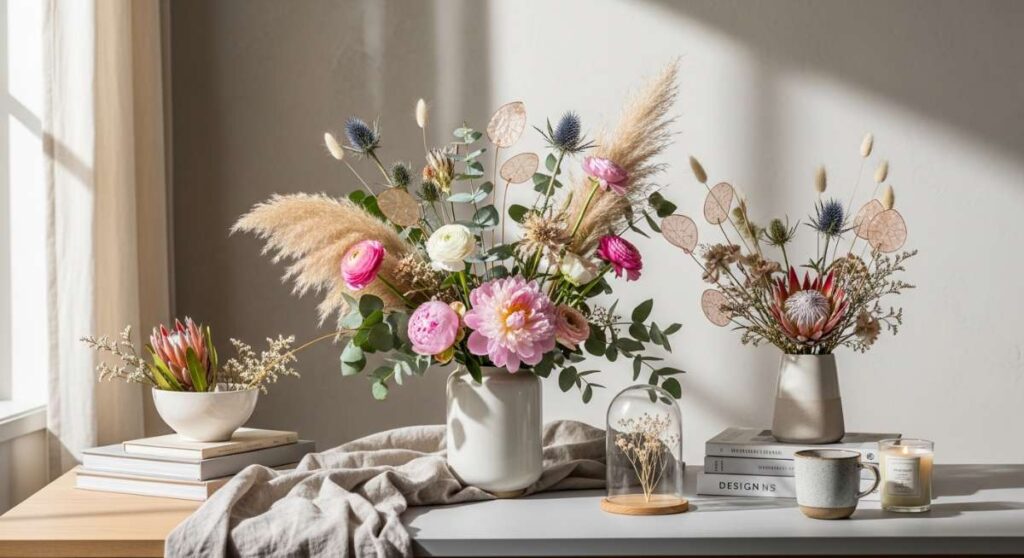
There is a profound, almost magical shift that happens the moment you bring a fresh bouquet through the front door. Whether it’s a handful of wild daisies plucked from the roadside or a curated bundle of velvety peonies from the local florist, flowers have a way of breathing life into a room that no piece of furniture ever could. They are nature’s quietest storytellers, whispering tales of changing seasons and soft, fleeting beauty into our daily routines.
For me, styling flowers isn’t just about decor; it’s about a feeling. It’s that first sip of coffee in a room that smells like jasmine, or the way a single dried rose on a bookshelf reminds you of a summer long past. In this guide, we are diving deep into the art of the floral aesthetic—exploring how to weave these organic treasures into every corner of your home to create a sanctuary that feels as vibrant and soulful as a blooming garden.
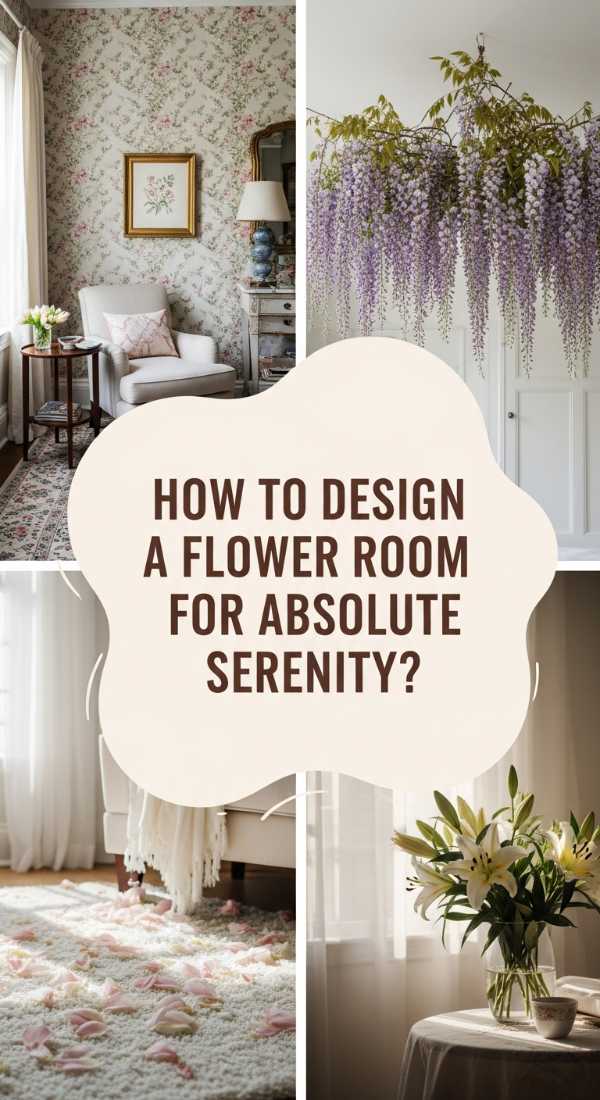
How to Design a Flower Room for Absolute Serenity
Why we love this
A dedicated flower room is the ultimate luxury for the soul, a soft place to land after a chaotic day where the only noise is the rustle of leaves. We love this concept because it transforms a standard space into a living sanctuary, filled with the cooling scent of eucalyptus and the earthy aroma of damp moss. Imagine a room where sunlight dances through glass vases, casting prismatic shadows across the floor while you sit surrounded by lush greenery that purifies the air and calms the mind. It is a sensory escape that encourages deep breathing and a profound connection to the natural world right inside your own walls.
Essential Elements:
- A variety of floor-standing plants like Fiddle Leaf Figs or Monstera.
- Floating shelves at varying heights for trailing vines.
- Comfortable linen seating in neutral tones.
- Sheer curtains to diffuse natural light.
- A central workspace or potting bench with ceramic vessels.
How to make it
- Identify the room in your home with the most consistent indirect sunlight, as this will keep your blooms and greens thriving without scorching them.
- Begin by placing your largest floor plants in the corners to anchor the space, ensuring they have high-quality drainage pots to prevent root rot.
- Install floating shelves at staggered heights along the main wall; place trailing plants like Pothos or String of Pearls on the highest shelves so they can cascade down like a green waterfall.
- Group smaller, flowering potted plants in clusters of three on side tables, mixing different textures like the waxy leaves of a Peace Lily with the delicate petals of African Violets.
- Maintain the serenity by misting your plants every morning with a fine-mist sprayer, which not only provides hydration but creates a meditative ritual to start your day.
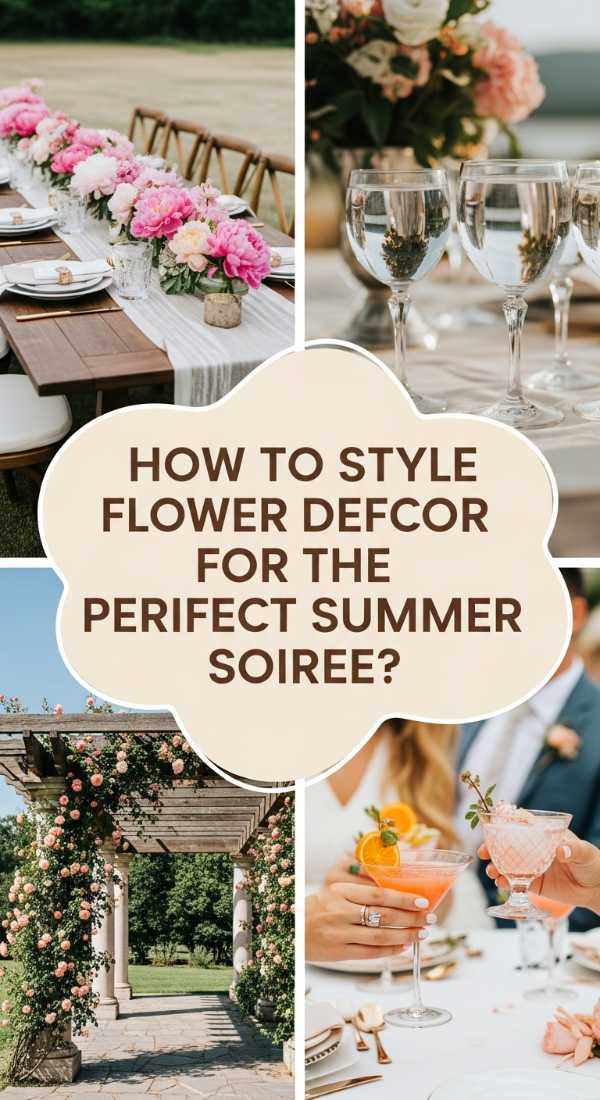
How to Style Flower Decor for the Perfect Summer Soiree
Why we love this
Nothing says ‘summer’ quite like an alfresco table overflowing with sun-drenched blooms and the hum of happy conversation. We love this style because it captures the effortless, joyful energy of a garden party where the decor feels as wild and free as the season itself. The scent of garden roses mixed with citrus slices in water creates an intoxicating atmosphere that lingers long after the sun goes down. It’s about creating a tactile, visual feast that makes every guest feel like they’ve stepped into a rustic Mediterranean dream, where every petal and stem adds to the warmth of the gathering.
Essential Elements:
- Long wooden trestle table.
- Assorted mismatched vintage glass bottles.
- Wildflowers like Queen Anne’s Lace, Cosmos, and Zinnias.
- Fresh citrus fruits (lemons, limes, oranges) for styling.
- Twine or silk ribbons for napkin ties.
How to make it
- Lay a light linen runner across your table and place your largest floral arrangement in the center, keeping it low enough so guests can easily see each other over the blooms.
- Scatter smaller bud vases filled with single stems of wildflowers along the length of the table to create a continuous flow of color and texture.
- Incorporate whole and halved citrus fruits directly onto the table runner between the vases; the bright yellows and oranges will make the colors of the flowers pop.
- For a professional touch, freeze edible flowers like pansies or borage into large ice cubes to serve in clear glass pitchers of lemonade or cocktails.
- Tie a small sprig of lavender or a single daisy to each cloth napkin using rustic twine to give each guest a personal, fragrant welcome to their seat.
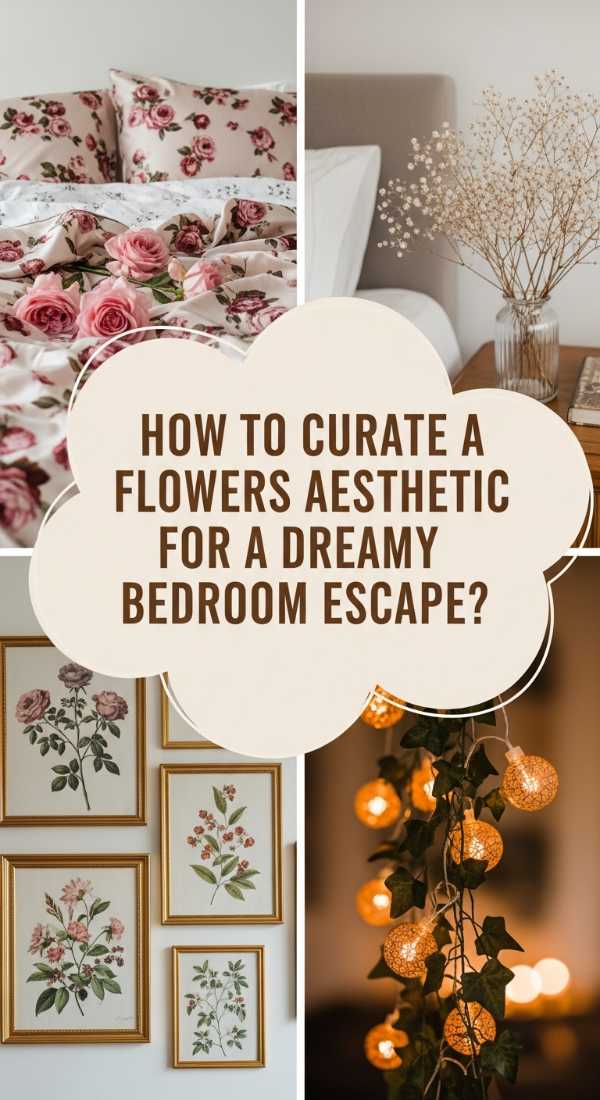
How to Curate a Flowers Aesthetic for a Dreamy Bedroom Escape
Why we love this
The bedroom should be a cocoon of softness, and nothing achieves that quite like a carefully curated floral aesthetic that prioritizes tranquility and romance. We love this approach because it uses nature to soften the hard lines of furniture, bringing in organic shapes and soothing scents that signal to the brain it is time to rest. The sight of a delicate orchid or a vase of dried pampas grass catching the morning light creates a sense of peace that is both grounding and ethereal. It’s about creating a space that feels curated yet effortless, where the flowers serve as a gentle bridge between the dream world and reality.
Essential Elements:
- Minimalist ceramic vases in matte finishes.
- Soothing blooms like White Lilies, Lavender, or Eucalyptus.
- Dried pampas grass or bunny tails for soft texture.
- A bedside carafe with a floral accent.
- Soft, layered bedding in sage or blush tones.
How to make it
- Choose a color palette of soft whites, muted greens, and dusty pinks to keep the visual energy low and relaxing for sleep.
- Place a small, elegant vase on your nightstand with two or three stems of fresh eucalyptus; the scent is naturally clearing and will help you breathe easier throughout the night.
- Add a larger floor vase in a corner filled with tall, dried pampas grass to add height and a soft, feathery texture that doesn’t require any maintenance.
- Avoid highly fragrant flowers like heavy hyacinths or jasmine right next to the bed, as the scent can be overwhelming in an enclosed space; stick to light, clean scents.
- Change the water in your fresh vases every two days, trimming the stems at a 45-degree angle each time to ensure the blooms stay vibrant and the water remains crystal clear.
How to Arrange Flowers for a Vibrant Living Space
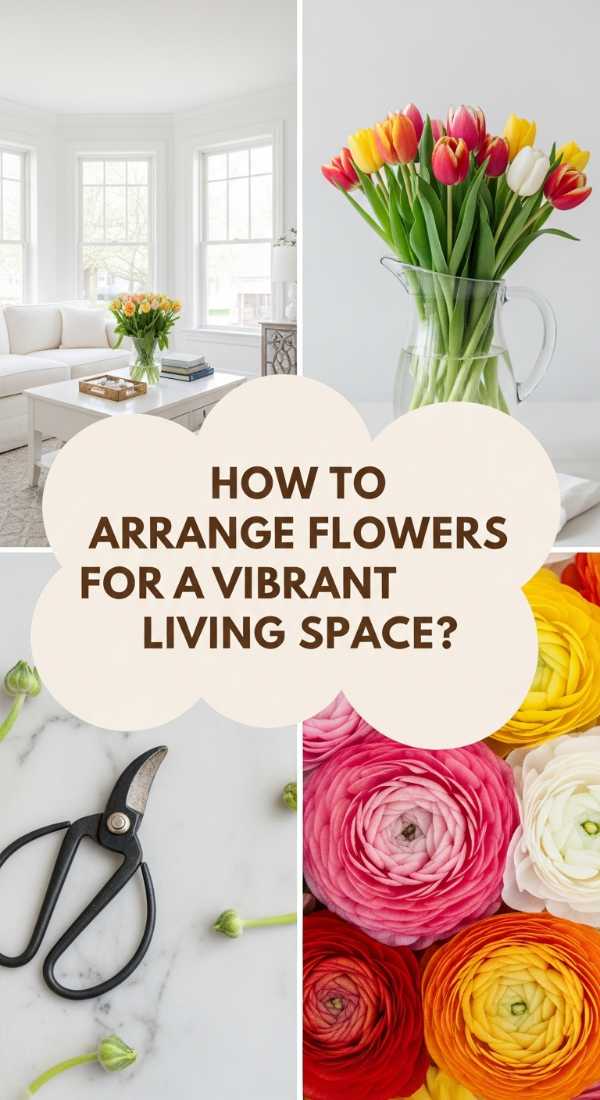
Why we love this
The living room is the heartbeat of the home, and vibrant floral arrangements act as the ultimate energy booster for this social hub. We love how a bold, colorful bouquet can completely change the mood of a room, taking it from sterile to spirited in an instant. The interplay of bright sunflowers, deep blue delphiniums, and architectural greenery creates a visual focal point that draws people in and sparks conversation. It’s a way to celebrate life and color, making the space feel inhabited, loved, and perpetually in bloom, regardless of the weather outside.
Essential Elements:
- Large statement vases (colored glass or bold stoneware).
- Showstopper flowers: Sunflowers, Proteas, or Peonies.
- Filler greens: Ruscus, Eucalyptus, or Ferns.
- Flower food or a dash of sugar/bleach for longevity.
- Sharp floral shears for clean cuts.
How to make it
- Start with a clean, heavy-bottomed vase and fill it halfway with lukewarm water mixed with a packet of floral preservative.
- Create a ‘grid’ across the mouth of the vase using clear floral tape or by crisscrossing sturdy greens like Ruscus to create a structural base for your flowers.
- Insert your largest ‘focal’ flowers (like three large peonies) at different heights and angles, following the ‘Rule of Three’ for a balanced look.
- Fill the gaps with secondary blooms and ‘airy’ fillers like Baby’s Breath or waxflowers, ensuring there are no large holes when viewed from any side of the room.
- Place the arrangement on a coffee table or mantel, away from direct heating vents or fruit bowls, as ripening fruit emits ethylene gas that causes flowers to wilt prematurely.
How to Use Dried Flower Decor for Lasting Vintage Charm
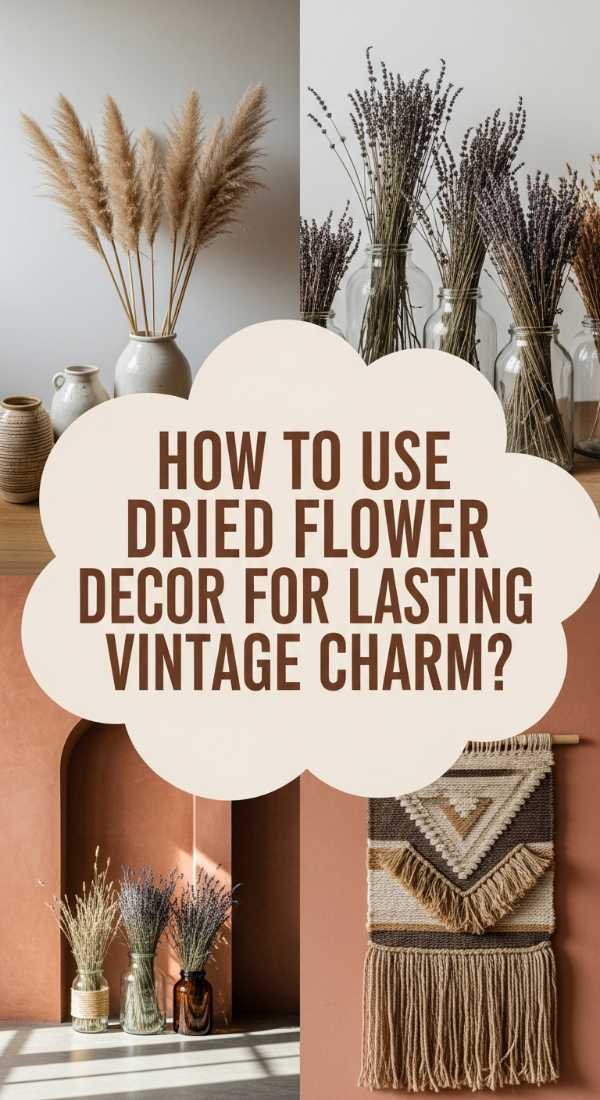
Why we love this
There is a haunting, nostalgic beauty in dried flowers that fresh blooms simply cannot replicate. We love dried decor because it captures a moment in time, offering a vintage, ‘cottagecore’ charm that lasts for months or even years. The muted tones of dusty rose, sage green, and straw yellow bring a sophisticated, antique feel to modern interiors, telling a story of preservation and timelessness. It is the perfect sustainable choice for those who want the beauty of nature without the constant upkeep, providing a textural depth that feels both cozy and storied.
Essential Elements:
- Air-dried bundles of Roses, Hydrangeas, and Statice.
- Vintage amber glass bottles or weathered brass urns.
- Unscented hairspray (for setting).
- Silica gel (optional for quick drying).
- Natural twine for hanging.
How to make it
- To dry your own flowers, harvest them just before they are fully open, strip the leaves from the stems, and tie them in small bundles with twine.
- Hang the bundles upside down in a dark, dry, well-ventilated area (like a closet or attic) for 2-3 weeks until the stems snap easily.
- Once dried, lightly spritz the flower heads with unscented hairspray from about 12 inches away to prevent shedding and protect the delicate petals.
- Arrange the dried stems in vintage vessels without water; mix textures by combining ‘papery’ flowers like Statice with ‘fluffy’ elements like dried Hydrangea heads.
- Keep your dried arrangements out of direct sunlight to prevent the colors from fading, and use a hair dryer on the ‘cool/low’ setting to gently blow off dust every few weeks.
How to Create Wall Flower Decor for an Artistic Home Vibe
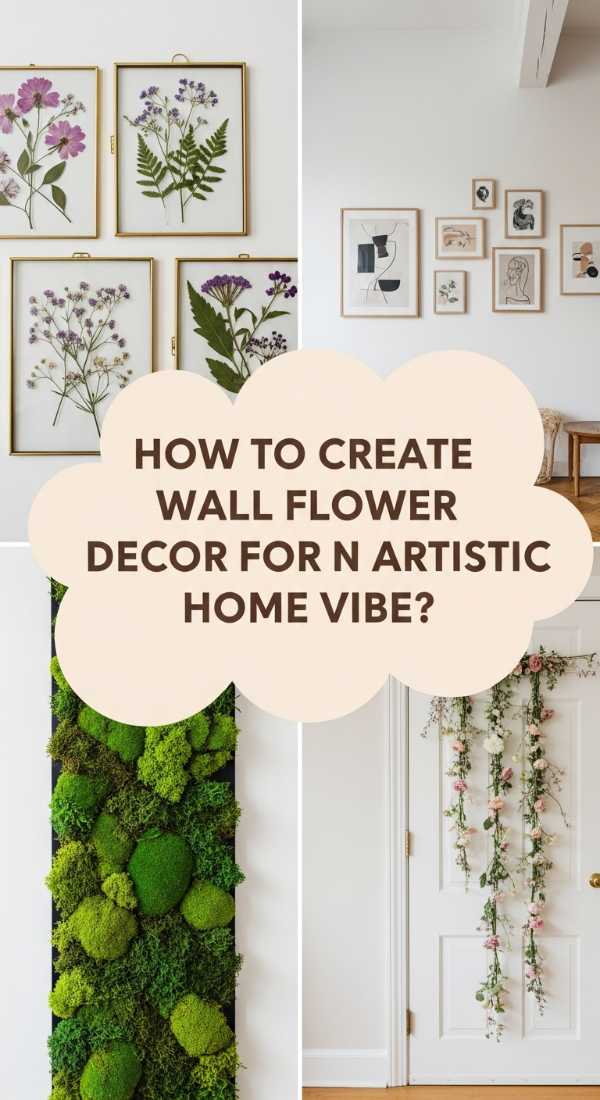
Why we love this
Wall flower decor takes nature off the table and turns it into three-dimensional art, adding an unexpected and whimsical layer to your home. We love this because it utilizes vertical space, creating a ‘living wallpaper’ effect that feels incredibly high-end and custom. Whether it’s a floating flower cloud or a series of pressed frames, wall florals break the boundaries of traditional decorating. It’s an artistic expression that feels light, airy, and deeply creative, turning a blank wall into a romantic focal point that stops guests in their tracks.
Essential Elements:
- Chicken wire or floral foam cages (for installations).
- Clear monofilament (fishing line).
- Command hooks or small nails.
- Pressed flower frames.
- Lightweight greenery like Asparagus Fern or Smilax.
How to make it
- For a ‘floating’ look, tie small clear fishing lines to individual stems of hardy flowers like Carnations or Billy Balls and hang them from a branch or a curtain rod at varying lengths.
- To create a wall installation, secure a small piece of water-soaked floral foam in a cage to the wall using sturdy hooks, then hide the cage by inserting dense greenery first.
- Work from the outside in, tucking flowers into the foam until the structure is hidden and the arrangement looks like it is ‘growing’ out of the wall.
- Alternatively, for a permanent look, press vibrant petals between heavy books for two weeks and then arrange them in double-paned glass frames to create a botanical gallery wall.
- Mist any fresh wall installations twice daily with a fine spray bottle to keep the stems hydrated, as they will dry out faster than those in a traditional vase.
How to Incorporate Flowers for a Fresh Kitchen Atmosphere
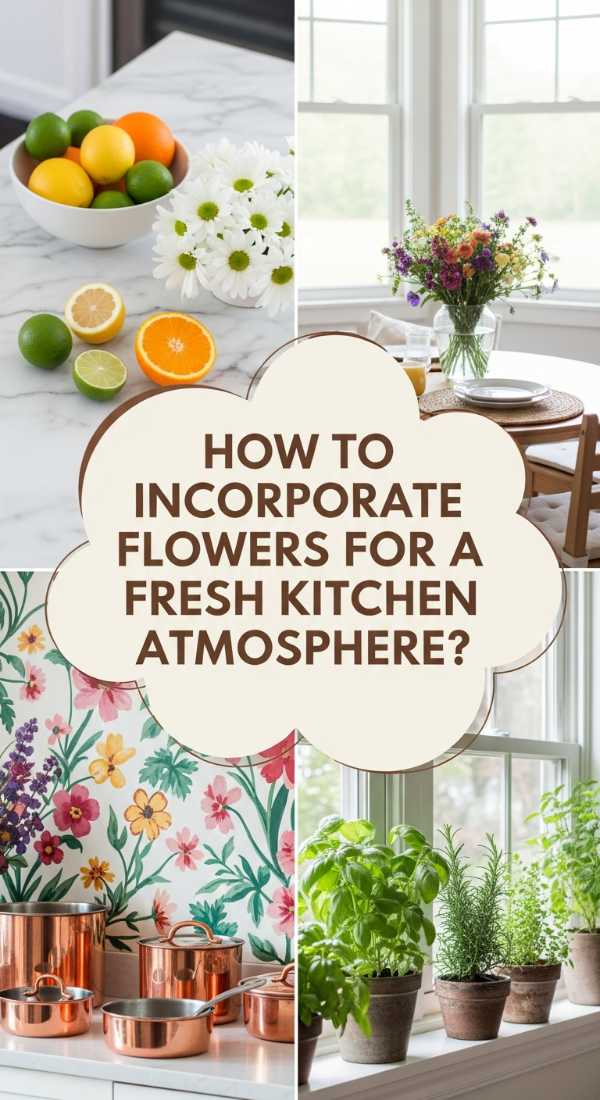
Why we love this
The kitchen is often dominated by hard surfaces and stainless steel, making it the perfect place for the softening touch of fresh flowers. We love this because it blends the practical with the beautiful, especially when you mix ornamental blooms with aromatic herbs. The scent of fresh basil mixed with sweet peas while you prep dinner creates an uplifting, garden-to-table atmosphere. It makes the heart of the home feel intentional and cared for, turning everyday chores into a more pleasant, sensory experience surrounded by the freshness of the outdoors.
Essential Elements:
- Mason jars or ceramic crocks.
- Herb-flower hybrids (Lavender, Rosemary, Mint).
- Edible flowers (Nasturtiums, Pansies, Marigolds).
- Small windowsills or countertop space.
- Fresh potting soil (if using live herbs).
How to make it
- Clear a dedicated spot on your windowsill or a corner of the island away from high-heat areas like the stovetop or toaster.
- Group small mason jars together, filling some with fresh water for cut flowers and others with soil for live herbs like Mint or Basil.
- Mix flowering herbs like chive blossoms or flowering rosemary into your cut arrangements for a rustic, kitchen-centric look that smells incredible.
- Use small, low vessels so the flowers don’t interfere with your workspace; a ‘posy’ style bouquet in a sugar bowl is a charming addition to a breakfast nook.
- Always ensure your kitchen flowers are non-toxic if they are kept near food preparation areas, and discard any wilted stems immediately to keep the space looking and smelling clean.
How to Experience Flower Therapy for Inner Peace
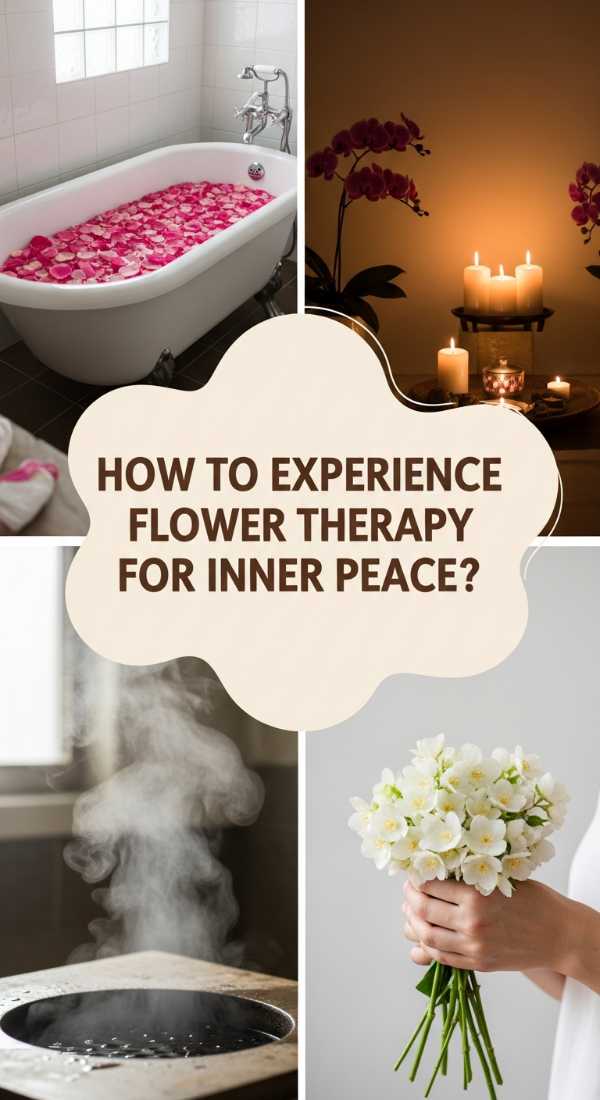
Why we love this
Flower therapy is a form of active mindfulness that uses the beauty of nature to ground the soul and reduce stress. We love this because it’s not about the final arrangement; it’s about the process of touching the petals, smelling the fragrances, and focusing entirely on the present moment. The act of arranging flowers forces you to slow down, appreciate symmetry (or lack thereof), and engage with your creative instincts. It is a gentle, rhythmic practice that provides a profound sense of accomplishment and peace, leaving you with a beautiful reminder of your own inner calm.
Essential Elements:
- A selection of flowers in colors that resonate with your mood.
- A quiet, clutter-free workspace.
- A comfortable apron and professional shears.
- Fresh, cool water.
- A candle or soft music to set the tone.
How to make it
- Begin by clearing your workspace and taking three deep breaths, focusing on the natural scent of the flowers before you even begin to cut.
- Touch each stem, noticing the texture of the leaves and the weight of the flower heads; this tactile engagement is key to the grounding process.
- Instead of following a guide, let your intuition lead; pick the flower that draws you in first and place it in the vase, observing how it interacts with the space.
- Focus on the sound of the shears cutting through the stems and the sight of the water rippling as you place each flower inside.
- Once finished, spend five minutes just sitting with your arrangement, acknowledging the beauty you’ve created and the stillness you’ve found during the process.
How to Cultivate an Outdoor Flower Oasis for Daily Joy
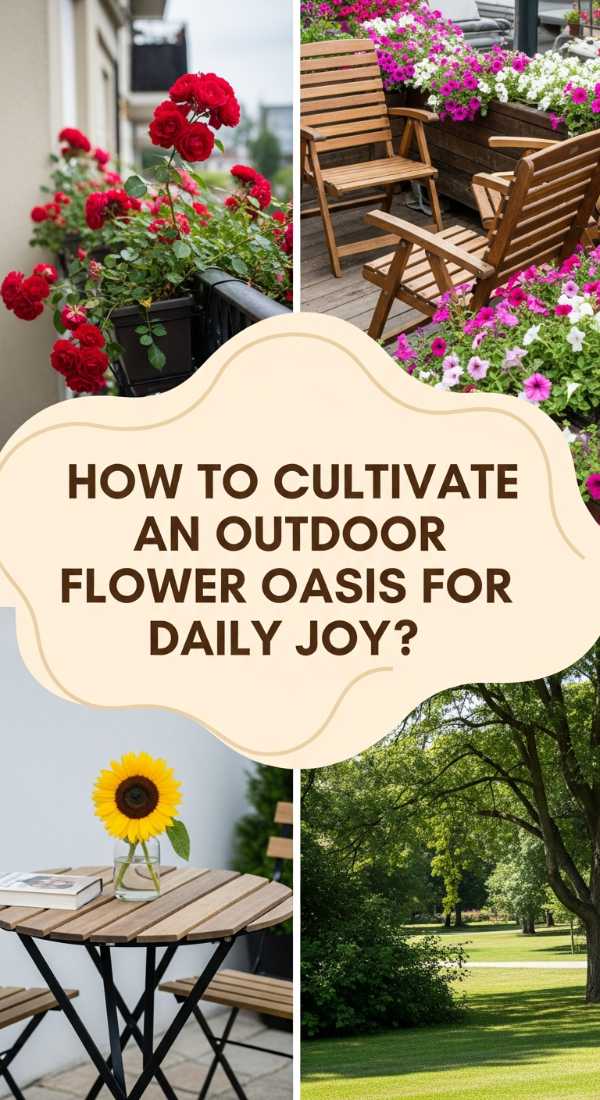
Why we love this
An outdoor flower oasis is an extension of your home’s personality, providing a lush backdrop for morning coffees and twilight reflections. We love this because it creates a living ecosystem that changes with the seasons, attracting butterflies and bees while offering a private retreat from the world. There is something deeply rewarding about watching a seed you planted turn into a vibrant bloom, creating a sense of stewardship and connection to the earth. It turns a simple patio or balcony into a destination, a place where time slows down and the beauty of nature is on full, glorious display.
Essential Elements:
- Varying sizes of terracotta or glazed ceramic pots.
- A mix of perennials (Roses, Peonies) and annuals (Petunias, Marigolds).
- A sturdy trellis for climbing plants like Jasmine or Clematis.
- High-quality potting mix and organic fertilizer.
- Comfortable outdoor seating and a small table.
How to make it
- Map out the sunlight in your outdoor space; choose ‘Full Sun’ plants for areas getting 6+ hours of light and ‘Shade’ plants like Fuchsias for darker corners.
- Use the ‘Thriller, Filler, Spiller’ method for containers: place a tall ‘Thriller’ in the center, surround it with ‘Fillers,’ and plant ‘Spillers’ like Ivy or Creeping Jenny near the edges to hang over.
- Install a trellis against a sunny wall and plant a climbing rose or star jasmine at the base; guide the vines upward using soft garden ties to create a vertical wall of fragrance.
- Deadhead (remove faded flowers) regularly throughout the summer; this encourages the plant to put its energy into creating new blooms rather than seeds.
- Layer your pots at different heights using plant stands or benches to create a lush, ‘enveloped’ feeling that mimics a natural garden glade.
How to Master a Romantic Flowers Aesthetic for Heartfelt Moments
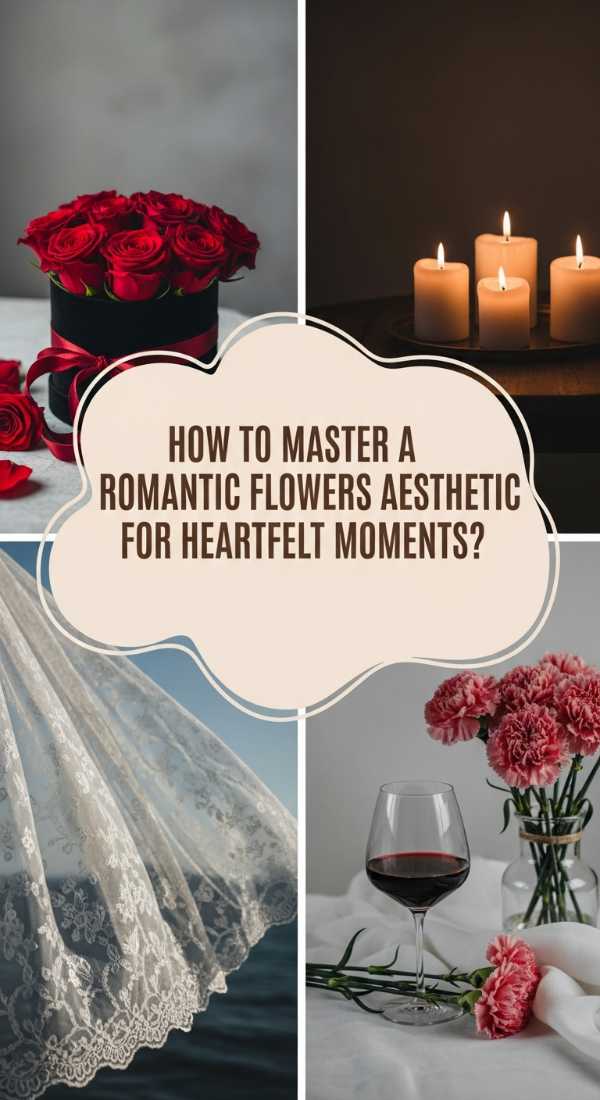
Why we love this
The romantic floral aesthetic is all about softness, intimacy, and the celebration of love in its most beautiful form. We love this style because it utilizes the ‘language of flowers’ to convey deep emotion, using lush textures like velvet roses and wispy sweet peas to create a dreamlike atmosphere. When paired with candlelight, these arrangements take on a cinematic quality, casting soft shadows and glowing with warmth. It’s perfect for anniversaries, dinner dates, or simply because you want to infuse your life with a little more passion and poetic beauty.
Essential Elements:
- Deep red, dusty pink, and creamy white blooms.
- Taper candles in brass or glass holders.
- Silk or velvet ribbons for vase necks.
- Low, overflowing ‘compote’ style bowls.
- Petals for scattering.
How to make it
- Select flowers with high petal counts, such as Ranunculus or Garden Roses, which naturally look more romantic and opulent than single-petaled varieties.
- Use a low compote bowl with a flower frog or ‘chicken wire’ ball inside to create a wide, overflowing arrangement that spills over the sides of the vessel.
- Incorporate ‘bleeding’ textures like Amaranthus or long-stemmed Tulips that naturally droop and curve, adding a sense of movement and poetic melancholy.
- Light several taper candles around the floral centerpiece; the flickering flame will highlight the delicate edges of the petals and deepen the colors of the blooms.
- For an extra touch of romance, loosely tie a long, trailing silk ribbon around the neck of the vase, letting the ends pool on the table surface.
The Final Flourish: Embracing the Floral Life
Whether you are styling a single stem in a bud vase or constructing an elaborate wall installation, the goal of floral decor is always the same: to bring a piece of the wild, wonderful world inside. Flowers remind us to appreciate the present moment, to find beauty in the temporary, and to nurture our surroundings with the same care we give ourselves. I hope this guide inspires you to pick up a pair of shears and start your own floral journey. Remember, there are no mistakes in nature—only opportunities to create something that speaks to your heart. Happy styling!