
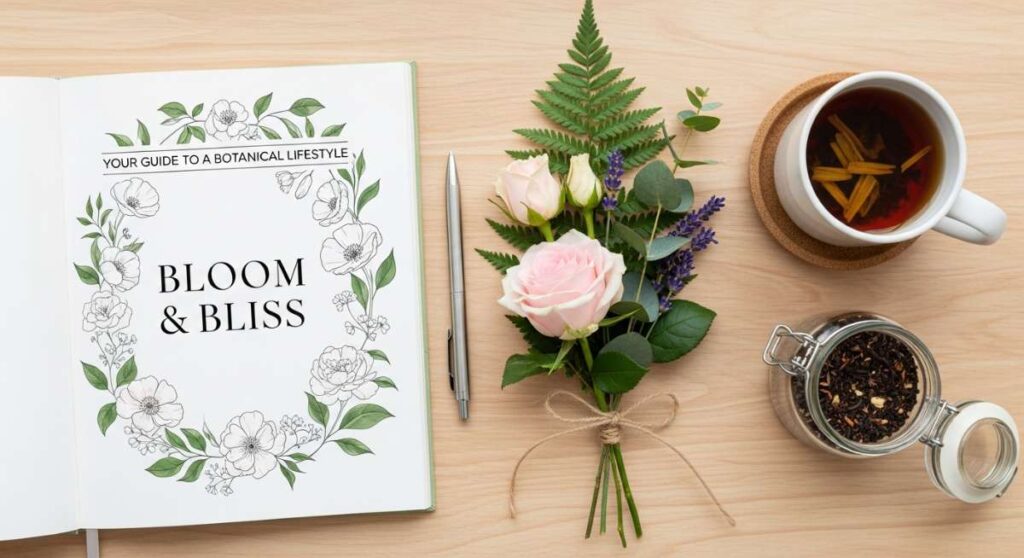
Bloom & Bliss: Your Guide to a Botanical Lifestyle
Have you ever walked into a room and felt your shoulders immediately drop, your breath deepen, and a sense of pure peace wash over you? That is the magic of bringing the outside in. For years, I lived in spaces that felt functional but lacked a soul—until I discovered the transformative power of botanical living. It’s more than just buying a bouquet; it’s about curate-ing a sanctuary where nature’s rhythm dictates the energy of your home.
In this guide, we are diving deep into the art of Aesthetic Floral Living. Whether you are looking to turn your bedroom into a goddess retreat or want to infuse your morning routine with a bit of petal-powered joy, I’ve got you covered. Let’s explore how these delicate blooms can become the heartbeat of your lifestyle, turning the mundane into something truly extraordinary.
How to Design a Dreamy Goddess Bedroom for the Ultimate Night of Relaxation
Why we love this
There is something inherently divine about sleeping surrounded by nature’s softest textures and most soothing scents. A goddess bedroom isn’t just a place to sleep; it’s an ethereal cocoon that celebrates your femininity and need for restoration. Imagine the faint, earthy aroma of dried lavender mingling with the crispness of organic cotton sheets, while silk ribbons catch the moonlight. This setup promotes deep, restorative REM sleep by lowering cortisol levels and signaling to your brain that you are in a safe, lush sanctuary far away from the stressors of the modern world.
Essential Elements:
- Dried lavender bundles and eucalyptus branches
- Sheer silk or chiffon canopy draping
- Rose quartz crystals for soft energy
- Dimmable warm amber lighting
- Botanic-print linen bedding in sage or dusty rose
- Small bud vases for the nightstand
How to make it
- Begin by clearing all clutter from your bedside tables to create a visual ‘blank slate’ for your botanical elements.
- Install a ceiling hook and drape sheer, lightweight fabric over the head of your bed to create a soft, cloud-like enclosure that mimics a forest canopy.
- Select high-quality dried lavender; look for deep purple hues which indicate higher oil content and better scent throw. Bind these into small bundles using twine.
- Hang the lavender bundles upside down from your bed frame or place them inside your pillowcases for a subtle, constant release of calming linalool.
- Position amber-toned lamps at eye level; the warmth of the light should mimic the ‘golden hour’ of a sunset, which triggers melatonin production better than blue light.
- Place a single, fresh white lily or a small sprig of baby’s breath in a glass vase on your nightstand, ensuring the water is changed daily to maintain the ‘living’ energy of the room.
How to Style Flower Room Decor for a Cozy Home Vibe
Why we love this
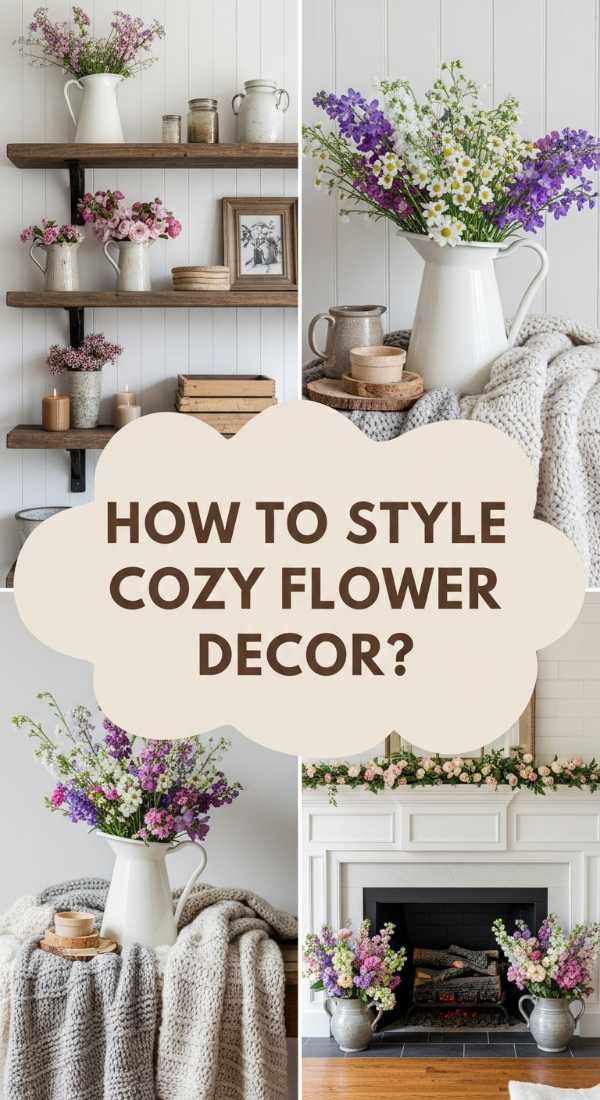
Adding flowers to your common areas shouldn’t feel formal or stiff; it should feel like a warm hug from a friend. We love this approach because it uses ‘imperfect’ arrangements—think overflowing ceramic pitchers and wildflowers tucked into bookshelves—to create a lived-in, cozy atmosphere. The visual softness of petals against hard surfaces like wood or metal rounds out the room’s energy, making guests feel immediately at home. The scent of fresh greenery provides a continuous ‘clean’ feeling that artificial sprays can never truly replicate.
Essential Elements:
- Ceramic pitchers and rustic stoneware crocks
- Assorted greenery like Italian Ruscus or Eucalyptus
- Seasonal ‘filler’ flowers (Chamomile, Waxflower)
- Warm wooden trays for grouping items
- Scented soy candles with botanical notes
How to make it
- Choose a central ‘anchor’ piece, like a large ceramic pitcher, and fill it halfway with room-temperature water mixed with a pinch of sugar to nourish the stems.
- Criss-cross your greenery stems first to create a ‘nest’ or grid; this provides the structural support needed for the flowers to sit at various heights without falling over.
- Integrate your flowers by tucking them into the gaps of the greenery nest; aim for an asymmetrical look where some stems lean further out than others to mimic natural growth.
- Place smaller, matching bud vases on bookshelves or mantels to create a ‘trail’ of nature throughout the room, ensuring the eye travels across the space.
- Monitor the temperature of the room; keep your cozy arrangements away from direct heat sources like radiators, as high heat will cause the blooms to wilt and drop petals prematurely.
- Snip the ends of the stems at a 45-degree angle every two days to ensure maximum water absorption, which keeps the ‘cozy’ look fresh rather than shriveled.
How to Elevate Your Morning Routine with Fresh Flowers Aesthetic
Why we love this
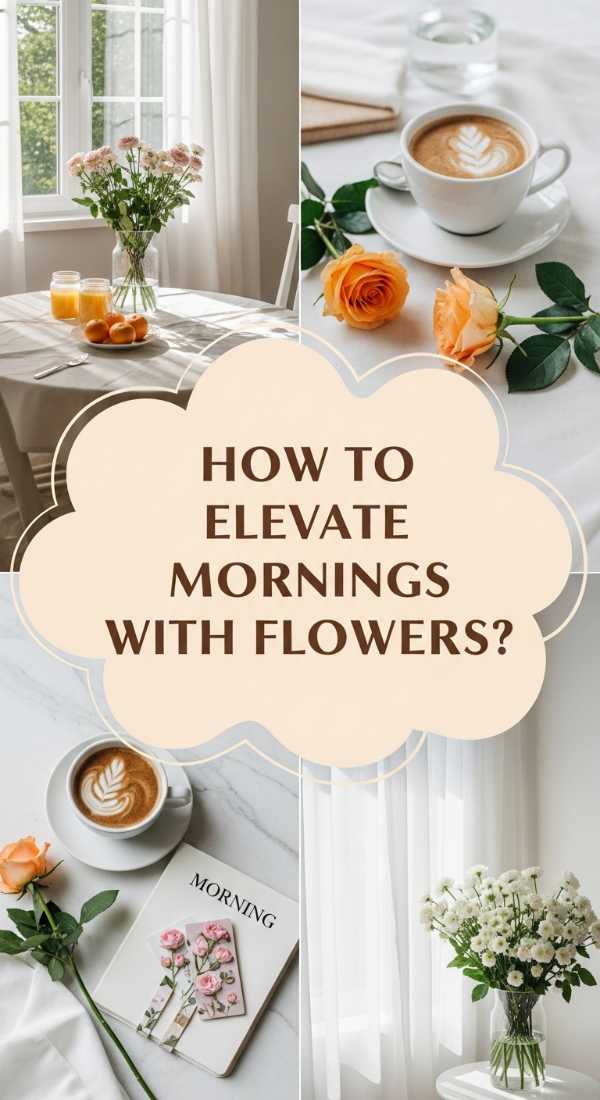
The first thirty minutes of your day set the tone for everything that follows, and incorporating flowers into this window is the ultimate act of self-care. It turns a rushed cup of coffee into a meditative ritual. There is a profound joy in seeing a bright, sunny daffodil or a soft tulip next to your morning journal; it serves as a reminder of growth and renewal. The tactile experience of handling fresh petals while the world is still quiet creates a grounding sensation that helps you tackle the day with a centered, peaceful heart.
Essential Elements:
- A dedicated ‘morning tray’ in wood or marble
- Small, delicate bud vases
- Edible flowers (pansies or rose petals) for breakfast garnishing
- Fresh-cut seasonal blooms in vibrant colors
- Linen napkins with floral embroidery
How to make it
- Prepare your ‘morning tray’ the night before by placing your journal, a favorite pen, and a clean bud vase on it.
- In the morning, select a single, vibrant bloom—like a bright yellow ranunculus or a pink peony—to serve as your visual focus.
- Trim the stem short enough so the flower head sits just above the rim of the vase, making it feel intimate and manageable for a breakfast tray.
- If you are having avocado toast or yogurt, gently place two or three cleaned, edible pansies on top; the visual ‘pop’ of color increases the aesthetic satisfaction of the meal.
- Set your tray in a spot where the morning sun hits it directly; the light through the petals creates a translucent, glowing effect that is incredibly soothing to the eyes.
- Spend five minutes simply observing the flower while you sip your tea, noticing the intricate patterns of the petals as a form of ‘soft fascination’ meditation.
How to Achieve a Minimalist Look Using Single Stem Flower Decor
Why we love this
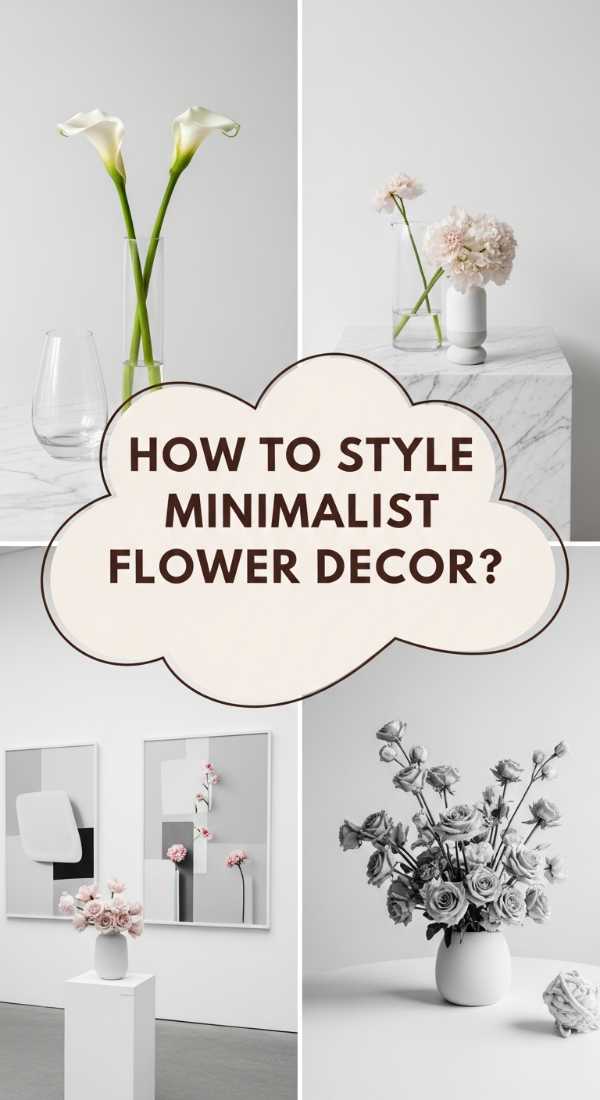
Minimalism doesn’t have to be cold; when paired with botanical elements, it becomes intentional and architectural. The single-stem approach is our favorite because it highlights the unique personality and geometry of a single flower. Instead of a chaotic explosion of color, you get to appreciate the curve of a Calla Lily’s neck or the intricate structure of a King Protea. It’s an exercise in ‘less is more’ that clears mental clutter and brings a sophisticated, gallery-like feel to even the smallest studio apartment.
Essential Elements:
- Tall, slender glass or matte ceramic vases
- Structural flowers (Protea, Allium, Anthurium)
- Clean, uncluttered surfaces
- Filtered water for crystal-clear presentation
How to make it
- Select a vase that is roughly two-thirds the height of the flower stem you plan to use; the ‘Rule of Thirds’ ensures a balanced, professional aesthetic.
- Choose a flower with a strong, woody, or thick stem; flimsy stems will droop and ruin the clean, vertical lines required for a minimalist look.
- Strip all leaves from the stem that would sit below the waterline; this keeps the water clear and prevents bacterial growth that creates a murky look.
- Use filtered water to avoid the ‘cloudy’ appearance of tap water minerals, especially if you are using a clear glass vase.
- Place the vase in a location with plenty of ‘negative space’ around it—like the center of a bare dining table or a lonely floating shelf—to let the bloom breathe.
- Rotate the vase slightly every day so the flower doesn’t lean too heavily toward the light source, maintaining its straight, architectural silhouette.
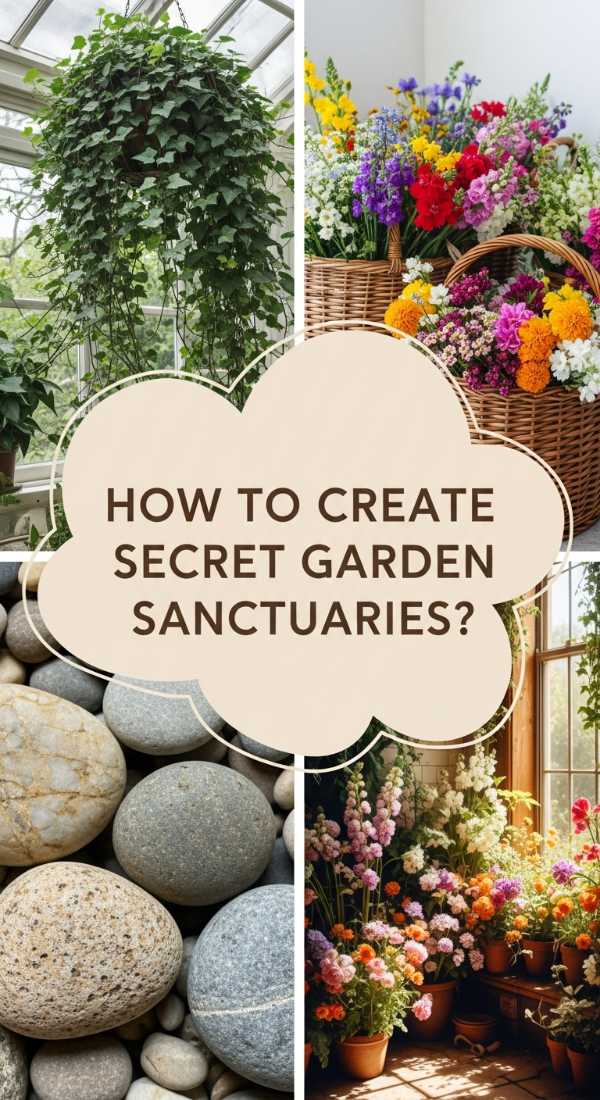
How to Create a Secret Garden Sanctuary with Wild Flowers
Why we love this
There is a rebellious, untamed beauty in wildflowers that makes a home feel like a hidden escape from the concrete world. We love this style because it’s low-pressure and high-reward, utilizing ‘weeds’ and local flora that have an incredible, spicy, and honey-like aroma. It evokes memories of childhood summers and meadows, bringing a sense of whimsy and freedom into your living space. This sanctuary vibe is perfect for a reading nook or a home office where you want your imagination to run wild without the constraints of traditional ‘florist’ rules.
Essential Elements:
- Mismatched vintage bottles and jars
- Local wildflowers (Queen Anne’s Lace, Clover, Cornflowers)
- Trailing ivy or jasmine vines
- Natural textures like wicker and jute
How to make it
- Collect a variety of glass bottles in different heights and shades of amber or green; the variation adds to the ‘found’ aesthetic of a secret garden.
- When gathering wildflowers, choose stems at various stages of bloom—some fully open, some tight buds—to ensure the arrangement evolves over several days.
- Create ‘clusters’ of bottles on a low table or windowsill, grouping them in odd numbers (3, 5, or 7) for the most natural visual flow.
- Intersperse the flowers with long strands of trailing ivy; allow the ivy to spill out of the jars and onto the table surface to ‘ground’ the arrangement.
- Use a spray bottle to lightly mist the flowers once a day; the tiny water droplets on the petals mimic morning dew and enhance the ‘freshly picked’ garden feel.
- Avoid using floral foam; instead, let the stems fall naturally into the jars, embracing the slightly chaotic, ‘undone’ look that defines the sanctuary style.
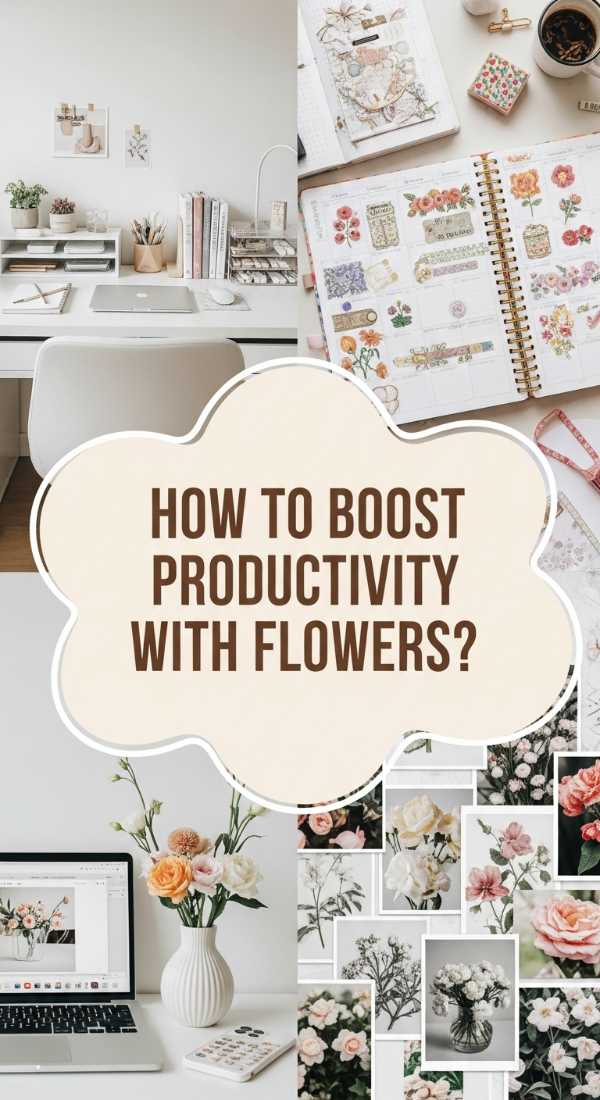
How to Boost Productivity with Inspiring Flower Room Decor
Why we love this
Scientific studies show that having plants and flowers in your workspace can increase productivity by up to 15%. We love this because it’s a functional beauty; flowers like yellow Marigolds or bright Sunflowers act as a visual ‘caffeine hit’ for the brain. The presence of living things reduces mental fatigue and provides a refreshing ‘micro-break’ for your eyes when you look away from your screen. It turns a boring desk into a place of inspiration, making you actually *want* to sit down and get to work.
Essential Elements:
- Vibrant, high-energy flowers (Yellow, Orange, Bright Pink)
- Sleek, modern vases that don’t take up much desk space
- Air-purifying greenery (Snake plants or Pothos)
- A small mirror to reflect the flowers and double the visual impact
How to make it
- Position your flower arrangement just to the side of your computer monitor, within your peripheral vision but not blocking your screen.
- Select flowers in ‘high-arousal’ colors like orange or yellow; these colors are psychologically linked to creativity, energy, and optimism.
- Ensure the vase has a heavy base; you don’t want a stray hand movement during a frantic typing session to knock over your water and ruin your keyboard.
- Keep the arrangement relatively low-profile so you can still see over it if you have a multi-monitor setup or need to speak to someone across the desk.
- Change the water every single morning; the act of refreshing the flowers serves as a ‘start work’ ritual that helps transition your brain into a focused state.
- Pair the flowers with a single air-purifying leaf in the same vase to help keep the air around your desk fresh and oxygenated.
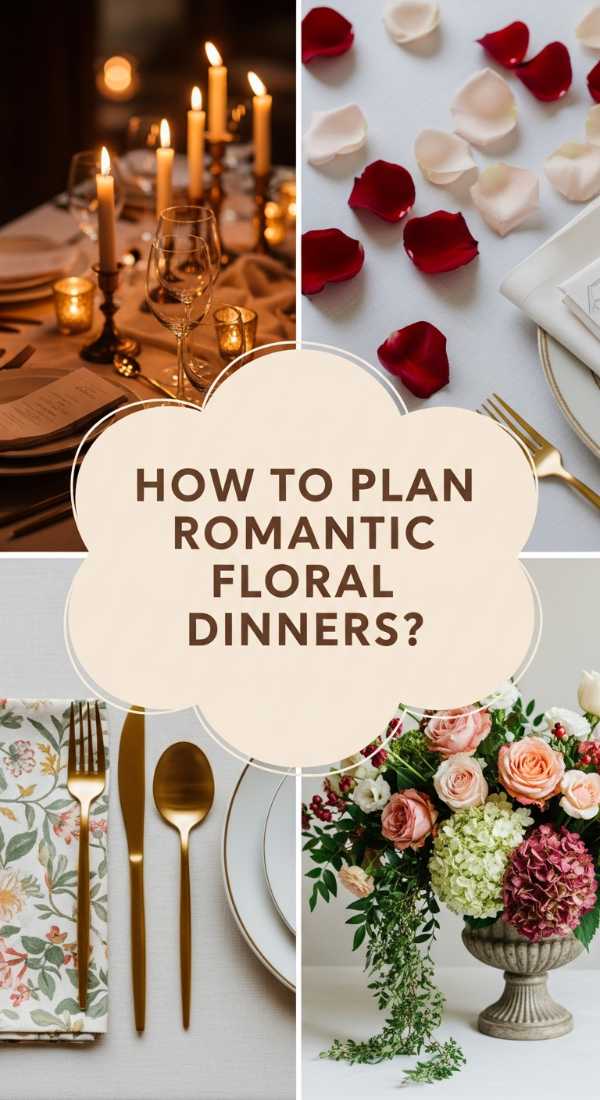
How to Plan a Romantic Dinner with Elegant Flowers Aesthetic
Why we love this
A romantic dinner is all about the atmosphere, and nothing says ‘elegance’ like the soft glow of candlelight hitting velvet-like petals. We love this because it moves away from the cliché ‘dozen red roses’ and toward a more curated, thoughtful selection of textures and tones. The goal is to create a centerpiece that is low enough to allow for easy eye contact but dramatic enough to make the evening feel special. The subtle fragrance of lilies or jasmine enhances the flavor of the food and makes the entire experience feel like a five-star retreat.
Essential Elements:
- Taper candles in brass or glass holders
- Low, rectangular trough vase or individual bud vases
- Deep-toned blooms (Burgundy Ranunculus, Dark Calla Lilies)
- Loose flower petals for scattering
- Fine linen tablecloth
How to make it
- Lay down a clean, ironed linen tablecloth; the fabric provides a soft, matte backdrop that allows the colors of the flowers to pop.
- Place your taper candles first, ensuring they are at varying heights to create a ‘flickering’ horizon line that mimics a starry night.
- Arrange your flowers in a low container, keeping the maximum height below chin level when sitting; this ensures an unobstructed view of your partner.
- Use ‘fillers’ like dark berries or seeded eucalyptus to give the arrangement a lush, expensive look without requiring fifty individual blooms.
- Gently pluck the outer petals from one or two extra roses and scatter them loosely around the base of the candles; this creates a ‘dreamy’ trail of color across the table.
- Light the candles ten minutes before your guest arrives to allow the wax to begin to ‘glow’ and the flowers to subtly warm up, releasing their natural oils into the air.
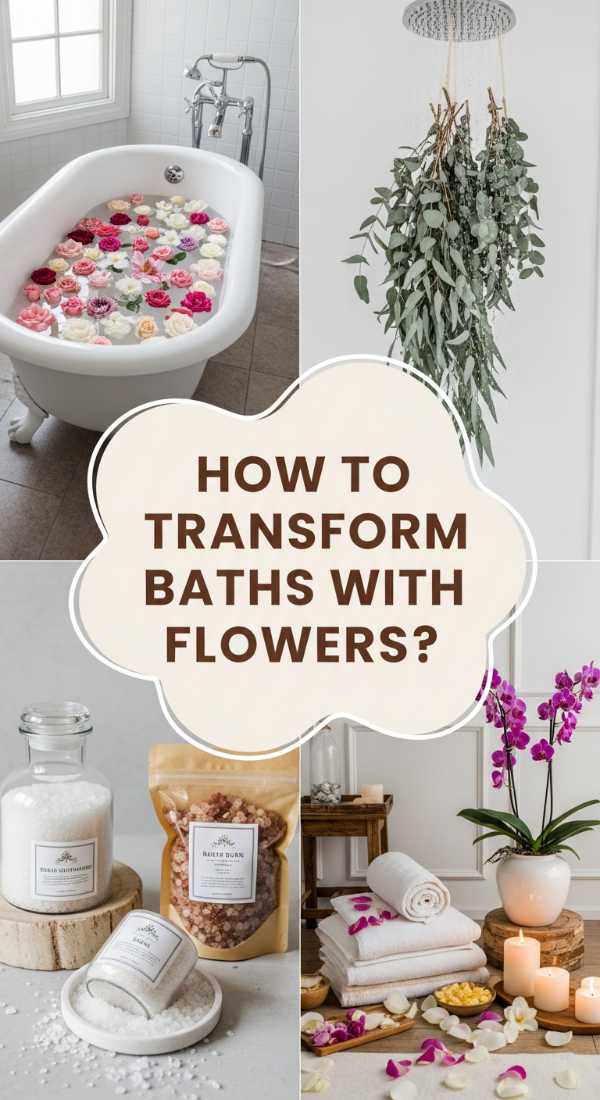
How to Transform Your Bath into a Spa with Floating Flowers
Why we love this
This is the ultimate ‘main character’ moment. Transforming your bath with floating flowers turns a basic hygiene routine into a high-end hydrotherapy session. We love the feeling of warm water against the skin while soft petals brush against your shoulders—it is incredibly grounding and indulgent. The steam from the bath acts as a natural diffuser, intensifying the scent of the flowers and opening your pores to absorb the gentle botanical essences. It’s a visual and sensory reset that wipes away the stress of the day.
Essential Elements:
- Large-headed flowers (Roses, Camellias, Gerberas)
- Epsom salts or Himalayan pink salt
- Essential oils (Lavender or Bergamot)
- Floating tea light candles
- A bath tray for a book or tea
How to make it
- Fill your tub with warm water, adding two cups of Epsom salts to soften the water and relax your muscles.
- Select flowers that have a naturally flat base and light petals; heavy, dense flowers will sink to the bottom.
- Snap the flower heads off right at the base of the calyx (the green part), ensuring there is no heavy stem pulling the bloom downward.
- Gently place the flower heads onto the surface of the water; they should bob effortlessly on the surface tension.
- Add 5-10 drops of a skin-safe essential oil like lavender; the oil will cling to the petals and create a ‘scent-film’ on the water’s surface.
- Place floating candles between the flowers, being careful not to let the flame get too close to the petals to avoid scorching the delicate edges.
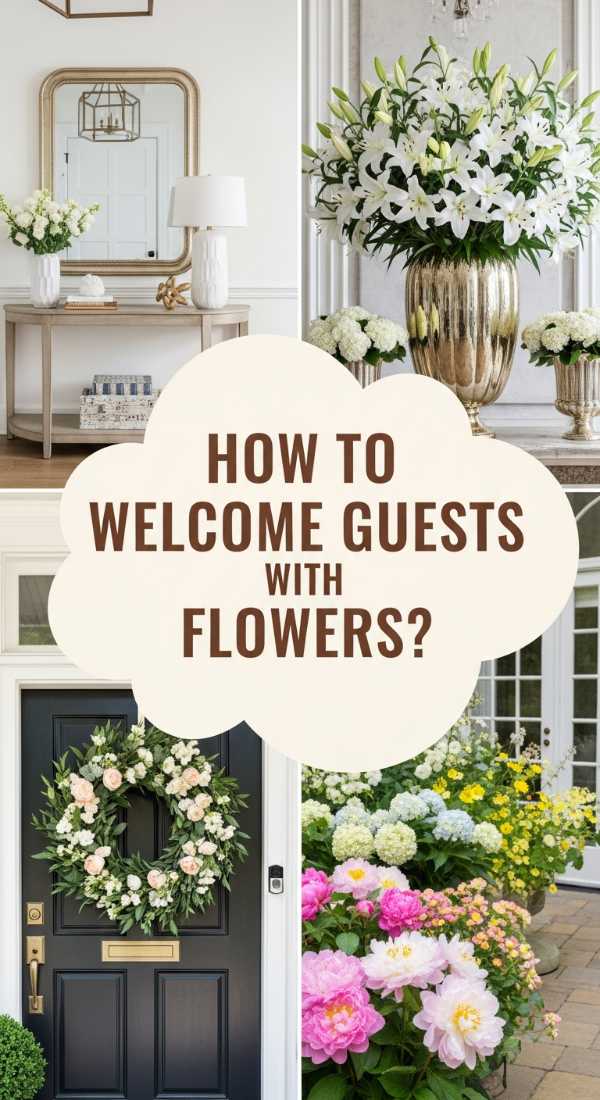
How to Welcome Guests with Statement Flower Decor Pieces
Why we love this
First impressions are everything, and a statement floral piece in the entryway tells your guests they are entering a home of warmth and intentionality. We love the ‘wow factor’ of a massive, architectural arrangement that plays with height and scale. It serves as an immediate conversation starter and sets a high-vibe tone for the rest of the visit. Using oversized branches or rare blooms makes the space feel grand and expensive, even if the rest of your decor is simple and modest.
Essential Elements:
- Large, heavy floor vase or tall pedestal vase
- Tall branches (Cherry Blossom, Magnolia, or Willow)
- Bold focal flowers (Hydrangeas or Lilies)
- Spotlighting or nearby natural light
How to make it
- Select a vase with a narrow neck but a wide, heavy base; this ‘anchors’ the tall branches and prevents the arrangement from tipping over if someone brushes against it.
- Start with your tallest branches, aiming for a height that is at least twice the height of the vase to create a sense of ‘vertical drama.’
- Use ‘floral tape’ to create a grid across the mouth of the vase; this is a pro-tip for keeping heavy branches exactly where you want them.
- Add your large-headed ‘focal’ flowers at the base of the branches to hide the ‘mechanics’ (the tape and stems) and provide a burst of color at eye level.
- If the entryway is dark, use a small ‘puck light’ or a spotlight hidden behind the vase to uplight the branches, creating beautiful shadows on the ceiling.
- Mist the arrangement with cool water every evening to keep the petals hydrated in the high-traffic, often-drafty entryway environment.
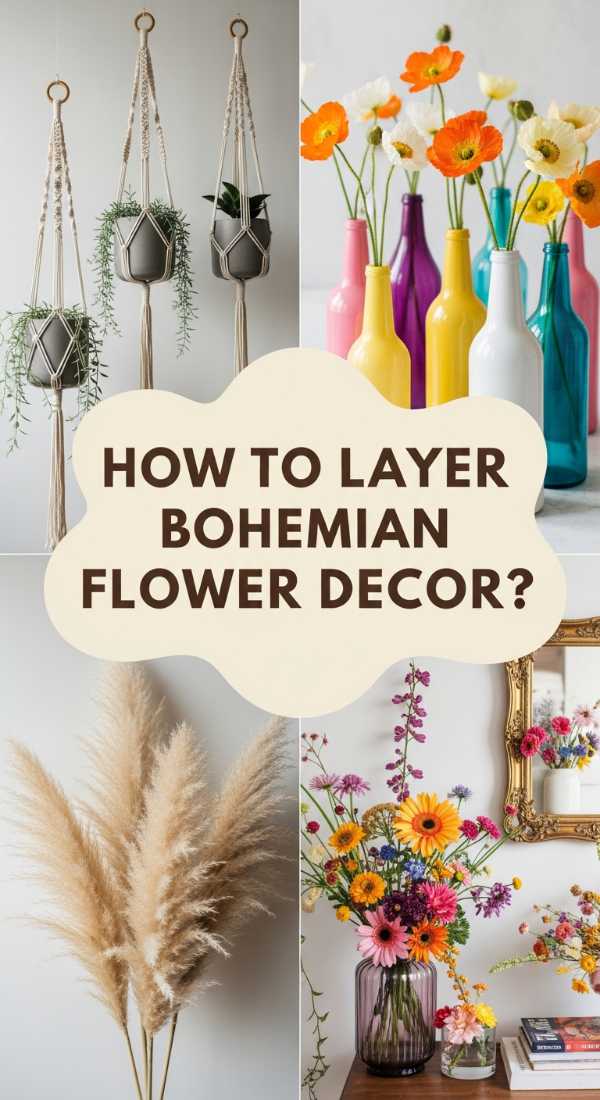
How to Layer Textures and Colors with Bohemian Flower Room Decor
[IMAGE_10]
Why we love this
Bohemian floral decor is all about the ‘more is more’ philosophy, and we are here for it! It’s a riot of color, texture, and life that feels incredibly energetic and soulful. We love this because it combines the ‘dead’ and the ‘living’—mixing dried pampas grass with fresh, vibrant dahlias. This juxtaposition represents the full cycle of nature and creates a rich, tactile environment. It’s the perfect style for those who love to collect treasures and want their home to tell a story of travel, nature, and artistic expression.
Essential Elements:
- Macrame plant hangers and textile wall hangings
- Dried elements (Pampas grass, Palm spears, Dried poppy pods)
- Vibrant, saturated flowers (Dahlias, Zinnias, Marigolds)
- Patterned rugs and velvet pillows to complement the blooms
How to make it
- Start by hanging three macrame plant holders at different heights near a window; fill these with trailing plants like ‘String of Pearls’ or ‘Pothos’ to create a vertical green wall.
- Layer your ‘dried’ elements into a large floor vase first; these provide a neutral, textured base of beiges and browns.
- Insert your ‘pop’ of color using fresh, deeply saturated flowers; aim for jewel tones like emerald green foliage, deep purple anemones, and burnt orange carnations.
- Mix and match your vase materials—use a combination of hammered brass, tinted glass, and woven seagrass to enhance the ‘boho’ texture.
- Don’t worry about symmetry; the bohemian look thrives on ‘balanced chaos,’ so place more weight on one side of the room and counter it with a different texture on the other.
- Incorporate non-floral botanical elements, like a bowl of dried citrus slices or cinnamon sticks, to add another layer of visual interest and a warm, spicy scent.
Conclusion
Embracing a botanical lifestyle isn’t just about aesthetics; it’s about a fundamental shift in how we interact with our living spaces. By integrating flowers into our bedrooms, offices, and baths, we create a dialogue with nature that nourishes our souls. These small, intentional acts of beauty turn our homes into true sanctuaries. I hope this guide inspires you to go out, pick up some fresh blooms, and start your own journey toward a more ‘blissful’ and ‘blooming’ life. Remember, your home is a garden—tend to it with love!