

The Ultimate Lazy Girl’s Guide to a Viral Food Board
We’ve all been there: staring at a Pinterest board filled with intricate charcuterie displays and multi-course meals, feeling a wave of ‘hostess fatigue’ before the guests even arrive. The truth is, you don’t need to spend eight hours in the kitchen to create something that looks—and tastes—absolutely iconic. This is the era of the ‘Lazy Girl Food Board,’ where we prioritize maximum flavor with minimum effort, focusing on one viral star dish and letting simple, fresh ingredients do the heavy lifting.
Today, we’re diving deep into the world of pasta and salads, the ultimate crowd-pleasers that transition perfectly from a casual Tuesday night to a weekend gathering. By mastering just a few simple techniques, you can transform a humble box of noodles into a zesty, colorful centerpiece that everyone will be tagging you in on Instagram. Let’s get into how you can craft the perfect, simple food board that feels like a luxury experience without the burnout.
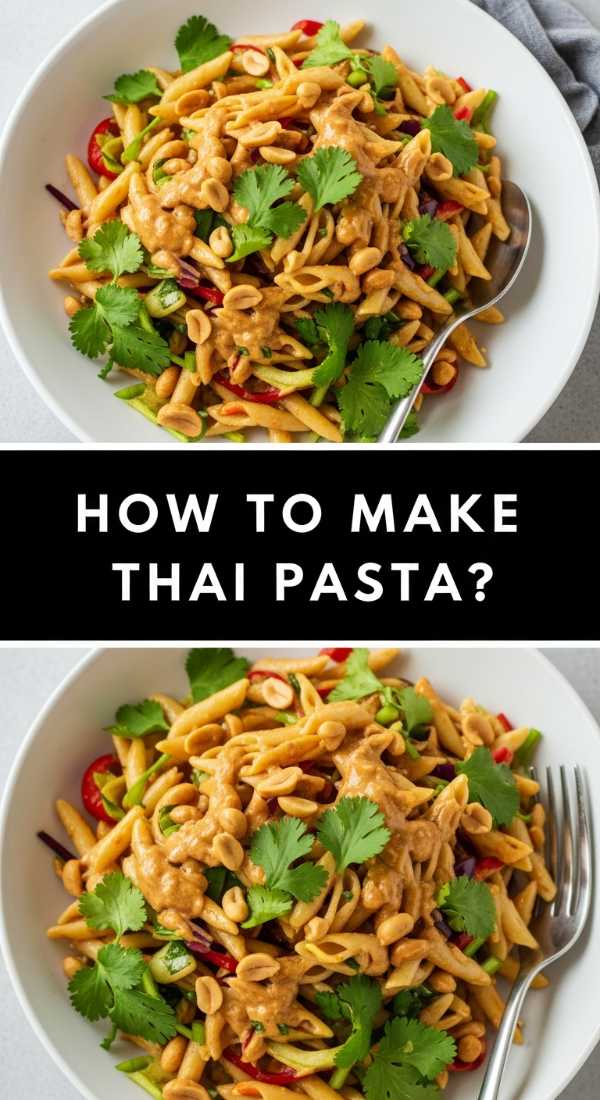
How to make Thai pasta salad
Why we love this
Imagine a bowl where the creamy richness of toasted peanut butter meets the sharp, citrusy zing of fresh lime juice and a hint of fiery sriracha. As you toss the noodles, the aroma of toasted sesame oil fills the air, promising a crunch from crushed peanuts and the refreshing snap of purple cabbage. It’s a sensory dance that feels like a summer breeze on a humid afternoon, providing a satisfying weight from the noodles but a light, herbaceous finish from the handfuls of cilantro that make every bite feel fresh and vibrant.
Ingredients
- Linguine or spaghetti noodles
- Creamy peanut butter
- Soy sauce (low sodium)
- Fresh lime juice
- Toasted sesame oil
- Sriracha or chili garlic sauce
- Honey or maple syrup
- Shredded carrots and purple cabbage
- Fresh cilantro and chopped peanuts for garnish
How to make it
- Begin by boiling a large pot of water; ensure you salt it heavily to season the pasta from the inside out. Cook the noodles until they are just past al dente so they remain pliable when cold.
- While the pasta cooks, whisk together the peanut butter, soy sauce, lime juice, sesame oil, honey, and sriracha in a large bowl. If the sauce is too thick, add a tablespoon of hot pasta water to emulsify it into a silky, pourable consistency.
- Drain the pasta and immediately rinse with cold water to stop the cooking process and remove excess starch, which prevents sticking.
- Toss the cold noodles into the dressing bowl, ensuring every strand is thoroughly coated in the peanut mixture.
- Fold in the shredded carrots and cabbage for a color contrast and crunch. Let it sit for 10 minutes in the fridge to allow the flavors to meld before topping with a generous handful of cilantro and crushed peanuts.
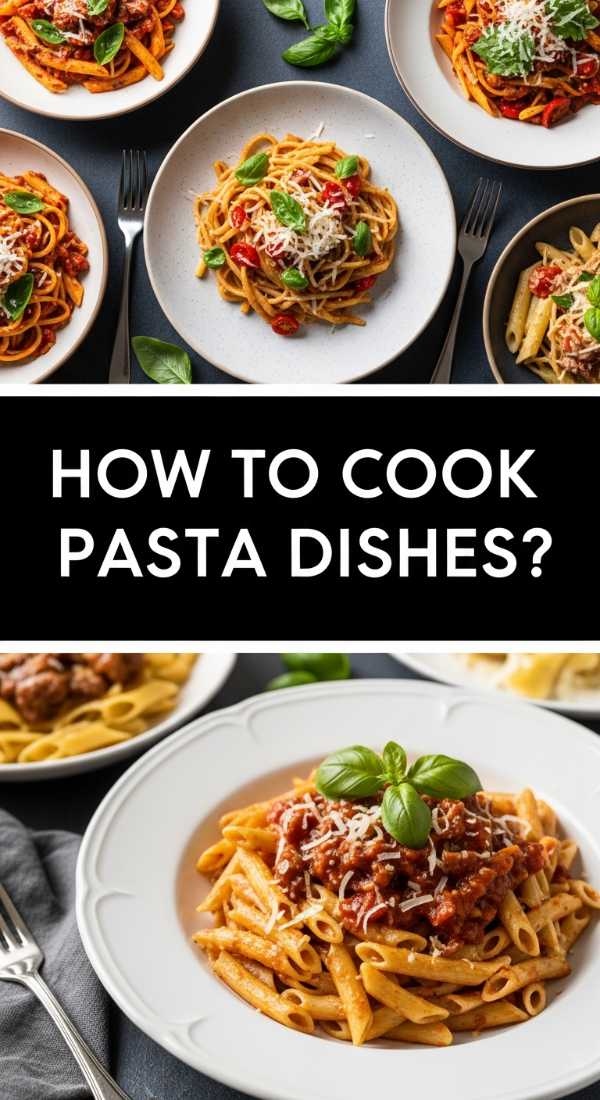
How to cook pasta dishes
Why we love this
The smell of a boiling pot of pasta is the universal scent of comfort, a warm and starchy aroma that fills the home with the promise of a hearty meal. There is something incredibly tactile and satisfying about watching dry, brittle noodles transform into soft, golden ribbons that hold onto sauces with a velvety grip. When cooked correctly, the pasta offers a slight resistance to the teeth, a texture known as al dente that elevates the entire dish from mushy to gourmet, making even the simplest butter and herb sauce feel like a high-end experience.
Ingredients
- High-quality dried pasta (bronze-cut preferred)
- Water (lots of it!)
- Kosher salt
- Extra virgin olive oil
- Freshly grated parmesan cheese
- Black pepper
How to make it
- Use a large stockpot and fill it with at least 4-6 quarts of water; pasta needs room to move so it doesn’t clump together during the gelatinization process.
- Bring the water to a rolling boil—not just a simmer—before adding a generous palmful of salt. The water should taste like the sea to properly season the flour.
- Add the pasta and immediately stir for the first 30-60 seconds; this is the critical window where pasta is most likely to stick to the bottom or its neighbors.
- Test the pasta two minutes before the package directions suggest. You are looking for a tiny white dot in the center of the noodle, signifying it is al dente and ready to finish cooking in the sauce.
- Reserve a cup of the cloudy pasta water before draining; this ‘liquid gold’ contains the starch needed to bind your sauce perfectly to the noodles.
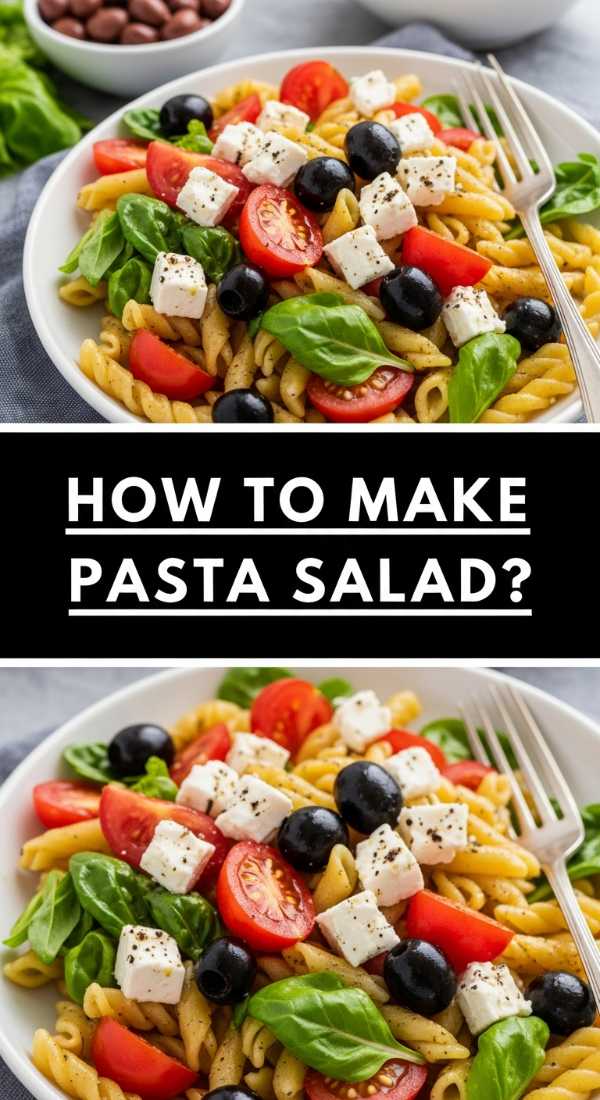
How to make pasta salad
Why we love this
A classic pasta salad is the ultimate chameleon of the food world, offering a kaleidoscope of colors and textures that pop against a white serving platter. The cooling sensation of the chilled pasta combined with the sharp acidity of a red wine vinaigrette creates a refreshing palate cleanser that works beautifully as a side or a main. You get the crunch of cucumbers, the salty punch of feta, and the smooth bite of olives, all coming together in a medley that smells of dried oregano and fresh summer produce, making it an essential for any viral food board.
Ingredients
- Rotini or Fusilli pasta
- Cherry tomatoes, halved
- Cucumber, diced
- Red onion, finely minced
- Kalamata olives
- Feta cheese crumbles
- Italian dressing or red wine vinaigrette
- Dried oregano and parsley
How to make it
- Cook your pasta in salted water until it is slightly softer than al dente; cold pasta tends to firm up in the fridge, so a little extra softness prevents it from becoming hard.
- Drain and rinse the pasta with cold water. This is crucial for salad to ensure the dressing doesn’t get absorbed too quickly into hot starch.
- In a massive mixing bowl, combine your chopped vegetables and olives. Using a sharp knife for the red onion is key to getting those ‘paper-thin’ slices that distribute flavor without overpowering.
- Pour half of your dressing over the pasta and veggies, tossing gently with silicone spatulas to avoid breaking the delicate pasta shapes.
- Refrigerate for at least two hours. Just before serving, add the remaining dressing and the feta cheese. This ‘double dressing’ technique ensures the salad stays moist and flavorful even after the pasta has absorbed the initial liquid.
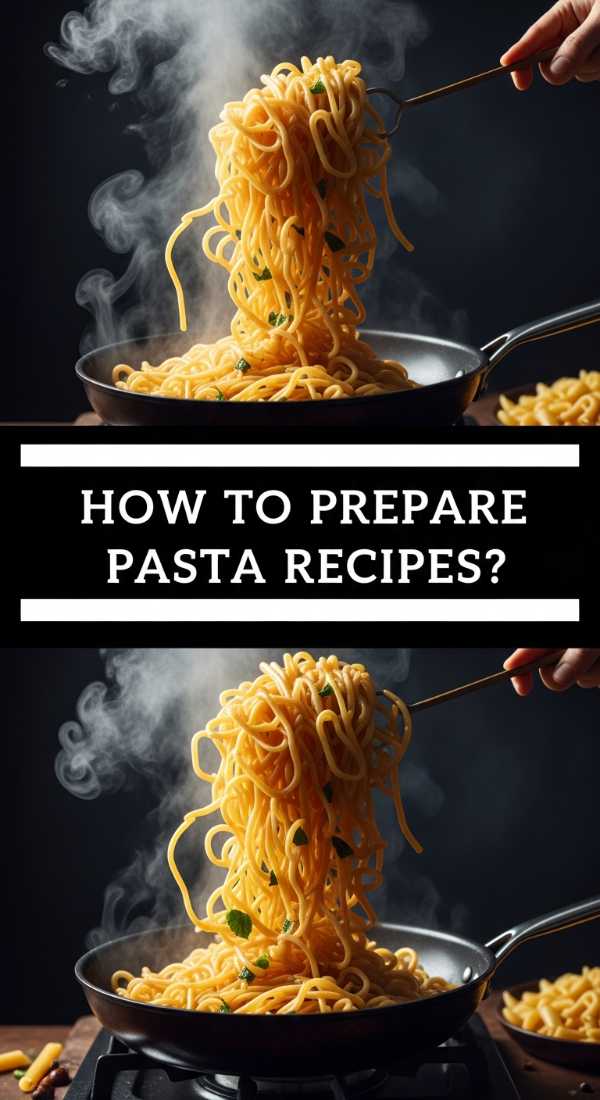
How to prepare pasta recipes
Why we love this
The preparation phase is where the magic happens, transforming a kitchen counter into a colorful palette of culinary possibilities. There’s a rhythmic, meditative quality to chopping fresh herbs and mincing garlic, releasing essential oils that perfume the air with earthy and pungent notes. Preparing a recipe from scratch gives you total control over the balance of salt, fat, and acid, allowing you to create a dish that feels personalized and intentional, resulting in a finished product that tastes far more complex than the sum of its humble parts.
Ingredients
- Choice of pasta shape
- Fresh aromatics (garlic, shallots, onions)
- Quality fats (butter or olive oil)
- Acidity (lemon or vinegar)
- Fresh herbs (basil, thyme, or rosemary)
- Red pepper flakes
How to make it
- Start with ‘mise en place’—get everything chopped and measured before you even turn on the stove. This prevents the garlic from burning while you’re hunting for the salt.
- Heat your pan over medium-low heat and add your fat. Sauté aromatics like shallots and garlic slowly until they are translucent and fragrant, never letting them turn dark brown or bitter.
- Bloom your spices, such as red pepper flakes or dried herbs, in the warm oil for 30 seconds to unlock their full aromatic potential.
- Deglaze the pan with a splash of wine, lemon juice, or pasta water, scraping up the brown bits (fond) from the bottom which hold the most concentrated flavor.
- Toss the cooked pasta directly into the pan with the sauce, adding a knob of cold butter at the very end to create a glossy, professional finish.
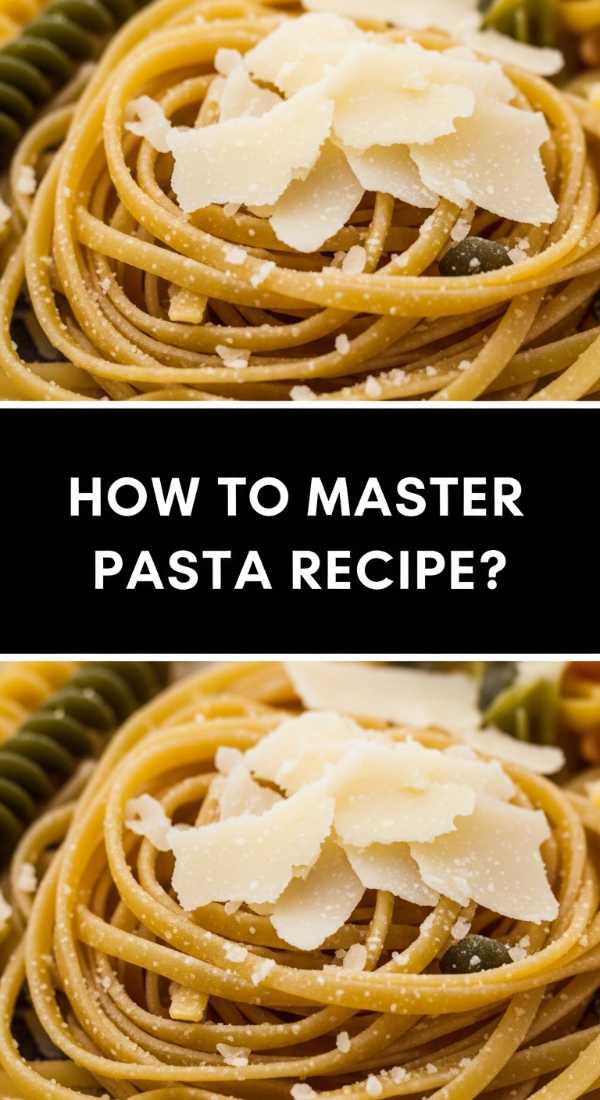
How to master pasta recipe
Why we love this
Mastering a recipe is about moving beyond following instructions and starting to cook with your senses. It’s that moment when you can tell by the sound of the sizzle in the pan or the specific glossiness of the sauce that the dish has reached perfection. There’s a deep sense of pride in serving a bowl of pasta where the flavors are perfectly harmonized—the heat is subtle, the salt is precise, and the texture is silk. It’s food that feels like a warm hug, comforting and sophisticated all at once.
Ingredients
- Premium pasta brand
- Hand-crushed San Marzano tomatoes
- Fresh buffalo mozzarella or burrata
- High-grade sea salt
- Fresh basil leaves
- Aged balsamic glaze
How to make it
- To master the craft, focus on ingredient quality; use San Marzano tomatoes and hand-crush them to maintain a rustic, chunky texture that clings to the pasta.
- Simmer your sauce on the lowest heat possible for at least 20-30 minutes. This slow cook allows the natural sugars in the tomatoes to caramelize, removing the need for added sugar.
- Finish the pasta *in* the sauce for the last two minutes of its cook time. This allows the pasta to absorb the sauce’s flavor rather than just being coated by it.
- Use the ‘mantecatura’ technique: remove the pan from heat, add your cheese and a drizzle of oil, and toss vigorously. The mechanical action emulsifies the fats into a creamy sauce.
- Garnish with basil torn by hand—never chopped with a knife—to prevent the edges from bruising and turning black, ensuring the brightest flavor and color.
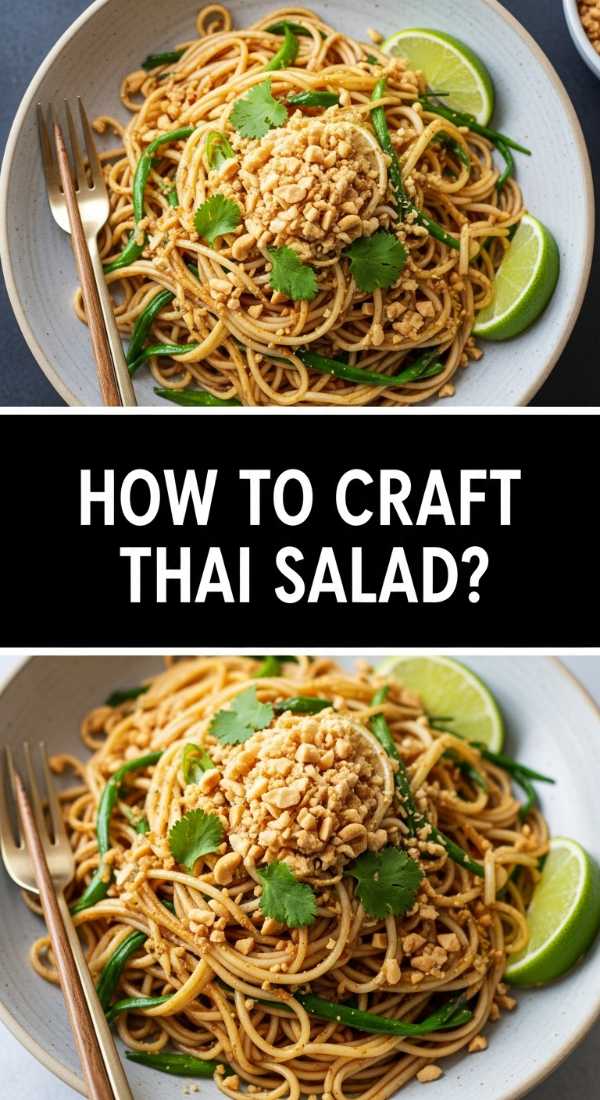
How to craft Thai salad
Why we love this
A beautifully crafted Thai salad is a masterclass in the balance of ‘Sweet, Sour, Salty, and Spicy.’ The vibrant greens of mint and cilantro contrast against the bright orange of shredded carrots, creating a visual feast before you even take a bite. You’ll smell the funky, umami-rich scent of fish sauce tempered by the sharp, clean aroma of fresh lime and the sweet undertones of palm sugar. It’s a crunchy, refreshing experience that wakes up the taste buds and leaves you feeling energized and satisfied.
Ingredients
- Green papaya or shredded cabbage base
- Fresh mint and cilantro
- Bird’s eye chilies (optional for heat)
- Fish sauce
- Lime juice
- Palm sugar or brown sugar
- Roasted peanuts
- Green beans and cherry tomatoes
How to make it
- If using a traditional mortar and pestle, start by pounding the garlic and chilies into a paste. If not, finely mince them to ensure the heat is evenly distributed.
- Whisk the fish sauce, lime juice, and sugar together until the sugar is completely dissolved. Taste it; it should be a punchy balance where no single flavor overpowers the others.
- Lightly bruise your vegetables (like green beans and tomatoes) by tapping them with a rolling pin or in the mortar. This allows the dressing to penetrate the cell walls for deeper flavor.
- Toss the shredded base with the herbs and dressing. Use your hands to massage the dressing into the greens, ensuring every sliver is seasoned.
- Top with a generous amount of crushed roasted peanuts right before serving to maintain their crunch against the juicy vegetables.
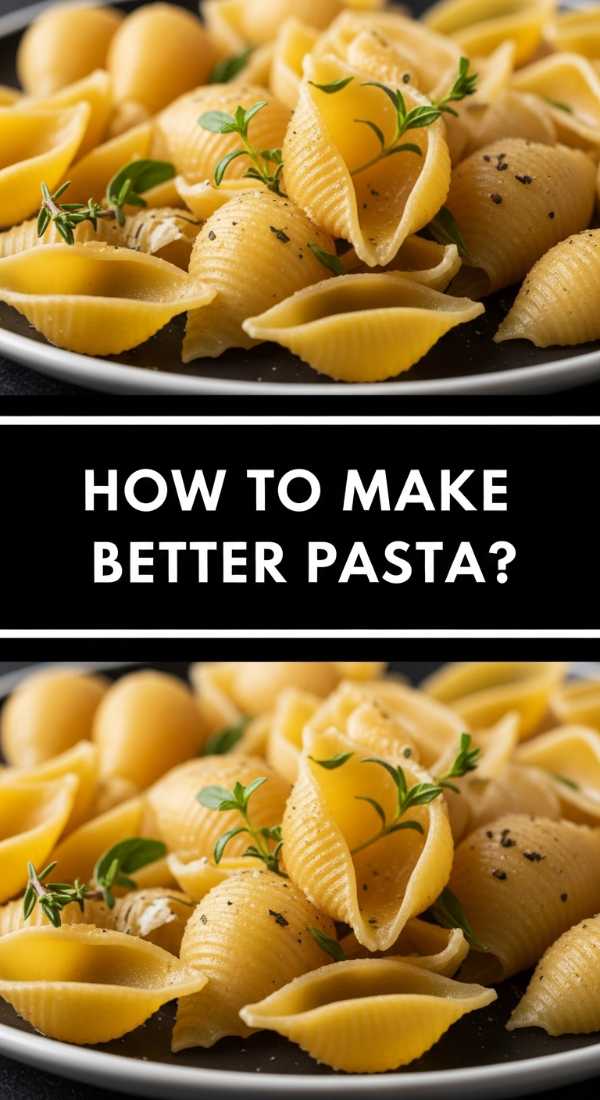
How to make better pasta
Why we love this
Making ‘better’ pasta is about the small, intentional upgrades that transform a pantry staple into a gourmet meal. It’s the difference between a watery sauce that pools at the bottom of the bowl and a thick, rich emulsion that coats every ridge of a penne noodle. You’ll notice the improved mouthfeel—a luxurious, slippery coating that carries the flavors of garlic and oil directly to your palate. It’s about the golden glow of a finished dish and the bright, herbaceous pop of fresh greens that make the meal feel alive.
Ingredients
- Pasta
- Pasta water (reserved)
- Freshly grated hard cheese (Pecorino or Parmigiano)
- Cold unsalted butter
- Finishing olive oil
- Lemon zest
How to make it
- The biggest secret to better pasta is the ’emulsion.’ Never drain your pasta completely dry. The starchy water left on the noodles is the key to a smooth sauce.
- Always grate your cheese fresh from the block. Pre-shredded cheese is coated in potato starch to prevent clumping, which will make your pasta sauce grainy rather than smooth.
- Add a ‘fat finish.’ Once the pasta is off the heat, stir in a tablespoon of cold butter or a swirl of high-quality extra virgin olive oil. This creates a professional sheen and a richer flavor profile.
- Incorporate acidity. A tiny squeeze of lemon juice or a sprinkle of fresh lemon zest at the very end cuts through the heavy starch and fat, brightening the entire dish.
- Season in layers. Salt the water, salt the sauce, and finish with a pinch of flaky sea salt on top to ensure every component is flavorful.
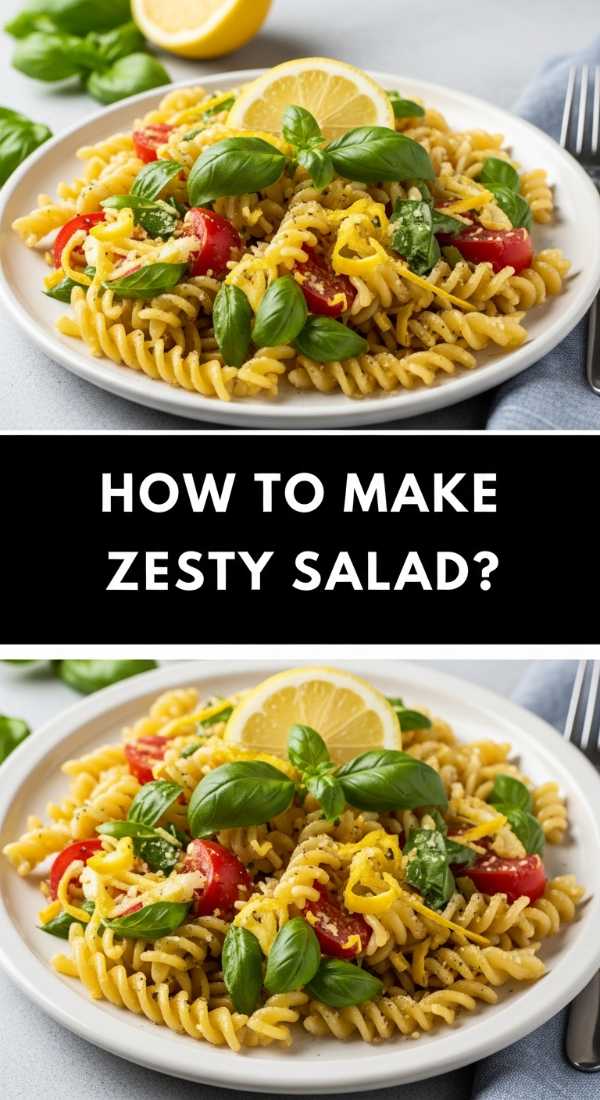
How to make zesty salad
Why we love this
A zesty salad is like a wake-up call for your dinner table, bursting with high-vibration flavors and a crisp, clean finish. The primary notes are citrus and vinegar, providing a sharp tang that makes your mouth water and perfectly complements heavier board items like cheeses or meats. You’ll love the combination of bitter greens like arugula with the sweetness of citrus segments, all tied together by a dressing that smells of lemon peel and cracked black pepper. It’s light, airy, and incredibly refreshing.
Ingredients
- Arugula or Baby Spinach
- Grapefruit or Orange segments
- Radishes, thinly sliced
- Lemon vinaigrette (Lemon juice, olive oil, honey, Dijon)
- Fresh dill
- Sunflower seeds or pepitas
How to make it
- Start with very cold greens. Rinse them in ice water and use a salad spinner to get them bone-dry; dressing won’t stick to wet leaves.
- Prepare the ‘zest factor’ by whisking together lemon juice and a teaspoon of lemon zest with Dijon mustard. Slowly drizzle in olive oil while whisking to create a thick, stable emulsion.
- Slice radishes into translucent rounds using a mandoline (carefully!) for a sharp, peppery bite that adds visual texture.
- Supreme your citrus: cut the peel away and slice between the membranes to get clean segments that release their juice as you eat the salad.
- Toss the greens with half the dressing first, then layer the citrus, radishes, and seeds on top, finishing with a final drizzle to ensure the toppings are seasoned too.
How to cook delicious pasta
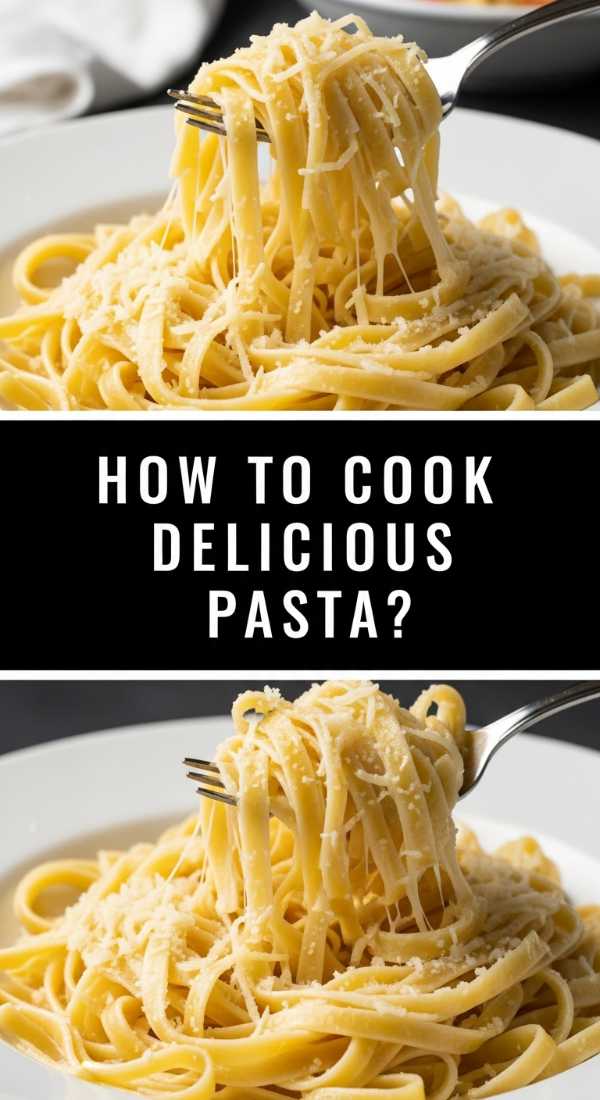
Why we love this
Delicious pasta is all about the ‘soul’ of the dish—the deep, savory flavors that come from properly browned butter or a slow-cooked ragu. It’s the kind of meal that makes the kitchen feel small and cozy, with steam billowing from the pot and the comforting sound of a wooden spoon against ceramic. Every bite is a balance of tender pasta and a sauce that feels complex and layered, leaving a lingering richness on the tongue that makes you want to go back for seconds (and thirds).
Ingredients
- Egg-based pasta (like Pappardelle)
- Heavy cream or whole milk
- Nutmeg
- Garlic cloves, smashed
- Fresh sage or parsley
- Grated Pecorino Romano
How to make it
- For maximum deliciousness, use a fat-heavy base. Melt butter over medium heat until it begins to foam and turn a nutty brown color, but watch it closely so it doesn’t burn.
- Infuse your fat. Add smashed garlic cloves and whole sage leaves to the butter, letting them crisp up and release their aromatics into the oil.
- If making a creamy sauce, temper your dairy. Add a little hot pasta water to the cream before pouring it into the pan to prevent curdling.
- Add a pinch of nutmeg. This ‘secret ingredient’ doesn’t make it taste like dessert; instead, it enhances the savory notes of the cheese and cream.
- Ensure the pasta-to-sauce ratio is correct. The pasta should be well-coated but not swimming in a soup; use small increments of pasta water to adjust the thickness until it achieves a ‘nappe’ consistency (coats the back of a spoon).
How to make fresh pasta
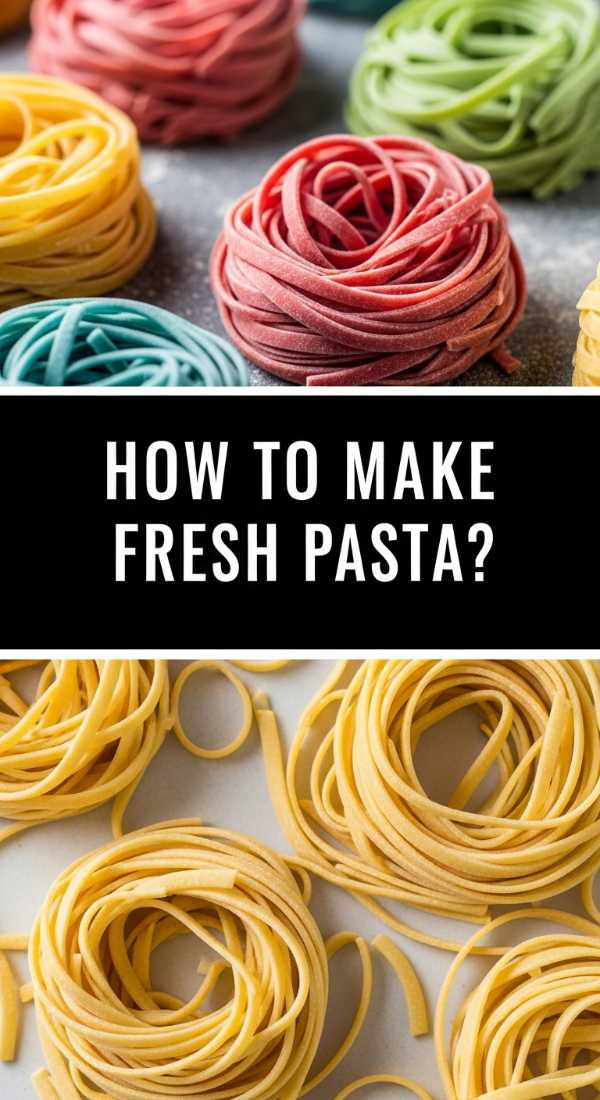
Why we love this
There is nothing quite like the silky, tender texture of fresh pasta made by hand. The process itself is incredibly tactile—the feeling of the cool flour on your palms, the elastic stretch of the dough, and the vibrant yellow hue from fresh egg yolks. It smells like a traditional Italian kitchen, earthy and rich. When it hits the boiling water, it cooks in mere minutes, floating to the surface like little clouds that melt in your mouth, offering a delicacy and richness that boxed pasta simply cannot replicate.
Ingredients
- ’00’ Flour or all-purpose flour
- Large eggs (room temperature)
- Pinch of salt
- Extra flour for dusting
How to make it
- Create a ‘well’ with your flour on a clean wooden board. Crack the eggs into the center and add a pinch of salt.
- Using a fork, gently whisk the eggs, gradually incorporating flour from the inner walls of the well until a shaggy dough forms.
- Knead the dough by hand for at least 8-10 minutes. You are looking for a smooth, elastic texture; if you poke it, the dough should spring back slowly.
- Rest the dough! Wrap it in plastic and let it sit at room temperature for 30 minutes. This relaxes the gluten, making it possible to roll it out thin without it snapping back.
- Roll the dough out using a rolling pin or pasta machine until it’s translucent enough to see your hand through it. Cut into your desired shapes, toss with a little flour to prevent sticking, and cook in boiling salted water for only 2-3 minutes.
Conclusion: The Art of the Easy Board
Creating a viral-worthy food board isn’t about perfection; it’s about the joy of sharing simple, delicious food with people you love. By focusing on these pasta and salad techniques, you can curate a spread that looks abundant and thoughtful without losing your mind in the process. Remember, the best host is a relaxed one, so pour yourself a glass of wine, put on some music, and let these recipes do the talking. Happy hosting!