
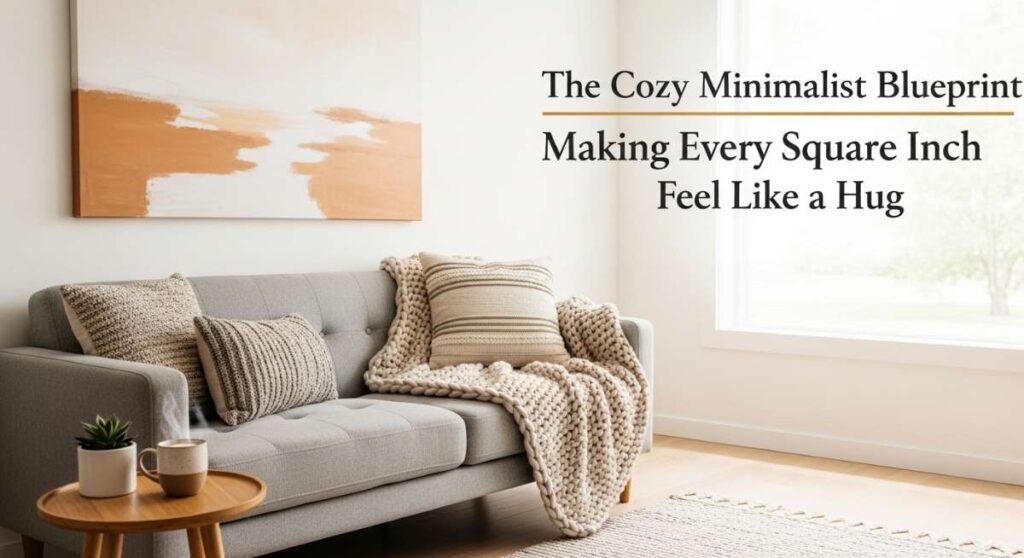
The Cozy Minimalist Blueprint: Making Every Square Inch Feel Like a Hug
Have you ever walked into a room and felt like you could finally exhale? Not because the room was empty, but because every single item in it felt intentional, soft, and necessary. We live in a world that constantly screams for our attention, urging us to buy more and do more. But your home shouldn’t be another loud voice in that chorus; it should be the soft whisper that tells you it’s okay to slow down. That is the magic of the cozy minimalist aesthetic—it’s the art of having exactly what you need and nothing that you don’t, wrapped in a warm, textured embrace.
I remember a time when my own living room felt like a storage unit for ‘maybe one day’ items. It was suffocating. The transition to cozy minimalism wasn’t about stripping away my personality; it was about uncovering it under the layers of clutter. In this guide, I’m going to show you how to curate a space that feels curated but lived-in, sophisticated but approachable. We are going to turn your home into a sanctuary where every square inch feels like a literal hug, using light, texture, and mindful arrangement to create a lifestyle of absolute serenity.
How to Master Cozy Minimalist Living Room Design for Absolute Serenity

Why we love this
There is a specific kind of magic that happens when you balance clean lines with the softness of a chunky knit throw. This approach transforms a sterile room into a breathing space that smells of vanilla bean and cedarwood. Imagine sinking into a high-quality linen sofa as the afternoon sun hits a single, perfectly placed ceramic vase, creating shadows that dance across a neutral-toned rug. It’s about the tactile joy of running your hand over a smooth wooden coffee table while your toes burrow into the fibers of a wool carpet—a sensory experience that grounds your nervous system and invites you to stay just a little bit longer.
Essential Elements:
- Neutral color palette (oatmeal, sand, and soft grey).
- Natural wood accents for warmth.
- One high-quality statement sofa.
- Layered lighting (floor lamps and table lamps).
- Minimalist wall art with organic shapes.
How to make it
- Define your base temperature: Start by stripping the room to its essentials. Paint the walls in a warm white or soft greige to create a canvas that reflects natural light without feeling cold or clinical.
- Anchor with the ‘Protein’: Choose your largest piece of furniture, usually the sofa. Opt for a silhouette with clean lines but deep seating. Ensure the fabric has a visible weave, like linen or bouclé, to add immediate texture.
- Simmer the lighting: Never rely on harsh overhead lights. Place a tall floor lamp in one corner and a smaller ceramic lamp on a side table. Use warm-toned bulbs (2700K) to mimic the golden hour glow throughout the evening.
- Season with organic shapes: Introduce a round coffee table or a curved armchair. These ‘soft’ edges break up the linear nature of a room, making the energy flow more smoothly and reducing visual friction.
- Garnish with intent: Add exactly two cushions and one throw. Choose materials that contrast—a silk cushion against a wool throw creates a professional, layered ‘mouthfeel’ for the eyes.
How to Curate Small Living Room Ideas Apartment Cozy Aesthetic for Effortless Style
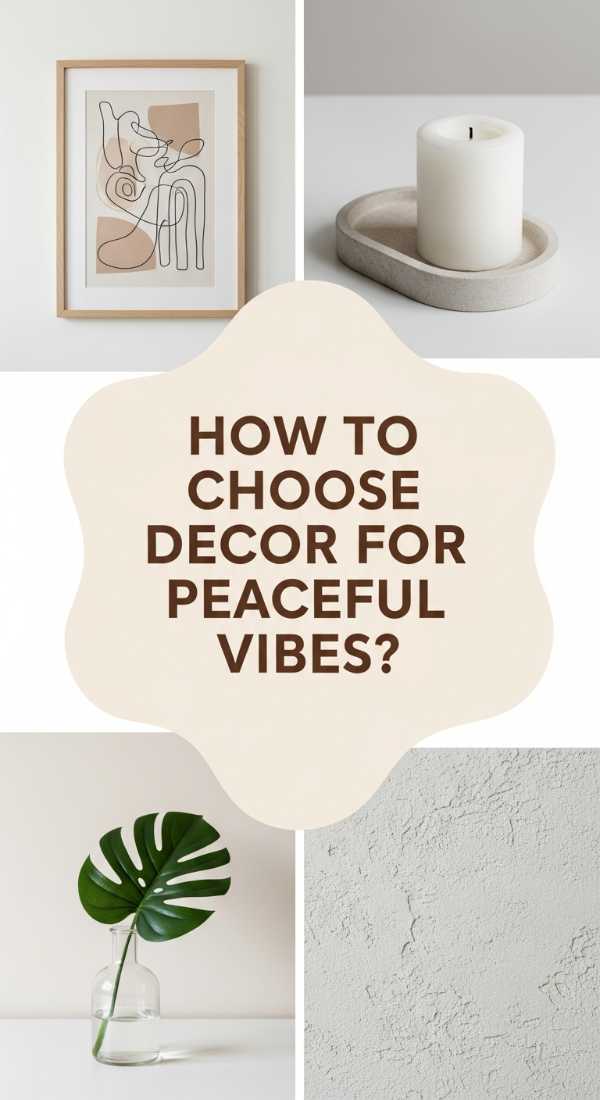
Why we love this
Small apartments often feel like puzzles waiting to be solved, and the cozy minimalist approach is the missing piece. By choosing fewer, more impactful items, you create an illusion of space that doesn’t sacrifice that ‘nesting’ feeling. We love the way a well-placed mirror can catch the scent of a nearby jasmine candle and reflect the flickering light, making a studio feel like a grand suite. There is a profound sense of relief in knowing that every item in your small space has a purpose, allowing the air to move freely and your mind to rest without the weight of unnecessary furniture pushing in on you.
Essential Elements:
- Leggy furniture (to see more floor space).
- Large-scale mirrors.
- Multi-functional ottomans.
- Sheer linen curtains.
- Wall-mounted shelving.
How to make it
- Clear the floor ‘palate’: Use furniture with exposed legs. This allows light to travel under the pieces, creating a visual cue of openness that prevents the room from feeling ‘heavy’ or cluttered.
- Reflect the light source: Place a large, minimalist mirror directly opposite your primary window. This doubles the visual depth of the room and amplifies the available ‘natural heat’ of the sun.
- Scale up the rug: Contrary to popular belief, a small rug makes a room look smaller. Use a large, neutral-toned jute or wool rug that extends under all furniture pieces to unify the space into one cohesive ‘dish’.
- Vertical plating: Utilize wall height by installing thin, floating shelves. Arrange three items of varying heights (a trailing plant, a book, and a candle) to draw the eye upward without consuming square footage.
- Streamline the window treatments: Replace heavy drapes with sheer, light-filtering linens. This allows for privacy while keeping the atmosphere light, airy, and ‘well-seasoned’ with outdoor vibes.
How to Select Minimalist Room Decor for a Peaceful Atmosphere
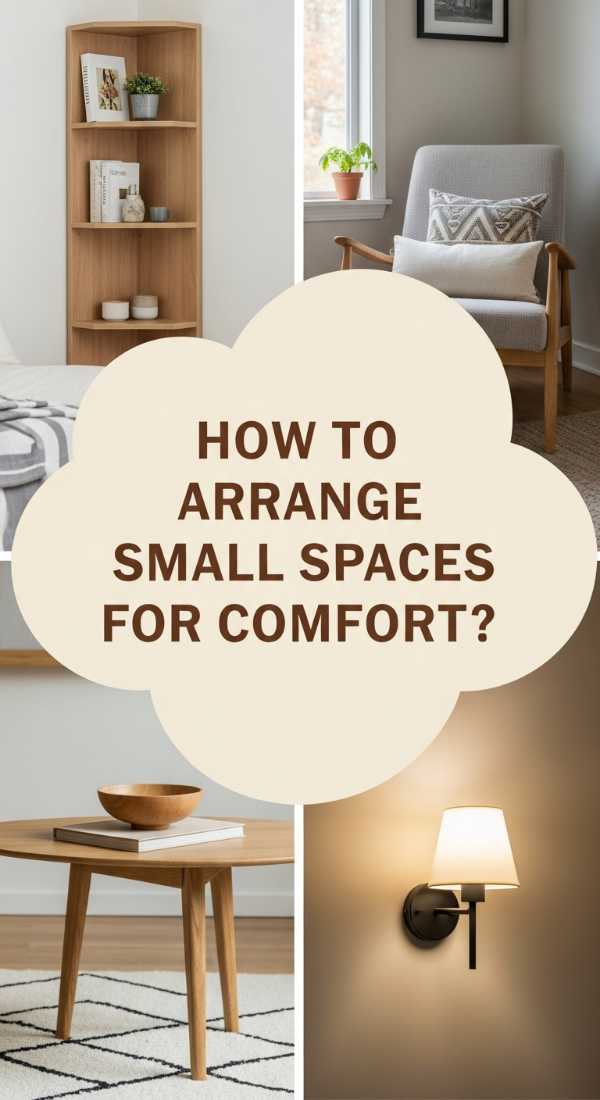
Why we love this
Selecting decor in a minimalist home is like choosing the perfect spice for a delicate broth—less is always more. We adore the way a single, hand-crafted clay bowl can hold more emotional weight than a shelf full of mass-produced trinkets. There’s a serene aroma of dried eucalyptus and old paper that seems to cling to these intentional choices. When you surround yourself only with items that evoke a memory or a sense of beauty, the atmosphere shifts from a ‘house’ to a ‘soul-retreat,’ where every object feels like an old friend whispering words of peace.
Essential Elements:
- Hand-thrown ceramics.
- Dried botanicals or single-stem branches.
- Textured stone objects (marble or travertine).
- Soft-cover coffee table books.
- Unscented beeswax candles.
How to make it
- The ‘Three-Item’ Rule: On any surface, limit yourself to a maximum of three items. Group them in a triangle formation with varying heights—for example, a tall branch in a vase, a medium-sized candle, and a small marble tray.
- Filter by Material: Only select decor made from natural materials. If it’s plastic or faux-finished, set it aside. Stick to stone, wood, glass, and clay to ensure a high-end, ‘organic’ flavor profile.
- Curate the Color Saturation: Keep all decor items within two shades of your wall color. This low-contrast approach prevents the eye from jumping around, creating a ‘smooth’ visual texture that promotes immediate relaxation.
- Introduce Life: Add one living element per room. A single olive tree or a snake plant provides a visual ‘freshness’ that synthetic decor can never replicate, acting as a natural air purifier for the soul.
- The 24-Hour Trial: Before committing to a piece, leave it in the room for 24 hours. If you don’t feel a ‘spark’ of calm every time you walk past it, remove it. Only the most ‘delicious’ items should stay.
How to Arrange Minimalist Living Room Small Spaces for Maximum Comfort
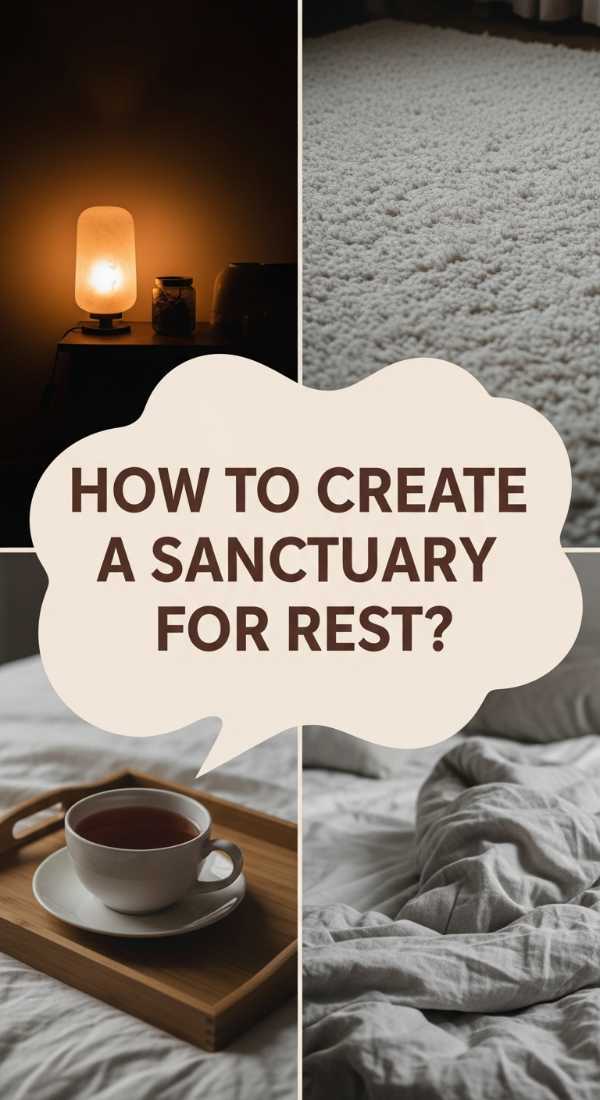
Why we love this
Proper arrangement is the secret sauce to a comfortable home; it dictates how you move and how you feel. We love a layout that encourages conversation and connection, where the furniture seems to hug the inhabitants. Picture a room where the traffic flow is as smooth as honey, with no sharp corners to bump into or cluttered paths to navigate. The air feels lighter, the sounds are dampened by strategically placed soft goods, and there is a sense of ‘feng shui’ that makes you feel effortlessly supported from the moment you sit down to enjoy your morning coffee.
Essential Elements:
- Circular coffee tables for flow.
- Symmetry in seating.
- Hidden cord management.
- Zone-defining rugs.
- Breathable gaps between furniture and walls.
How to make it
- Create a ‘Floating’ Center: Pull your sofa and chairs away from the walls by at least 3-5 inches. This creates ‘breathing room’ and makes the arrangement feel more intentional and high-end.
- Map the Traffic Flow: Ensure there is a clear, 30-inch path between furniture pieces. Test the ‘heat’ of the room by walking through it; if you have to turn sideways, the arrangement needs to be ‘reduced’ or thinned out.
- Point of Interest: Orient all seating toward a single focal point—be it a fireplace, a large window, or a piece of art. This ‘anchors’ the room and prevents a scattered, anxious feeling.
- Balance the Weight: If you have a heavy sofa on one side, balance it with two lighter armchairs on the other. This visual ‘symmetry’ creates a sense of equilibrium that is inherently calming to the brain.
- Hide the ‘Kitchen Scraps’: Use cable boxes or decorative baskets to hide all wires and electronic clutter. Visual noise from cords acts like ‘bitterness’ in a recipe—it ruins the entire experience if not properly managed.
How to Design a Minimalist Cozy Sanctuary for Restful Evenings

Why we love this
As the sun dips below the horizon, a cozy minimalist sanctuary comes into its own. We are obsessed with the transition from the bright, productive day to the dim, velvet-wrapped evening. The scent of lavender oil from a stone diffuser mixes with the warmth of a heavy cotton quilt, creating an environment that feels like a safe harbor. It’s about the silence that isn’t empty, but full of peace—a space where the absence of clutter allows your thoughts to settle like fallen snow. This is where you recharge, disconnected from the digital world and reconnected to your own quiet pulse.
Essential Elements:
- Blackout linen curtains.
- Dimmable bedside lighting.
- High-thread-count cotton bedding.
- A dedicated tech-free zone.
- Soft, ambient soundscapes.
How to make it
- Temper the Blue Light: Remove all screens from the sanctuary. If you must have a TV, hide it behind a cabinet or a minimalist tapestry. This ‘filters’ out the digital toxins that prevent deep rest.
- Layer the Bedding ‘Cake’: Start with crisp white sheets, add a medium-weight duvet, and finish with a heavy, textured coverlet at the foot of the bed. This ‘triple-layering’ provides the physical sensation of being hugged.
- Optimize the Scent Profile: Use a stone-look diffuser with essential oils like cedar, sandalwood, or bergamot. The fine mist adds a subtle humidity and ‘aromatic depth’ that signals to your brain it’s time to power down.
- Soft-Step Flooring: Place a plush sheepskin or soft wool rug exactly where your feet land when getting out of bed. This ‘visual and tactile garnish’ ensures your first and last touch of the day is soft.
- The Nightstand Edit: Keep only a book, a carafe of water, and a single lamp on your nightstand. A cluttered nightstand is a ‘sour’ note that disrupts the harmony of your morning wake-up call.
How to Style a Minimalist Home for an Organized Life
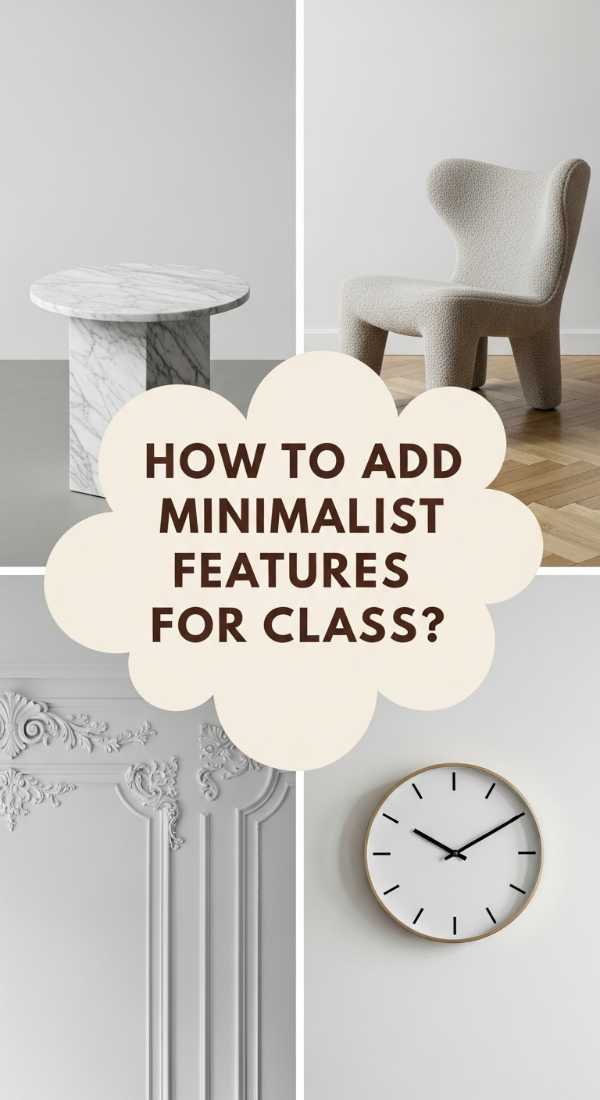
Why we love this
Organization in a cozy minimalist home isn’t about plastic bins and labels; it’s about life-changing systems that feel invisible. We love the clarity that comes from knowing every item has a ‘home’ that is both beautiful and functional. There is a crisp, fresh-linen aroma to an organized life where you never have to hunt for your keys or feel overwhelmed by ‘stuff.’ It’s the luxury of empty space—that drawer that only holds one beautiful pen, or the shelf that remains half-empty just because it looks peaceful. It’s about owning your things rather than letting your things own you.
Essential Elements:
- Built-in cabinetry or seamless wardrobes.
- Uniform hangers (wood or velvet).
- Aesthetic storage baskets (sea-grass or felt).
- A ‘one-in, one-out’ rule for decor.
- Designated ‘drop zones’ for daily items.
How to make it
- The ‘Mise-en-Place’ Entryway: Create a dedicated spot for keys, mail, and shoes immediately inside the door. Use a wooden tray and a single bench. This prevents ‘clutter leakage’ into the rest of the home.
- Uniformity is Key: Replace all mismatched hangers with uniform wooden or velvet ones. This creates a visual ‘rhythm’ in your closet that feels like a boutique, reducing the mental fatigue of choosing an outfit.
- Deep-Clean the Visual Palette: Go through your open shelving and remove anything that isn’t visually pleasing. If it’s functional but ugly (like a plastic stapler), store it in a beautiful felt box.
- Categorize and Conquer: Group ‘like with like’ in hidden storage. Use small dividers to ensure items don’t shift. This ‘internal organization’ is the secret foundation that allows the ‘external minimalism’ to exist.
- The Weekly ‘Pruning’: Every Sunday, walk through your home and remove three items that have migrated to the wrong spot. This ‘low-heat maintenance’ prevents clutter from boiling over during the busy work week.
How to Implement Room Decor Minimalist Features for Sophisticated Living

Why we love this
Sophisticated minimalism feels like a five-star hotel room that you never have to check out of. It’s the combination of high-end materials like brushed brass and honed marble with the humble warmth of a hand-woven basket. We love the ‘quiet luxury’ of this look—it doesn’t shout for attention with bright colors, but rather commands it with impeccable quality and clean lines. The atmosphere is one of refined calm, where the scent of expensive incense lingers in the air and the touch of every surface feels deliberate, expensive, and deeply comforting.
Essential Elements:
- Oversized abstract art.
- Architectural lighting fixtures.
- Mixed metal accents (brass or blackened steel).
- Statement indoor trees (Fiddle Leaf or Olive).
- Honed stone surfaces.
How to make it
- Invest in One ‘Hero’ Piece: Choose one item that feels truly luxurious—perhaps an oversized, original painting or a designer light fixture. This ‘top-shelf ingredient’ elevates everything else in the room.
- Mix Your Textures (The ‘Mouthfeel’): Combine cold materials like a marble tray with warm ones like a mohair throw. The contrast between ‘hard’ and ‘soft’ is what creates a sophisticated, multi-dimensional aesthetic.
- Scale Up the Art: Instead of a gallery wall (which can feel cluttered), choose one very large piece of art. Ensure it has plenty of ‘negative space’ (white space) to keep the room’s ‘energy’ light and airy.
- Introduce Metallic Accents: Use small touches of brushed brass or matte black metal in your hardware or lamp bases. This acts like a ‘glaze,’ adding a subtle shimmer and a professional finish to the space.
- Curate the Negative Space: Leave at least 20% of your surfaces completely empty. This ‘silence’ between the decor pieces is what gives the room its sophisticated, gallery-like feel.
How to Plan a Minimalist Room for Stress Free Mornings

Why we love this
Morning light is a minimalist’s best friend, and planning a room around it changes your entire day’s trajectory. We love the feeling of waking up in a room that feels like a clean slate, where the first things you see are soft colors and natural textures. The aroma of freshly ground coffee beans seems to taste better in a kitchen with clear countertops and a single, beautiful mug. This is about removing the friction from your morning routine, creating a ‘path of least resistance’ that allows you to move from sleep to soul-work with a sense of quiet joy and absolute clarity.
Essential Elements:
- Coffee/Tea station with hidden supplies.
- Natural light maximization.
- Minimalist bedside clock (no phones).
- Comfortable morning ‘nook’ seating.
- Clear, clutter-free bathroom counters.
How to make it
- Position for the Sunrise: Arrange your bed or your favorite morning chair to face a window. Maximizing your ‘dose’ of early morning light sets your circadian rhythm and ‘seasons’ your mood for the day.
- The ‘Empty Counter’ Policy: In the kitchen and bathroom, store everything inside drawers. Only a single vase of flowers or a beautiful soap dispenser should remain on the ‘plating’ of your countertops.
- Prepare the ‘Mise-en-Place’: Set out your coffee mug and your journal the night before. This ‘pre-prep’ ensures your morning flow is uninterrupted by decision-making or searching for items.
- Soundproof the Space: Use thick, minimalist rugs to dampen the sound of footsteps. A quiet morning environment allows you to stay in a ‘meditative simmer’ for longer.
- Add a ‘Soft Landing’ Spot: Create a dedicated space for your morning ritual—a single chair with a view and a soft cushion. This ‘station’ becomes a mental anchor for peace before the busy world intrudes.
How to Upgrade Decor Minimalist Textures for a Luxurious Touch

Why we love this
Texture is the secret language of minimalism; without it, a room is just empty, but with it, a room is a masterpiece. We love the depth that comes from layering different weaves—the ‘crunch’ of a jute rug beneath the ‘creaminess’ of a velvet pillow. It creates a tactile environment that begs to be touched, smelling of fresh wool and polished wood. Upgrading your textures is the fastest way to turn a basic room into a luxury retreat, providing a ‘richness’ that has nothing to do with color and everything to do with how the space feels against your skin.
Essential Elements:
- Bouclé and velvet upholstery.
- Reclaimed wood elements.
- Chunky knit wool throws.
- Linen wall coverings or curtains.
- Hand-knotted rugs with high-low piles.
How to make it
- The ‘Tactile Test’: Before buying any textile, touch it. If it doesn’t feel high-quality or soothing, it will lower the ‘flavor’ of the room. Aim for natural fibers like silk, wool, and cotton.
- Layer from the Ground Up: Start with a flat-weave rug and layer a smaller, plush rug on top. This ‘double-stacking’ adds immediate luxury and visual interest to a minimalist floor plan.
- Mix Grain and Gloss: Pair a raw, reclaimed wood stool with a high-gloss ceramic vase. The interplay between the ‘rough’ grain and the ‘smooth’ gloss creates a professional, high-end visual ‘bite’.
- Choose High-Low Piles: Look for rugs or cushions that have patterns woven into the texture rather than printed on. This ‘sculptural’ approach to fabric adds depth without introducing busy colors.
- Wall Texture: Consider a lime-wash paint or a grasscloth wallpaper. This adds a ‘velvety’ depth to the walls themselves, making the room feel like it’s giving you a soft, all-encompassing hug.
How to Perfect Cozy Minimalist Aesthetics for the Ultimate Home Retreat
[IMAGE_10]
Why we love this
The ultimate home retreat is the final destination of the cozy minimalist journey. It’s the realization that you don’t need a vacation when your home feels like a sanctuary. We love the way this aesthetic honors the ‘slow life,’ where the air is filled with the scent of a slow-burning wood candle and the visual ‘noise’ is turned down to zero. It’s a place where you can truly ‘be’ rather than ‘do,’ surrounded by a curation of your favorite things that all work together to create a symphony of serenity and effortless style.
Essential Elements:
- A consistent, house-wide color story.
- Intentional ’empty’ corners.
- High-quality sound systems for ambient music.
- Personalized but minimal gallery of memories.
- Lush, healthy indoor greenery.
How to make it
- Harmonize the ‘Menu’: Ensure your color palette flows from room to room. Using the same three neutral tones throughout the entire house creates a ‘seamless’ experience that lowers stress.
- The ‘Edit of One’: Go through every room and remove one thing. Just one. This ‘final reduction’ ensures that the space remains airy and doesn’t slowly succumb to ‘decor creep’.
- Invoke the Senses: Set up a small ‘wellness’ corner with a high-end yoga mat and a single bowl of crystals or stones. This ‘treat’ for the soul reinforces the home as a place of healing.
- Lighting Scenes: Program your smart lights (if you have them) to ‘simmer’ down automatically at 8 PM. Transitioning to ‘low heat’ lighting helps the entire household shift into retreat mode.
- Maintain the ‘Plating’: Every evening, spend five minutes putting everything back in its home. This ‘closing shift’ ensures you wake up every single day to a fresh, hugged-feeling home.
Conclusion
Creating a cozy minimalist home isn’t a one-time project; it’s a lifestyle of constant, gentle curation. It’s about choosing peace over possessions and quality over quantity. When you follow this blueprint, you aren’t just decorating a house—you are building a sanctuary that supports your mental health, fuels your creativity, and welcomes you back with open arms every single day. Remember, the goal isn’t perfection; it’s a space that feels like a hug. Start small, edit often, and let your home breathe.