
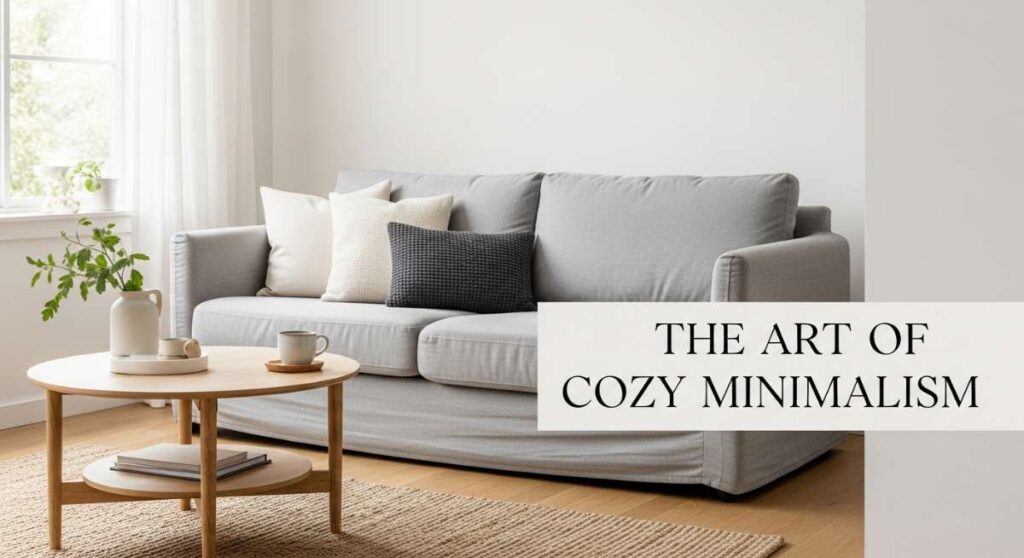
The Art of Cozy Minimalism: How to Create a Warm, Simple Sanctuary
Have you ever walked into a room and felt an immediate sense of relief, like a deep exhale you didn’t know you were holding? That is the magic of cozy minimalism. It’s the sweet spot where the clean lines of modern design meet the soul-soothing warmth of a lived-in home. For years, we were told that minimalism meant cold, white boxes and empty surfaces, but the new wave of ‘warm minimalism’ proves that you can have a clutter-free life without sacrificing the ‘hygge’ that makes a house feel like a home.
Creating this sanctuary isn’t about buying more; it’s about choosing better. It’s about curate-ing a space that reflects your peace of mind and allows your favorite memories to take center stage. When we strip away the visual noise, we make room for the things that truly matter—the soft glow of a sunset hitting a textured wall, the comfort of a perfectly worn-in linen sofa, and the quiet joy of a space that works for you, rather than you working for it.
How to Design a Cozy Minimalist Living Room for Complete Serenity
Why we love this
There is something profoundly healing about a room that doesn’t scream for your attention. We love this approach because it balances the airy openness of a gallery with the tactile richness of a sanctuary. Imagine the scent of sandalwood wafting through the air while you run your hand over a raw wood coffee table, feeling every grain and knot. The visual serenity of a muted palette allows your mind to decompress, turning every afternoon into a spa-like retreat from the digital chaos of the outside world.
Essential Elements:
- Low-profile modular sofa in oatmeal or dove gray
- A mix of organic materials like jute, wool, and oak
- Sheer linen curtains that filter light into a soft haze
- One large-scale piece of abstract art with neutral tones
- Ceramic vessels with matte finishes
How to make it
- Begin by clearing the room entirely of small knick-knacks to establish a clean visual baseline. Assess the ‘breathability’ of the floor plan.
- Select your anchor piece—the sofa—and position it away from the walls to create a conversational island; this ‘floating’ technique immediately elevates the room’s sophistication.
- Layer a plush, high-pile wool rug over a larger jute base to introduce depth through texture rather than color.
- Incorporate ‘hidden’ storage solutions, such as ottomans with lids, to tuck away remote controls and chargers, ensuring no plastic clutter interrupts the organic flow.
- Finalize the lighting by replacing harsh overhead bulbs with warm-toned (2700K) LEDs in floor lamps positioned at different heights to create a soft, dimensional glow.
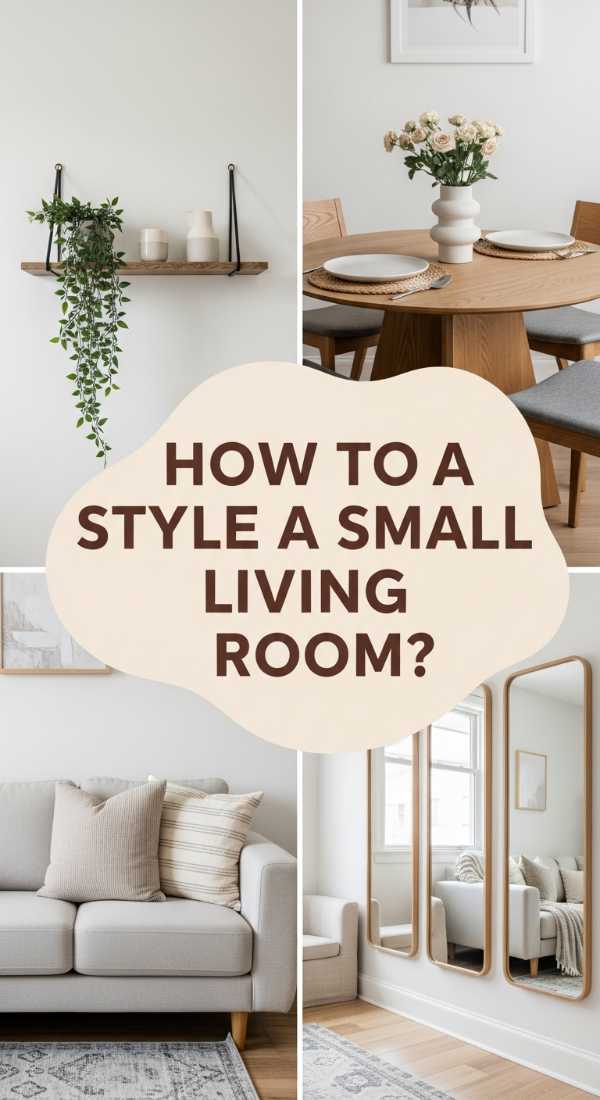
How to Style a Small Living Room for a Dreamy Apartment Aesthetic
Why we love this
Small spaces offer a unique opportunity to create a ‘jewelry box’ effect where every detail is intentional. We love this look because it turns the constraints of an apartment into a curated masterpiece. Think of the crisp aroma of fresh eucalyptus in a small corner and the way a strategically placed mirror catches the golden hour light, doubling the warmth of your space. It’s about maximizing every square inch with beauty and purpose, making even the tiniest studio feel like a grand, airy loft.
Essential Elements:
- Wall-mounted shelving to draw the eye upward
- Multi-functional furniture like nested tables
- Large round mirrors to bounce natural light
- Light-reflecting paint colors like ‘Swiss Coffee’ or ‘Alabaster’
- Leggy furniture that allows you to see more of the floor
How to make it
- Identify the primary light source in the room and place a large floor mirror directly opposite it to amplify the perceived square footage.
- Choose furniture with exposed legs (mid-century modern style) rather than blocky bases; the visual of the floor continuing under the furniture tricks the brain into seeing a larger area.
- Install floating shelves at staggered heights to display books and plants without taking up valuable floor real estate.
- Stick to a monochromatic color scheme—using varying shades of one color—to prevent the room from looking fragmented or ‘busy.’
- Use a single, oversized rug that extends under all furniture pieces; a small rug makes a room look smaller, while a large one anchors the space and makes it feel expansive.
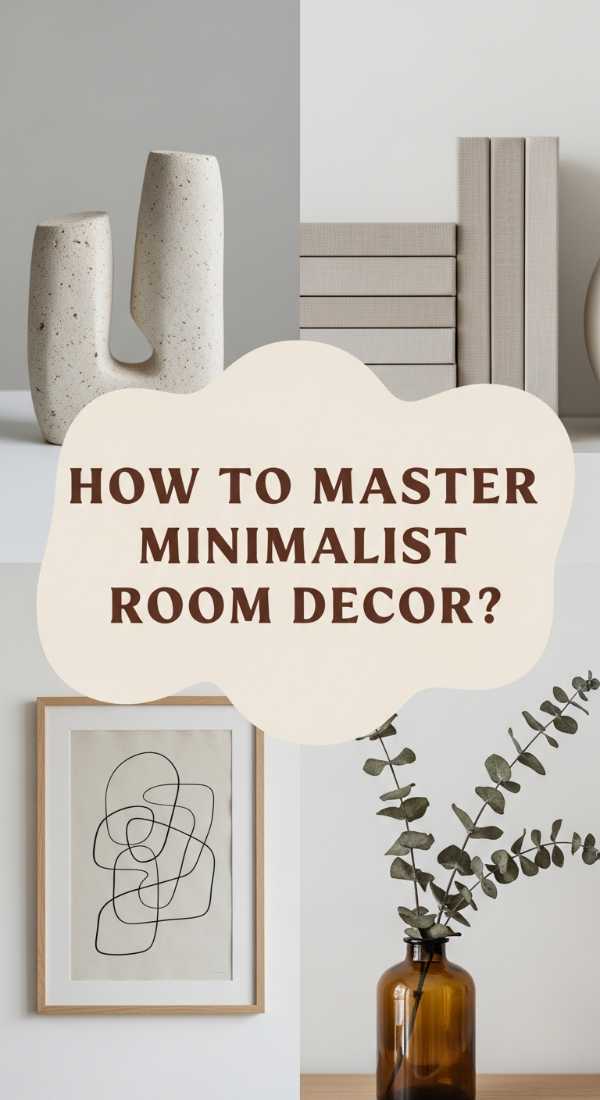
How to Master Minimalist Room Decor for an Elevated Atmosphere
Why we love this
Elevation comes from the quality of textures, not the quantity of objects. We love this aesthetic because it feels incredibly expensive and high-end without requiring a massive budget—it just requires a discerning eye. The feeling of a crisp, heavy cotton duvet or the weight of a stone tray on a nightstand adds a sense of permanence and luxury. It’s about the sensory experience of ‘less but better,’ where each item is a conversation piece that contributes to a sophisticated, calm vibe.
Essential Elements:
- Sculptural lighting fixtures that act as art
- Textiles with varying weights (linen, silk, velvet)
- A limited color palette of black, cream, and taupe
- High-quality coffee table books
- Greenery in oversized terracotta or stone pots
How to make it
- Curate your surfaces by following the ‘Rule of Three’: group objects of different heights and textures together, such as a tall candle, a flat book, and a textured bowl.
- Invest in one ‘statement’ lighting piece, like a paper globe lantern or a brass sconce, to serve as the room’s focal point.
- Swap out standard hardware on cabinets or dressers for brushed brass or matte black pulls to instantly modernize the existing decor.
- Ensure that at least 40% of your flat surfaces (tables, counters) remain completely empty to provide ‘visual rest.’
- Introduce a ‘living element’ like a tall Fiddle Leaf Fig or an Olive Tree in a corner to soften the sharp lines of minimalist furniture.
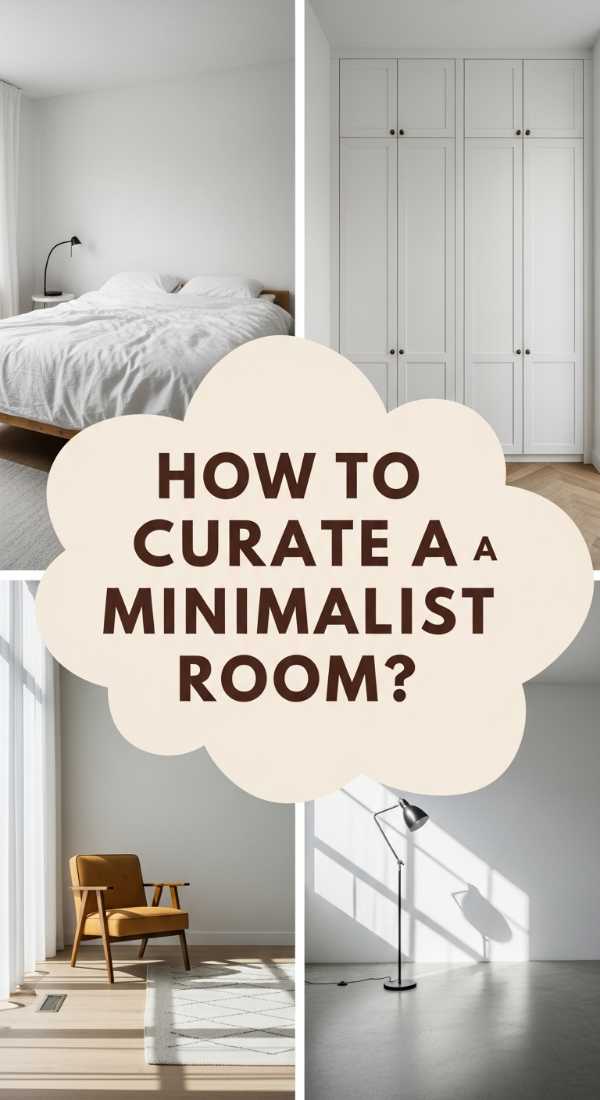
How to Curate a Minimalist Room for Stress Free Living

Why we love this
A cluttered room is a cluttered mind, and we love this curation style because it acts as a daily reset for your mental health. Walking into a room where every item has a dedicated home feels like a weight lifting off your shoulders. The absence of ‘visual noise’—those half-finished projects and random piles—allows you to focus on the present moment. It’s the ultimate form of self-care, creating a physical boundary between the chaos of work and the peace of home.
Essential Elements:
- Opaque storage bins and baskets
- Digital decluttering tools (hidden wire boxes)
- Uniform hangers in closets
- A dedicated ‘drop zone’ for keys and mail
- Calming scents like lavender or bergamot
How to make it
- Perform a ‘functional audit’ of the room: remove anything that hasn’t been used in the last three months to a dedicated storage area or donate it.
- Implement the ‘one-touch rule’: design your space so that items can be put away in a single motion (e.g., hooks instead of hangers for frequently used bags).
- Use uniform containers inside drawers to categorize essentials, ensuring that ‘junk drawers’ are eliminated entirely.
- Create a ‘tech-free’ zone by installing a charging station inside a drawer to keep cords and devices out of sight during relaxation hours.
- Set up a ritual corner with a comfortable chair and a small side table, kept completely clear of electronics, specifically for reading or meditation.
How to Achieve Cozy Minimalist Warmth for Quiet Evenings
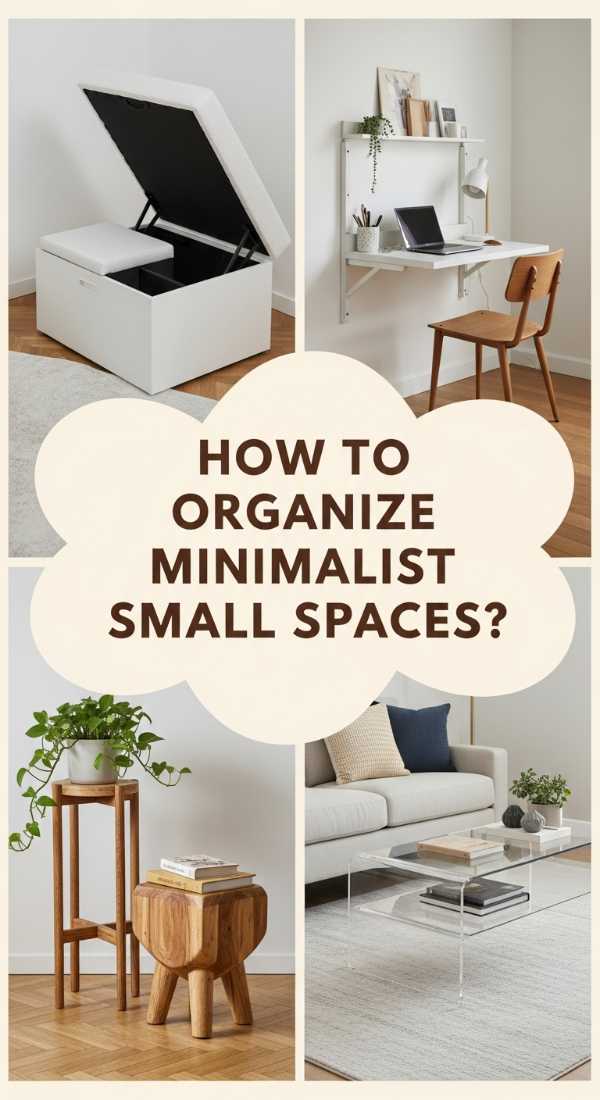
Why we love this
When the sun goes down, the minimalist home transforms into a glowing cocoon. We love this look because it emphasizes ‘mood’ over ‘stuff.’ The flicker of a beeswax candle against a plaster wall and the heavy drape of a chunky knit throw create an atmosphere that feels like a warm hug. It’s the perfect setting for slow conversations, a glass of wine, and the kind of deep rest that only happens when your environment is perfectly tuned to your comfort.
Essential Elements:
- Warm-toned ambient lighting (no overhead lights!)
- Chunky knit or faux fur throws
- Wood-wick candles for a crackling sound
- Soft, floor-length curtains
- Plush velvet floor pillows
How to make it
- Switch off all ‘big lights’ and rely solely on task lighting and accent lamps to create pockets of warmth throughout the room.
- Layer textiles on the seating area; start with a light linen throw and top it with a heavier, textured knit to provide options for different levels of warmth.
- Arrange candles in clusters of three on non-flammable surfaces like stone trays to create a concentrated ‘hearth’ effect.
- Use ‘smart’ dimmers to lower light levels gradually as the evening progresses, mimicking the natural rhythm of the sun.
- Ensure the room’s temperature is slightly cooler while providing plenty of accessible blankets to encourage the ‘snuggle’ factor.
How to Organize Minimalist Living Room Small Spaces for Better Flow
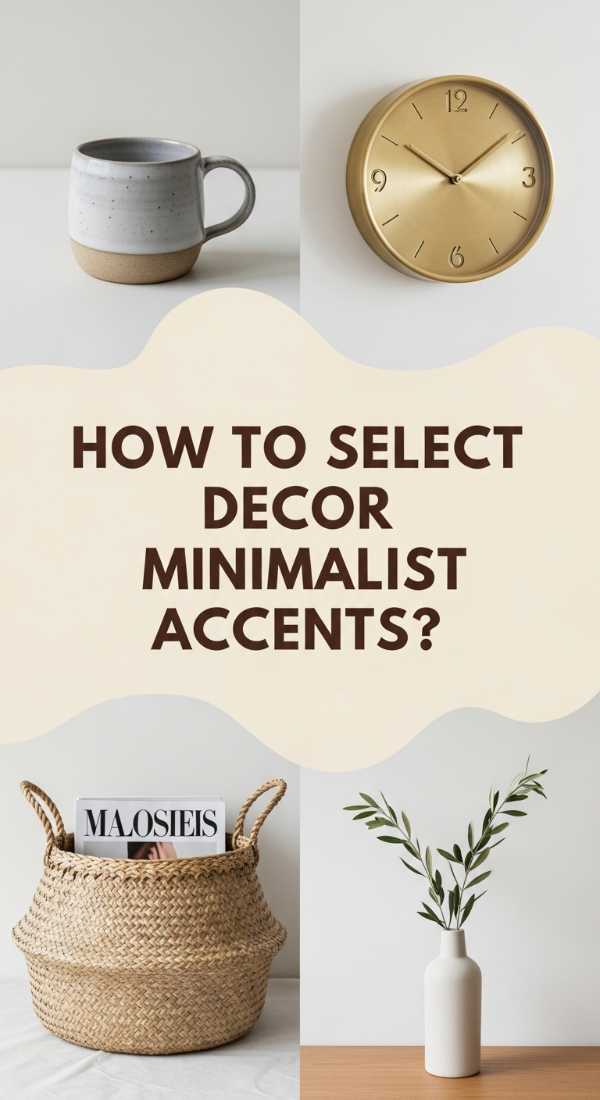
Why we love this
Flow is the invisible ingredient of a great room. We love an organized small space because it feels effortless and intuitive. There’s a certain rhythm to a room where you don’t bump into furniture and every path is clear. It creates a sense of airiness and freedom, even in a compact floor plan. This approach is about choreography—arranging your life so that movement feels like a dance rather than an obstacle course.
Essential Elements:
- Clear acrylic or glass furniture (to maintain sightlines)
- Furniture with rounded edges
- Consistent flooring throughout the space
- Wall-mounted lamps (to save floor space)
- Minimalist room dividers like open shelving
How to make it
- Map out ‘traffic lanes’ by ensuring there are at least 18-24 inches of walking space between any two pieces of furniture.
- Replace bulky coffee tables with a pair of smaller, movable ‘C-tables’ that can be tucked away when not in use.
- Utilize vertical space by installing shelves that reach all the way to the ceiling; this draws the eye up and makes the walls feel taller.
- Group furniture into ‘zones’ (e.g., a reading zone, a social zone) using rugs to define boundaries without the need for physical walls.
- Opt for furniture with a ‘hidden’ footprint, such as chairs that can slide completely under a table, to keep paths clear during high-traffic times.
How to Select Decor Minimalist Accents for a Timeless Home
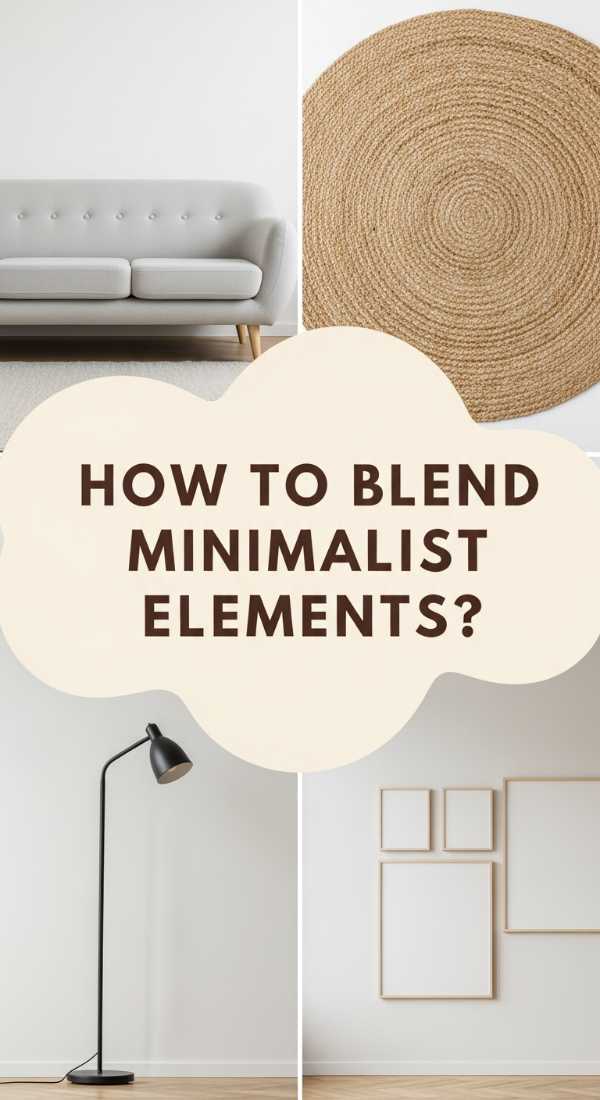
Why we love this
Trends come and go, but a home built on timeless accents is forever. We love this strategy because it’s sustainable and soulful. Choosing a hand-carved stone bowl or a vintage brass candlestick feels like collecting pieces of a story. These accents don’t just fill a space; they provide character. The tactile quality of a cold marble tray or the patina on an old wooden bowl adds a layer of history and ‘soul’ that mass-produced items simply can’t replicate.
Essential Elements:
- Natural stone trays (marble, travertine)
- Handmade ceramics with visible thumbprints
- Dried botanicals like pampas grass or eucalyptus
- Vintage or antique wood accents
- Matte black or brushed metal finishes
How to make it
- Select accents based on the ‘Materiality Test’: if the item were to break, would the material still look beautiful (like stone or wood), or would it look like trash (like plastic)?
- Limit your decorative objects to five per room, ensuring each one has a different texture and scale to create visual interest.
- Focus on ‘functional decor’—items that serve a purpose, like a beautiful ceramic pitcher that doubles as a vase or a wooden board for serving.
- Use a cohesive color story for all accents (e.g., only warm woods and creams) to ensure that pieces can be moved from room to room seamlessly.
- Avoid ‘filler’ decor; if a shelf doesn’t have something meaningful or beautiful to hold, leave it empty to emphasize the beauty of the surrounding items.
How to Blend Living Room Decor Minimalist Elements for Modern Comfort
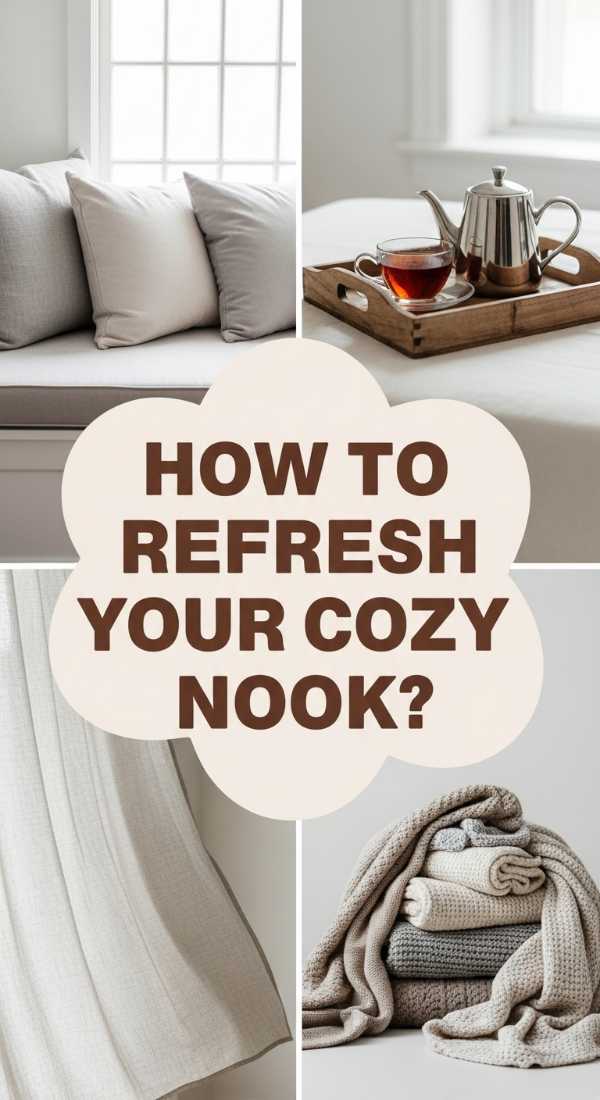
Why we love this
This is where ‘modern’ stops being cold and start being ‘cool.’ We love this blend because it marries the high-tech, sleek efficiency of modern life with the soft, ‘lived-in’ comfort we crave. It’s the feeling of a state-of-the-art sound system hidden behind a beautiful linen screen or a sleek, modern fireplace surrounded by cozy, oversized chairs. It’s the best of both worlds—maximum style with zero compromises on comfort.
Essential Elements:
- Sleek, handle-less cabinetry
- Oversized, deep-seated furniture
- A mix of high-shine and matte surfaces
- Integrated smart home technology
- Neutral, high-performance fabrics
How to make it
- Contrast sharp, modern architectural lines (like a square fireplace) with soft, organic furniture shapes (like a curved sofa) to create visual balance.
- Choose ‘performance’ fabrics like Crypton or solution-dyed acrylics that look like luxury linen but are durable enough for real-life lounging.
- Conceal all wires and technology within custom millwork or cord-management boxes to keep the modern look clean.
- Introduce one ‘industrial’ element, like a concrete side table or a steel lamp, to ground the softer textiles.
- Use a ‘layered’ lighting plan that includes recessed ceiling lights for utility and soft, warm lamps for comfort, ensuring each can be controlled independently.
How to Refresh Your Minimalist Cozy Nook for Restful Sundays
Why we love this
Sundays were made for slow mornings, and a cozy nook is the ultimate destination. We love this refresh because it doesn’t require a full renovation—just a few thoughtful shifts to prioritize rest. The feeling of a sun-drenched corner, a soft sheepskin rug underfoot, and a steaming cup of tea is the height of minimalist luxury. It’s about creating a ‘pause button’ in your home where the only goal is to exist and recharge.
Essential Elements:
- A single, exceptionally comfortable armchair
- A small side table for tea or coffee
- A sheepskin or faux-fur rug
- A basket for current reads
- A floor lamp with a dimmable warm bulb
- Window treatments that allow for total privacy
How to make it
- Clear the corner of any clutter, including stray chargers or unrelated furniture, to isolate the space visually.
- Place a high-quality sheepskin rug over your existing carpet or hardwood to define the ‘nook boundary’ and add instant warmth.
- Position your chair toward a view—whether it’s a window or a favorite piece of art—rather than toward the rest of the room.
- Keep a small tray on the side table to corral essentials like a coaster, a candle, and a pair of reading glasses, maintaining order.
- Add one high-quality, oversized pillow for lumbar support, ensuring it’s in a contrasting texture to the chair’s fabric.
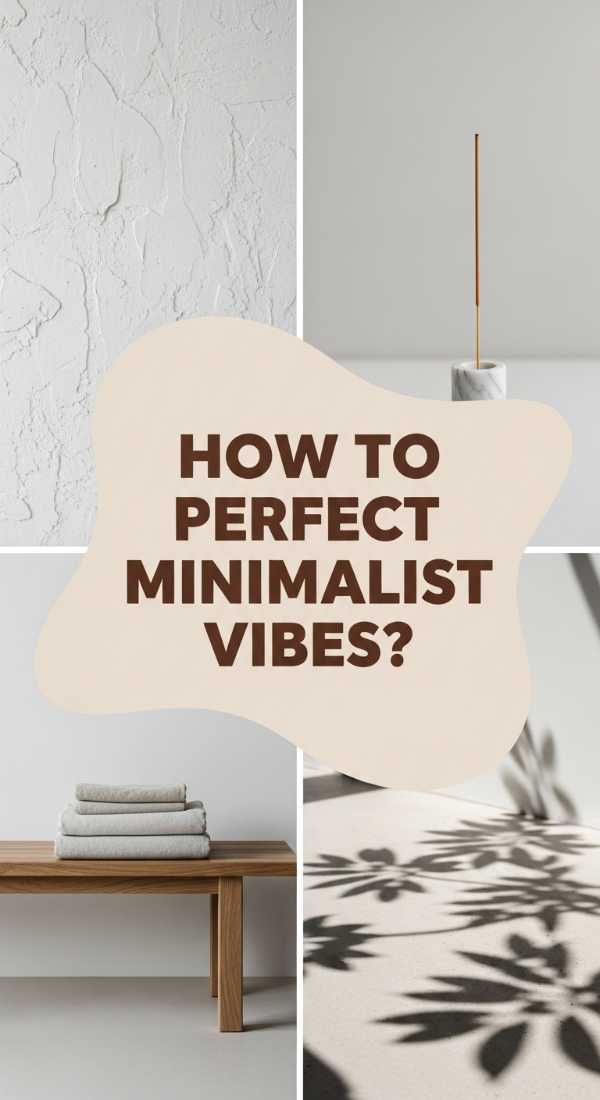
How to Perfect Room Decor Minimalist Vibes for a Peaceful Sanctuary
[IMAGE_10]
Why we love this
The ‘Sanctuary’ is the final boss of home decor. We love this vibe because it feels sacred. It’s the ultimate expression of your personal style, refined down to its purest form. There is a profound silence and beauty in a room where every element—from the scent of the air to the texture of the walls—is aligned to bring you peace. It’s more than just a room; it’s an atmosphere that actively works to lower your cortisol levels the moment you step inside.
Essential Elements:
- A consistent earth-tone palette throughout
- Natural light as the primary ‘decor’
- High-quality, natural materials (linen, stone, wood)
- The absence of any ‘busy’ patterns or loud colors
- A subtle, signature home scent
How to make it
- Apply a lime-wash or Roman clay finish to the walls to create a soft, velvety texture that interacts beautifully with natural light.
- Remove all plastic and synthetic materials from the room, replacing them with glass, metal, wood, or stone.
- Ensure all textiles (bedding, curtains, rugs) are within three shades of each other to create a seamless, ‘enveloping’ color experience.
- Incorporate ‘negative space’ as a design element; treat empty walls as intentional choices rather than ‘gaps’ to be filled.
- Install a sound system or a high-quality white noise machine to mask outside disturbances, completing the sensory immersion of the sanctuary.
Conclusion: Your Simple, Warm Journey Awaits
The art of cozy minimalism isn’t a destination you reach; it’s a way of living that prioritizes your peace of mind over the accumulation of things. By focusing on quality, texture, and light, you transform your home from a mere storage space for objects into a living, breathing sanctuary that nourishes your soul. Start small, breathe deep, and enjoy the beautiful simplicity of your new warm sanctuary.