
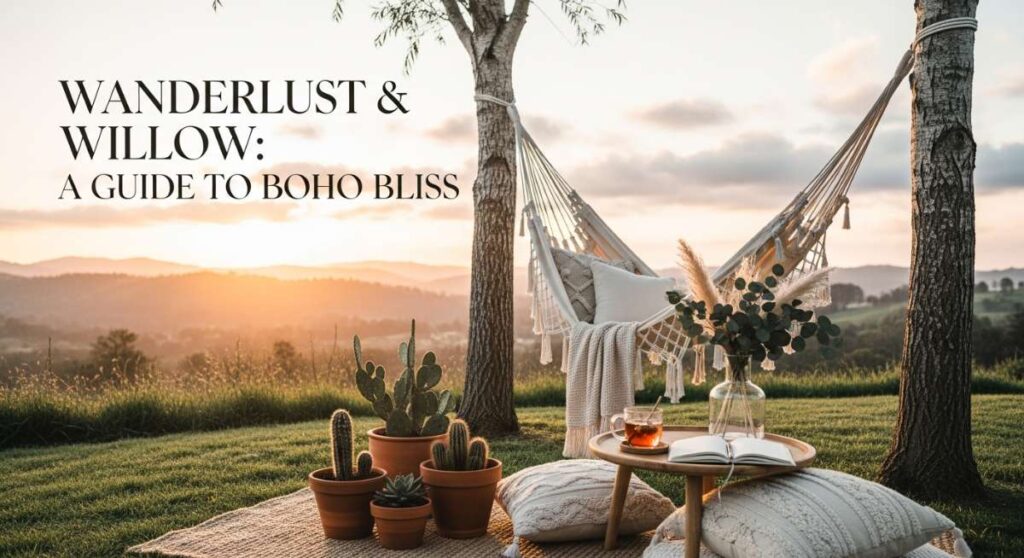
Wanderlust & Willow: A Guide to Boho Bliss
Close your eyes and imagine a space where the air smells faintly of dried lavender and aged sandalwood, where every corner tells a story of a journey taken or a dream dreamt. Bohemian living isn’t just an aesthetic; it’s a soulful rebellion against the sterile and the mass-produced. It’s about creating a sanctuary that breathes with you, draped in textures that invite you to kick off your shoes and stay a while.
For years, I chased the ‘perfect’ home, only to realize that perfection is the enemy of coziness. The true magic happens in the lived-in layers—the fringed throws, the sun-drenched plants, and the mismatched treasures that somehow sing in harmony. Join me as we explore how to infuse your home with that effortless, wanderlust-inspired magic that makes every day feel like a slow Sunday afternoon in a sunlit loft.
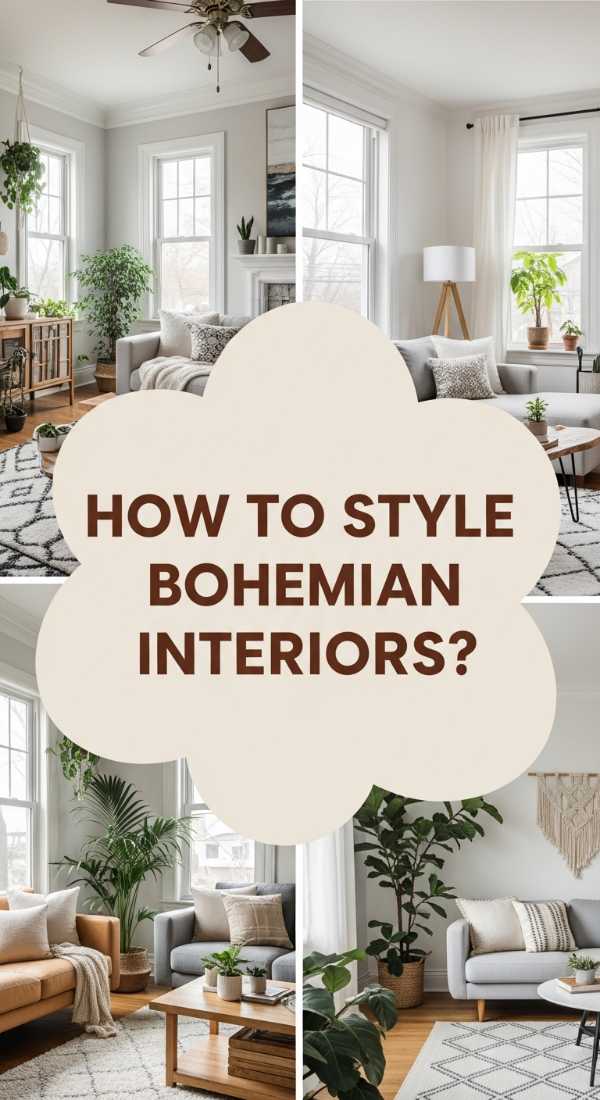
How to Curate a Bohemian Interior for Pure Serenity
Why we love this
There is a profound sense of peace that comes from an environment that honors nature and imperfection. Walking into a curated boho room feels like a warm embrace; you can almost feel the softness of the woven fibers against your skin and hear the gentle rustle of indoor palms catching a stray breeze. It’s a sensory feast where the earthy aroma of terracotta meets the visual calm of cream linens, creating a grounded atmosphere that instantly lowers your heart rate and invites deep, soulful breaths.
Essential Elements:
- Natural wood furniture
- A collection of diverse indoor plants
- Layers of soft, woven textiles
- Soft, ambient lighting sources
- Meaningful vintage or handmade treasures
How to make it
- Begin by stripping the room back to its essentials to visualize the ‘canvas.’ Focus on a neutral base palette of whites, creams, or soft sages.
- Introduce your large anchor pieces first, such as a reclaimed wood coffee table or a low-profile linen sofa. Ensure the wood has a visible grain to maintain that organic, raw feeling.
- Layer in the ‘living’ elements. Place larger floor plants like a Fiddle Leaf Fig in corners to soften sharp architectural lines, and use hanging macramé planters to draw the eye upward.
- Integrate lighting at three different heights. Avoid harsh overhead LEDs; instead, use warm-toned floor lamps (2700K bulbs), string lights, and beeswax candles to create a golden, flickering glow that mimics sunset.
- Finalize the space with ‘soul items.’ This is the ‘seasoning’ phase—add a stack of well-loved books, a bowl of crystals, or a ceramic tray from your last road trip. The goal is a balanced ‘cluttered-minimalism’ where every item feels intentional.
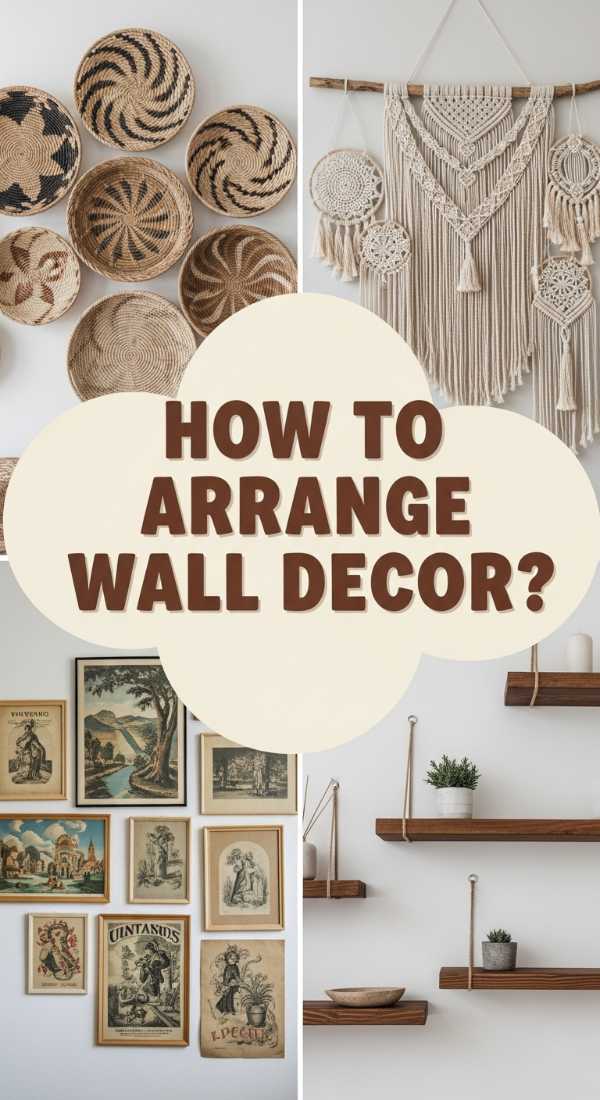
How to Arrange Bohemian Wall Decor for Artistic Expression
Why we love this
Bohemian wall decor is the heartbeat of a room’s personality, turning a flat surface into a multidimensional storybook. We love the tactile contrast between a rugged, hand-knotted macramé hanging and the smooth, reflective surface of a framed botanical print. There’s a rhythmic beauty in how shadows play against textured baskets, creating an ever-shifting mural of light and dark that evolves as the sun moves across the sky, making the room feel alive and deeply personal.
Essential Elements:
- Woven seagrass baskets in varying sizes
- Handmade macramé wall hangings
- Framed vintage maps or botanical illustrations
- Floating wooden shelves
- Dried flower bundles
How to make it
- Layout your arrangement on the floor first. This is the ‘prep’ stage where you balance visual weight; place heavier, darker items at the bottom and lighter, airier pieces toward the top.
- Identify your focal point—usually the largest item, like a central macramé piece. Secure this at eye level (roughly 57 to 60 inches from the floor) using a sturdy wall anchor to support the weight of the fibers.
- Work outward in a spiral fashion. Add woven baskets around the center, overlapping edges slightly for a 3D effect. Use small finishing nails that are hidden within the weave of the baskets.
- Incorporate ‘breathable’ space. Don’t cover every inch; allow the wall color to peek through to prevent the arrangement from feeling heavy or overwhelming.
- Check the ‘visual temperature’ of the display. If it feels too cool, add a small wooden shelf with a trailing ‘String of Pearls’ plant to introduce warmth and organic movement.
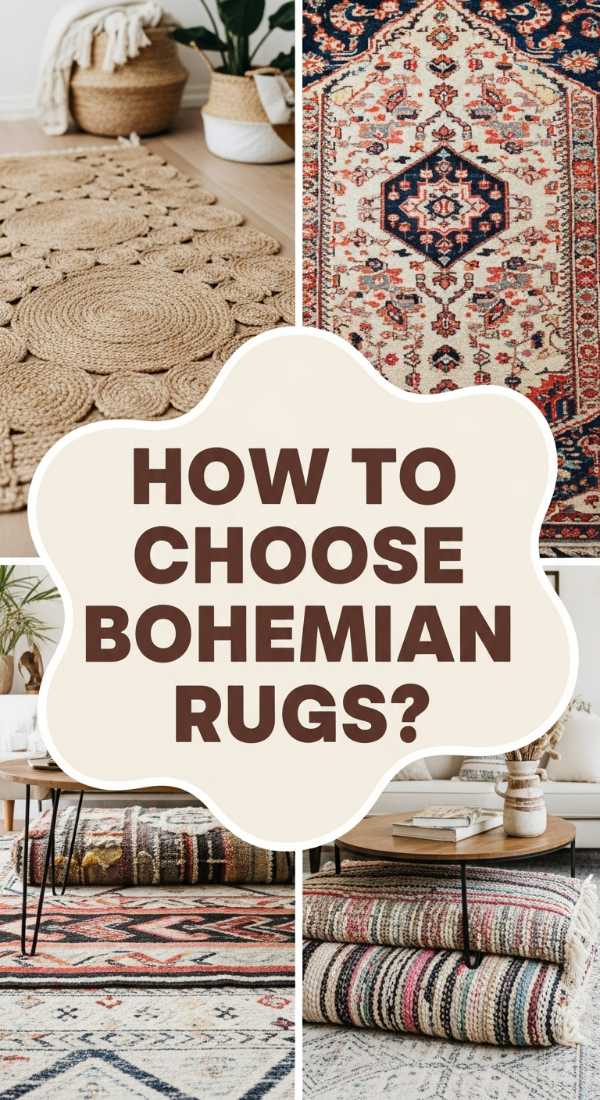
How to Choose a Bohemian Rug for Instant Room Warmth
Why we love this
A rug is the foundation of the boho spirit, acting as the ‘soul’ of the floor. We are obsessed with the underfoot sensation of high-pile Moroccan wool or the sturdy, grounding texture of natural jute. It provides a visual ‘hug’ to the furniture, tying disparate pieces together into a cohesive island of comfort. The rich, faded hues of a distressed Persian rug add a sense of history and gravitas, making even a brand-new apartment feel like it has decades of stories hidden within its fibers.
Essential Elements:
- A base rug of natural jute or sisal
- A smaller, colorful patterned overlay rug (kilim or Persian)
- Non-slip rug pads
- Fringed or tasseled edges
- Natural, vegetable-dyed fibers
How to make it
- Measure your seating area. A common mistake is buying a rug too small; ensure at least the front legs of all furniture pieces sit comfortably on the rug to create a unified ‘zone.’
- Lay down a large, neutral jute rug as your base layer. This provides the ‘crust’ of your floor design—durable, textured, and earthy. Smooth out any ripples to ensure a flat, safe surface.
- Place a smaller, more vibrant rug—like a vintage Turkish Oushak—diagonally or centered over the base rug. This ‘layering’ technique adds depth and mimics the eclectic styling found in world-traveler homes.
- Secure the layers with high-quality rug tape at the corners. This prevents ‘creeping’ and tripping hazards as people move through the space.
- Gently fluff the fringe by hand. Avoid using a heavy vacuum on the tassels; instead, shake them out to maintain that slightly tousled, effortless bohemian look.
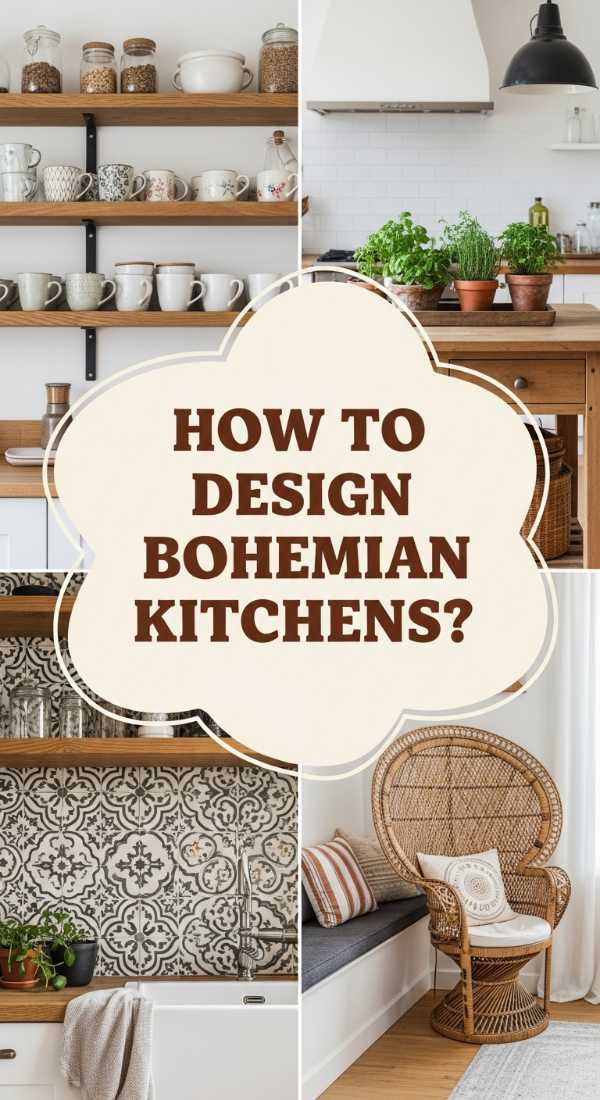
How to Design a Bohemian Kitchen for Cozy Morning Bliss
Why we love this
The kitchen is the heart of the home, and in a boho house, it’s a place of ritual and warmth rather than just utility. Imagine the steam rising from a ceramic mug, the sunlight glinting off copper pots, and the earthy scent of fresh herbs growing on the windowsill. We love this style because it replaces cold, clinical stainless steel with the warmth of open wood shelving and hand-painted tiles, making the act of brewing morning coffee feel like a sacred, meditative start to the day.
Essential Elements:
- Open wooden shelving
- Mismatched ceramic mugs and plates
- Copper or brass hardware
- Potted culinary herbs (basil, rosemary, thyme)
- Woven runner rug
How to make it
- Remove a few upper cabinet doors to create ‘open shelving.’ Sand the edges and apply a matte walnut stain to give the wood a rustic, ‘found’ appearance.
- Arrange your most beautiful functional items on these shelves. Group items by material rather than size—put all your ceramics together to create a ‘tasting room’ vibe.
- Introduce ‘living’ greenery. Place pots of mint or ivy on the highest shelves so they can trail down, softening the hard edges of the countertops and appliances.
- Swap out standard chrome hardware for unlacquered brass or hammered copper pulls. The ‘patina’ that develops over time adds that essential aged, bohemian character.
- Add a vintage-style runner in front of the sink. Choose a low-pile washable material to handle the occasional splash while providing soft support for your feet during meal prep.
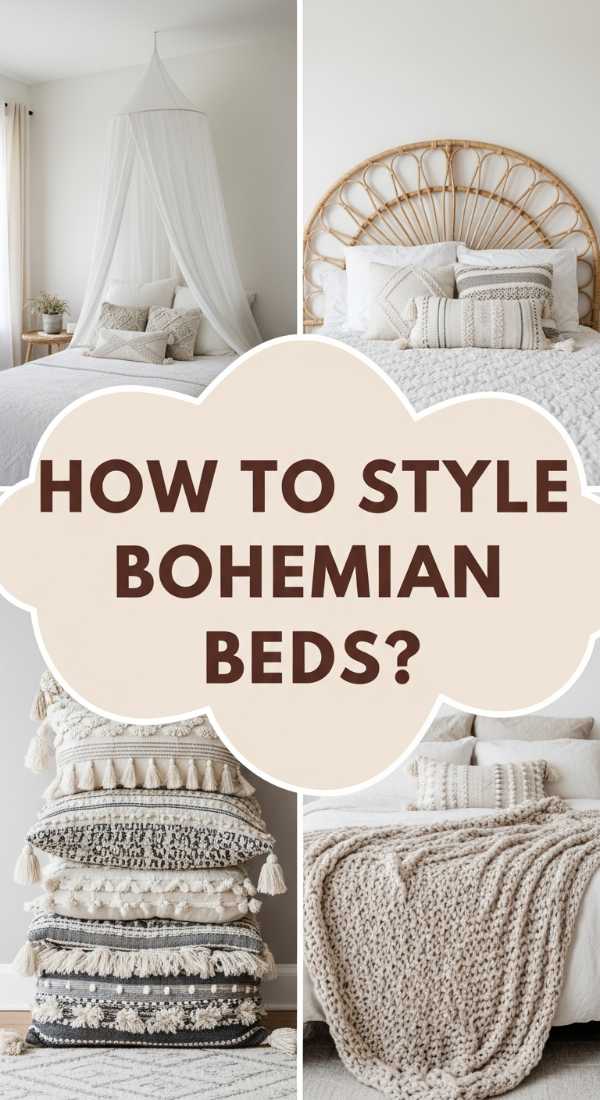
How to Style a Bohemian Bed for the Ultimate Sleep Sanctuary
Why we love this
There is nothing more restorative than sinking into a bed that looks like a soft, fluffy cloud. The bohemian bed is a masterclass in texture—the cool crispness of linen mixed with the heavy, reassuring weight of a chunky knit throw. It’s a sensory retreat where the colors are muted and the fabrics are breathable, creating a micro-climate of pure relaxation. The sight of a perfectly rumpled, layered bed at the end of a long day acts as a visual signal to the brain that it is finally time to let go and dream.
Essential Elements:
- Linen or 100% cotton duvet cover
- At least 4-6 oversized pillows
- A chunky knit or tasseled throw blanket
- A wooden or rattan headboard
- Warm, dimmable bedside lighting
How to make it
- Start with a high-quality fitted sheet in a breathable natural fiber. Avoid synthetics which can ‘overheat’ the sleeping experience.
- Layer on a duvet cover one size larger than your bed (e.g., a King duvet on a Queen bed). This creates that ‘overstuffed’ luxurious look where the fabric drapes elegantly toward the floor.
- Prop up two large European shams against the headboard, followed by standard pillows, and finally, two smaller accent pillows with varied textures like velvet or mudcloth.
- The ‘Fold and Drape’: Fold the top third of the duvet back to reveal the sheets, then toss a textured throw blanket across the bottom corner in an asymmetrical, ‘undone’ fashion.
- Mist the linens with a light spray of lavender and cedar water. This final ‘aromatic’ step seals the sanctuary vibe, preparing your senses for deep rest.
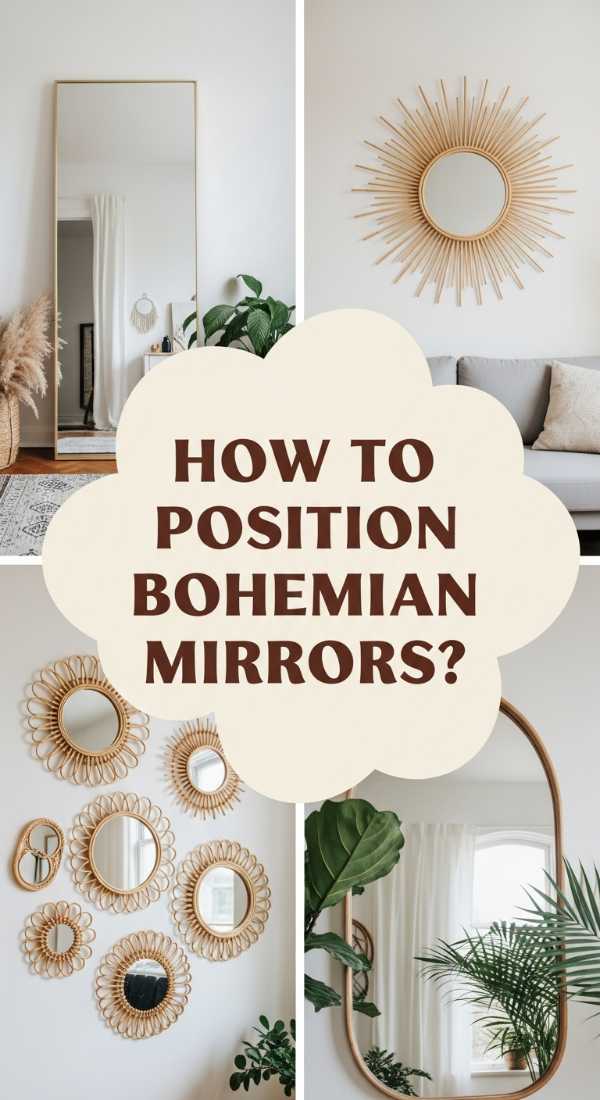
How to Position a Bohemian Mirror for Maximum Natural Light
Why we love this
Mirrors in a bohemian home are more than just reflective surfaces; they are ‘windows’ that capture and amplify the soul of the room. We love the way a sunburst rattan mirror catches the morning light, bouncing golden rays into the darker corners and making the whole space feel more expansive and airy. There’s something ethereal about seeing the reflection of your favorite houseplants in a vintage-framed mirror, effectively doubling the greenery and the life within your sanctuary.
Essential Elements:
- Large floor-length mirror with a carved wood frame
- Small decorative rattan or ‘eye’ mirrors
- Windex or natural vinegar cleaner
- Soft microfiber cloth
- Positioning hooks or a sturdy easel
How to make it
- Identify the ‘light source’ in your room. This is usually the largest window. Your goal is to ‘harvest’ this light.
- Place a large floor mirror directly opposite or at a 45-degree angle to the window. This ‘bounce’ technique effectively doubles the natural light intensity in the room during peak hours.
- For smaller wall mirrors, group them in a ‘constellation’ pattern. Place the largest one at the center and surround it with smaller, sunburst-style mirrors to create a focal point that glitters like a piece of jewelry.
- Check the ‘reflection’ angle. Ensure the mirror isn’t reflecting a cluttered corner or a TV screen; instead, angle it to capture a view of a plant, a piece of art, or the sky outside.
- Keep the glass ‘invisible.’ Clean the surface using a mixture of white vinegar and water to ensure a streak-free shine that allows the reflection to look as clear and vibrant as the real thing.
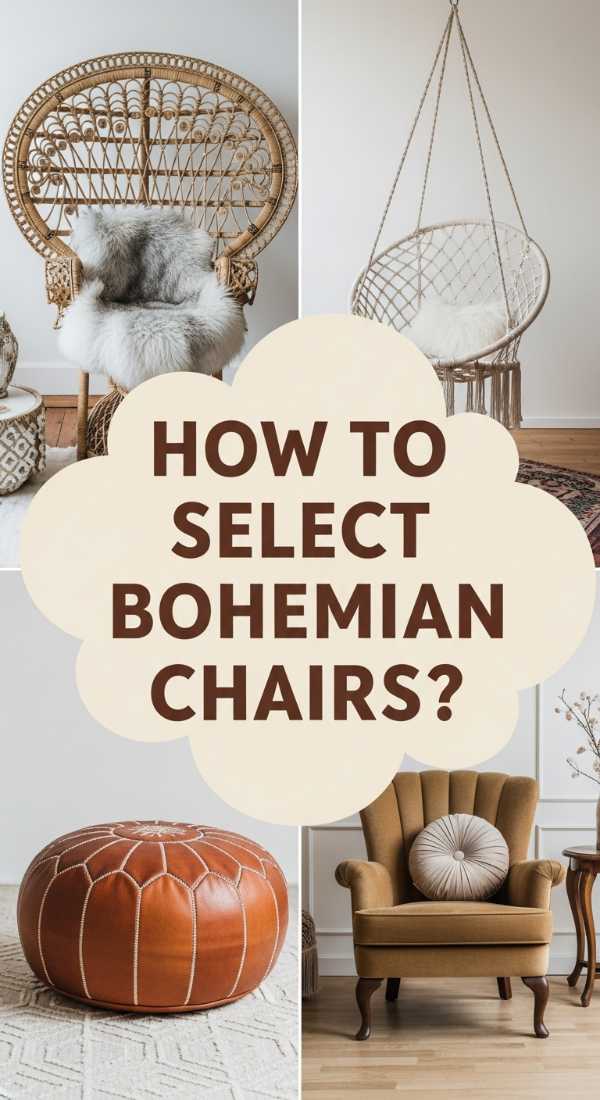
How to Select a Bohemian Chair for a Relaxing Reading Nook
Why we love this
The perfect boho chair is an invitation to slow down and lose yourself in a book. Whether it’s a high-backed peacock chair that makes you feel like royalty or a soft, leather butterfly chair that contours to your body, these pieces are about ergonomics meeting artistry. We love the contrast of cold, architectural lines of a chair frame paired with the warmth of a sheepskin rug draped over the seat, creating a cozy ‘nest’ that feels entirely separate from the rest of the world.
Essential Elements:
- A statement chair (Rattan, Peacock, or Mid-century leather)
- A sheepskin or faux-fur rug
- A small side table for tea/books
- A floor lamp with a warm bulb
- A lumbar pillow for support
How to make it
- Choose a corner with ‘low traffic’ to ensure your reading nook remains a quiet zone. Ideally, this should be near a window for natural reading light.
- Position the chair at an angle toward the center of the room to keep the space feeling open, but use a small area rug underneath the chair to ‘ground’ the nook as its own separate island.
- Drape a sheepskin rug over the back of the chair. This provides immediate visual and physical ‘softness,’ mitigating the hardness of rattan or wood materials.
- Add a lumbar pillow in a contrasting texture, like a chunky wool weave. This isn’t just for style—it provides the ‘structural’ support needed for long hours of reading.
- Place a small, stool-style side table within arm’s reach. ‘Season’ the table with a ceramic coaster and a small candle to complete the sensory experience of your new favorite retreat.
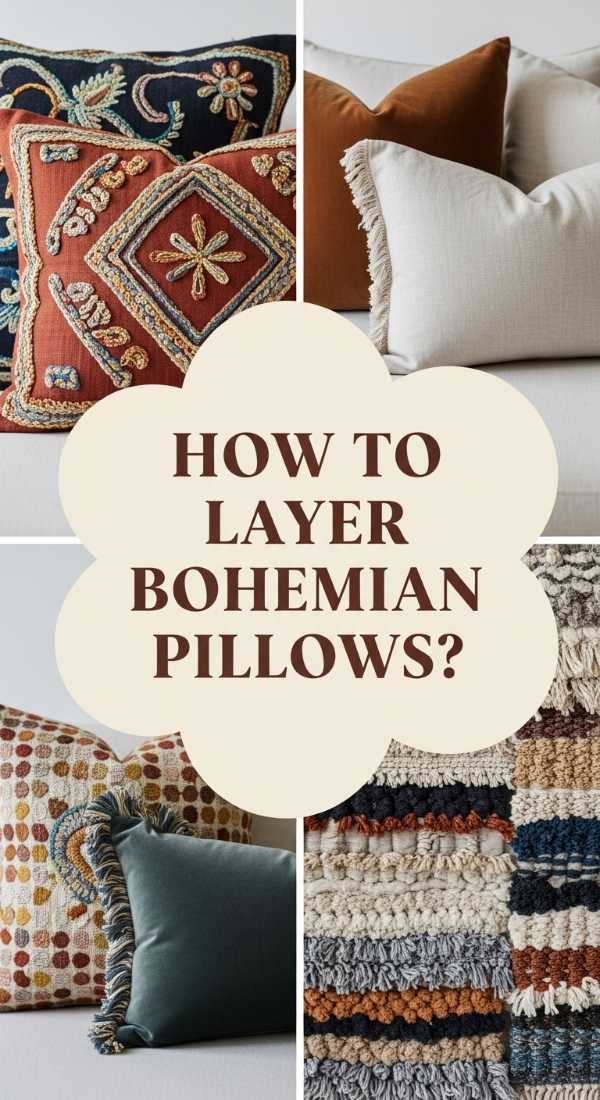
How to Layer Bohemian Pillows for a Comfortable Sofa Upgrade
Why we love this
Pillows are the ‘confetti’ of interior design—they add the color, the fun, and the ultimate comfort factor. We love the ‘more is more’ philosophy when it comes to boho pillows; mixing tassels, fringe, pom-poms, and tribal prints creates a lush, decadent landscape on an otherwise simple sofa. There is a deep, tactile satisfaction in sinking into a pile of varied fabrics, from the coolness of cotton to the richness of velvet, making your living room the ultimate destination for movie nights and long conversations.
Essential Elements:
- A variety of pillow inserts (down or high-quality faux down)
- Covers in different textures (linen, velvet, wool)
- Different sizes (20×20, 18×18, and lumbar)
- Eclectic patterns (kilim, mudcloth, indigo)
- Tassels or fringe details
How to make it
- Start with your largest ‘anchor’ pillows at the ends of the sofa. These should be 20×20 inches and usually in a more solid or subtle pattern to provide a backdrop.
- Work your way inward with medium-sized pillows (18×18). Mix your textures here—pair a smooth velvet cover next to a rough, hand-woven kilim cover to create ‘visual friction.’
- Apply the ‘Rule of Three.’ Group pillows in odd numbers (3 or 5) as this is more pleasing to the human eye and feels more ‘accidental’ and bohemian than symmetrical pairs.
- Place a single, long lumbar pillow in the center of the sofa. This acts as the ‘bridge’ that ties the two end-groups together.
- The ‘Karate Chop’: Give each pillow a firm chop down the center of the top edge. This creates a ‘lived-in’ but stylish crease that prevents the pillows from looking too stiff or ‘staged.’
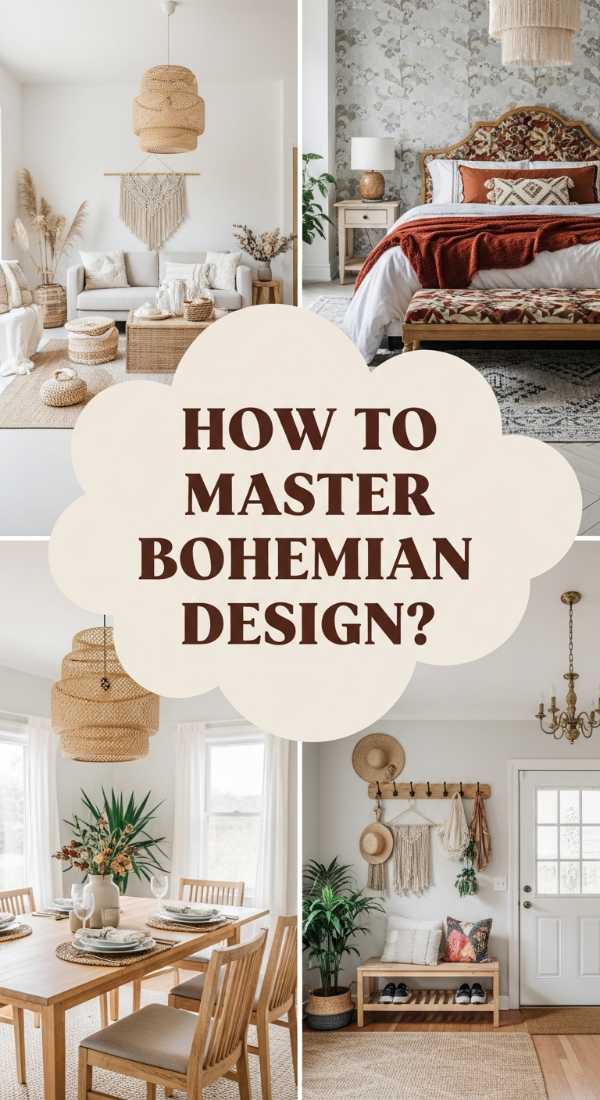
How to Master Bohemian Interior Design for a Sophisticated Home
Why we love this
Sophisticated boho is where the free spirit meets the curator. It’s a refined take on the lifestyle that swaps ‘clutter’ for ‘composition.’ We love this approach because it feels grown-up and intentional, using a tighter color palette—think sands, terracottas, and charcoal—while keeping the soulful textures of the bohemian world. It’s the feeling of a high-end gallery in a coastal town; it’s airy, expensive-feeling, yet completely approachable and comfortable, proving that you don’t have to choose between elegance and coziness.
Essential Elements:
- Monochromatic or tonal color palette
- High-quality natural materials (marble, solid oak, brass)
- Large-scale original art
- Architectural plants (like an Olive Tree)
- Minimalist furniture with clean lines
How to make it
- Select a ‘tight’ palette of three main colors. For a ‘high-heat’ sophisticated look, use varying shades of warm taupe and burnt orange balanced by crisp white.
- Invest in ‘hero’ furniture. Instead of many small pieces, choose one high-quality, mid-century modern sofa or a large, artisanal dining table. This ‘anchors’ the room in sophistication.
- Limit the patterns. Instead of mixing five different prints, choose one ‘hero’ pattern (like a large-scale Turkish rug) and keep the rest of the textiles in solid, highly textured fabrics.
- Use ‘negative space’ intentionally. Leave one wall mostly bare except for a single piece of large-scale art. This ‘visual silence’ allows the bohemian elements to stand out more effectively.
- Incorporate ‘noble’ materials. Add a marble tray or a solid brass bowl. The weight and ‘coldness’ of these materials provide a beautiful counterpoint to the ‘warmth’ of the boho textiles.
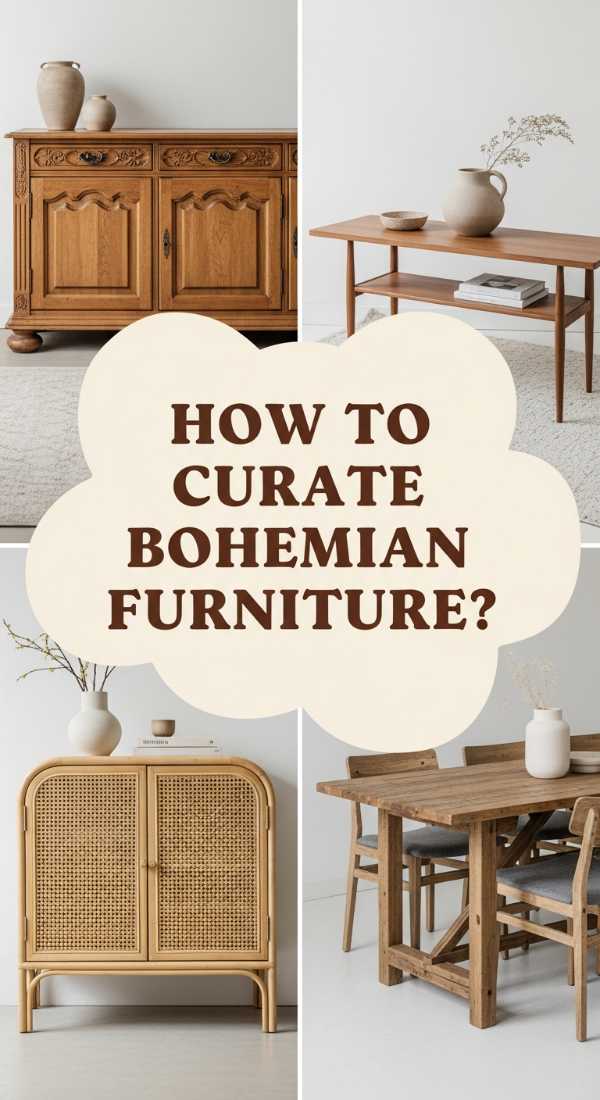
How to Curate Bohemian Furniture for a Timeless Living Space
Why we love this
Timeless bohemian furniture is about choosing pieces that feel like they have a soul and a story. We love the juxtaposition of a sleek, 1960s-inspired leather armchair sitting next to a hand-carved Indian side table. It’s a style that transcends trends because it relies on craftsmanship and natural beauty. These pieces ‘age’ with you—the leather gets softer and more wrinkled, the wood develops a deeper glow—making your living space a living, breathing history of your personal taste and global travels.
Essential Elements:
- Mid-century modern silhouettes
- Hand-carved wood details
- Natural leather or high-quality canvas
- Vintage or antique ‘statement’ pieces
- Woven rattan or cane elements
How to make it
- Look for furniture with ‘legs.’ Elevated furniture (as opposed to pieces that sit flat on the floor) creates a sense of ‘air’ and flow, which is essential for the breezy boho vibe.
- Mix your ‘eras.’ Pair a modern, clean-lined sofa with a vintage, carved wood coffee table. This ‘time-traveling’ approach is the secret to a space that never feels dated.
- Focus on the ‘patina.’ Choose materials that get better with age. Avoid ‘plastic-y’ finishes; instead, opt for oil-rubbed woods and top-grain leathers that will ‘cook’ and develop character over the years.
- Integrate ‘woven’ furniture. A cane-back chair or a rattan sideboard adds a layer of intricate detail without the ‘weight’ of solid wood, keeping the room feeling light and summery.
- Prioritize comfort ‘prep.’ Before finalizing a piece, test the ‘sink-in’ factor. A boho home is a functional sanctuary, so ensure every chair and sofa is as comfortable as it is beautiful.
Conclusion: Embracing the Bohemian Spirit
Creating a bohemian home is a journey, not a destination. It’s about listening to your intuition, collecting things that make your heart skip a beat, and never being afraid to mix the old with the new. Your home is a reflection of your wild, wonderful life—so let it be messy, let it be layered, and above all, let it be you. Now, go forth, light some incense, and start building your own slice of boho bliss!