
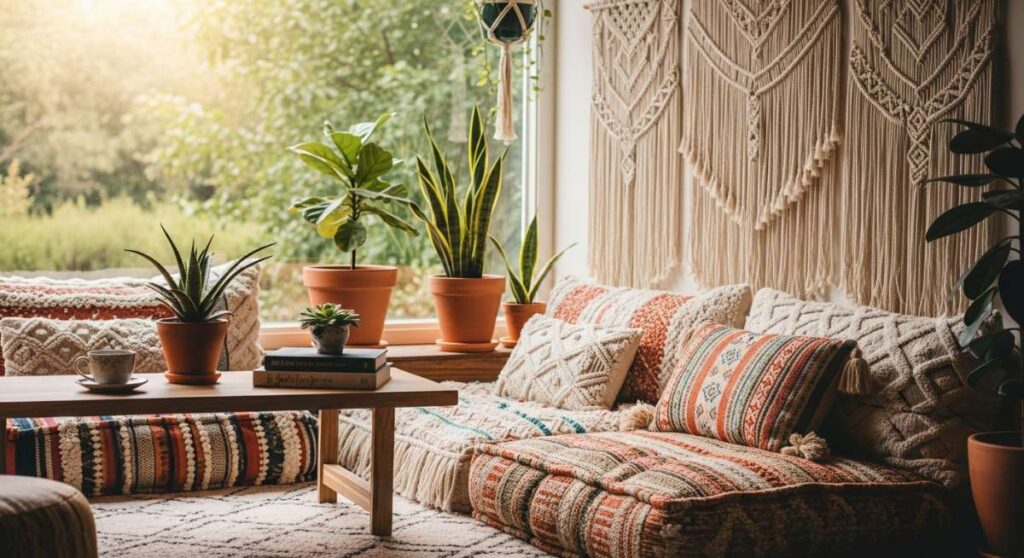
Wanderlust at Home: Creating Your Ultimate Bohemian Sanctuary
Have you ever returned from a breathtaking trip, perhaps from the colorful markets of Marrakech or the serene beaches of Bali, only to feel a sudden pang of sadness the moment you stepped back into your own home? I know that feeling all too well. It’s that realization that our living spaces often lack the soul, the stories, and the vibrant energy of the places that make us feel most alive. We spend so much time dreaming of elsewhere, but what if we could bottle up that sense of wonder and pour it into every corner of our daily lives?
Creating a bohemian sanctuary isn’t just about buying a few macramé hangers or a cactus; it’s about a mindset of freedom, comfort, and curated chaos. It is about building a home that reflects your journey, filled with textures that demand to be touched and colors that spark a memory of a sunset half a world away. It’s time to stop waiting for your next vacation to feel inspired and start turning your home into the destination of your dreams.
How to Style a Dreamy Sanctuary for Restful Sleep
Why we love this
There is something profoundly magical about a bedroom that feels like a cocoon of soft light and whispering fabrics. We love this approach because it prioritizes the sensory experience of rest, turning sleep into a ritual rather than a necessity. Imagine sinking into layers of stonewashed linen while the faint scent of dried lavender drifts from your nightstand and the soft glow of amber fairy lights creates shadows that dance across your ceiling. It’s a grounded, earthy atmosphere that helps the mind settle after a day of digital noise, making every morning feel like waking up in a boutique retreat.
Essential Elements:
- High-quality linen or organic cotton bedding in earthy tones
- Low-profile wooden or upholstered bed frame
- Dimmable amber lighting or salt lamps
- Potted floor plants like a Monstera or Fiddle Leaf Fig
- A weighted throw blanket in a chunky knit
- Sheer, breezy floor-to-ceiling curtains
How to make it
- Start by clearing the visual clutter; remove any electronics or work-related items to reset the energy of the room.
- Layer your bed starting with a breathable fitted sheet, followed by a top sheet (if you prefer) and a linen duvet cover in a muted clay or forest green.
- Apply the ‘pillow stacking’ technique: place two large sleeping pillows against the headboard, followed by two square European shams for height, and finish with a lumbar pillow in a contrasting texture like velvet or mudcloth.
- Install sheer linen curtains high above the window frame to draw the eye upward and maximize the natural light during the day while maintaining privacy.
- Position a large-leafed plant in the corner furthest from the door to create a ‘living’ focal point that purifies the air.
- Finalize the ambiance by replacing standard cool-white bulbs with warm-toned (2700K) smart bulbs that can be dimmed to 20% brightness thirty minutes before you intend to sleep.
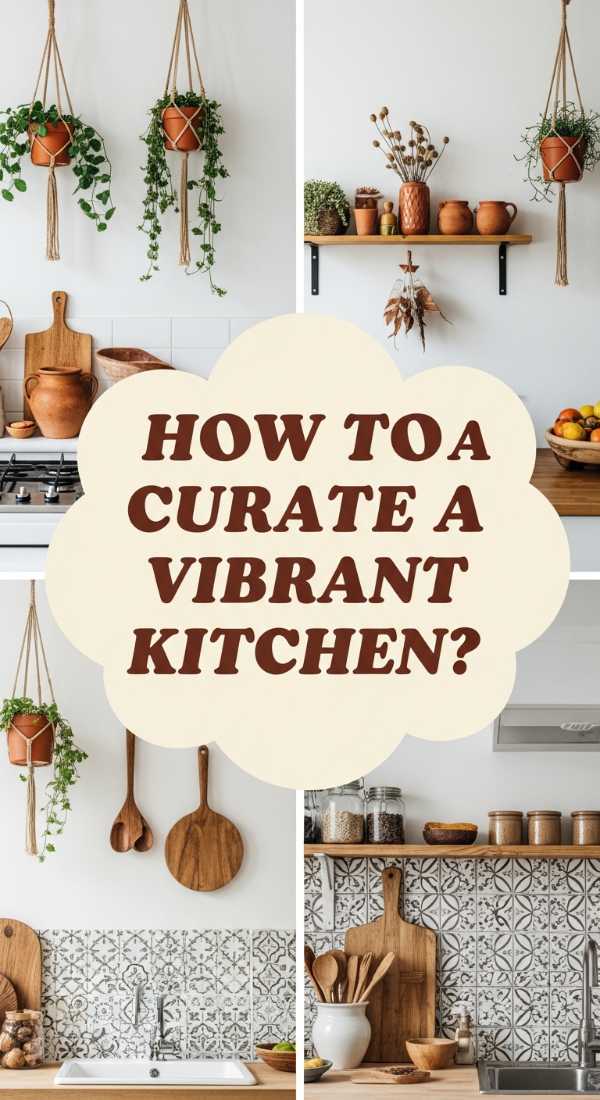
How to Curate a Vibrant Culinary Space for Joyful Cooking

Why we love this
A bohemian kitchen is the heart of the home, a place where spices are on display like art and the act of chopping vegetables feels like a creative expression. We love this space because it moves away from the cold, sterile look of modern kitchens and embraces the warmth of a busy, living environment. The aroma of fresh basil on the windowsill, the clink of ceramic mugs, and the visual feast of open shelving filled with mismatched treasures make cooking feel less like a chore and more like a celebration of life’s simple pleasures.
Essential Elements:
- Open wooden shelving for easy access and display
- Handcrafted ceramic bowls and plates
- Glass jars filled with grains, nuts, and vibrant spices
- Fresh herb garden on the windowsill
- A vintage runner rug with a bold pattern
- Hanging copper pots or cast iron pans
How to make it
- Begin by removing cabinet doors from a select upper section to create DIY open shelving, ensuring you patch and paint the hinge holes for a professional finish.
- Organize your dry goods into clear glass canisters of varying heights; use a label maker or hand-write tags for a charming, artisanal touch.
- Group your most-used items—like olive oil, sea salt, and wooden spoons—on a marble or wooden tray next to the stove for functional aesthetic grouping.
- Set up a dedicated herb station: choose a sunny spot, use terracotta pots for drainage, and plant hardy varieties like rosemary, thyme, and mint.
- Introduce a vintage-inspired washable rug in front of the sink area to provide cushion for your feet and a pop of color against the floor.
- Ensure your lighting is layered by adding a small battery-operated lamp on the counter to provide a warm ‘glow’ during evening meal prep.
How to Design a Sun-Drenched Lounge for Perfect Relaxation

Why we love this
The perfect lounge is one that invites you to lose track of time, where the boundaries between the indoors and the outdoors feel beautifully blurred. We love this design because it maximizes the healing power of natural sunlight and encourages a slower pace of life. Imagine lounging on a low sofa, book in hand, as the sun warms the soles of your feet and the gentle rustle of a ceiling fan keeps the air moving. It’s a space that feels expansive yet intimate, perfect for long conversations with friends or a quiet afternoon nap.
Essential Elements:
- Low-slung sofa or floor cushions
- Large, oversized area rug with a soft pile
- Natural fiber window shades (bamboo or jute)
- A collection of various indoor trees and trailing vines
- Rattan or wicker accent chairs
- Lightweight throw pillows in linen and silk
How to make it
- Identify the area of your home that receives the most afternoon sun and center your lounge furniture around that natural light source.
- Choose a large-scale rug that covers at least 70% of the floor space to ground the room and provide a soft surface for floor-sitting.
- Arrange low-profile seating in a circular or ‘U’ shape to foster a sense of intimacy and face-to-face connection.
- Install bamboo shades that allow ‘dappled’ light to filter through, mimicking the effect of sunlight through trees.
- Incorporate various heights of greenery; place a tall Bird of Paradise in one corner and hang a Pothos from the ceiling to create a vertical jungle effect.
- Layer your seating with mismatched pillows in a consistent color palette (e.g., shades of ochre and cream) to create a plush, inviting nest.
How to Layer Textured Accents for a Grounded Atmosphere
Why we love this
Texture is the secret language of bohemian design; it’s what makes a room feel ‘finished’ and lived-in. We love layering accents because it adds a physical and visual depth that flat surfaces simply can’t provide. There is a deep sense of comfort in the contrast between a rough jute rug and a silky velvet pillow, or the intricate knots of a macramé wall hanging against a smooth plastered wall. These layers act as a sensory grounding mechanism, pulling you into the present moment and making your home feel like a warm, tactile embrace.
Essential Elements:
- Jute or sisal base rugs
- Velvet, wool, and silk cushion covers
- Macramé or woven wall tapestries
- Sheepskin (or faux) throws for chairs
- Baskets made of seagrass or willow
- Hand-loomed textiles from different cultures
How to make it
- Start from the floor up by layering a smaller, patterned wool rug on top of a larger, neutral jute rug to create visual boundaries and softness.
- Apply the ‘Rule of Three’ when choosing textures for a sofa: combine one smooth (velvet), one rough (linen), and one patterned (woven) textile.
- Incorporate vertical texture by hanging a large-scale macramé piece behind a bed or sofa to act as a soft alternative to traditional headboards or art.
- Use woven baskets to store extra blankets or logs; the natural weave adds organic texture while keeping the space organized.
- Drape a sheepskin rug over a hard wooden chair or the end of the bed to introduce a ‘wild’ and cozy element to the room.
- Incorporate metallic accents, like a hammered brass bowl, to reflect light and contrast against the matte, organic textures of the room.
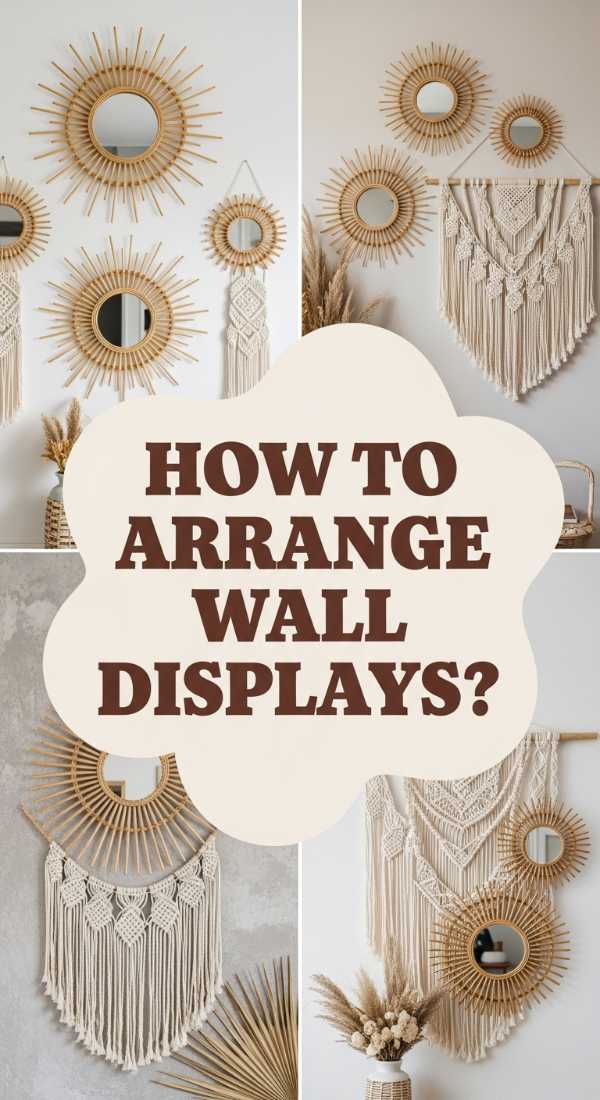
How to Arrange Artistic Wall Displays for Visual Flow
Why we love this
Walls are more than just partitions; they are the canvas for your life’s narrative. We love a well-curated wall display because it allows your home to tell a story without saying a word. Whether it’s a collection of vintage botanical prints, mirrors that catch the morning light, or woven plates from a far-off market, these displays guide the eye around the room in a rhythmic flow. It creates a sense of personality and movement, turning empty corridors and quiet corners into galleries of inspiration that reflect your unique travels and tastes.
Essential Elements:
- Mix of framed prints, photographs, and mirrors
- Woven wall baskets or plates
- Floating wooden shelves for 3D objects
- Antique brass or wooden frames
- Command strips or specialized wall hooks
- A consistent color story or theme
How to make it
- Collect all the items you wish to display and lay them out on the floor first to experiment with the arrangement without damaging the walls.
- Start with your largest ‘anchor’ piece (like a large mirror or a prominent painting) and place it slightly off-center to create a dynamic, non-symmetrical look.
- Maintain a consistent distance of 2 to 3 inches between each item to ensure the display feels like a single cohesive unit rather than scattered pieces.
- Integrate non-flat items like a hanging air plant or a small mask to add three-dimensional depth to the gallery.
- Use a level and a measuring tape to ensure your horizontal lines are straight, even if the overall shape of the gallery is irregular.
- Secure everything using the appropriate anchors for your wall type (drywall vs. brick) to ensure heavy frames or mirrors are safe and steady.
How to Incorporate Natural Wood Elements for Organic Warmth
Why we love this
Nothing brings a room to life like the raw, unrefined beauty of natural wood. We love this element because it introduces a sense of history and organic warmth that factory-made materials simply cannot replicate. The grain of a reclaimed wood table, the smooth curve of a driftwood branch, or the sturdy presence of a cedar trunk brings a piece of the forest indoors. It grounds the bohemian aesthetic, providing a sturdy, ‘real’ foundation that balances out the softer fabrics and vibrant colors of the rest of the decor.
Essential Elements:
- Reclaimed wood coffee tables or side tables
- Driftwood accents or large branches
- Solid wood shelving with live edges
- Teak or acacia wood stools
- Wooden bowls and serving trays
- Unfinished wooden picture frames
How to make it
- Source a ‘hero’ piece of furniture made of solid wood, preferably with a visible grain and natural imperfections that showcase its history.
- Clean and seal raw wood elements using a matte finish wax or oil; this protects the wood while maintaining its natural, non-shiny appearance.
- Incorporate a live-edge shelf in a small nook to act as a display for books or crystals, ensuring the brackets are anchored into wall studs.
- Place a large piece of found driftwood on a mantle or a long console table to serve as a sculptural centerpiece.
- Mix different wood tones (e.g., light oak with dark walnut) to avoid a ‘matching set’ look, which keeps the space feeling curated and soulful.
- Use wooden coasters or small teak bowls on various surfaces to distribute the organic warmth throughout the entire room.
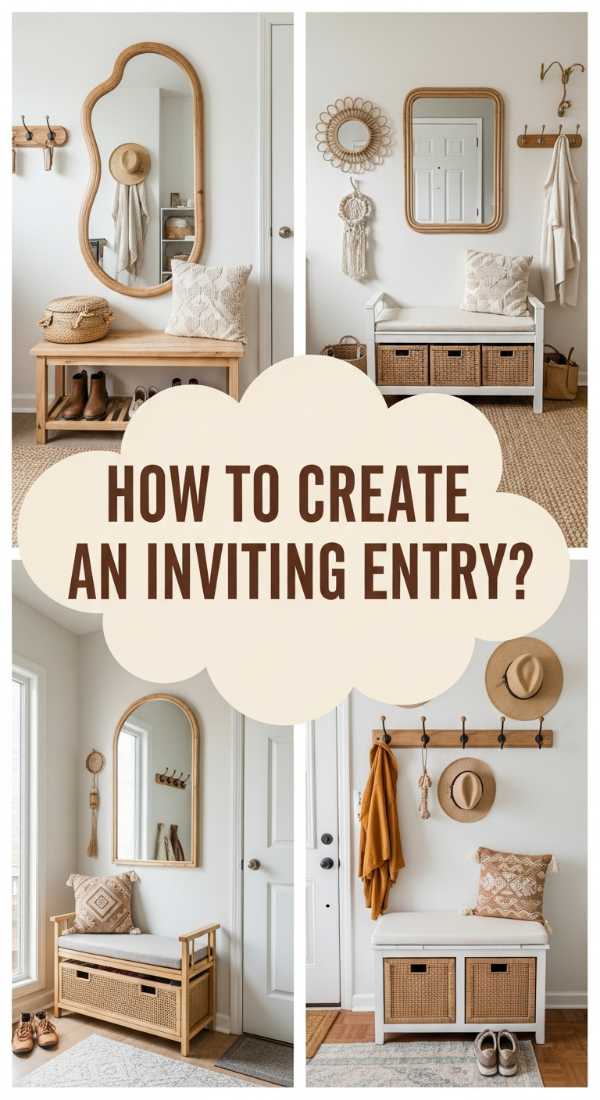
How to Create an Inviting Entryway for a Warm Welcome
Why we love this
The entryway is the ‘handshake’ of your home; it’s the first thing you see when you return and the last thing you see when you leave. We love an inviting, bohemian entryway because it immediately shifts your mood from the chaos of the outside world to the peace of your sanctuary. A well-placed mirror to check your reflection, a soft scent in the air, and a beautiful place to kick off your shoes makes coming home feel like a sigh of relief. It sets the tone for the entire house, whispering: ‘you are safe, you are home, and you can relax now.’
Essential Elements:
- A console table with a narrow profile
- A large round mirror to expand the space
- A decorative tray for keys and small items
- Essential oil diffuser or scented candles
- Wall-mounted hooks for hats and bags
- A small bench or stool for putting on shoes
How to make it
- Start by clearing the floor area of any clutter to ensure a clear path of entry; use a stylish basket for shoes that tend to pile up.
- Mount a large mirror directly across from or adjacent to the door to reflect light and make a small entry feel twice as large.
- Choose a signature scent—like sandalwood or bergamot—and set up an ultrasonic diffuser to run throughout the day for a consistent olfactory welcome.
- Add a ‘landing strip’ tray on your console table to corral keys and mail, preventing them from scattering across other surfaces.
- Hang a few of your favorite hats or a woven bag on decorative hooks to add a personal, lived-in touch to the wall space.
- Place a small potted plant, like a Snake Plant (which thrives in lower light), on the console to bring immediate life to the entrance.
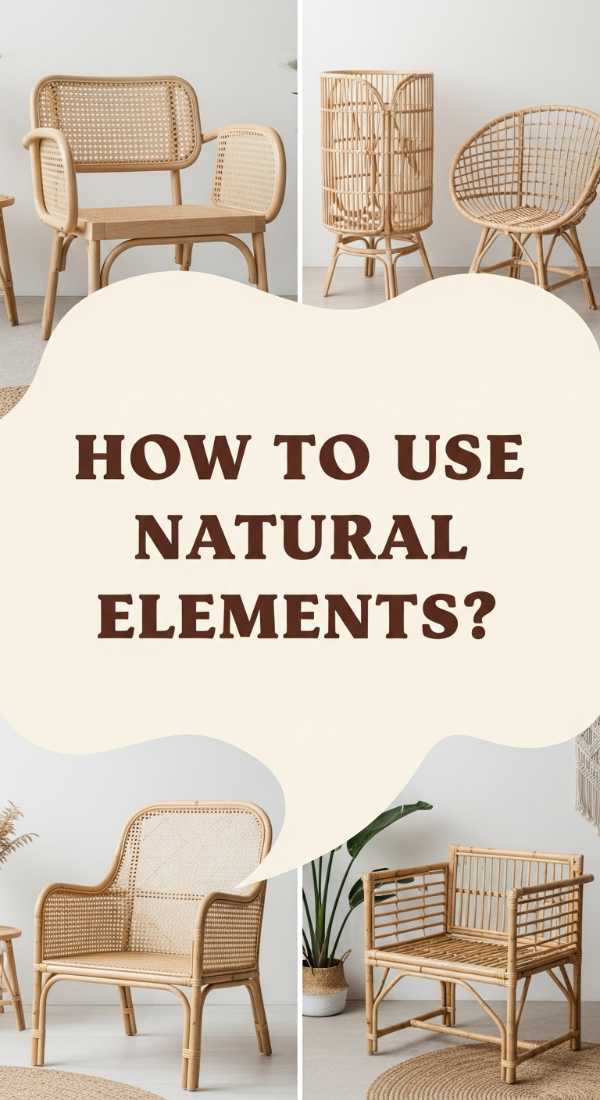
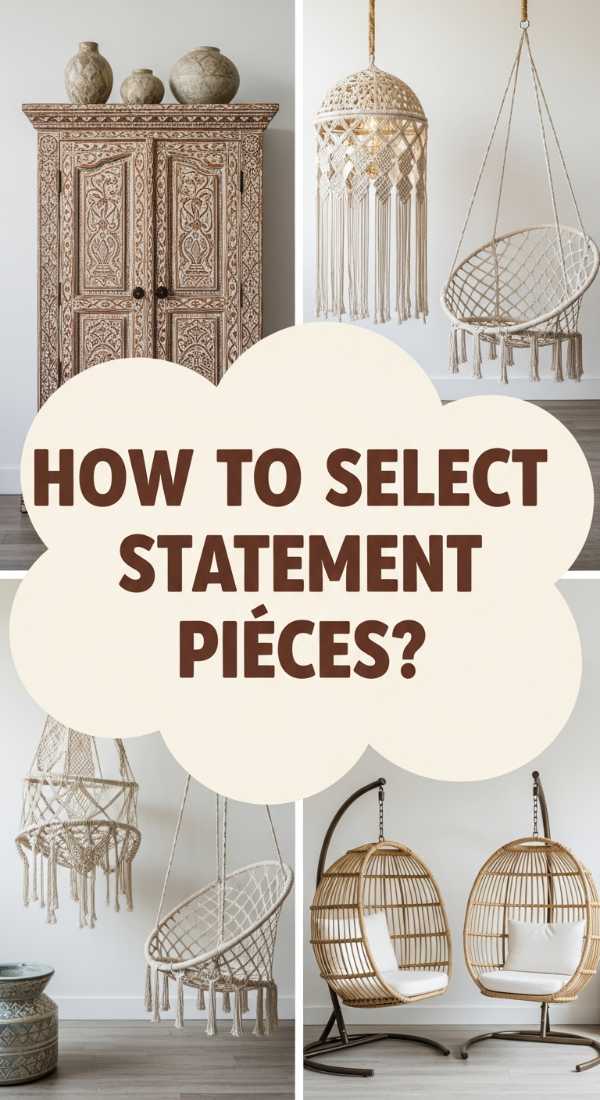
How to Select Statement Furniture for a Unique Home
Why we love this
Statement furniture pieces are the ‘main characters’ of your home’s story. We love them because they defy the boring, mass-produced trends and bring a sense of adventure and heritage into a room. Whether it’s an iconic rattan peacock chair that feels like it belongs in a 1970s sunroom or a hand-carved Indian sideboard with intricate details, these pieces command attention. They provide a sense of place and personality, serving as conversation starters that reflect your bold style and appreciation for craftsmanship.
Essential Elements:
- Rattan peacock chairs or hanging egg chairs
- Hand-carved wooden chests or sideboards
- Vintage leather poufs or ottomans
- Mid-century modern accent chairs with unique silhouettes
- A large, ornate headboard
- Custom-made or upcycled ‘found’ objects
How to make it
- Select one ‘hero’ piece per room to avoid overwhelming the space; let this item have plenty of ‘breathing room’ around it.
- Look for items with interesting silhouettes—curves, high backs, or unique leg designs—that contrast with the standard rectangular shapes of most furniture.
- Ensure the scale of the statement piece fits the room; a massive cabinet in a tiny room can feel claustrophobic, while a small chair in a huge room can look lost.
- Update older statement pieces with new upholstery or hardware (like brass knobs) to blend vintage charm with your current color palette.
- Position your statement piece near a window or under a spotlight to ensure it is highlighted by the room’s lighting.
- Balance the ‘weight’ of a heavy furniture piece with lighter elements, like a glass table or thin-legged lamps, to maintain a sense of airiness.
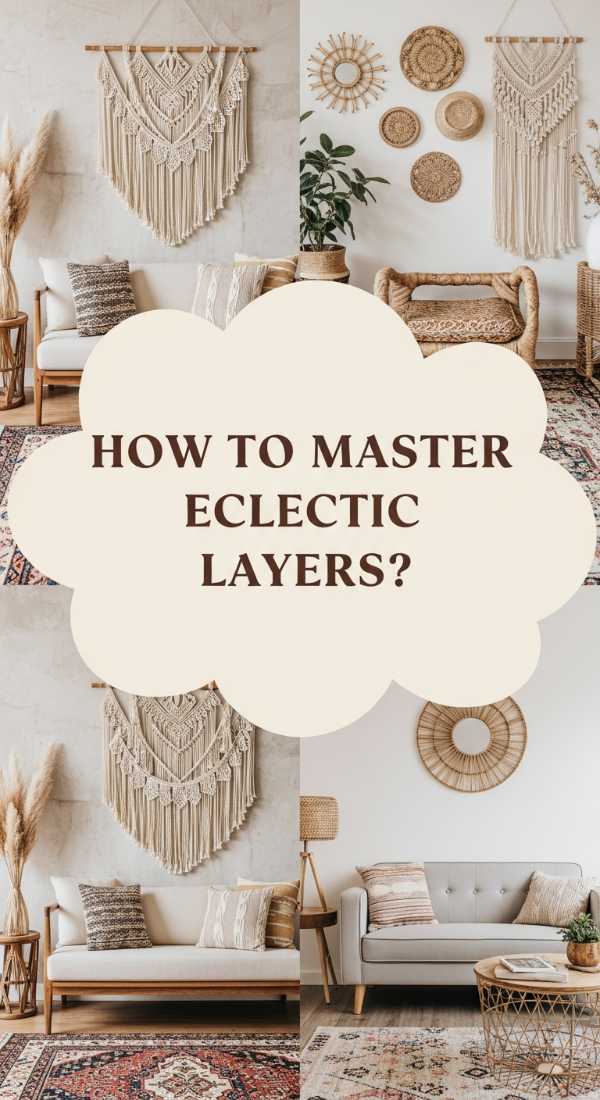
How to Master Eclectic Layers for a Soulful Interior
Why we love this
The beauty of eclectic design lies in its fearlessness—it is the art of bringing together things that shouldn’t work on paper but create a harmonious symphony in person. We love this approach because it’s deeply personal and cannot be replicated. It’s about mixing a modern lamp with a 100-year-old rug, or pairing a sleek metal table with a chunky knit throw. This ‘soulful layering’ creates a home that feels like it has grown organically over time, filled with curiosities and comfort that reflect every facet of your personality.
Essential Elements:
- A mix of vintage and modern furniture
- Diverse color palette with a grounding neutral base
- Varying heights of decor (tall lamps, short books)
- Global textiles (kilims, mudcloth, batik)
- Layered lighting (floor lamps, table lamps, candles)
- Personal collections (stamped books, travel souvenirs)
How to make it
- Identify a ‘unifying thread’—such as a specific accent color or a material like brass—and repeat it throughout the eclectic mix to tie the look together.
- Layer your textiles by placing a modern throw over a vintage chair, or a patterned pillow against a solid-colored sofa.
- Use books as pedestals; stack three or four art books horizontally to give height to a small plant or a ceramic bowl.
- Mix your art styles: hang a modern abstract painting next to a vintage botanical sketch for a sophisticated, ‘collected’ vibe.
- Avoid the ‘showroom’ look by ensuring no more than two items come from the same store or era.
- Edit periodically; if a space feels too cluttered, remove one item to see if the room ‘breathes’ better, keeping only what brings you genuine joy.
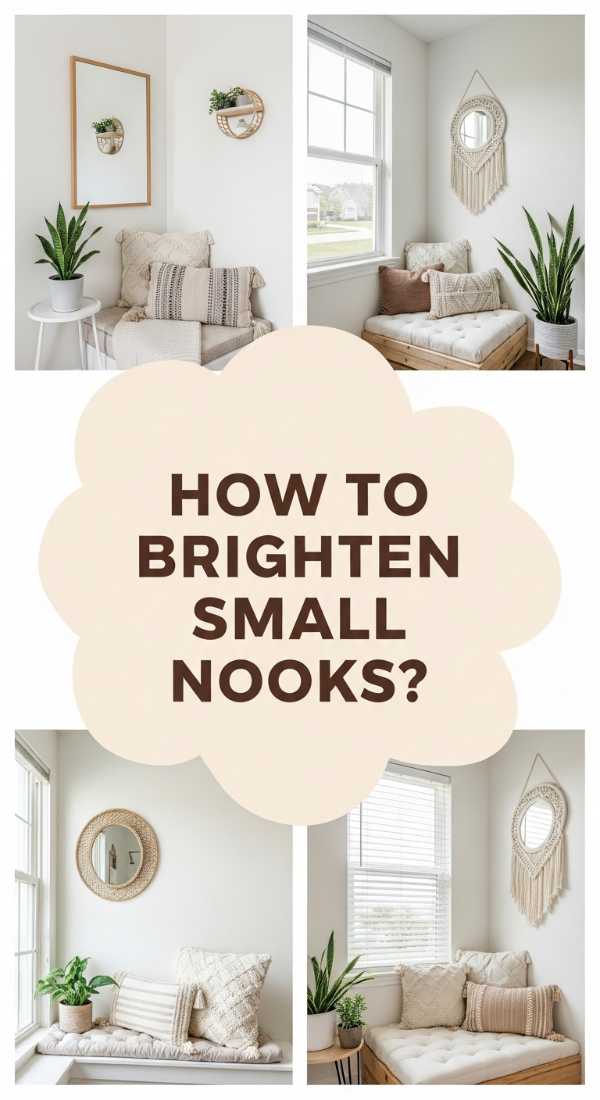
How to Brighten Small Nooks for a Spacious Feel
[IMAGE_10]
Why we love this
Every home has those awkward corners or tiny alcoves that often go unused, but we love them because they are hidden opportunities for charm. By focusing on light and smart proportions, you can turn a cramped nook into a spacious-feeling sanctuary for reading, sipping tea, or simply daydreaming. It’s about reclaiming every square inch of your home and proving that you don’t need a huge floor plan to create a sense of openness. There is a quiet joy in making a small space feel grand through thoughtful, bohemian touches.
Essential Elements:
- Light-colored paint or wallpaper (whites, creams, pastels)
- Mirrors to reflect light and create depth
- Wall-mounted lighting to save floor space
- Small-scale furniture (bistro tables, slim chairs)
- Vertical storage or floating shelves
- Sheer fabrics that let light pass through
How to make it
- Paint the nook a slightly lighter shade than the surrounding room to create a visual ‘window’ effect that draws the eye in.
- Install a floating shelf at desk height to create a tiny workspace without the bulk of a traditional desk.
- Place a tall, narrow floor lamp in the corner to illuminate the vertical space, making the ceiling feel higher.
- Use a large mirror on the back wall of the nook to create the illusion of a doorway or a continuing room beyond.
- Stick to a ‘monochromatic’ color scheme for the furniture and textiles in the nook to prevent the small space from feeling visually busy.
- Add one single, high-impact plant—like a hanging String of Pearls—to introduce life without taking up precious floor or shelf space.
Final Thoughts on Your Bohemian Journey
Creating your ultimate bohemian sanctuary is an ongoing journey, much like travel itself. It’s not about finishing a room in a single weekend; it’s about the slow accumulation of things that make your heart sing. As you implement these steps, remember that the most important element in any home is you—your memories, your comfort, and your spirit. May your home always be a place that fuels your wanderlust while giving you the most beautiful place on earth to rest. Happy decorating!