
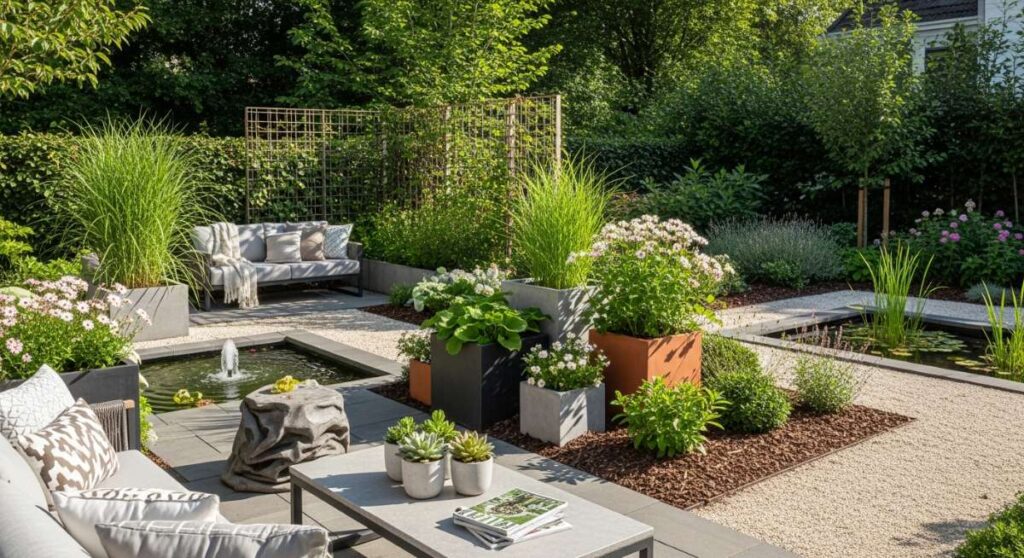
There is something truly transformative about stepping into a space that feels curated just for your soul. For years, I looked at my backyard and saw nothing but chores and overgrown grass, but once I started treating my outdoor areas like an extension of my living room, everything changed. Creating an aesthetic garden retreat isn’t just about the plants; it’s about the feeling of peace that washes over you when you see a warm glow or a perfectly placed stone path. Whether you have a sprawling lawn or a tiny balcony, these DIY projects and design ideas will help you craft a sanctuary that reflects your personal style.
It is about creating a place where memories are made, from quiet morning coffees to late-night laughter under the stars. By focusing on sensory details and intentional design, we can turn any mundane yard into a viral-worthy oasis. Let’s dive into these ten ways to elevate your home and garden into the ultimate aesthetic retreat.
How to Build a DIY Planter Light Post for Ultimate Curb Appeal

Why we love this
The way a planter light post bridges the gap between functional security and high-end design is nothing short of magical. Imagine the soft, flickering glow of a solar lantern or a vintage-style Edison bulb casting long shadows across your driveway as the sun sets, held up by a sturdy, hand-stained wooden post nestled in a bed of vibrant petunias. It adds a sense of permanence and intentionality to your curb appeal, making your home look inviting before guests even reach the front door. The scent of damp earth and fresh wood stain mingles with the evening air, creating a sensory experience that says welcome home in the most sophisticated way possible.
Essential Elements:
- Pressure-treated 4×4 wooden post
- Large heavy-duty wooden or ceramic planter
- Quick-setting concrete mix
- Solar-powered lantern or hardwired outdoor light fixture
- Wood stain or exterior paint
- Decorative gravel and potting soil
- Trailing flowers like calibrachoa or ivy
How to make it
- Begin by cutting your 4×4 post to your desired height, typically between 5 and 6 feet, and sand down any rough edges for a professional finish.
- Apply a high-quality exterior stain or paint to the post, ensuring you cover all sides including the top and bottom to prevent moisture rot.
- Place the post in the center of your large planter and have a partner hold it level while you pour in the dry quick-set concrete mix, leaving about 4 inches of space at the top.
- Slowly add water to the concrete according to the package directions and use a level to ensure the post is perfectly vertical as the concrete begins to cure.
- Once the concrete is fully hardened (usually 24 to 48 hours), attach your light fixture to the top of the post using exterior-grade screws and a drill.
- Fill the remaining space in the planter with a layer of drainage gravel followed by high-quality potting soil, then plant your flowers around the base of the post for a lush look.
How to Design a Pink Layout for the Most Aesthetic Home Office

Why we love this
Creating a pink-themed home office is all about embracing a soft, monochromatic palette that promotes both productivity and a sense of calm. The visual harmony of blush tones, rose gold accents, and dusty pink textures creates a workspace that feels like a sanctuary rather than a cubicle. When you sit down at a desk surrounded by these warm, rosy hues, the light seems to soften, and the atmosphere becomes instantly more creative and feminine. It is the perfect blend of modern chic and cozy comfort, making those long work hours feel like a luxurious experience in a boutique-inspired environment.
Essential Elements:
- Blush or dusty rose wall paint or peel-and-stick wallpaper
- White or light wood desk
- Rose gold or brass desk accessories
- Pink velvet ergonomic office chair
- Soft pink desk mat and stationery
- Fresh flowers or dried pampas grass
- Warm-toned LED desk lamp
How to make it
- Start by defining your primary shade of pink; opt for a muted blush or a sophisticated terracotta pink to keep the room feeling mature and airy.
- Paint your focal wall or apply a subtle patterned wallpaper to create a textured backdrop for your desk and shelving.
- Position your desk to maximize natural light, which makes pink tones glow beautifully during the day, and add a soft pink velvet chair for a touch of luxury.
- Layer your desk with a large faux-leather desk mat in a coordinating pink shade to protect the surface and add a pop of color.
- Incorporate rose gold or gold hardware through drawer pulls, staplers, and pen holders to create a cohesive metallic theme that elevates the pink palette.
- Finish the space by adding greenery in ceramic pink pots to provide a natural contrast and improve air quality in your beautiful new retreat.
How to Install Low Retaining Wall Ideas for a Professional Garden Look

Why we love this
A low retaining wall is the secret weapon of professional landscapers, providing structural elegance and clear definition to any garden bed. There is a satisfying weight to the stone or timber as it sits against the earth, creating tiered levels that add depth and visual interest to a flat yard. The sight of crisp, clean lines separating a lush green lawn from a bursting flower bed creates an organized, high-end aesthetic that instantly increases property value. Whether crafted from weathered gray stone or warm cedar, these walls provide a sense of architectural permanence that makes your garden feel like a curated parkland.
Essential Elements:
- Retaining wall blocks or landscape timbers
- Leveling sand or crushed stone base
- Landscape fabric for weed prevention
- Drainage pipe (if wall is over 1 foot)
- Exterior-grade construction adhesive
- String line and wooden stakes
- Rubber mallet and level
How to make it
- Mark out the path of your wall using stakes and a string line to ensure your layout is straight or perfectly curved before you begin digging.
- Dig a trench that is roughly twice the width of your blocks and deep enough to accommodate a 2-inch base of leveled sand plus half of the first layer of stone.
- Fill the trench with leveling sand or crushed stone and tamp it down firmly until it is a solid, flat surface for your foundation.
- Lay the first course of blocks carefully, checking each one with a level in both directions and using a rubber mallet to tap them into place.
- Stagger the second course of blocks over the joints of the first layer (running bond pattern) and apply a bead of construction adhesive between the layers for stability.
- Backfill the area behind the wall with gravel for drainage and cover it with landscape fabric before adding topsoil and your favorite perennials.
How to Create a Cute Campsite Setup for a Magical Outdoor Escape

Why we love this
Transforming a corner of your yard into a magical campsite brings the adventure of the great outdoors right to your doorstep. Picture a canvas bell tent glowing from within by the light of a dozen fairy lights, surrounded by plush floor cushions and hand-woven blankets that invite you to sink in and stay a while. The crackle of a small fire pit and the scent of roasting marshmallows create an atmosphere of pure nostalgia and wonder. It is a whimsical retreat where the digital world fades away, replaced by the rustle of leaves and the soft sparkle of lanterns swaying in the breeze.
Essential Elements:
- Canvas bell tent or a simple A-frame structure
- String lights and battery-operated lanterns
- Outdoor rugs and layers of blankets
- Large floor pillows and cushions
- Portable fire pit or faux flame light
- Low wooden pallet table
- Enamel mugs and a cozy beverage station
How to make it
- Choose a flat, grassy area of your yard and clear away any sticks or stones to create a smooth foundation for your tent.
- Set up your main tent structure, ensuring the fabric is pulled taut and the entrance faces a scenic view or your garden’s best features.
- Drape multiple strands of warm-toned fairy lights over the tent poles and around the entrance to create that signature magical glow.
- Layer the floor inside the tent with an outdoor rug for insulation, then pile on cushions and thick blankets to create the ultimate lounging spot.
- Place a low table made from a reclaimed pallet nearby to hold your snacks and drinks, decorating it with a few small lanterns and wildflower vases.
- Set up a safe fire pit area a few feet away from the tent with comfortable seating, making sure you have all the supplies for a cozy night of stargazing.
How to Make DIY Garden Labels for Your Perfect Herb Patch

Why we love this
There is a quiet joy in the organized beauty of a well-labeled herb garden, where every sprout has its own handcrafted nameplate. These DIY labels add a touch of artisanal charm to your garden beds, turning a functional patch of soil into a pinterest-worthy display. The combination of natural materials like wood, clay, or stone against the vibrant green of basil and rosemary creates a tactile and visual delight. It is a small detail that speaks volumes about the care and love you put into your garden, making the process of harvesting fresh herbs feel like a professional culinary experience.
Essential Elements:
- Wooden stakes, flat river stones, or polymer clay
- Waterproof permanent markers or outdoor paint
- Clear exterior sealant or varnish
- Twine or leather cord (if hanging)
- Letter stamps or stencils
- Sandpaper
How to make it
- If using wood, sand the surfaces until they are smooth to prevent the ink from bleeding into the wood grain.
- Carefully write or stamp the names of your herbs onto your chosen material, using a contrasting color like white on dark stone or black on light wood for readability.
- Allow the paint or ink to dry completely for at least 24 hours to ensure it won’t smudge during the sealing process.
- Apply two thin coats of clear, waterproof exterior sealant to protect your labels from rain, UV rays, and garden moisture.
- If you are using stones, nestle them firmly at the base of each plant; for stakes, push them deep enough into the soil so they remain upright during watering.
- For a rustic look, tie a small piece of twine around the top of your wooden stakes to add texture and a finished aesthetic to your herb patch.
How to Craft a Spring Chalkboard for a Cheerful Kitchen Vibe

Why we love this
A spring-themed chalkboard is like a window into the changing seasons, bringing the freshness of the garden right into the heart of your home. The contrast of bright white or pastel chalk against a deep black background allows for stunning illustrations of tulips, lavender, and honeybees that brighten up any kitchen wall. It is an ever-evolving piece of art that you can customize with inspiring quotes, weekly menus, or simple floral doodles that celebrate the return of the sun. The dusty texture of the chalk and the hand-drawn imperfections add a layer of human warmth and creativity to your living space.
Essential Elements:
- Large framed chalkboard or chalkboard paint
- High-quality chalk markers or traditional dustless chalk
- Stencils (optional for complex designs)
- Microfiber cloth and water
- Spring-themed inspiration images
- Small magnets (if the board is magnetic)
How to make it
- Start with a clean, dry chalkboard surface by wiping it down with a damp cloth to remove any ghosting from previous designs.
- Lightly sketch your main layout with a traditional piece of chalk, marking where your main text and floral borders will go.
- Use chalk markers for your final lines to get vibrant, crisp colors; start with the text in the center and work your way outward to avoid smudging.
- Draw seasonal elements like blooming branches or small butterflies in the corners to frame your message and add a touch of spring whimsy.
- Vary your lettering styles, combining bold block letters with delicate cursive to create a professional, layered look.
- If you make a mistake, use a damp Q-tip to erase small sections without ruining the rest of your beautiful spring masterpiece.
How to Assemble a Mud Kitchen Rock Food Area for Endless Backyard Play

Why we love this
The Mud Kitchen rock food area is where childhood imagination meets aesthetic garden design in the most delightful way. Instead of plastic toys, these hand-painted river rocks mimic strawberries, avocados, and eggs, providing a tactile and durable way for little ones to play. The vibrant colors of the painted stones nestled in a rustic wooden kitchen setup create a charming, cottage-core vibe that looks beautiful even when it is messy. It encourages a deep connection to nature and sensory play, while the stones themselves become little pieces of outdoor art that weather the seasons with grace.
Essential Elements:
- Smooth, flat river rocks of various sizes
- Multi-surface acrylic paints
- Fine-tipped paint brushes and sponges
- Outdoor-grade clear gloss sealer
- Small wooden crates or baskets for storage
- A sturdy outdoor play table or mud kitchen
- Potting soil and water for play
How to make it
- Wash your river rocks thoroughly in warm soapy water to remove any dirt or oils, then let them dry completely in the sun.
- Apply a base coat of white paint to the rocks if you want your colors to be extra vibrant, or paint directly onto the stone for a more natural look.
- Paint each rock to look like a specific food item; for example, paint a medium stone red with tiny yellow dots to create a strawberry, or a flat stone green with a brown center for an avocado.
- Use a very fine brush to add realistic details like seeds, rinds, or textures that make the rock food look almost good enough to eat.
- Once the paint is dry, apply two coats of a heavy-duty outdoor sealer to protect the artwork from chipping during enthusiastic play.
- Arrange the finished stones in small wooden baskets on your mud kitchen counter, ready for the next round of garden-inspired cooking.
How to Select Deck Paint Colors for a Stunning Backyard Transformation

Why we love this
Choosing the right deck paint is the foundation of any aesthetic backyard transformation, acting as the canvas upon which all your outdoor decor sits. A fresh coat of a sophisticated hue like charcoal gray, toasted almond, or a deep navy can instantly modernize an aging wooden deck, making it feel like a high-end architectural feature. The smooth, matte finish of quality deck paint feels cool underfoot and provides a clean, cohesive look that ties together your furniture and plantings. It is the quickest way to turn a weathered eyesore into a stunning, photo-ready platform for outdoor entertaining.
Essential Elements:
- High-quality exterior deck paint or solid stain
- Deck cleaner and a stiff-bristle brush
- Sandpaper or a power sander
- Painter’s tape and drop cloths
- Long-handle paint roller and a high-quality brush
- Color swatches (tested in natural light)
How to make it
- Clean your deck thoroughly with a specialized deck cleaner to remove mold, mildew, and old debris, then allow it to dry for at least 48 hours.
- Sand down any rough spots or peeling old paint to ensure the new coat adheres perfectly and provides a smooth walking surface.
- Test your top three color choices on a small, inconspicuous area of the deck and observe them at different times of the day to see how the light changes the tone.
- Use painter’s tape to protect the siding of your house and any nearby railings that you don’t want to paint in the same color.
- Apply the paint using a roller for the main boards and a brush for the gaps between the boards, working in small sections to maintain a wet edge.
- Apply a second coat after the recommended drying time to ensure full coverage and a rich, durable finish that will withstand the elements.
How to Arrange Front Door Baskets with Flowers for a Welcoming Entrance

Why we love this
Front door baskets are a charming alternative to traditional wreaths, offering a lush, three-dimensional explosion of color and fragrance. There is something incredibly inviting about a woven basket overflowing with trailing ivy and bright blooms hanging right where you greet your guests. The mix of natural wicker textures and the soft petals of seasonal flowers creates a cottage-inspired look that feels both timeless and trendy. As the breeze catches the flowers, they release a subtle scent that makes entering your home a sensory delight, immediately setting a tone of warmth and hospitality.
Essential Elements:
- Flat-backed hanging wicker or wire basket
- Plastic liner or coco fiber liner
- Potting soil with moisture-retaining crystals
- A mix of thriller, filler, and spiller plants
- Waterproof hook or over-the-door hanger
- Decorative ribbon or twine
How to make it
- Select a basket with a flat back so it sits flush against your door and won’t bounce or tip when the door is opened and closed.
- Line the basket with plastic (with a few small drainage holes) or a coco liner to keep the soil and moisture from damaging the wicker.
- Fill the basket two-thirds of the way with a lightweight, high-quality potting mix designed for containers.
- Place your thriller plant (something tall like a small ornamental grass or a geranium) in the center towards the back.
- Surround the center plant with filler plants (like pansies or petunias) and finish with spiller plants (like creeping jenny or lobelia) draped over the front edge.
- Water the arrangement thoroughly and hang it on a sturdy hook, making sure to check the moisture levels daily as small baskets dry out quickly.
How to Choose Pool Stone and Tile Ideas for a Luxurious Backyard Oasis
[IMAGE_10]
Why we love this
The right combination of stone and tile can turn a standard backyard pool into a resort-level masterpiece that glimmers in the sunlight. Imagine the way Mediterranean blue mosaic tiles dance under the water’s surface, framed by the cool, matte texture of natural travertine or slate coping. This design choice creates a seamless transition between the water and the land, offering a look that is both sophisticated and incredibly durable. The tactile experience of smooth stone under your feet and the visual depth of the tiles make every swim feel like a vacation in a private Mediterranean villa.
Essential Elements:
- Pool-rated porcelain or glass mosaic tiles
- Natural stone coping (Travertine, Limestone, or Slate)
- Waterproof tile adhesive and grout
- Expansion joint material
- Sealer for the natural stone
- Notched trowel and tile spacers
How to make it
- Start by selecting a tile color that complements the natural surrounding landscape; deep blues create depth, while light teals make the water look tropical.
- Ensure the pool surface is clean, level, and properly waterproofed before you begin the tiling process.
- Apply a thin layer of waterproof adhesive with a notched trowel and set your tiles in small sections, using spacers to keep your lines perfectly straight.
- For the pool coping (the edge), choose a natural stone that is slip-resistant and stays cool in the sun, ensuring it has a slight overhang into the pool for a professional finish.
- Apply a pool-grade grout to the tile joints, wiping away the excess with a damp sponge before it cures to reveal the beautiful pattern.
- Seal the stone coping with a breathable, penetrating sealer to protect it from chlorine or salt water while maintaining its natural aesthetic beauty.
Conclusion
Creating an aesthetic garden retreat is a journey of turning your outdoor dreams into a reality, one DIY project at a time. Whether you started with a simple herb label or went all out with a pool transformation, the goal is to create a space that feels like home. These projects are more than just home improvement; they are about crafting an environment that nurtures your creativity and provides a peaceful escape from the busy world. So grab your tools, pick a project that speaks to your soul, and start building your own viral-worthy oasis today!